Digital driver's licences explained: How digital licences, WoFs and regos will work in New Zealand
Will you still need to carry a physical licence? Can you remove WoF and rego labels from your windscreen? We explain what the new laws mean for motorists.
New Zealand motorists are a step closer to leaving more than just their plastic driver's licence at home, with the Government laying the groundwork for a fully digital transport compliance system.
Legislation passed in May under the Regulatory Systems (Transport) Amendment Act allows for optional digital driver's licences, while also enabling electronic alternatives to physical Warrant of Fitness (WoF) and vehicle registration labels.
The Government says the reforms are designed to modernise transport laws, reduce paperwork, and save millions in administration costs, while making it easier for motorists to access official documents on their phones.
Driver's licences will go digital
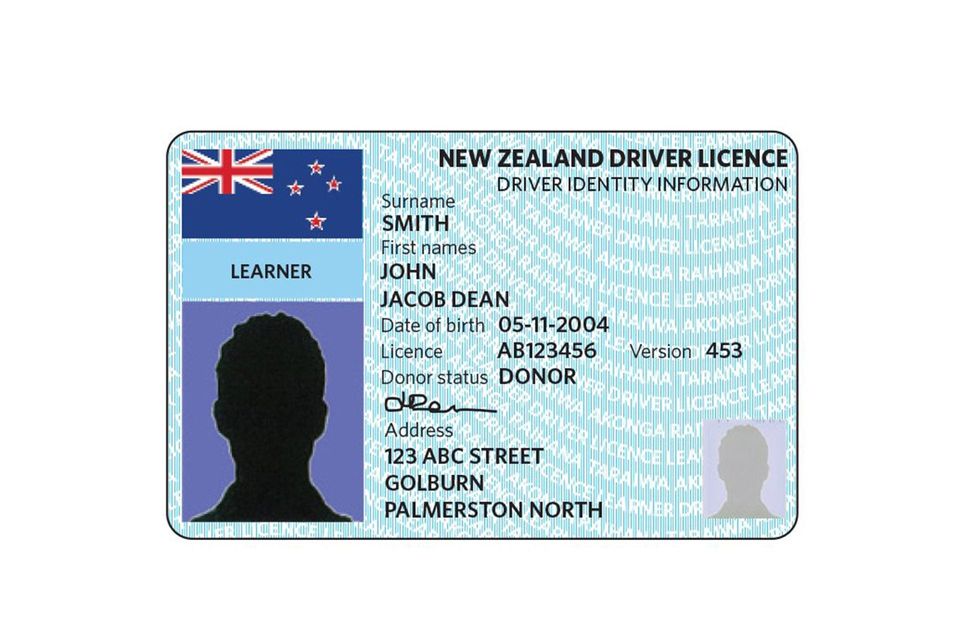
Under the new legislation, New Zealanders will be able to choose between carrying a traditional plastic licence or storing a secure digital version on their smartphone.
The digital licence won't replace the physical card, but instead act as an optional alternative.
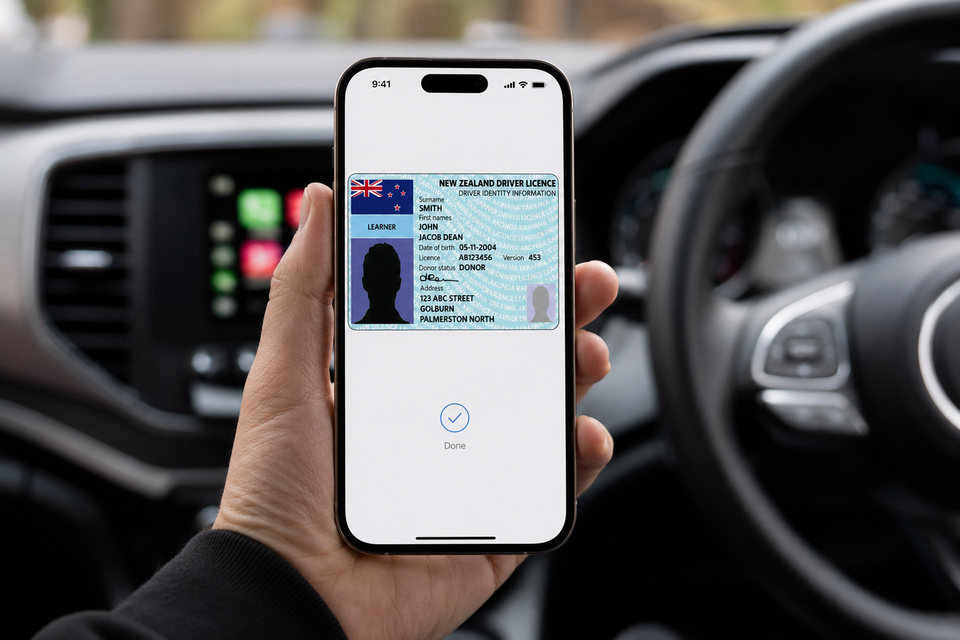
Under the proposal, motorists will be able to add a digital driver's licence to a supported smartphone wallet, such as Apple Wallet or Google Wallet.
To obtain one, users will scan their existing physical licence before completing a facial verification process. NZTA will then compare the submitted image with the Driver Licence Register before issuing a secure digital credential.
Unlike many digital services, the licence will be stored directly on the device rather than in the cloud, allowing it to be accessed even without an internet connection.
It will display the same information as the physical card, but with additional security features designed to make fraud more difficult.
One of the biggest changes is selective information sharing.
Instead of revealing all personal details every time the licence is used, motorists will be able to share only the information required for a particular transaction. For example, proving they're over 18 without revealing their full date of birth.
The digital licence will also be able to serve as proof of identity for government and private-sector services as support expands.
Police checks won't change much
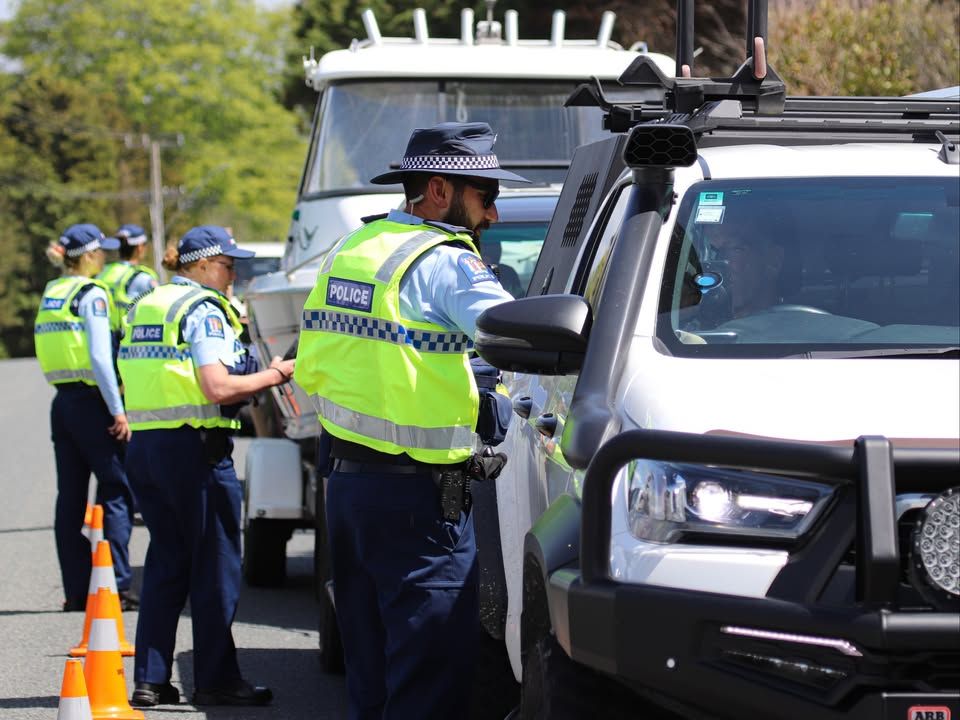
For most motorists, interactions with Police are expected to remain largely the same.
Drivers will present their licence using an approved digital wallet or app, while officers will verify it electronically, likely using QR code scanning or contactless technology.
Motorists won't need to hand over their phones during checks.
Screenshots or saved images won't be accepted because they can't be authenticated, the digital version will include live verification features to confirm it's genuine and current.
Importantly, no changes are proposed to existing offences or licence penalties.
WoF and rego stickers could disappear
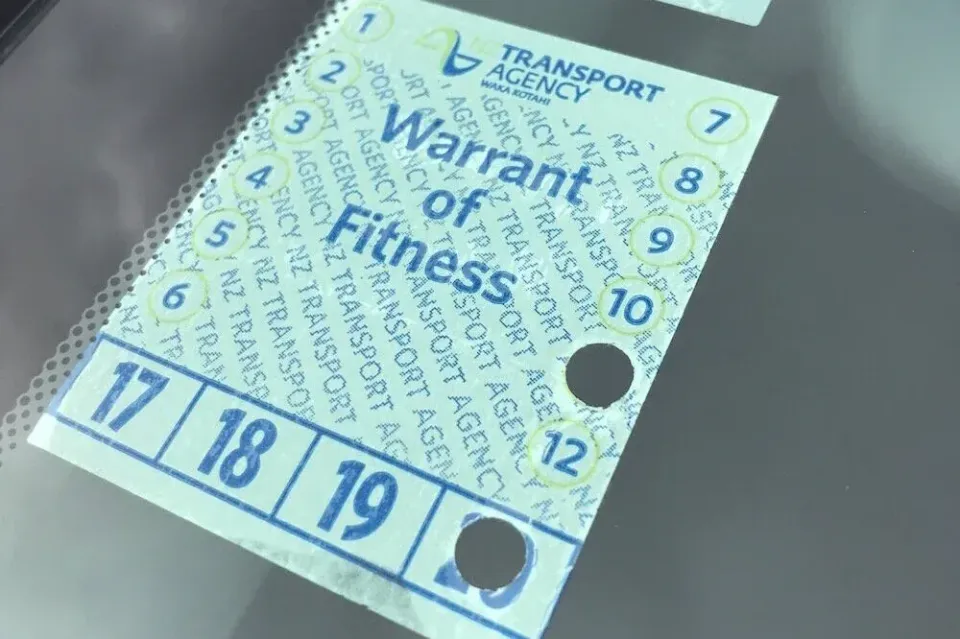
One of the most noticeable changes will be the eventual removal of physical WoF and registration labels from vehicle windscreens.
Instead of the current labels, Police and parking enforcement officers will check a vehicle's compliance electronically by entering its registration number into a database.
Motorists will still need to keep their registration current and maintain a valid WoF or Certificate of Fitness (CoF), but they may no longer need to wait for stickers in the mail or remember to place them on the windscreen.
The electronic alternative is also expected to cover Certificates of Loading (CoL), Transport Service Licence (TSL) labels and Alternative Fuel Inspection Certificates (AFIC).
The Government says drivers who prefer physical labels will still be able to use them.
RUC labels stay... for now
Unlike WoFs and regos, Road User Charges (RUC) labels aren't included in the legislation.
The Government says any changes to RUC display requirements will instead be considered through separate legislation currently before Parliament.
For now, diesel, electric and plug-in hybrid vehicle owners will still need to display valid RUC licences as required under the current rules.
Privacy and security a key focus
The Government says digital credentials will include stronger security than physical cards.
Digitising Government Minister Paul Goldsmith
Access will be protected using smartphone security features such as Face ID, fingerprint authentication or PINs, while encryption and secure verification systems will make fraudulent copies far more difficult.
Users will also retain greater control over the personal information they share, with digital licences designed to disclose only the details required for a particular transaction.
NZTA is developing the system alongside Austroads and says it is working with the Office of the Privacy Commissioner as part of a wider privacy impact assessment.
Digitising Government Minister Paul Goldsmith says privacy and security have been central to the design process.
"I want to assure Kiwis that the licences are being designed with privacy and security at their core, allowing users to share only the information required for a transaction," Mr Goldsmith said.
Saving millions on paperwork
Transport Minister Chris Bishop said moving transport services online would significantly reduce unnecessary administration.
Last year alone, NZTA sent around 14 million letters, reminders and labels at a cost of $16.8 million.
The legislation also allows regulatory notices that previously had to be sent by post to be delivered electronically.
"The changes bring transport legislation up to date by allowing digital options instead of paper documents, improving online service delivery, and strengthening rail and maritime enforcement through clearer responsibilities and appropriate penalties," Mr Bishop said.
Associate Transport Minister James Meager said the reforms would make the transport system easier to use while reducing outdated compliance requirements.
"Ultimately, these changes will make the system simpler to use, easier to enforce, and better for all transport users," he said.
Public consultation now underway
While the legislation has now passed, the detailed rules governing how digital licences and electronic vehicle documents will operate are still being developed.



 Showroom
 Car Chooser
 Compare
 Car Specifications