

 Showroom
 Car Chooser
 Compare
 Car Specifications

Dave Kavermann
Commerce Commission 'expects' oil price fall to reach Kiwi motorists
The message from the regulator to fuel companies is clear: if oil prices continue to fall, Kiwi motorists should see that benefit when they fill up.
16 Hours Ago
Journalist
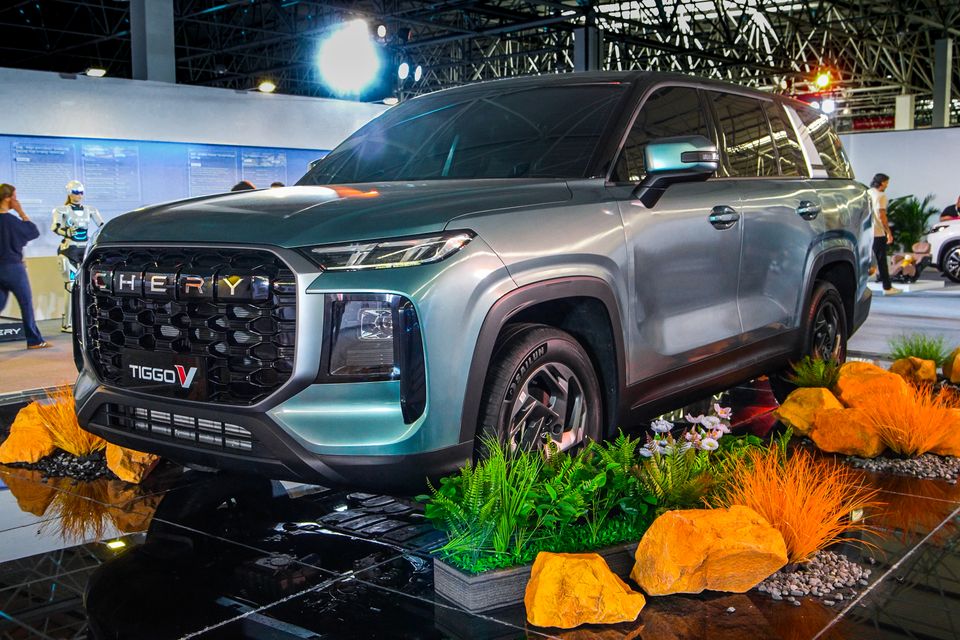
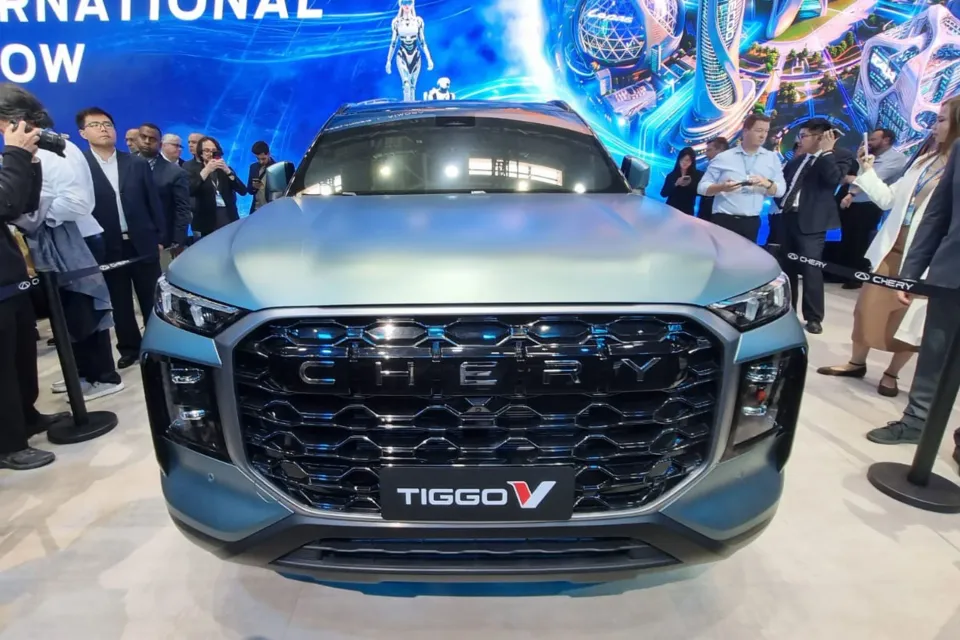
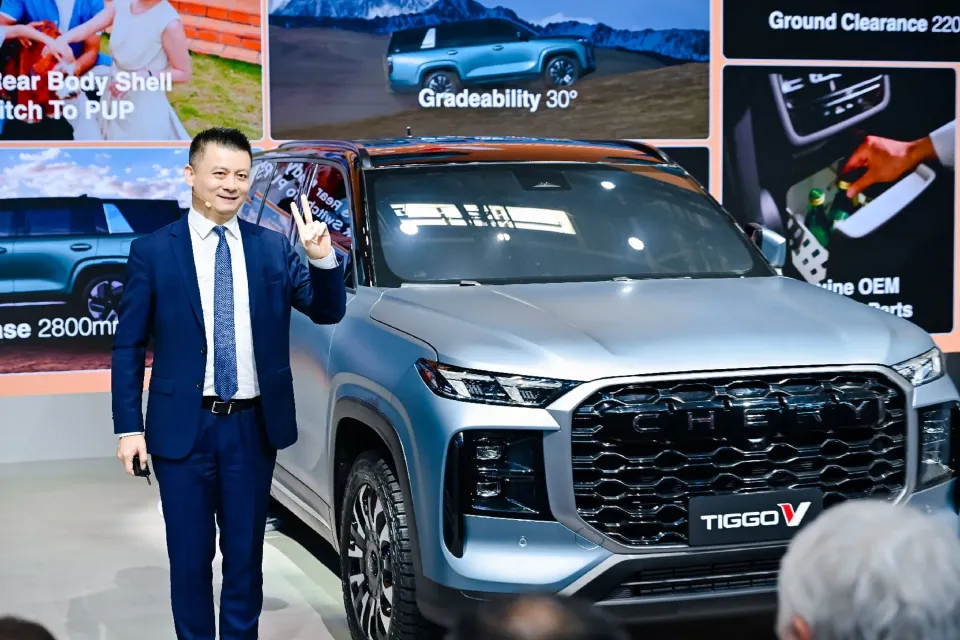
The 2026 Chery Tiggo V has been revealed at the Beijing motor show, previewing a bold new direction for family SUVs and a potential niche player in the New Zealand market.
Positioned as a “one vehicle for all scenarios”, the Tiggo V blends traditional large SUV practicality with ute-like flexibility, thanks to a unique modular rear design. Its standout feature is a detachable rear body system that allows the vehicle to transform from a three-row SUV into a ute-style layout.
By removing the rear canopy and third-row seating, owners can create an open cargo area separated from the cabin by a partition. Chery says up to six configurations will be offered, including lifestyle-focused setups such as a camper conversion or enclosed cargo module.
This adaptability is aimed squarely at buyers who want the comfort and refinement of a family SUV for daily driving, but with the added versatility to carry larger loads when required.
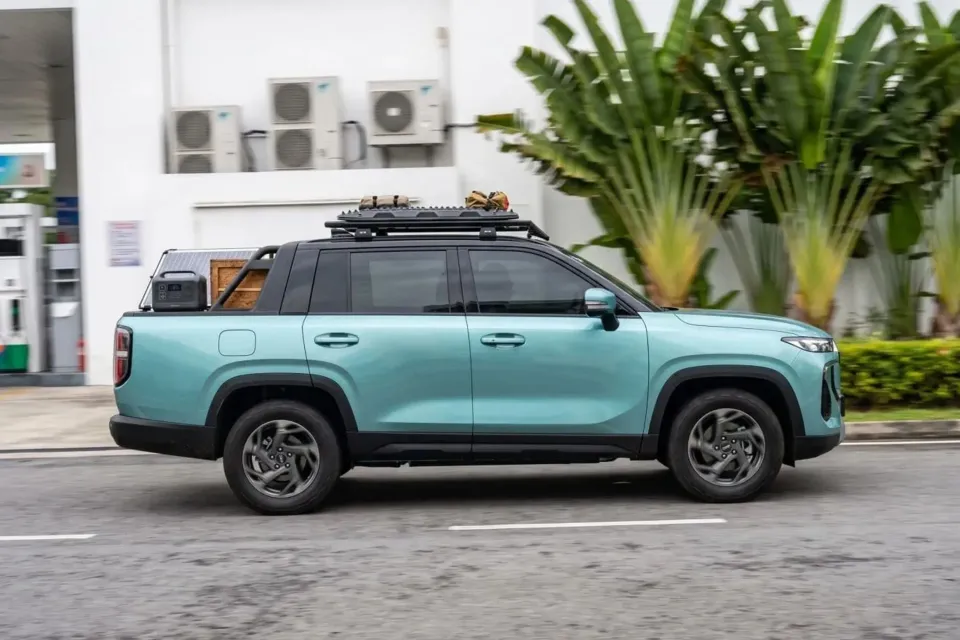
However, expectations should be tempered. The Tiggo V is unlikely to match the payload or towing capability of traditional ladder-frame utes, positioning it more as a lifestyle alternative than a true workhorse.
Unlike dual-cab staples such as the Ford Ranger and Toyota HiLux, the Tiggo V rides on a car-based monocoque platform, prioritising on-road comfort and refinement over heavy-duty capability.
In terms of size, the Tiggo V measures more than five metres in length and rides on a 2800mm wheelbase. That makes it slightly larger than the Chery Tiggo 9, though still shorter than most dual-cab utes.
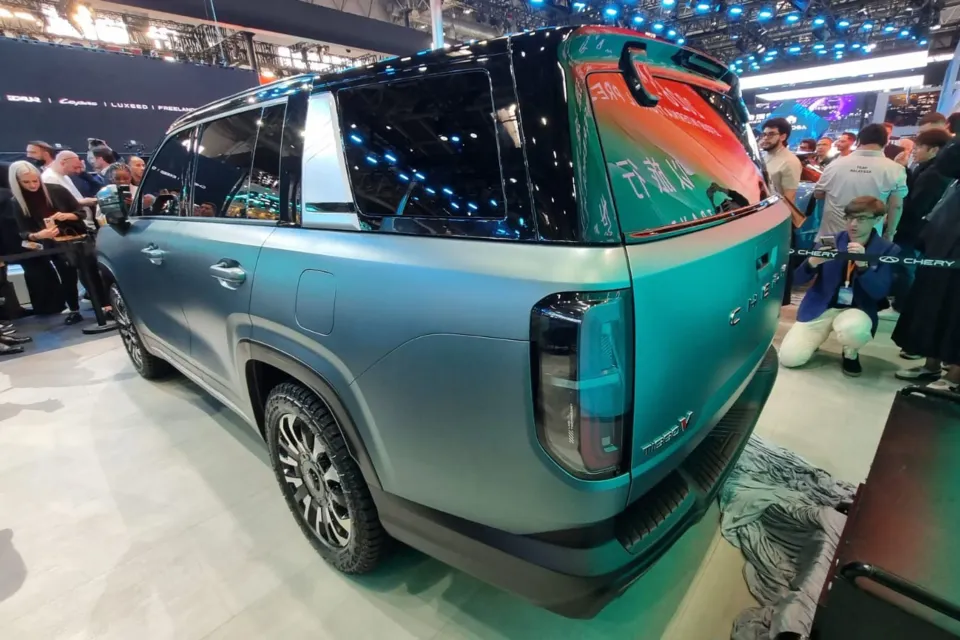
Inside, buyers will be able to choose between six- and seven-seat layouts, including a more premium 2+2+2 configuration with second-row captain’s chairs. The cabin follows Chery’s latest design language, with dual digital displays, physical shortcut controls, and a focus on family-friendly features.
These include a rear-mounted fridge, third-row air vents, and a 360-degree camera system with an ‘underfloor’ view to assist with low-speed manoeuvring.
Under the bonnet, Chery is expected to offer a mix of petrol and electrified powertrains. A plug-in hybrid system, likely based on the brand’s ‘Super Hybrid’ setup, pairs a 1.5-litre turbocharged petrol engine with electric motors and a battery capable of around 90–100km of electric-only driving.
Total system outputs are expected to range from approximately 160kW to as much as 260kW in higher-spec variants. A conventional 2.0-litre turbo petrol engine is also tipped for some markets.
Despite its road-focused underpinnings, the Tiggo V claims respectable off-road capability with 220mm of ground clearance and a wading depth of up to 700mm for hybrid variants. That places it closer to soft-roaders than hardcore off-roaders, but still capable enough for gravel tracks and light adventures.
Production is scheduled to begin in China later this year, though local availability for New Zealand remains unconfirmed. Chery’s local arm has previously indicated interest in the concept, particularly as a lifestyle-focused complement to its upcoming ladder-frame ute.
If it makes it to right-hand-drive markets, the Tiggo V could carve out a unique space in the new car market.
Where expert car reviews meet expert car buying – CarExpert gives you trusted advice, personalised service and real savings on your next new car.
Dave is a Kiwi motoring journalist with experience in motorcycle racing, new car sales, radio and communications.
Dave Kavermann
16 Hours Ago
Dave Kavermann
18 Hours Ago
Dave Kavermann
19 Hours Ago
Dave Kavermann
21 Hours Ago

Derek Fung
22 Hours Ago

Dave Kavermann
23 Hours Ago
Add CarExpert as a Preferred Source on Google so your search results prioritise writing by actual experts, not AI.