


 Showroom
 Car Chooser
 Compare
 Car Specifications

Dave Kavermann
Nissan Patrol V8 era ends in NZ as final Y62s arrive ahead of V6 Y63 launch
It's the end of the line for the V8-powered Patrol as the final NZ-new examples arrive in local dealerships.
6 Hours Ago
The message from the regulator to fuel companies is clear: if oil prices continue to fall, Kiwi motorists should see that benefit when they fill up.
Journalist
Journalist
The Commerce Commission has put fuel companies on notice, warning it expects recent falls in global oil prices to be reflected at New Zealand service stations in the coming weeks.
The regulator's intervention comes after a tentative peace agreement between the United States and Iran triggered a sharp decline in oil prices, raising hopes of relief for Kiwi motorists following months of rising fuel costs linked to tensions in the Middle East.
Commerce Commission commissioner Bryan Chapple said the watchdog is closely monitoring fuel pricing behaviour and expects any reductions in wholesale fuel costs to be passed through to consumers.
"We expect to see decreases in global costs passed through to prices at the pump in the same way the increases have been," Mr Chapple said.
"We just want to remind fuel companies that as we said when fuel prices were going up that we would be looking at things when they come down, and we're assuming that their costs of imported fuel will start declining, so we're monitoring that."
The Commission said it will continue weekly monitoring of fuel prices and has made its expectations clear to fuel retailers and importers.
"It’s been a difficult period for many consumers and businesses as we’ve felt the flow-on effects from the conflict in the Middle East. Now that we're seeing some stability in the region, we expect this will lead to lower imported fuel costs and we want to see that reflected in the prices consumers are paying."
The warning follows a sharp drop in Brent crude oil prices after news emerged of a US-Iran agreement aimed at restoring stability in the region and reopening key shipping routes.
According to Westpac chief economist Kelly Eckhold, current wholesale fuel prices suggest New Zealand motorists could begin seeing lower prices within weeks.
"I think if prices stick and nothing comes up in the next week or so to disturb what's happened today then we should be seeing prices down into that zone in a couple of weeks," Mr Eckhold told RNZ.
He estimated 91-octane petrol could fall towards $2.80 per litre in some parts of the country, down from the current national average of around $3.15 per litre.
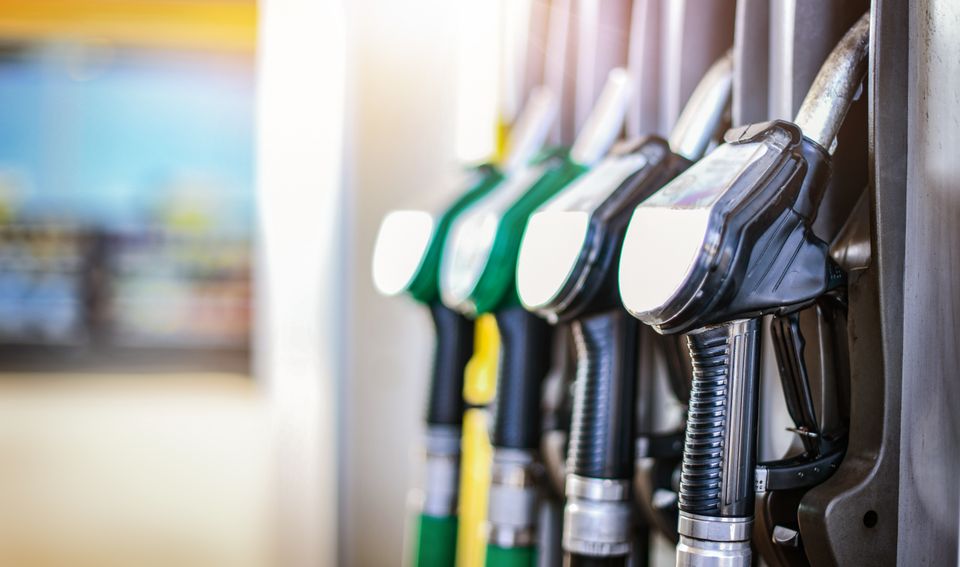
However, both industry experts and the Government have cautioned that lower oil prices won't immediately translate into cheaper fuel.
Prime Minister Christopher Luxon said there is likely to be a lag of three to four weeks before lower international oil prices are reflected at New Zealand pumps.
"There's production that needs to be turned on in the Middle East, there's storage and that needs to be delivered and managed and then obviously ships out into our refiners – so I think it will be some time," Mr Luxon said.
Despite the delay, the Prime Minister issued a clear message to fuel companies.
"We understand when prices go up, they need to raise them – but also when prices come down, they need to lower them too."
Finance Minister Nicola Willis echoed that sentiment, saying the Government expects any reduction in crude oil prices to eventually flow through to consumers.
"What we want to see is prices fall at the pump," Ms Willis said.
The Commerce Commission said its powers do not extend to setting fuel prices, but it can investigate potential breaches of the Fair Trading Act if it believes consumers are being misled.
Mr Chapple also warned businesses using fuel surcharges or fuel adjustment factors (FAFs) that these should fall alongside fuel costs.
"As fuel costs go down we expect any surcharge or fuel adjustment factor to reflect this reduction in cost," he said.
"While surcharges and FAFs may not immediately disappear, they can't be used as an excuse to recover unrelated expenses or to increase margins."
The Commission also dismissed concerns that the industry is currently engaging in so-called "rocket and feather" pricing, where fuel prices rise quickly but fall slowly.
Mr Chapple said the Commission had observed that behaviour in the past, but had not seen evidence of it occurring recently.
For now, the message from both the Government and the regulator is clear: if international oil prices continue to fall, motorists should eventually see the benefit when they fill up.
Dave is a Kiwi motoring journalist with experience in motorcycle racing, new car sales, radio and communications.
Dave Kavermann
6 Hours Ago

Dave Kavermann
7 Hours Ago

Dave Kavermann
9 Hours Ago


Derek Fung
10 Hours Ago

Dave Kavermann
11 Hours Ago

Dave Kavermann
2 Days Ago
Add CarExpert as a Preferred Source on Google so your search results prioritise writing by actual experts, not AI.