

 Showroom
 Car Chooser
 Compare
 Car Specifications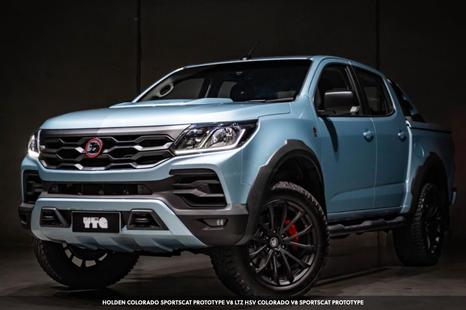

William Stopford
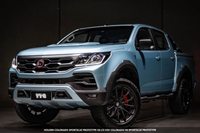
Would you pay $363k for "the real last HSV V8"?
HSV wanted to put a V8-powered Ranger Raptor rival into production but only ended up building one. Now you can buy it.
23 Hours Ago
New Zealand's market-leading automaker celebrates 60 years of operation. We look back at its history from humble beginnings, to local assembly lines.

Journalist
Journalist
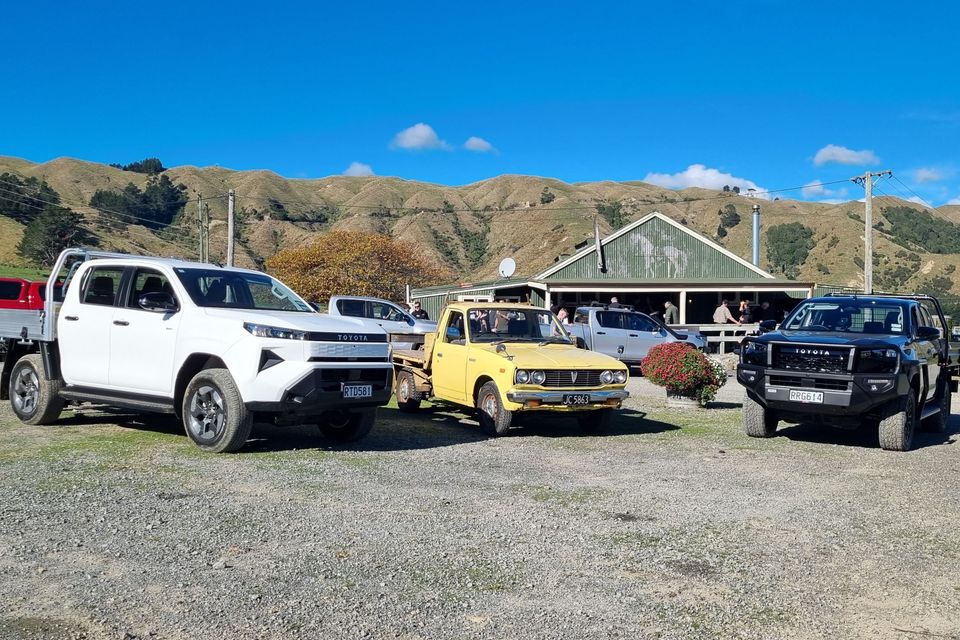
Toyota New Zealand is celebrating its 60th anniversary in 2026, marking six decades since the first locally assembled Toyota vehicles rolled off the production line in Christchurch.
The company says the milestone reflects not only its longevity in the local market, but also its role in helping shape New Zealand’s transport landscape since 1966.
According to Toyota, one in four vehicles currently on New Zealand roads wears its badge, with the brand remaining the country's top-selling new vehicle marque for 38 consecutive years through 2025.
Iconic Toyota models like the Corolla, Hilux and RAV4 have constantly featured at the top of local sales charts throughout the automaker's local history.
The Hilux was famously New Zealand's best-selling ute for 32 consecutive years before being dethroned by the Ford Ranger. After securing the top spot for light commercial vehicles in 1982, the iconic truck held the undisputed market lead until 2014.
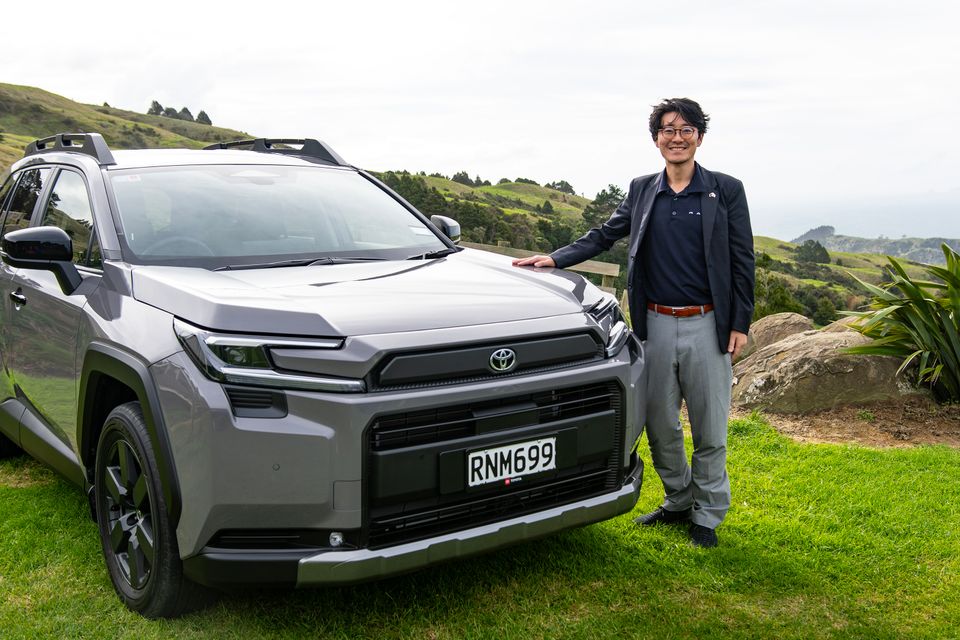
Last year, the RAV4 managed to regain the title for Toyota, overtaking the Ford Ranger to become the best selling model in New Zealand.
Toyota New Zealand chief executive Tatsuya Ishikawa said the anniversary was an opportunity to recognise the customers and communities that have supported the brand over the past six decades.
“Our place in New Zealand has been shaped over time by listening to customers, understanding how they live and work, and earning their trust through our products and the service we deliver,” said Mr Ishikawa.
“We're grateful for that trust and it’s not something we take for granted.”
Toyota’s New Zealand story began with local assembly of the Toyota Corona at a Christchurch plant in 1966. The arrival of the Corolla shortly afterwards helped establish the Japanese brand as a mainstream choice for Kiwi motorists.
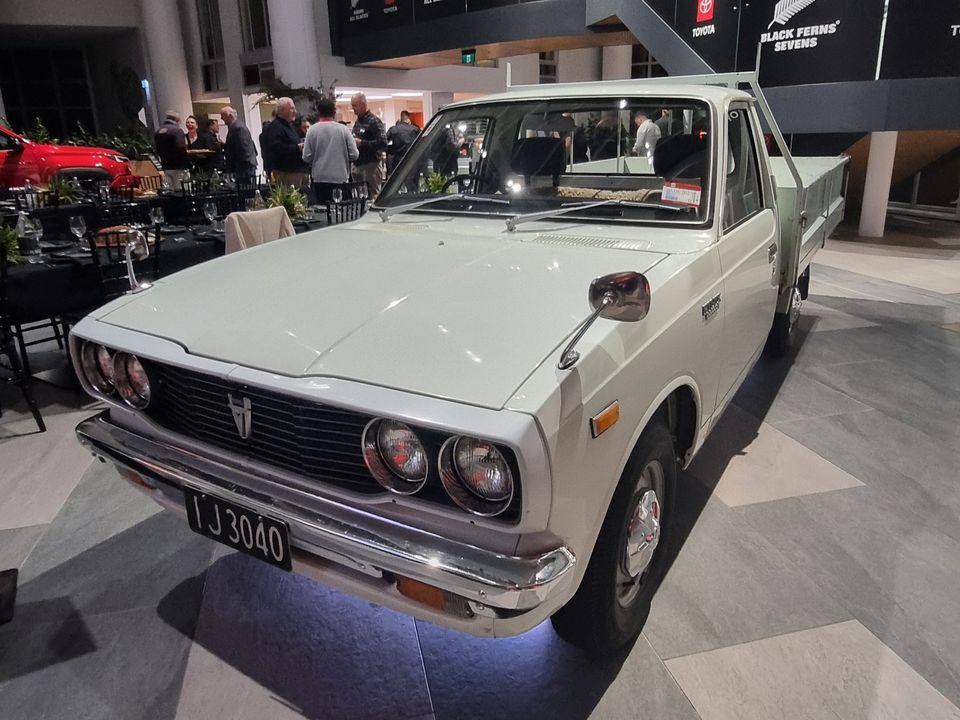
Over the following decades, models such as the Toyota Hilux, Toyota Hiace, and Toyota LandCruiser became fixtures across the country's farming, construction, forestry, and commercial sectors.
Toyota says its focus on durability and nationwide support has helped build long-term customer loyalty, particularly in rural communities where reliability is often a critical purchasing factor.
Today, the company operates more than 60 Toyota Stores nationwide, supported by its National Customer Centre in Palmerston North and vehicle refurbishment facility in Thames.
Mr Ishikawa said consistency had been one of the key pillars of Toyota's success in New Zealand.
“Customers know we'll continue to support them wherever they are in the country, in ways that genuinely work for them. That has always mattered to New Zealanders and it's something we will continue doing for the next 60 years and beyond.”
The anniversary comes as Toyota continues to expand its range of powertrain options, offering petrol, diesel, hybrid, plug-in hybrid, battery-electric, and hydrogen fuel-cell technologies globally.
Locally, the brand has played a significant role in driving hybrid adoption, with electrified vehicles now accounting for the majority of Toyota passenger vehicle sales in New Zealand.
This year alone, Toyota has launched a new-generation Hilux ute, a full-electric Hilux, new generation of the best-selling RAV4 and updated bZ4X EV range, including a new touring station wagon model.
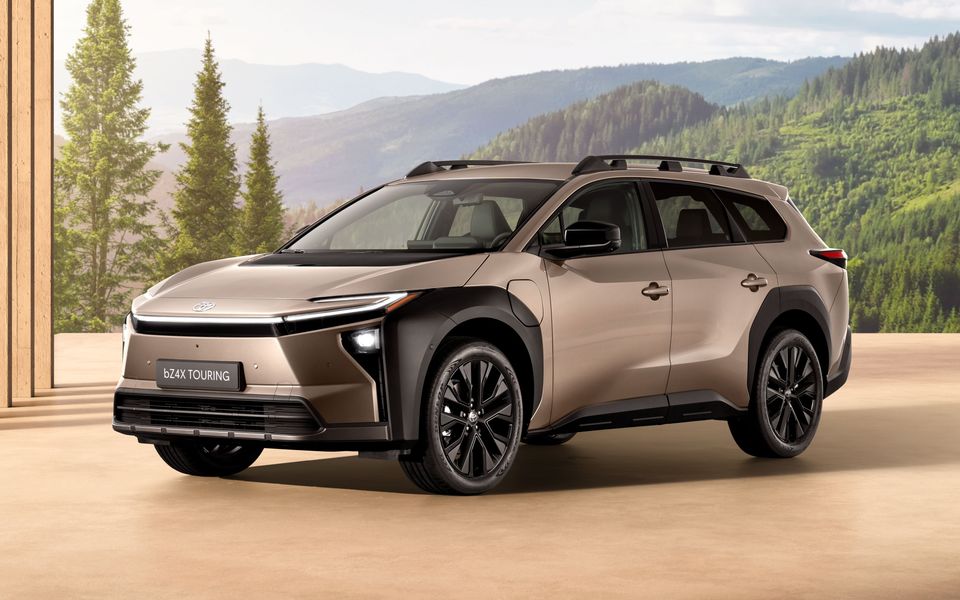
Beyond vehicle sales, Toyota has maintained long-standing partnerships with a range of New Zealand organisations, including Emirates Team New Zealand, New Zealand Rugby, the New Zealand Olympic Committee, and Paralymics New Zealand.
The company was also recently named New Zealand's most trusted brand in Kantar's Corporate Reputation Index for the third consecutive year.
Looking ahead, Toyota says it remains committed to investing in products, services, and mobility solutions tailored to New Zealand conditions and customer needs.
“Our success here has only been possible because New Zealanders chose Toyota, trusted our people and made us part of their lives,” said Mr Ishikawa.
“This anniversary is an opportunity for us to return the favour and say, ‘Thank you, New Zealand’.”
The story of Toyota New Zealand began in January 1966 when the Japanese automaker formed a partnership with local distributor Consolidated Motor Distributors, paving the way for local assembly and nationwide sales operations.
Key milestones over the past six decades include:
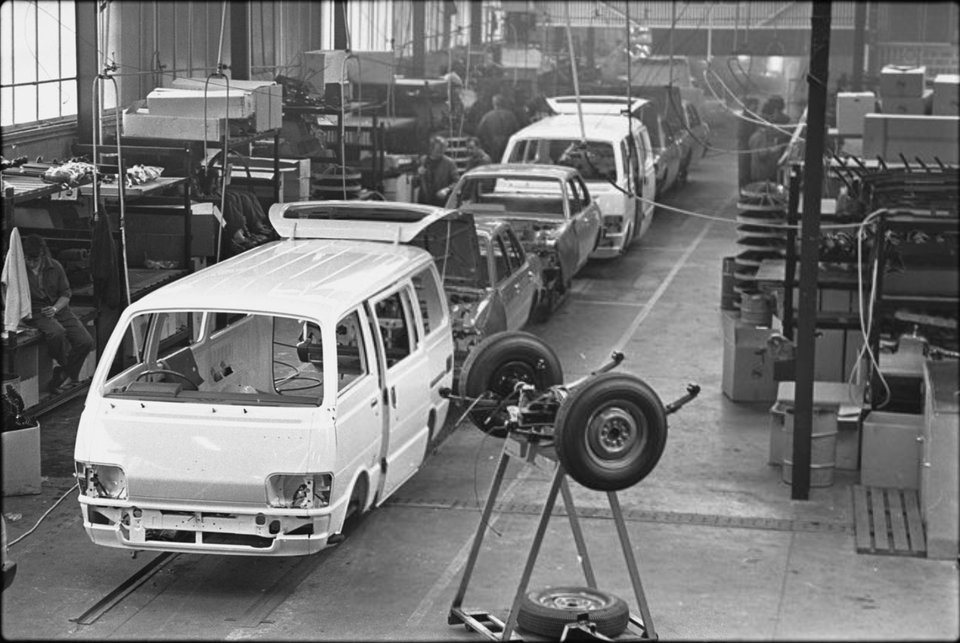
Long before imported vehicles became the norm, many of New Zealand's most popular Toyotas were assembled locally.
The first New Zealand-assembled Toyota was a Corona built at Steel Motor Assemblies' Christchurch facility in February 1967. Corolla production followed at Campbell Industries' Thames plant in April 1968.
Over the following three decades, New Zealand assembly plants produced a wide range of Toyota models from completely knocked down (CKD) kits imported from Japan. These included the Corolla, Corona, Crown, Cressida, Hilux, HiAce, LiteAce, Starlet, and Land Cruiser. Many also incorporated locally sourced components such as tyres, seats, trim, glass, and audio systems.
Toyota's local manufacturing operations became some of the country's most respected, culminating in the company winning the New Zealand Quality Award in 1993.
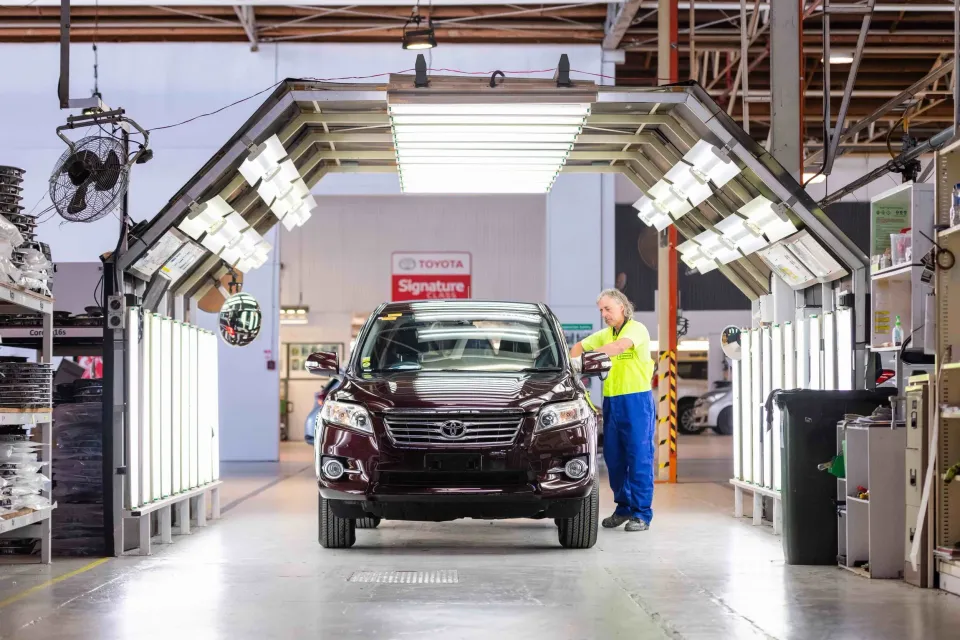
However, the era of New Zealand vehicle assembly came to an end during the 1990s as import tariffs were progressively removed. Toyota closed its Christchurch plant in September 1996 and its Thames assembly line in October 1998, joining other manufacturers that shifted to importing fully built vehicles.
The Thames site remains part of Toyota's operations today, serving as a vehicle refurbishment and preparation centre for used and ex-lease vehicles sold through the company's Signature Class programme.
Dave is a Kiwi motoring journalist with experience in motorcycle racing, new car sales, radio and communications.
William Stopford
23 Hours Ago
Dave Kavermann
24 Hours Ago

Damion Smy
1 Day Ago
Dave Kavermann
2 Days Ago
Dave Kavermann
2 Days Ago
Dave Kavermann
2 Days Ago
Add CarExpert as a Preferred Source on Google so your search results prioritise writing by actual experts, not AI.