

 Showroom
 Car Chooser
 Compare
 Car Specifications


Dave Kavermann
GWM to triple EV lineup with Ora 5 Touring and Jolion Max SUV
GWM's EV lineup in New Zealand is set to grow from one to three models, including a new station wagon and SUV.
2 Days Ago
Budget 2026 offers Kiwi motorists no immediate relief from fuel prices, but the Government’s planned fuel tax hike looks to be scraped.
Journalist
Journalist
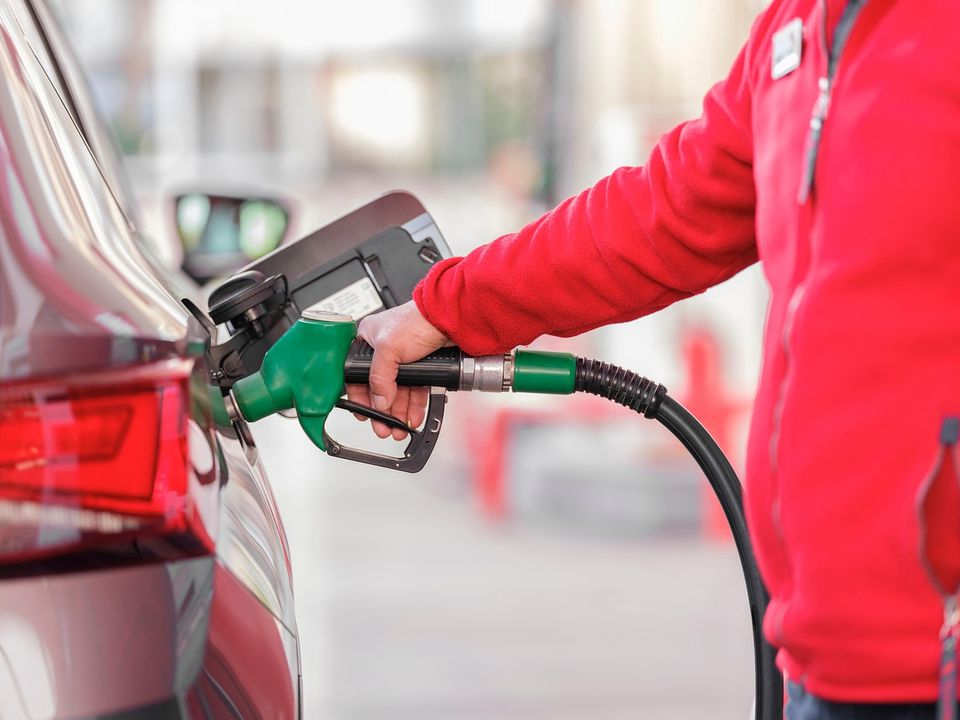
Finance Minister Nicola Willis has delivered a Budget offering Kiwi motorists little immediate relief from soaring fuel prices, while signalling the Government’s planned 12c-per-litre fuel tax hike is unlikely to go ahead if prices remain high.
Presenting Budget 2026 on Thursday, Willis ruled out short-term fuel tax cuts or broad cost-of-living handouts.
“Sugar hits don’t work,” she said. “They only make it more painful in the long run.”
That means no reduction in fuel excise duty, no petrol rebates, and no direct payments tied to rising pump prices. Instead, the Government says it’s keeping money in reserve in case the Middle East conflict pushes fuel costs even higher.
A $450 million contingency fund has been set aside for temporary fuel-related support if needed.
“The situation in the Middle East remains uncertain, so it is prudent to be ready should fuel prices rise further and add more pressure to households and businesses,” Willis said.
The biggest takeaway for motorists wasn’t buried in the Budget papers, but in Willis’ comments ahead of the release.
If fuel prices stay near current levels into January 2027, the Government will not proceed with its planned 12c-per-litre fuel excise increase.
The increase was originally scheduled as part of a wider programme of annual hikes to help fund road maintenance and new infrastructure through the National Land Transport Fund. A further 6c-per-litre increase had also been planned for 2028.
While the wider programme hasn’t officially been scrapped, the January increase now appears effectively shelved.
“Since the outset of the conflict, our approach has been to stay ahead of risks to New Zealand’s fuel supply, keep the economy moving, and support those most affected by higher fuel prices with temporary, targeted and timely measures,” Willis said.

There’s no direct relief at the bowser, but several Budget measures could indirectly ease pressure on motorists and transport operators.
The Government has committed $150 million towards strategic fuel reserves to strengthen supply security, while also increasing mileage reimbursement rates for health-related travel and support workers. Public transport agencies will also receive additional funding to help offset rising fuel costs and maintain services.
The Budget also includes a temporary $50-per-week boost to the in-work tax credit for eligible families. First announced in March, the measure could cost up to $373 million if it remains in place for a full year.
Willis said the support was deliberately targeted to avoid making inflation worse.
“This temporary boost will deliver support to working families who are under significant cost-of-living pressure, without making inflation worse or further driving up Government debt,” she said.
While motorists miss out on direct fuel relief, infrastructure spending remains a major focus.
The single biggest transport project in the Budget is a $1.773 billion extension of the Waikato Expressway from Cambridge to Piarere — a key freight and commuter corridor linking Auckland, Waikato, and the Bay of Plenty.
Transport Minister Chris Bishop described the stretch of State Highway 1 as “a critical freight and economic link”.
The Government has also allocated $400 million for state highway resilience upgrades designed to keep key routes open during severe weather events.
Rail infrastructure is another major winner, with more than $1 billion committed to KiwiRail upgrades between 2027 and 2030, alongside $107 million for metropolitan rail renewals in Auckland and Wellington.
Treasury forecasts fuel prices will account for around one percentage point of the inflation spike expected in the June quarter, though officials expect oil prices to ease once global tensions stabilise.
Willis acknowledged those forecasts could change.
“Numbers can always change,” she said.
For now, the Government is sticking to a cautious approach — even as Kiwi motorists continue paying record prices at the pump.
MORE: Budget 2026: What it means for Kiwi drivers - and where the money’s going
Dave is a Kiwi motoring journalist with experience in motorcycle racing, new car sales, radio and communications.
Dave Kavermann
2 Days Ago


Matthew Hansen
2 Days Ago

Matthew Hansen
2 Days Ago

CarExpert
2 Days Ago

Matthew Hansen
2 Days Ago

Matthew Hansen
2 Days Ago
Add CarExpert as a Preferred Source on Google so your search results prioritise writing by actual experts, not AI.