

 Showroom
 Car Chooser
 Compare
 Car Specifications

William Stopford
Denza's first sports car nears launch as 1180kW tri-motor EV appears in government filings
Denza is close to launching its new Z sports coupe and convertible range, with a potent tri-motor electric powertrain.
1 Hour Ago
Labour have announced their first transport policy, which it says will increase public transport use and reduce congestion for motorists.

Journalist
Journalist
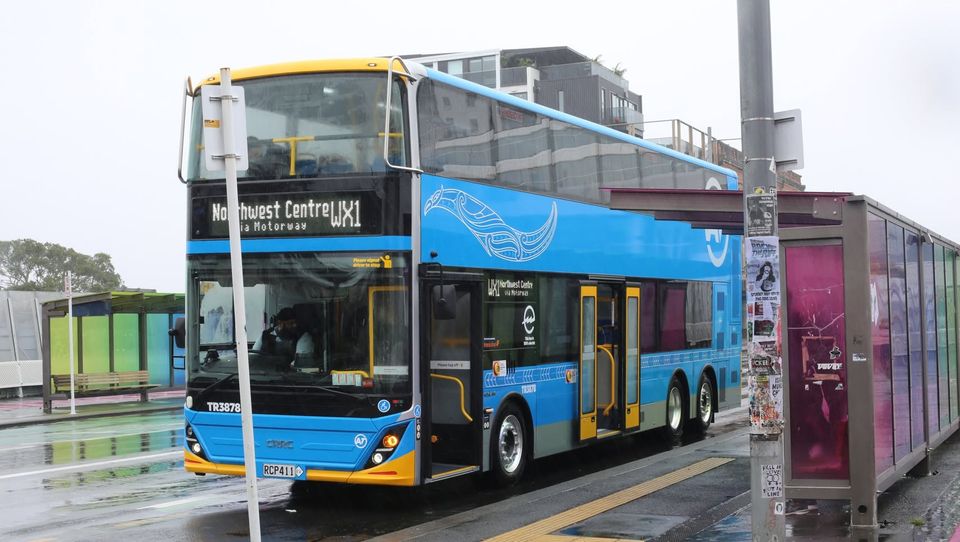
Labour has unveiled its first major transport policy ahead of the November election, promising to cap weekly public transport fares at $20 in Auckland, Wellington and Christchurch, and $10 everywhere else in New Zealand.
If elected, the policy would come into effect from July 1, 2027 and apply to local buses, trains and some ferries. Once commuters reach the weekly cap, all additional trips for the remainder of that week would be free.
The proposal doesn't cover interregional rail services such as Te Huia and the Capital Connection, commercial operators including InterCity, Auckland's Waiheke ferry service, or cash-only bus networks operating in some regions.
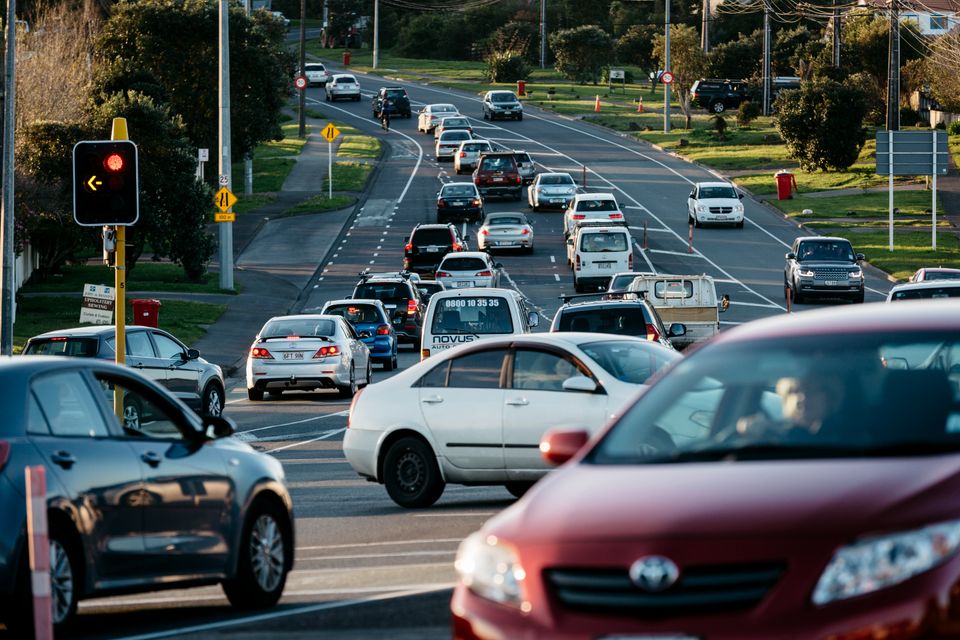
While Labour is pitching the policy primarily as cost-of-living relief, it could also have implications for motorists by encouraging more people to leave their cars at home.
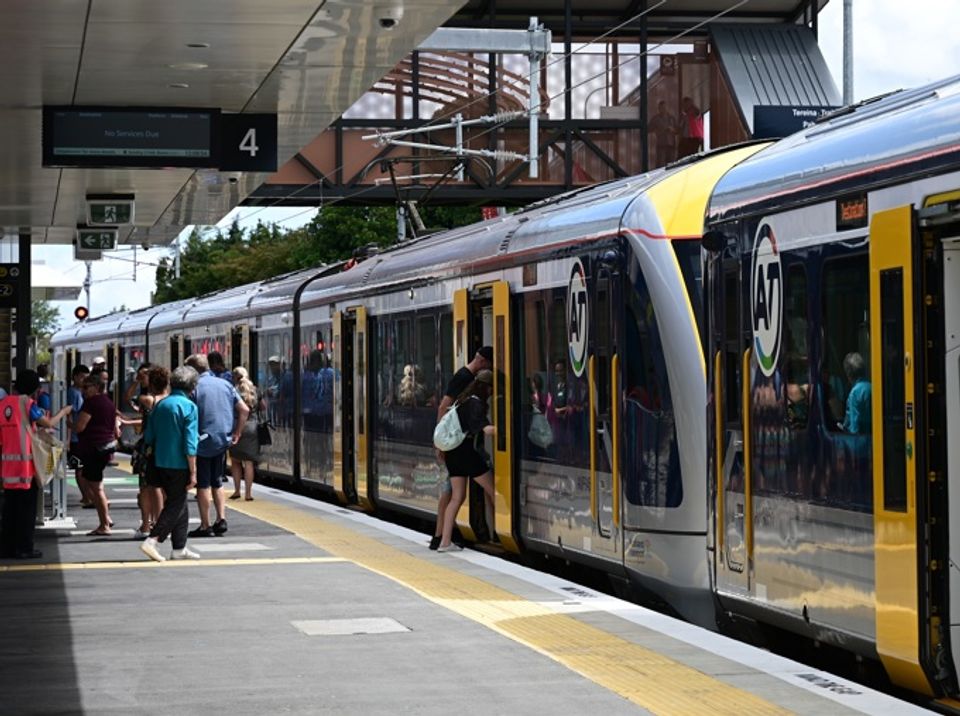
Labour transport spokesperson Tangi Utikere said cheaper public transport would help reduce pressure on roads in major centres.
"We want people catching buses, trains and ferries more often because that means lower household transport costs, less congestion on our roads and stronger public transport networks," said Mr Utikere.
The party says the policy would cost approximately $65 million annually, which it claims is less than one per cent of the National Land Transport Fund.
According to Labour, modelling based on Auckland's network suggests reducing the city's effective weekly fare cap from the current $50 to $20 could increase patronage by around six per cent, equating to an additional five million annual boardings.
That increase in public transport use could help offset congestion growth in Auckland, where traffic delays continue to be a major frustration and for commuters and businesses alike.
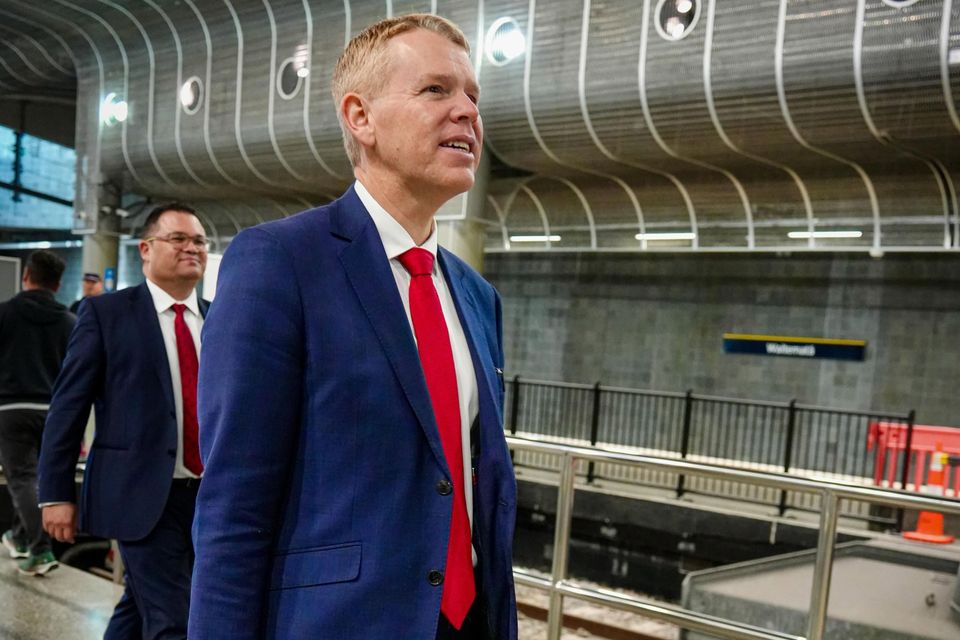
Labour leader Chris Hipkins said the policy was designed to make transport more affordable for households facing ongoing cost-of-living pressures.
"Our fare cap is a major cost-of-living commitment designed to put money back into the pockets of commuters, students and families," said Mr Hipkins.
"New Zealanders will be able to use public transport as much as they want all week for only $20 in our major cities and just $10 everywhere else – keeping more money in their back pockets."
The party claims the average user could save about $25 per week, or approximately $1200 per year.
National has already criticised the proposal, with campaign chairperson Simeon Brown describing it as another spending promise without a clear funding plan.
"Labour is once again trying to bribe New Zealanders with their own money," said Mr Brown.
He argued the National Land Transport Fund is already under pressure and said diverting money to subsidise fares could ultimately require additional taxes or borrowing.
Reaction from Stuff readers has been mixed, though many supported the proposal on both cost-of-living and congestion grounds.
One reader, SiWil, wrote: "This will assist so many families in the larger cities... And it'll reduce the congestion on the roads if more people use PT."
Another commenter, another2cents, said the lower cap could encourage more Aucklanders out of their cars and help maximise the value of the City Rail Link once it opens.
Others argued subsidised public transport benefits all road users.
"It's in the name, public transport," wrote kathiej. "Even if you don't use it yourself, effectively some of your taxes are benefitting you with less traffic on the roads."
Not everyone agreed. Several readers questioned why taxpayers should subsidise fares, while others pointed out many regional communities have limited or no public transport services to take advantage of the scheme.
Reader Sulla's dream argued improving service availability should be a higher priority, saying public transport in some regions remains "extremely limited and not fit for purpose".
Whether Labour's proposed fare cap proves popular with voters may ultimately depend on whether they view it as a meaningful cost-of-living measure, a congestion-busting transport policy, or simply another election-year spending promise.
Dave is a Kiwi motoring journalist with experience in motorcycle racing, new car sales, radio and communications.
William Stopford
1 Hour Ago


Paul Maric
1 Hour Ago

Matthew Hansen
21 Hours Ago

Dave Kavermann
1 Day Ago
Dave Kavermann
1 Day Ago


Damion Smy
1 Day Ago
Add CarExpert as a Preferred Source on Google so your search results prioritise writing by actual experts, not AI.