

 Showroom
 Car Chooser
 Compare
 Car Specifications

Matthew Hansen
2026 Hyundai Palisade review
Hyundai's gigantic three-row family wagon is a big hybrid softy at heart.
4 Minutes Ago
Hyundai's gigantic three-row family wagon is a big hybrid softy at heart.
Where expert car reviews meet expert car buying – CarExpert gives you trusted advice, personalised service and real savings on your next new car.
In recent years we’ve seen the arrival of full-size American pick-ups enter the New Zealand market as an intriguing alternative to the swathe of standard dual-cab pick-ups that rule the market. Which raises the question, what about full-size American SUVs?
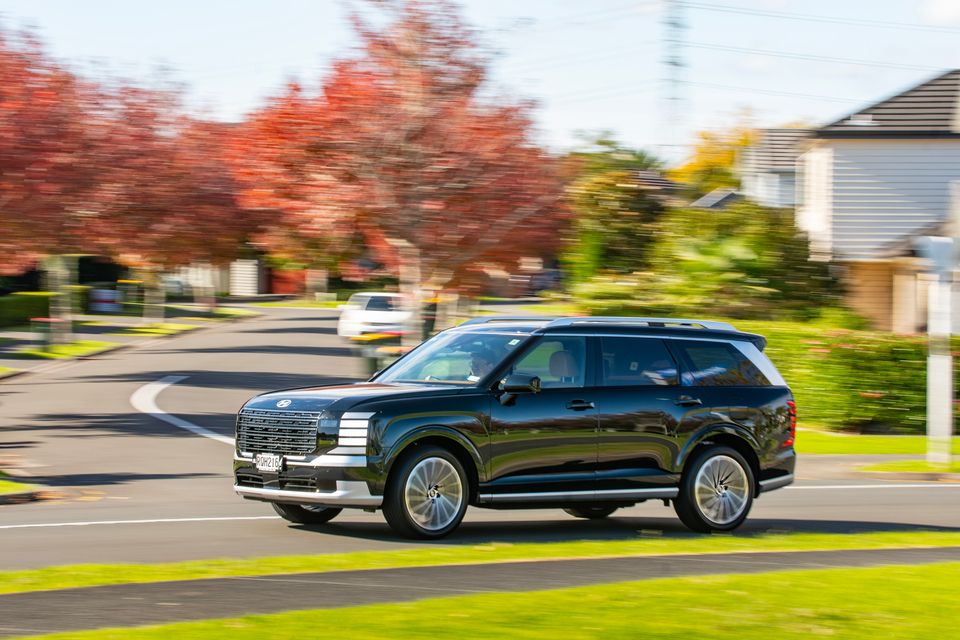
There are a few that have landed in New Zealand, and one of the first to hit here — the made-for-the-USA Hyundai Palisade — has just had its first big update.
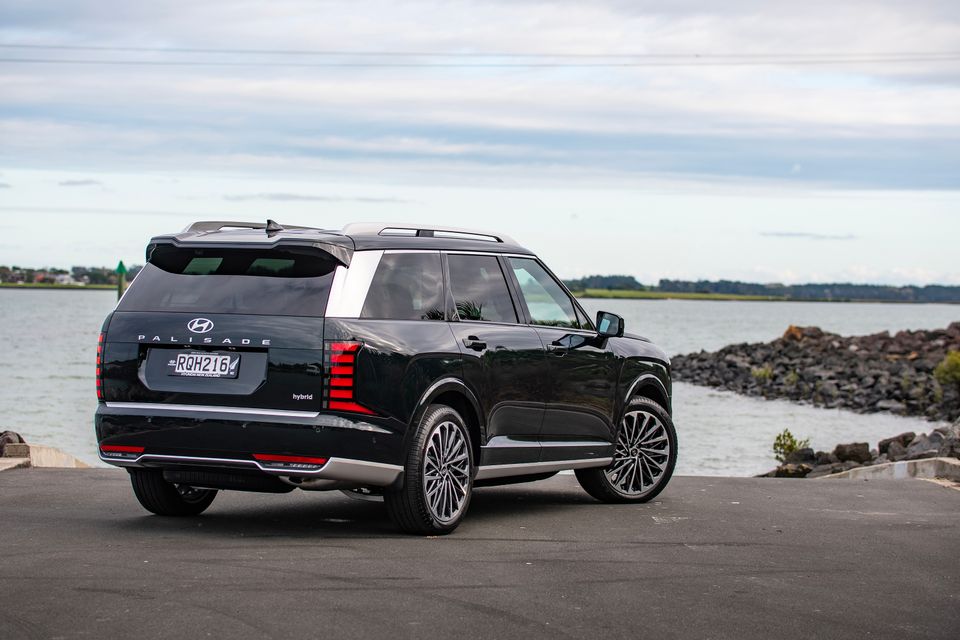
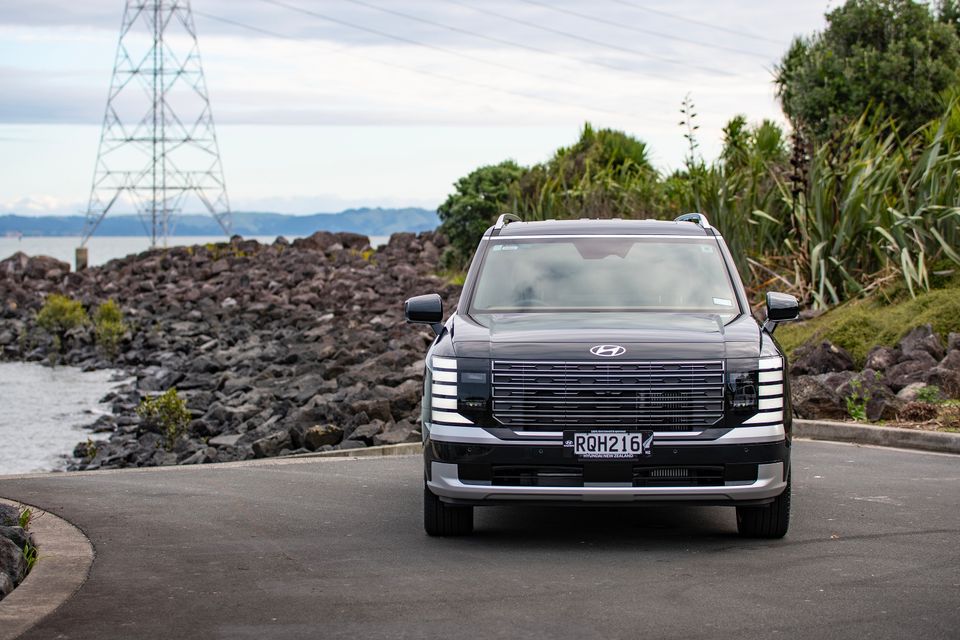
And, I do mean a big update. New platform, new powertrain, somehow even larger dimensions, and radically different styling see an already pretty unique three-row SUV stand out even more from the pack.
At 5065mm long and 1980mm wide, it’s 85mm longer and 5mm wider than the old one. The majority of that added length sits between the Palisade’s wheels, helping enable a much more open cabin. The old 2.2-litre diesel has thankfully been swapped out, too, replaced by a more polished and efficient 2.5-litre hybrid.
All of this leads to a Palisade that’s much more refined and luxurious than its predecessor. Which is just as well, because it isn’t exactly cheap.
Hyundai’s largest SUV has always had a considerable, six-figure price in New Zealand. But, the $10,000 hike in RSP still stings. As usual, Hyundai only offers the model in a single well-appointed spec; the Calligraphy. And it’s priced from $129,990.
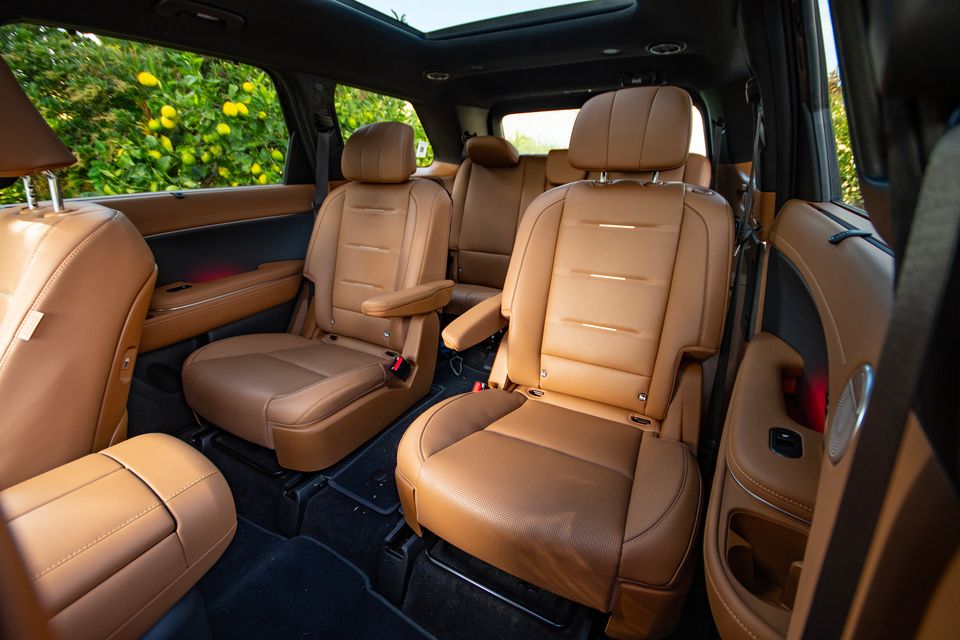
There is one option, and that’s to swap out the middle-row bench seat for a pair of electric ‘relaxation’ captain’s chairs. This reduces overall seating count from eight to seven, in exchange for a more plush and pampered second-row experience. It also removes one of the Palisade’s most unique feature. Precious few rivals offer eight seats.
Model | Price not including on-road costs |
|---|---|
Hyundai Palisade 2.5-litre Hybrid Calligraphy AWD 8-seater | $129,990 |
Hyundai Palisade 2.5-litre Hybrid Calligraphy AWD 7-seater | $130,990 |
It’s big, it’s loaded with kit, and its fresh styling is more befitting of its price than it used to be. But it’s still a tall order rationalising the Palisade’s steep asking price. Particularly when you realise that the same spec Palisade is offered across the ditch for considerably less — AU$89,990.
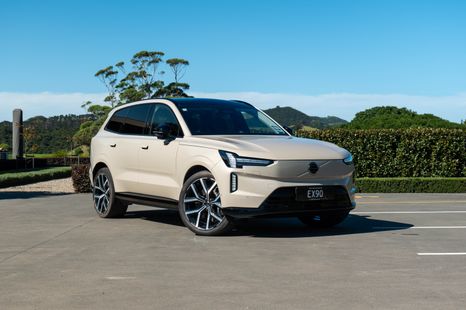
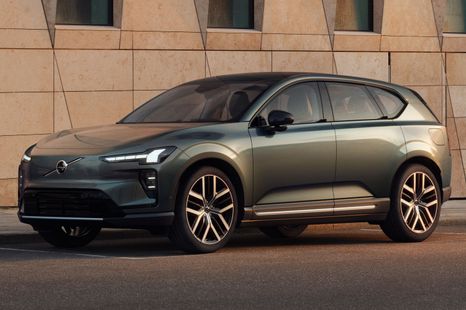
The Palisade’s most direct rival, the slightly larger Mazda CX-90, is quite a bit cheaper at $92,990 in Takami hybrid trim. There’s also the $112,990 Volvo XC90 mild hybrid that plays in the same elevated, premium sandpit.
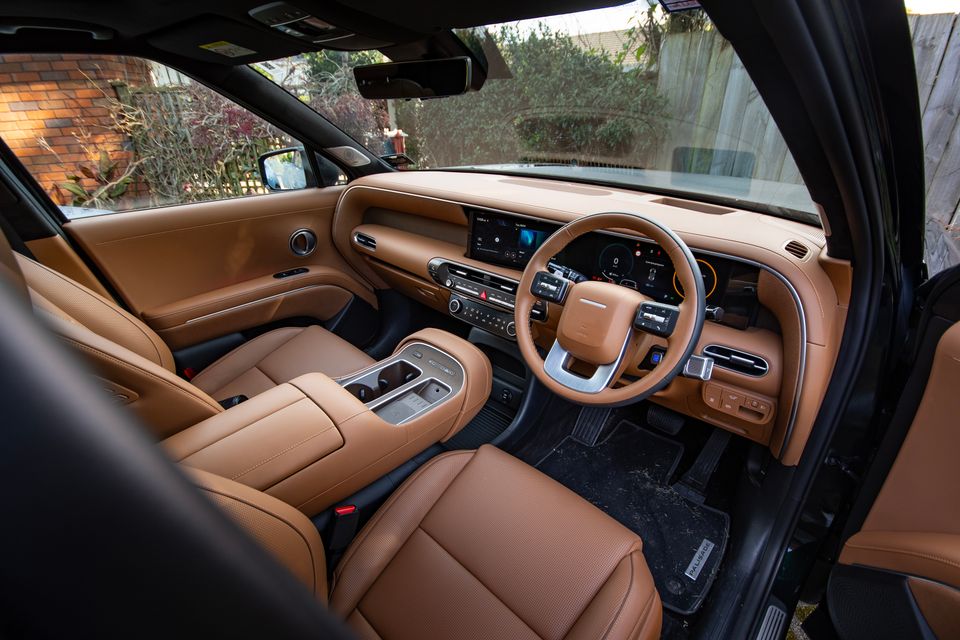
The old Palisade was perfectly pleasant inside, but it was hard to get away from the feeling that you were just driving a slightly larger, quite a bit more expensive Santa Fe. It didn’t really feel like a six-figure car, nor did it feel all that current.
That’s not at all the case with the new one.
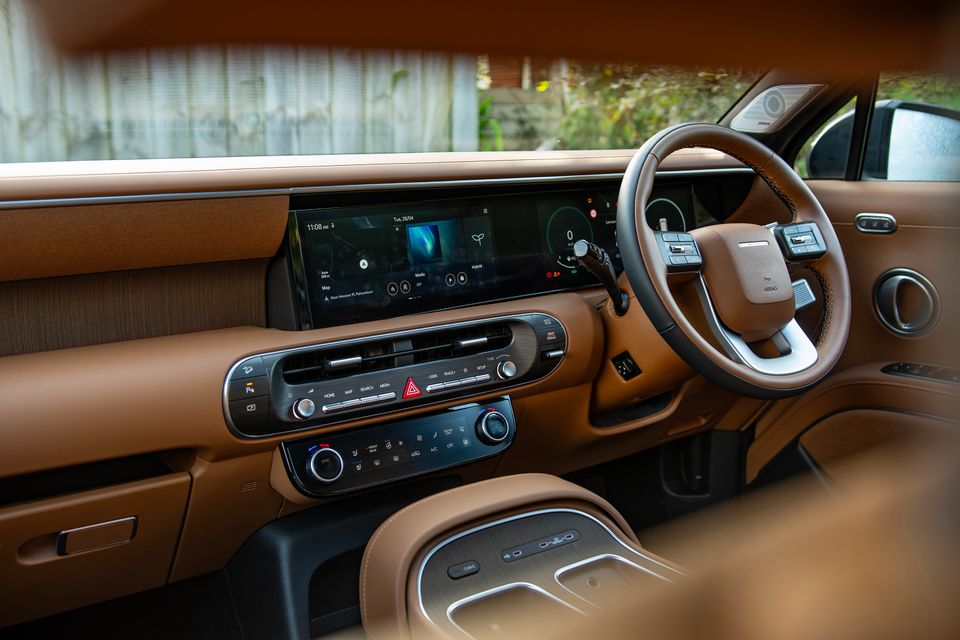
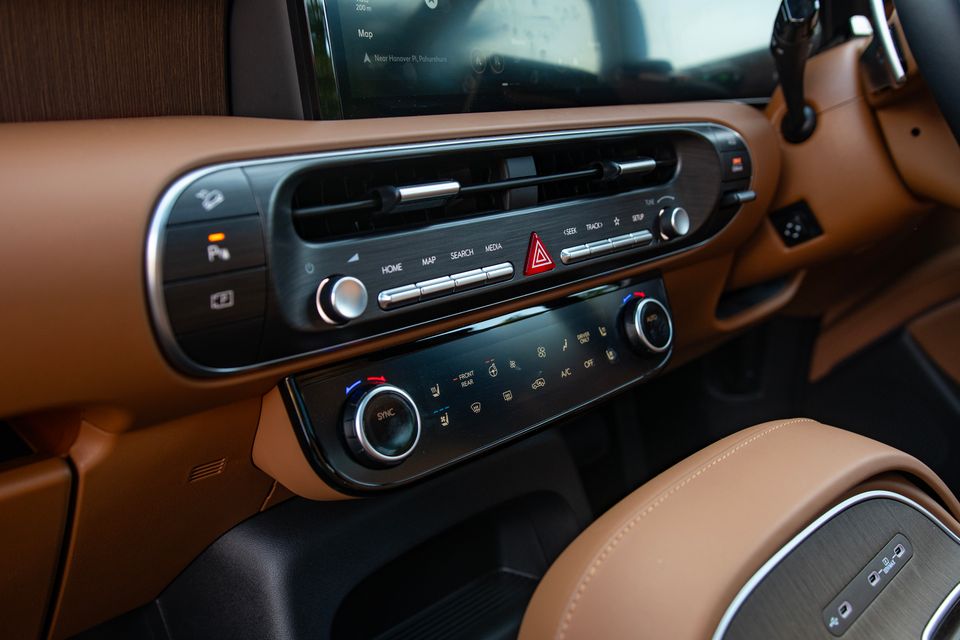
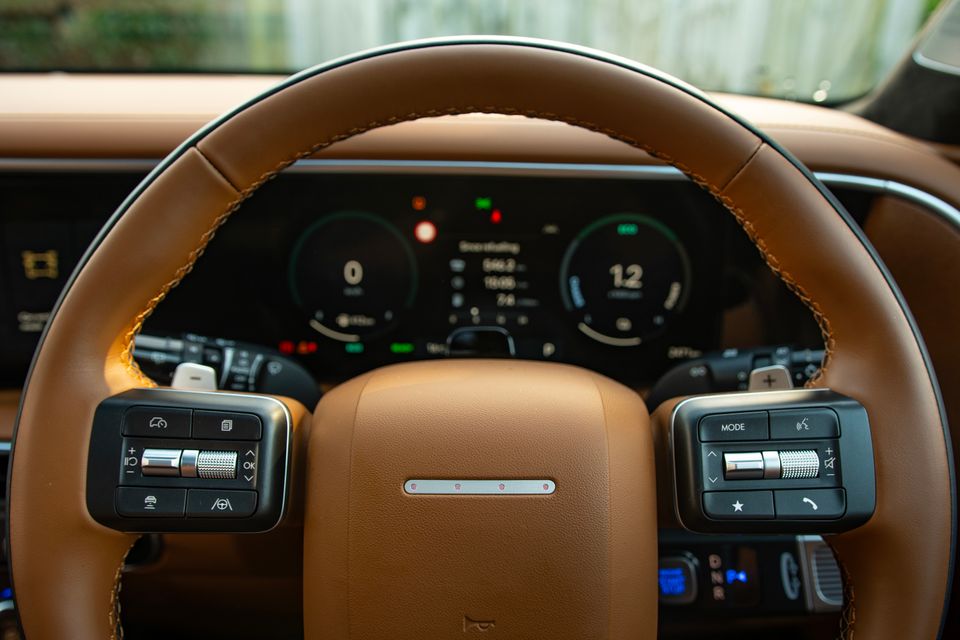
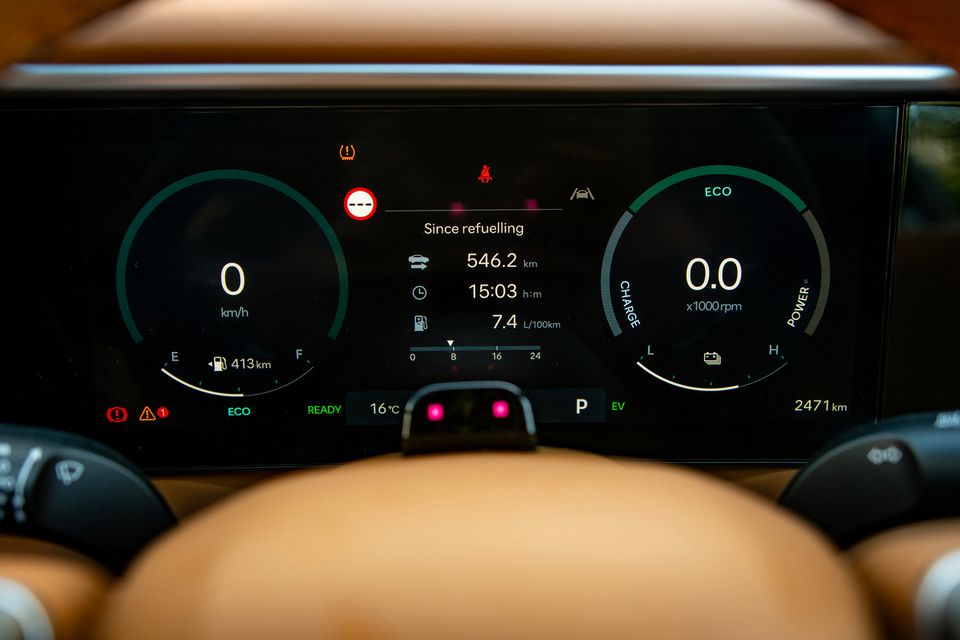
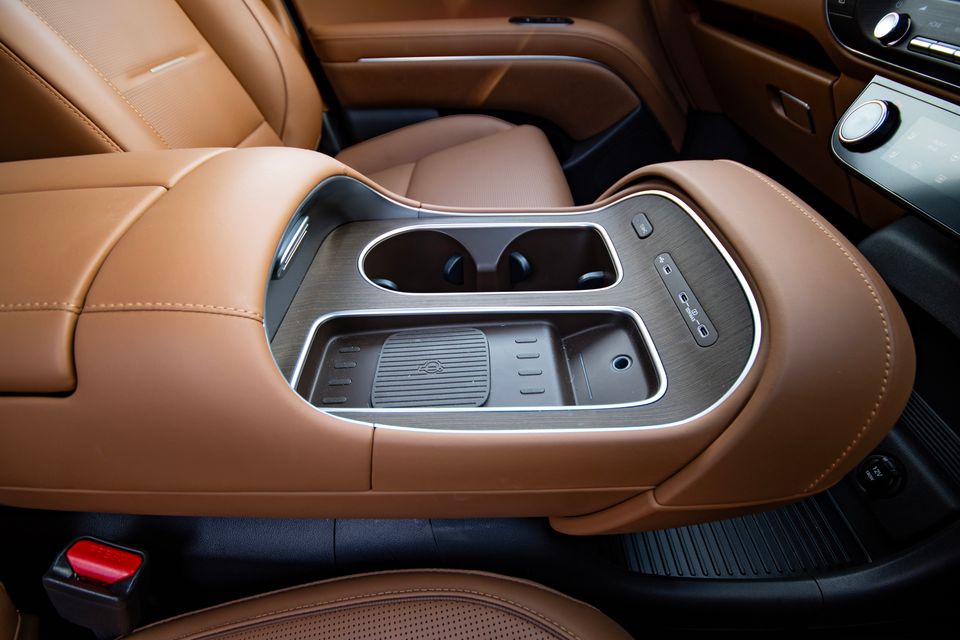
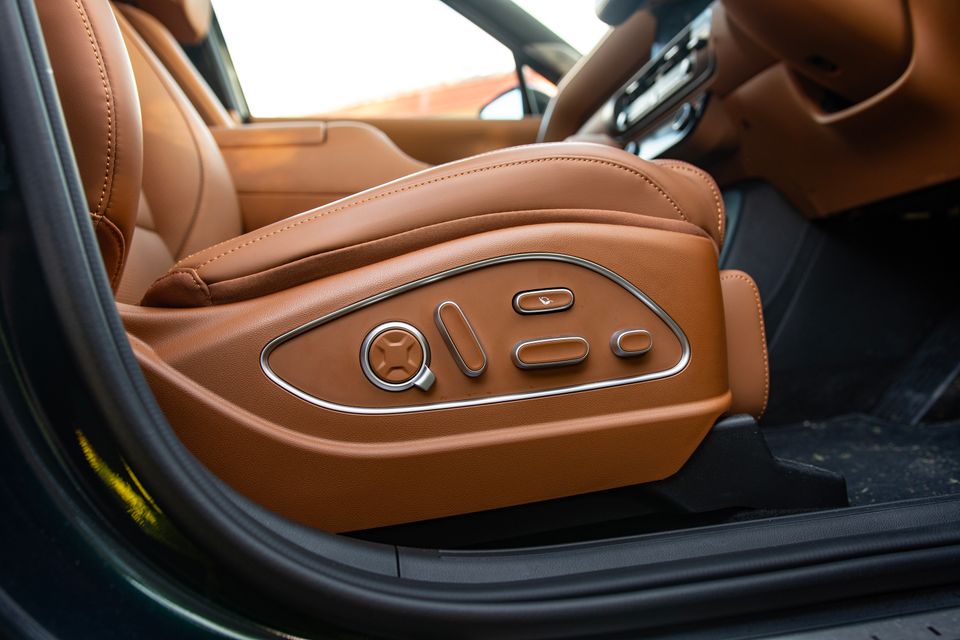
Even relative to the new Santa Fe, which had its own significant interior glow up a few years ago, the Palisade looks and feels considerably more executive inside. There’s something about the way the elongated, upright dashboard wraps around the instrumentation that gives off a premium feel. The tan Nappa leather upholstery is inevitably also a winner, although Hyundai also offers plain black leather too, for all you bores.
We don’t get Hyundai’s luxury arm Genesis in New Zealand, save for a handful of units from the brand’s brief time on the market and a smaller handful of orphan evaluation examples. But, I presume the Palisade is of comparable build quality and finish inside. The execution is very impressive, and a true step up on its predecessor.
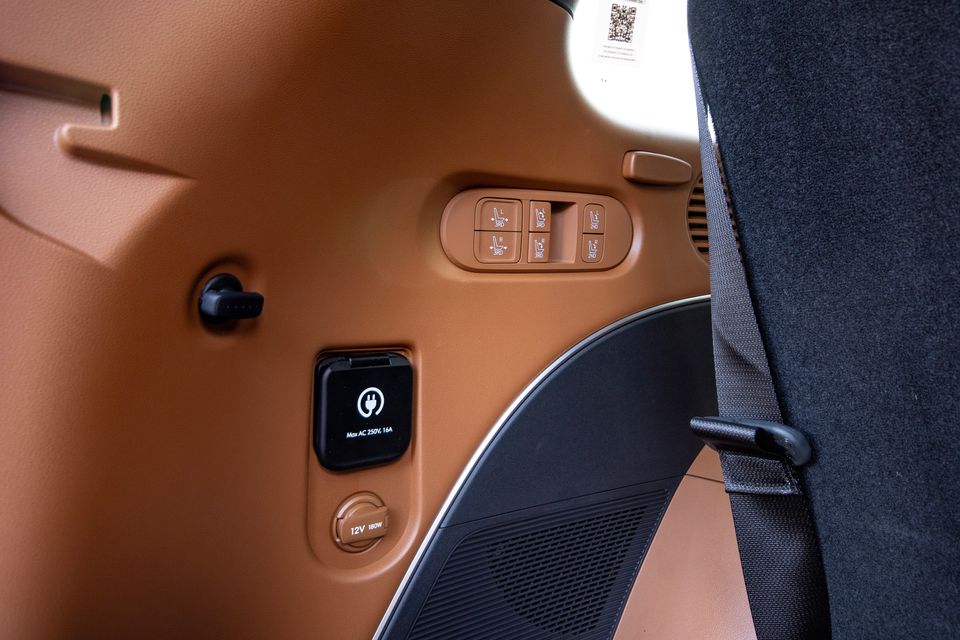
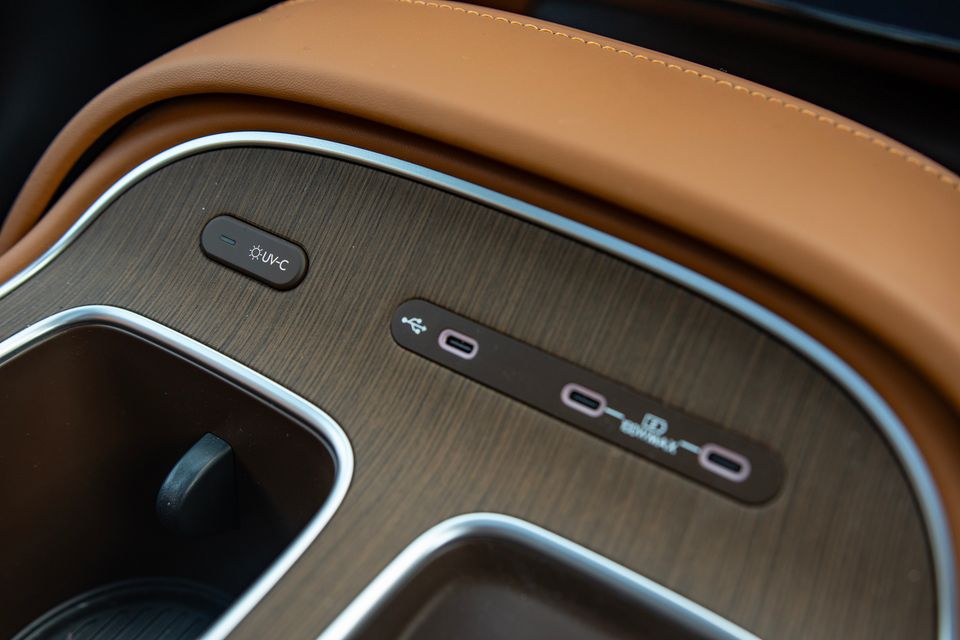
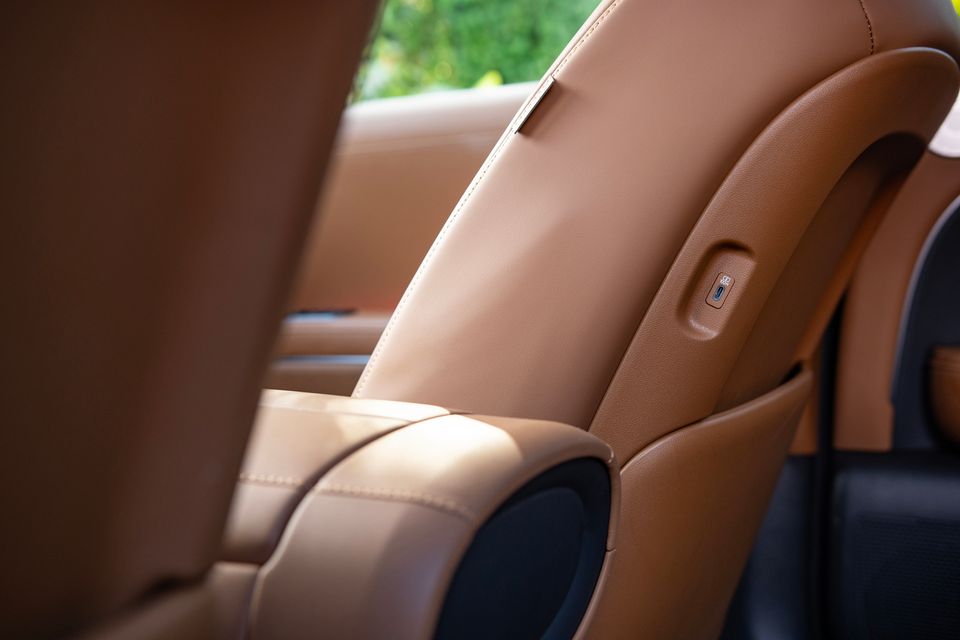
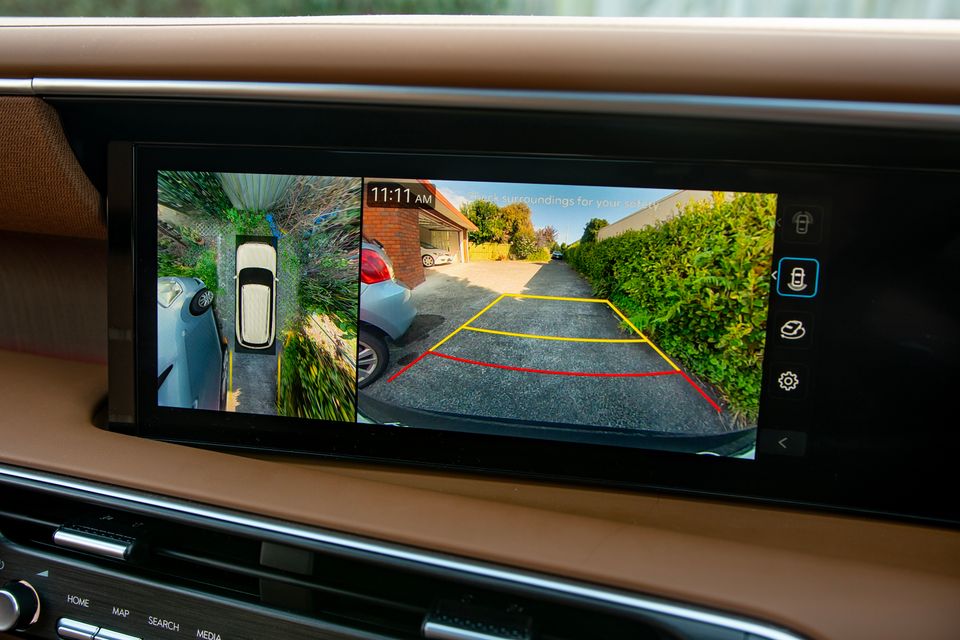
From a technology standpoint, the Palisade doesn’t reinvent the wheel. But, what’s here works quite well. The wireless phone mirroring is seamless, the reverse and 360-degree cameras are crisp and vibrant, the amount of USB-C outlets is gratuitous (there’s six of them, two for each row), and it features the best Bose sound system I’ve heard in a car yet.
The Palisade has two tech quirks. There’s a UV sanitisation cubby in the centre console that blasts UV-C light on whatever you’ve popped in (be it a phone or maybe some kids toys) to kill whatever germs might be present. A feature I expect more people to take interest in is the Palisade’s vehicle-to-load (V2L) functionality — a feature typically exclusive to PHEVs and BEVs. The 3.6kW socket inside the boot is handy for plugging in whatever appliance you might want to take next time you’re heading camping or to the beach.
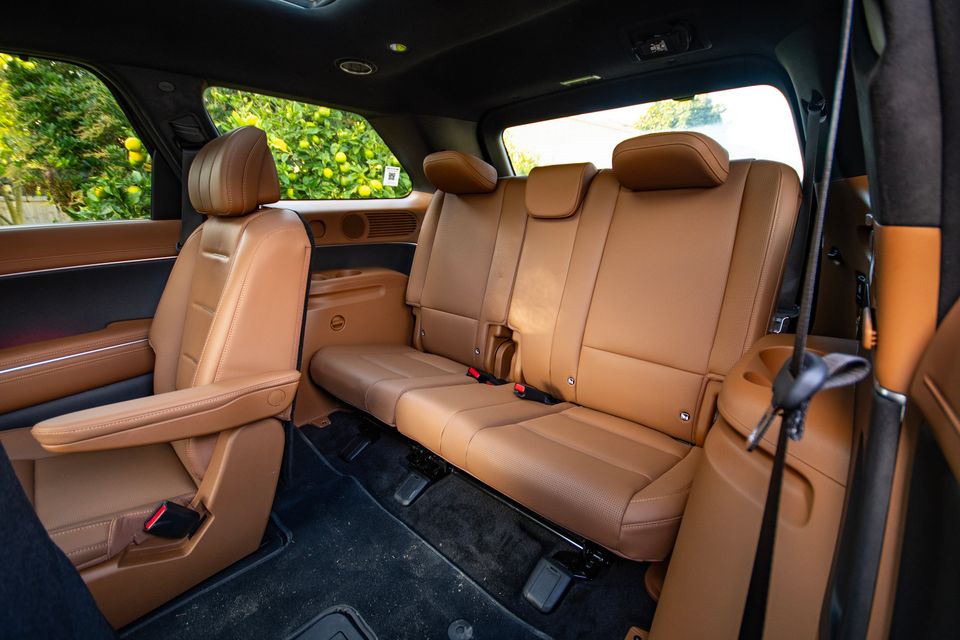
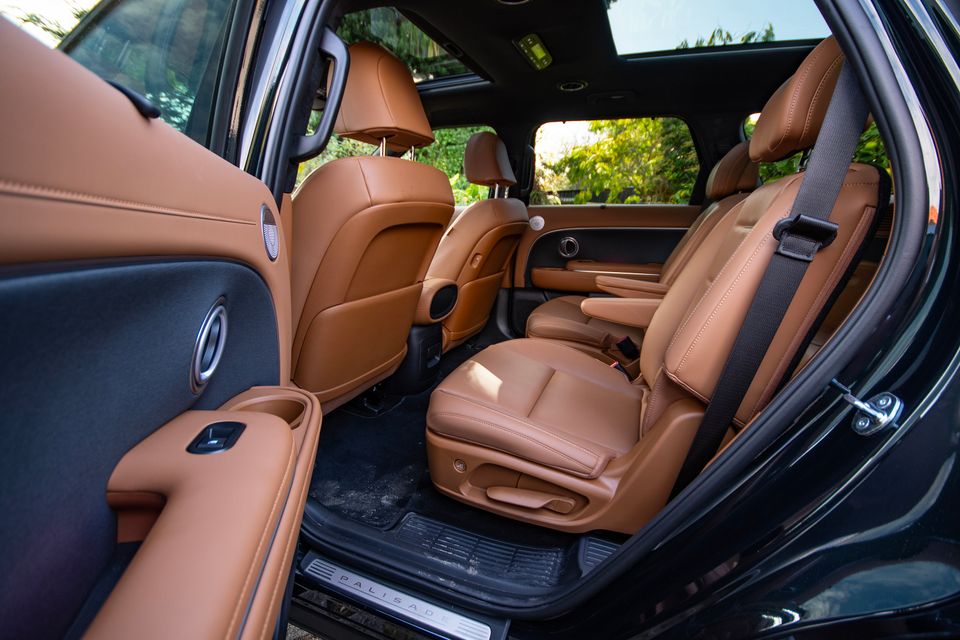
The enormous Palisade is inevitably very roomy. Those that need a bit more room than what’s offered in a Santa Fe or Toyota Highlander should consider the Palisade a frontrunner. Legroom in the second row is ample, with a fairly wide opening between the captain’s chairs for third-row access (not to mention decent egress if you elect to get to the third row by folding the seat forwards instead).
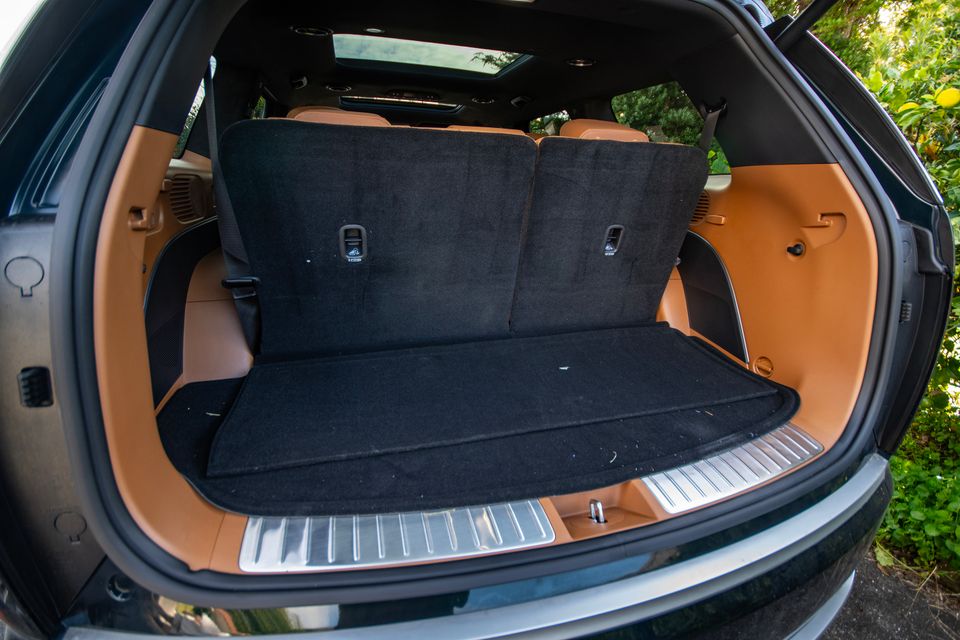
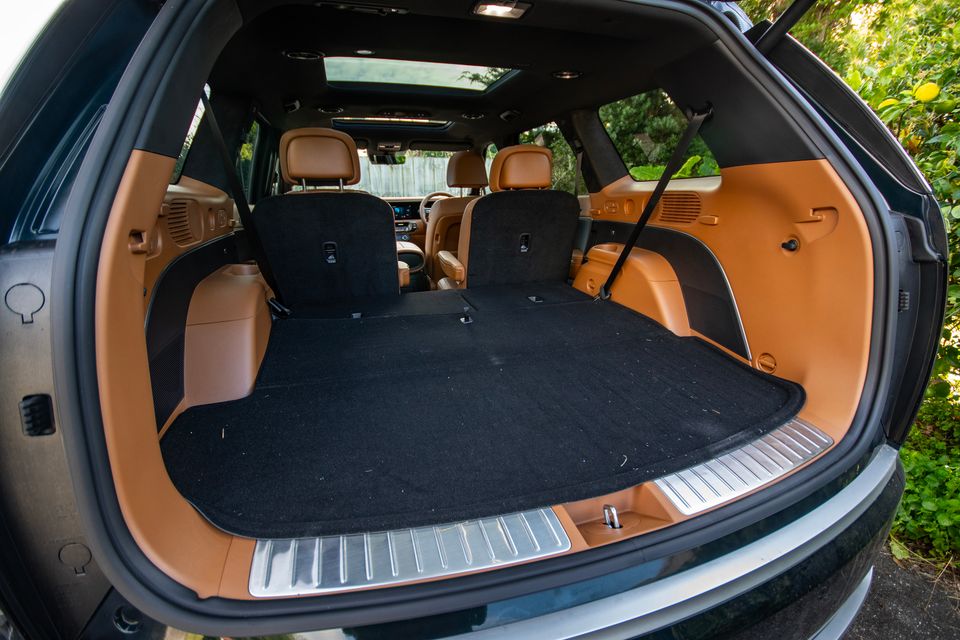
The Palisade’s third row is amongst the only third rows that could comfortably accommodate a pair of adults. It’s also one of the only third rows to offer ISOFIX points on its outboard seats, and occupants can tilt and adjust their seats electronically. The boot is a solid 300-litres with all the seats up, 712-litres with the third seat folded flat, and 2081-litres with all rear passenger seats stowed. This outstrips the Mazda CX-90’s 257-litre/607-litre boot by a solid margin.
Issues? There’s a few — some considerably bigger than others. It’s great to see a separate climate control panel on the dashboard with physical dials for temperature adjustment, but the touch functions for everything else in the climate suite are finicky to use. The interior door handles feel oddly cheap. Perplexing that something you’re guaranteed to touch every day didn’t warrant a bit more attention.
It’s worth referencing that the Palisade was recalled globally earlier this year after a fatal accident in the US caused by the back seat folding mechanism. These recalls were thankfully carried out prior to the Palisade going on sale in New Zealand. And, testing the fix out myself, I’m happy to report that the brand’s repairs seem to be successful. I would encourage concerned parents to read up on what happened to help inform their decision.
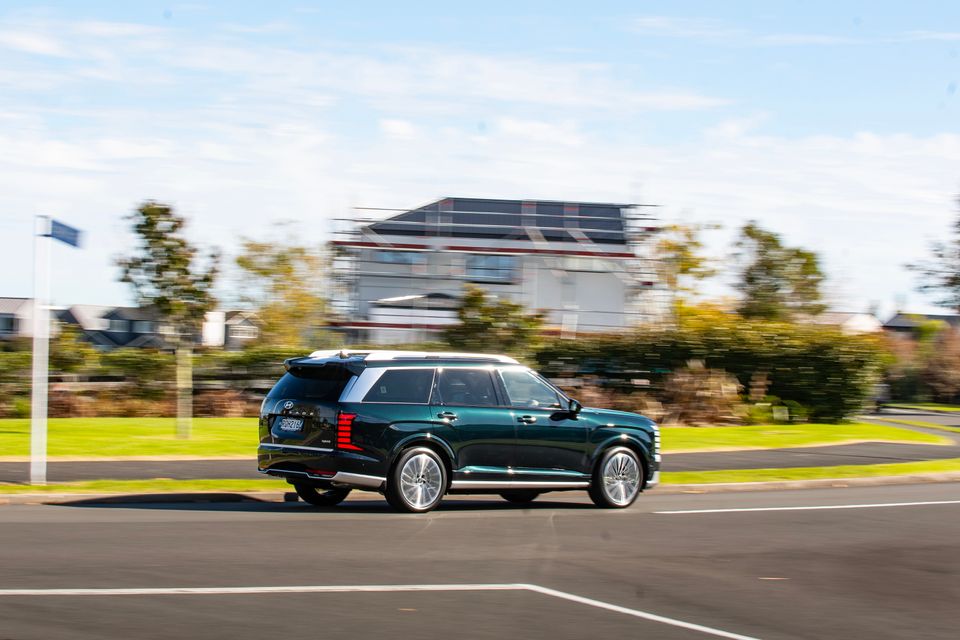
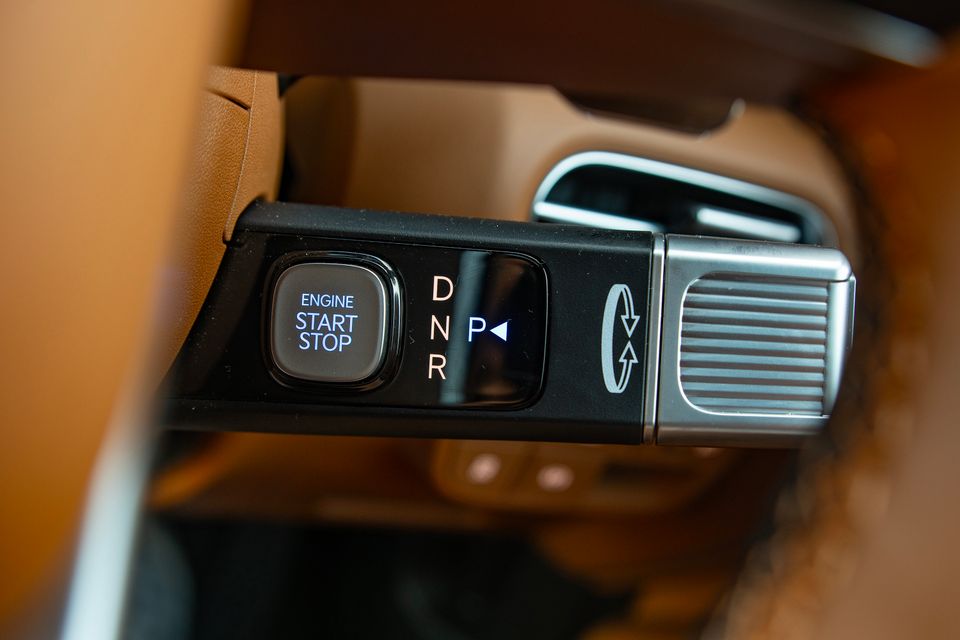
Bye bye diesel! The new Palisade is powered by a 2.5-litre 4-cylinder turbocharged petrol hybrid, developing a combined 245kW of power and 460Nm of torque. This is paired to a traditional 6-speed automatic and all-wheel drive, whilst the hybrid system and electric motor are powered by a 1.65kWh li-ion battery.
Relative to its predecessor, it makes almost 100kW more power and 20Nm of additional torque. Its towing capacity has sadly dropped slightly, from 2200kg braked to 2000kg. Fuel economy is rated at 7.6L/100km, and the powertrain takes 91-octane fuel.
That’s a strong economy figure given that the Palisade has a kerb weight in excess of 2100kg. For reference, the CX-90’s economy is rated at 9.1L/100km.
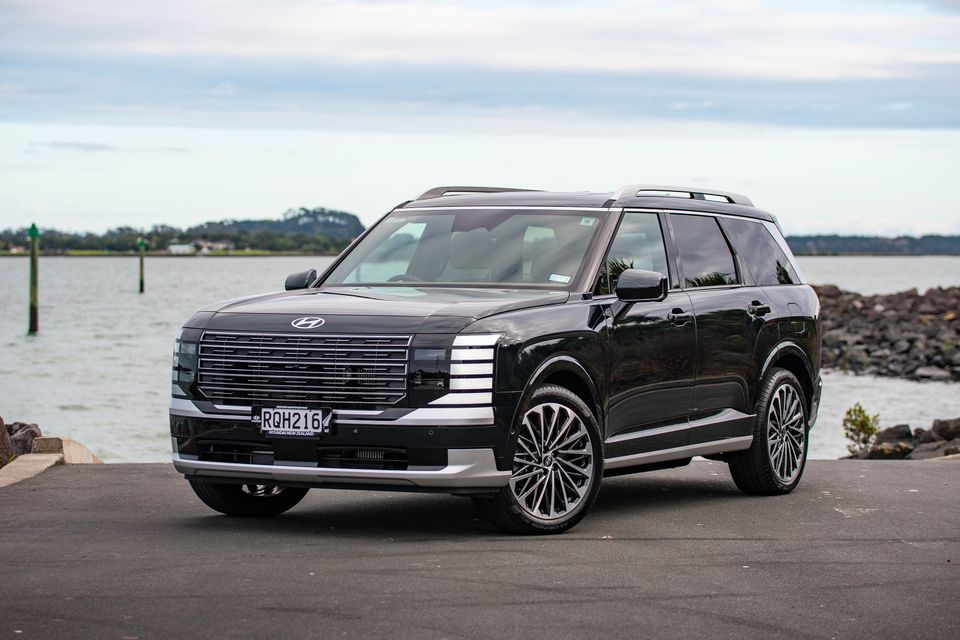
Barring pricing, the biggest difference between the aforementioned CX-90 and the Palisade is in the way they drive. Both are of course very big, very heavy family SUVs that have to conform to the laws of physics. But whilst the Mazda does a good job of trying to defy this fact with a more engaging platform and emotive inline six engine, the Palisade is much more geared to plush ride quality and fuss-free driving.
For such a big car, the Palisade is a bit of a softy. Its steering is nice and light at low speeds, and quite direct at higher speeds. Its turning circle is surprisingly tight for a car with such a lengthy wheelbase. Visibility all round is strong. I’d wager that most people intimidated by the Palisade’s size would feel pretty at home behind the steering wheel after a 30 minute drive.
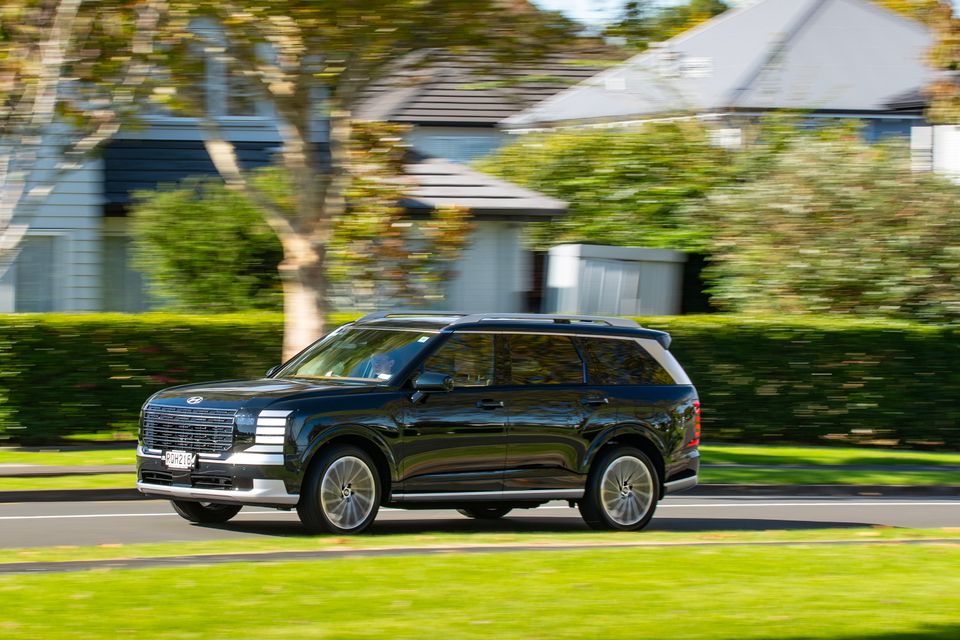
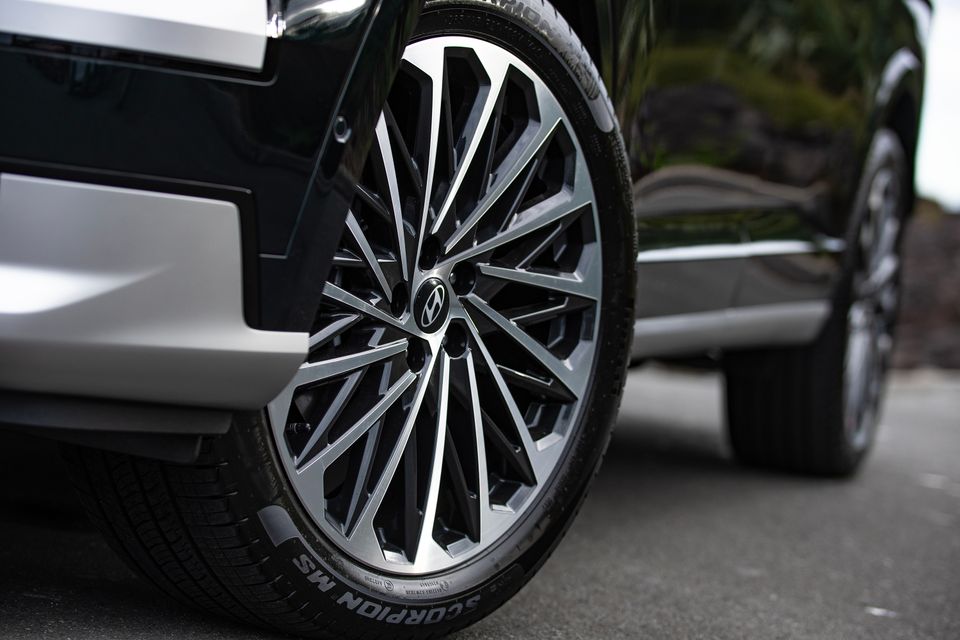
I was especially impressed by its suspension and the smoothness in which it flips between hybrid and petrol running. Even on its giant 21-inch wheels, the Palisade’s Australian-tuned ride quality is impeccable at ironing out bumps and divots of all shapes and sizes. The powertrain, meanwhile, goes about its business transitioning between battery and petrol power methodically and fairly silently. The 2.5 is pretty vocal when you have it pinned, but in general commuting it gets hushed by the Palisade’s excellent sound deadening.
Speaking of pinned, the Palisade can boogie when it needs to. The shift to petrol and the added hybrid element gives it quite a different feel relative to its diesel predecessor. It’s both more polished and refined when you’re driving around town, and quicker off the marque when you decide to put your foot down.
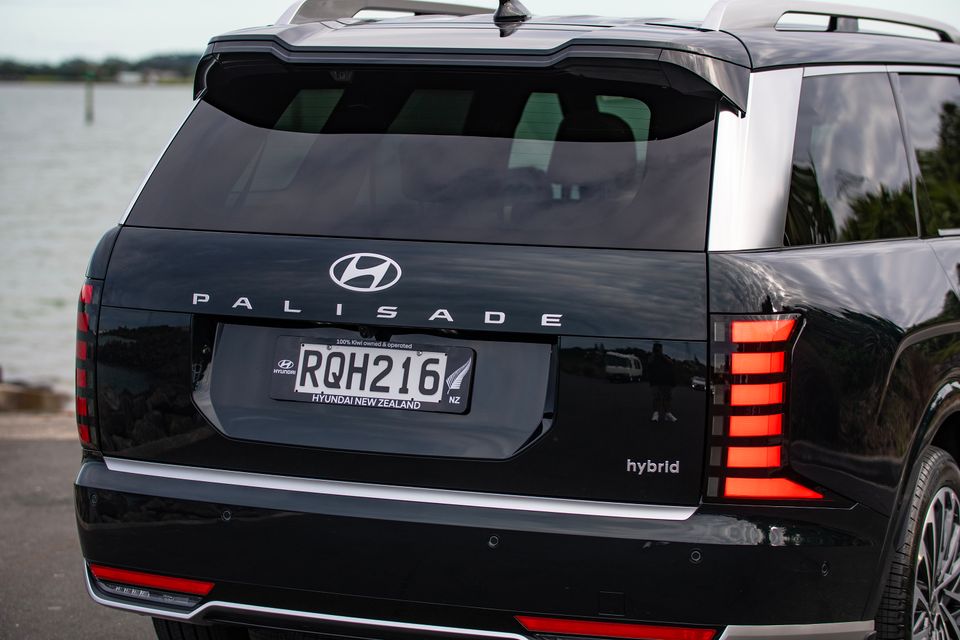
On the emissions front, we actually managed to beat Hyundai’s claimed fuel economy figure by recording 7.4L/100km in our week with the Palisade. Now granted, it was a fairly motorway heavy week. But from what I saw, urban commuters should expect to be able to achieve numbers in the low eights without a lot of trouble.
Lastly, I also want to note the Palisade’s active safety tech. Yes, it comes with driver monitoring, lane keep assist, speed limit recognition and the like, and these features all beep at the driver from time to time in a manner that can be pretty grating. But, these features are also relatively easy to mute. The favourites button on the steering wheel (denoted by a star) can be set up as a shortcut to the car’s driver assist menu. Hyundai’s also made it possible to turn off the car’s ‘speed zone warning’ feature permanently, without it turning itself back on each time you park up.
Where expert car reviews meet expert car buying – CarExpert gives you trusted advice, personalised service and real savings on your next new car.
The Palisade’s sole Calligraphy grade feels very well equipped, largely ticking off all the requisite features you’d expect to see in a large family car. There’s also a generous list of safety kit, including lane keep assist and adaptive cruise control. It’s worth noting that the Palisade has yet to be crash tested by Euro NCAP or ANCAP, and as such doesn’t yet have a rating.
Hyundai Palisade Calligraphy 8-seater equipment highlights:
Calligraphy 8-seater adds:
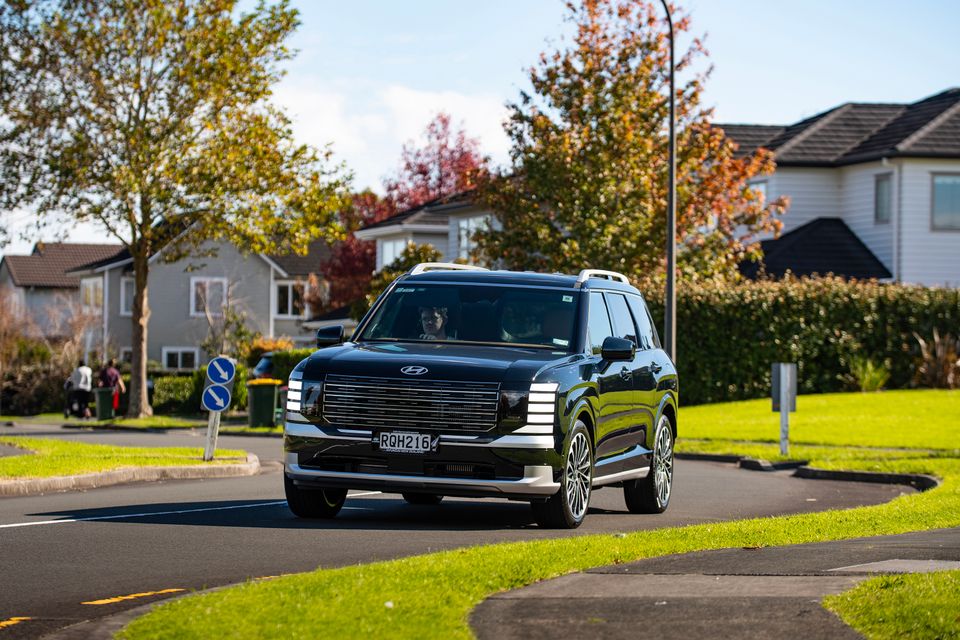
The Hyundai Palisade is a huge, imposing family car that quickly becomes something of a gentle giant the more you get to know it. Increased levels of polish and refinement with its cabin, slicker styling, and the introduction of a proper hybrid make for an SUV that feels more resolved and complete than the old diesel Palisade ever did.
Where expert car reviews meet expert car buying – CarExpert gives you trusted advice, personalised service and real savings on your next new car.
2023
$106,990
2023
$119,990
Matthew Hansen co-founded motorsport outlet Velocity News, worked as a freelance photographer for various race teams, and was a specialist journalist for NZ Autocar Magazine and Driven at the NZ Herald. Most recently, he was Editor of Motoring at Stuff.co.nz.
Add CarExpert as a Preferred Source on Google so your search results prioritise writing by actual experts, not AI.
Matthew Hansen
4 Minutes Ago

Marton Pettendy
2 Days Ago

Jono Capel-Baker
4 Days Ago
Matthew Hansen
13 Days Ago
Jono Capel-Baker
3 Months Ago

Dave Kavermann
3 Months Ago
Add CarExpert as a Preferred Source on Google so your search results prioritise writing by actual experts, not AI.
† Displayed prices exclude on-road costs such as delivery charges, registration fees, number plates, insurance and applicable road taxes. These prices are subject to change without notice and may not reflect current market pricing or dealer offers.
 Automotive Vehicle Spec Data & 4K images Powered by JATO Dynamics Ltd