


 Showroom
 Car Chooser
 Compare
 Car Specifications

Dave Kavermann
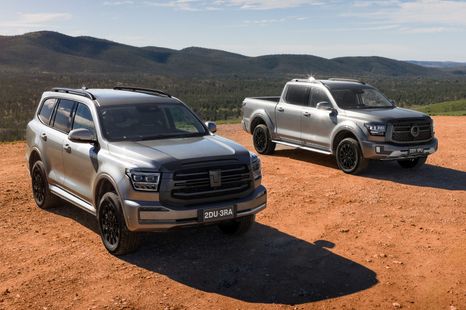
GWM opens order books for new 620Nm turbo-diesel Tank 500 and Cannon Alpha
GWM’s new 3.0-litre turbo-diesel will deliver more torque than Ford’s V6-powered Ranger and Everest.
3 Hours Ago
Drive Electric says CCS is "our one policy lever for shifting the vehicle fleet" to EVs.

Editor
Editor
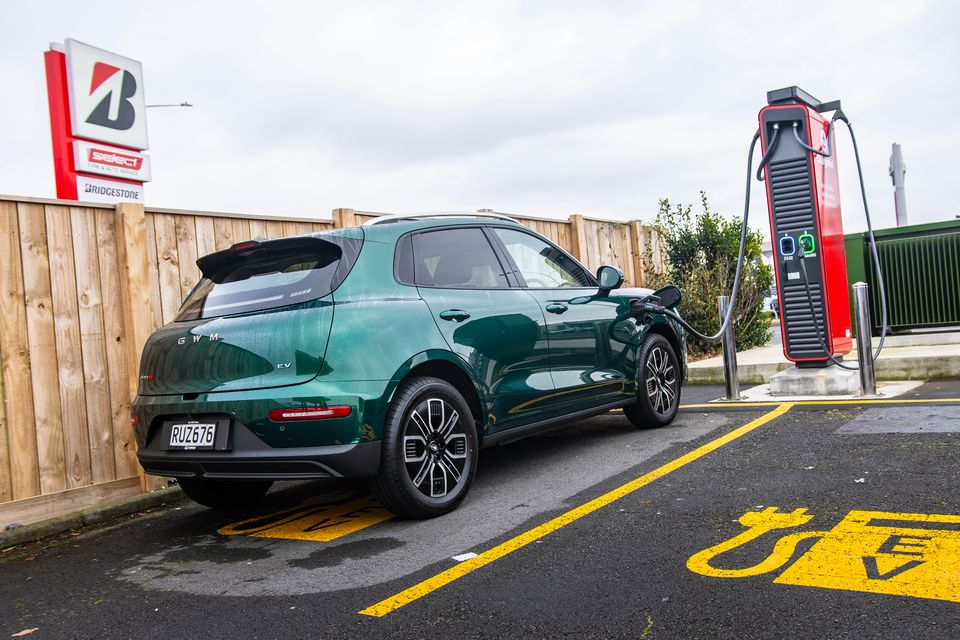
The board chair of a local electric vehicle advocacy group, Kirsten Corsen of Drive Electric, has called on the National Government to “maintain and strengthen” the Clean Car Discount — a scheme that the government has said it is considering dropping.
Corsen sent an open letter to Minister of Transport Chris Bishop last week detailing Drive Electric’s stance on the Clean Car Standard, explaining that local demand for plug-in vehicles is on the rise, and adding that an increased EV fleet insulates more motorists from global oil price shocks.
In the latter, Corsen calls on the government to: “publicly commit to retaining the Clean Car Standard, ensure the current review accelerates energy resilience and security, [and] align the Standard’s targets and penalties with Australia’s New Vehicle Efficiency Standard.”
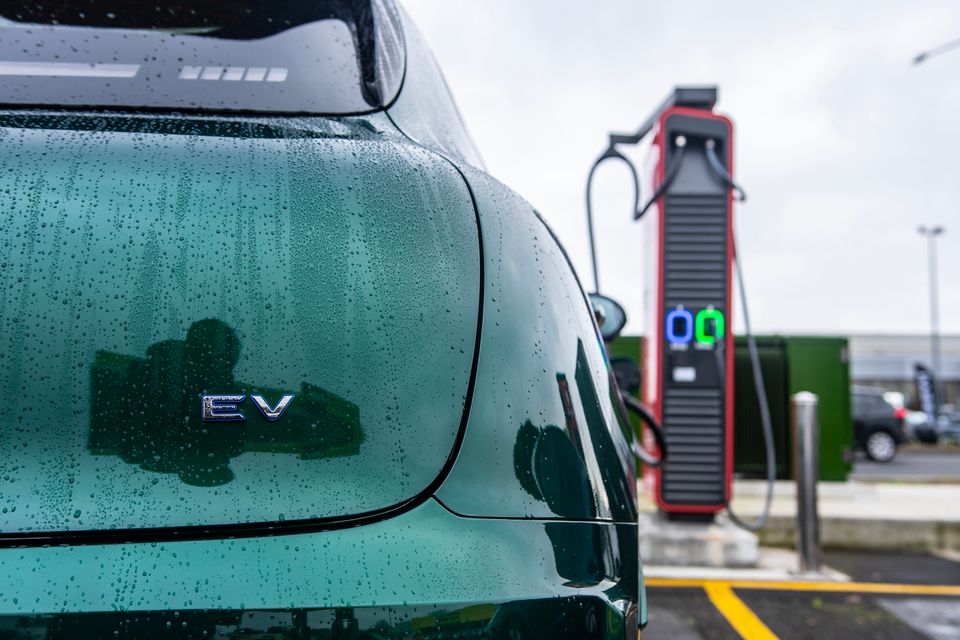
“Drive Electric is asking the Government to commit to maintaining and strengthening the Clean Car Standard (CCS),” said Corsen.
“The Strait of Hormuz crisis added significantly to what Kiwi families and businesses pay for fuel, with petrol prices rising by 18.6% and diesel prices by 42.6% in March 2026 alone. These were the largest monthly increases since Stats NZ began recording this data in 2011.
“The CCS is our one policy lever for shifting the vehicle fleet onto our 88% renewable electricity supply. The Standard could be aligned with Australia’s New Vehicle Efficiency Standard, which the Australian Government has confirmed is delivering results.”
The Clean Car Standard establishes penalties for high-emission new and used vehicles entering the country, penalties that could be counteracted by distributors and dealerships bringing in low-emission alternatives.
The standard has received criticism over the years from some car brands and the used car market over CO2 targets some companies have previously labelled as unrealistic, and a used market with a limited pool of low-emission vehicles to choose from in the country’s lead source of used cars; Japan.
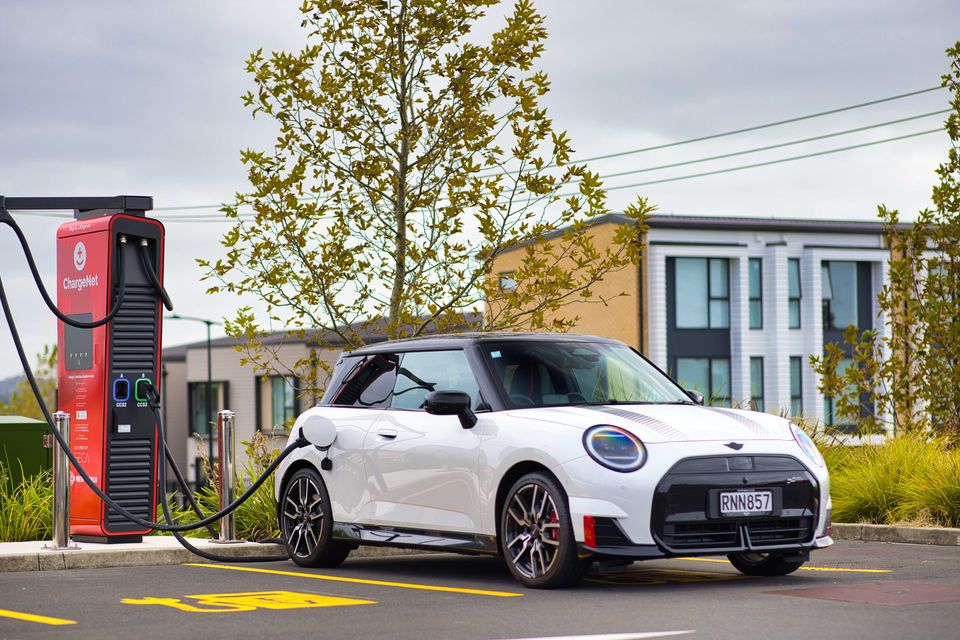
The standard has also been credited by some carmakers as integral in their bid to secure new electrified models for local sale. The introduction of the scheme was celebrated for bringing New Zealand in line with other countries with similar emissions standards.
In March, RNZ reported that the government was conducting a first principals review of the Clean Car Standard scheme, with Bishop telling the outlet that scrapping the scheme was one of the potential outcomes of the review.
Corsen explained that a “clear majority” of submissions to the government on the Clean Car Standard’s future are in support of the scheme — information Drive Electric obtained via an Official Information Act request.
The Drive Electric chair added that New Zealand motorists are vulnerable to global fluctuations in oil prices, and that electric vehicles provide an opportunity to improve the country’s "energy resilience”.
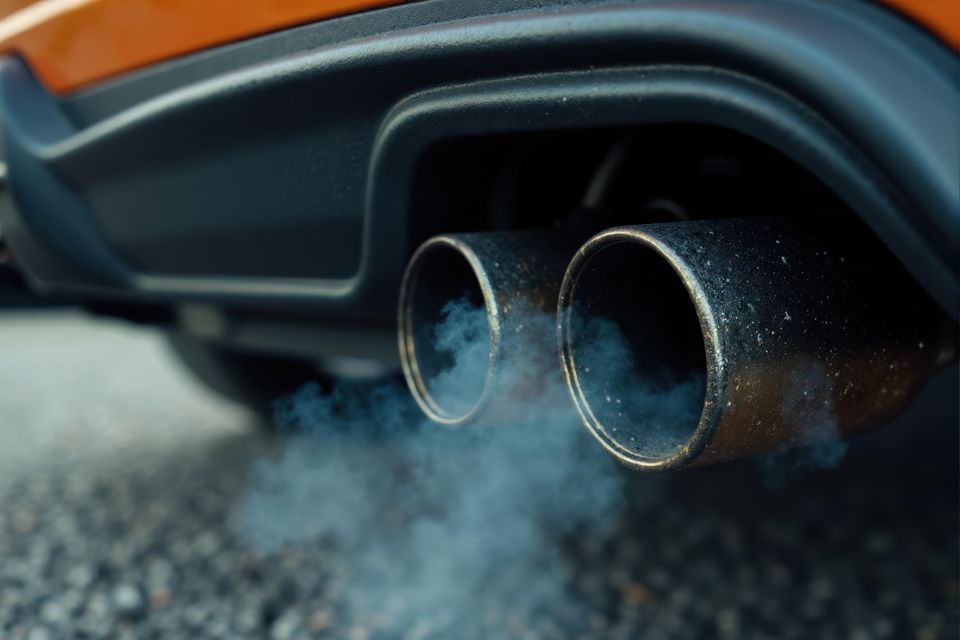
“With no domestic refining, New Zealand depends on Asia for its fuel. The country spent $7 billion on fuel imports in 2025, with that figure expected to rise towards $10 billion in 2026. Around 60% of these imports have transited the Strait of Hormuz,” said Corsen.
“Combustion vehicles purchased today will still be on the road in 15–20 years, locking in that exposure into the 2040s. This is in addition to the estimated $10.5 billion annual social cost of vehicle emissions and Treasury’s estimated $4.4–$6 billion exposure from purchasing offshore carbon credits to meet our Paris Agreement commitments.
“Treasury’s 2023 modelling indicated that this bill could reach as high as $23.7 billion under less favourable conditions.
“Repealing the Standard would signal that New Zealand is not serious about energy resilience and would leave the country more exposed to the next oil shock.”
Matthew Hansen co-founded motorsport outlet Velocity News, worked as a freelance photographer for various race teams, and was a specialist journalist for NZ Autocar Magazine and Driven at the NZ Herald. Most recently, he was Editor of Motoring at Stuff.co.nz.
Dave Kavermann
3 Hours Ago

Matthew Hansen
5 Hours Ago

Dave Kavermann
7 Hours Ago
Dave Kavermann
8 Hours Ago
Dave Kavermann
10 Hours Ago
Dave Kavermann
4 Days Ago
Add CarExpert as a Preferred Source on Google so your search results prioritise writing by actual experts, not AI.