

 Showroom
 Car Chooser
 Compare
 Car Specifications


Dave Kavermann
Fuel boss expects $3/L petrol as economists warn pain is far form over
A chief economist warns "the prognosis doesn't look good" for fuel prices in the near future.
9 Hours Ago
The Kia PV5 is the first of six commercial models coming our way. We test a new ear of vans for the Korean automaker for the first time.
Where expert car reviews meet expert car buying – CarExpert gives you trusted advice, personalised service and real savings on your next new car.
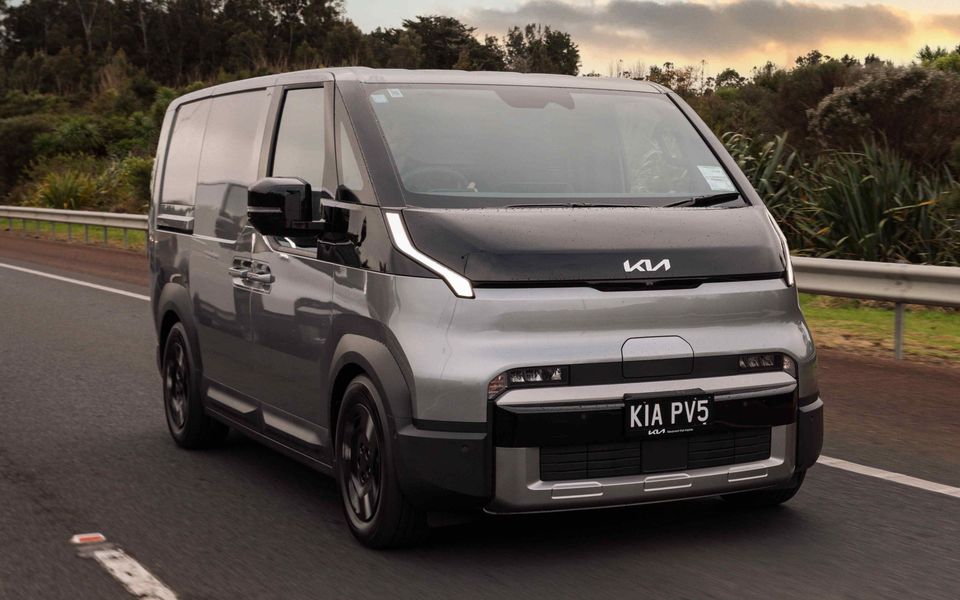
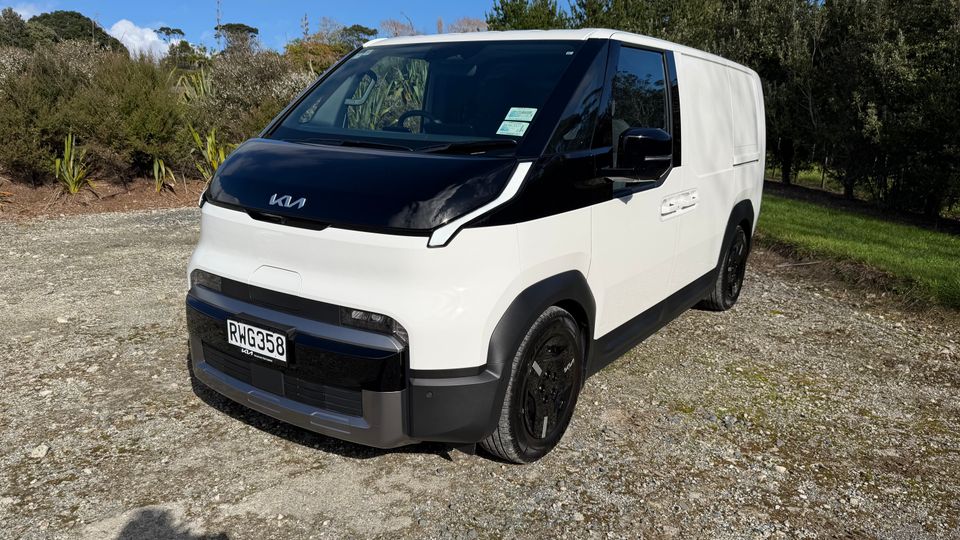
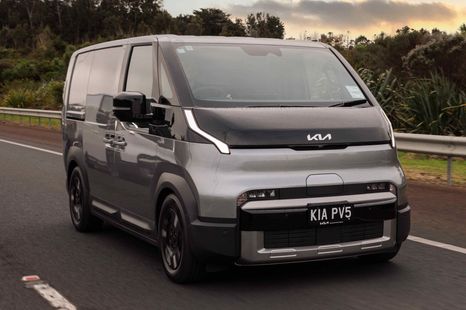
The Kia PV5 is unlike anything the Korean brand has sold before. While it's another electric vehicle, it also marks the beginning of an ambitious push into purpose-built commercial vehicles.
For decades, Kia has focused on passenger cars, SUVs, and people movers, with the Carnival cementing itself as one of New Zealand's favourite family vehicles.
The Kia PV5 Cargo represents a very different proposition, opening the door to tradespeople, courier operators, local government fleets, healthcare providers, and businesses looking to transition away from diesel-powered light commercial vehicles.
It's also the first product developed under Kia's new Platform Beyond Vehicle (PBV) division. Rather than adapting an existing passenger vehicle into a van, the PV5 has been designed from the ground up as an electric commercial vehicle using a dedicated architecture called E-GMP.S, with the 'S' denoting 'Service'.
That platform has been engineered specifically around durability, payload, ease of repair, modular construction, and the ability to support multiple body styles.
And multiple body styles are exactly what's coming. The PV5 Cargo launches first in New Zealand, with a seven-seat Passenger version arriving during the fourth quarter of 2026. A taller High-Roof Cargo follows in early 2027, while the larger PV7 will expand Kia's offering later that year. Sitting at the top of the lineup will be the six-metre-long PV9, due in 2029.
Rather than chasing traditional one-tonne diesel vans like the Toyota Hiace head-on, Kia has positioned the PV5 as a medium-sized urban workhorse. Measuring 4695mm long, it's considerably easier to manoeuvre through city streets while still offering 4420 litres of cargo capacity and a payload of up to 765kg.
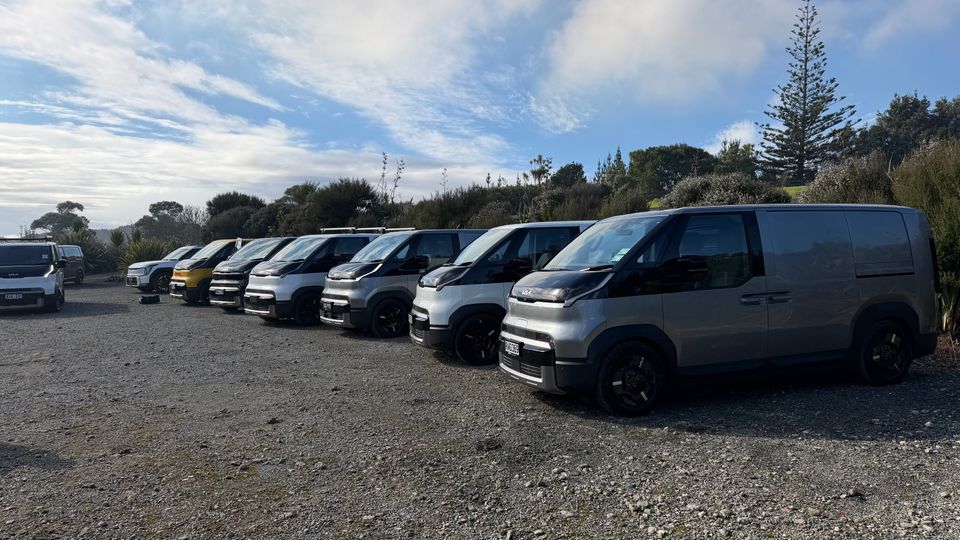
Following a local launch drive around Auckland, it's clear Kia has approached the commercial segment much like it did passenger EVs several years ago – by questioning virtually every convention that has defined vans for decades.
If first impressions are anything to go by, the result could significantly shake up New Zealand's growing electric commercial vehicle market.
Unlike many commercial vehicles that quickly become confusing thanks to multiple wheelbases, roof heights and trim grades, the PV5 lineup starts out refreshingly simple.
Model | Price |
|---|---|
PV5 Cargo 5-door (11kW AC, White) | $64,990 + ORC |
PV5 Cargo 5-door (22kW AC, White) | $66,990 + ORC |
PV5 Cargo 6-door (11kW AC, White) | $65,490 + ORC |
PV5 Cargo 6-door (22kW AC, White) | $67,490 + ORC |
At launch there's just a single Cargo variant powered by a 71.2kWh battery pack and front-mounted electric motor. Buyers can then choose between five or six doors, while an optional 22kW AC onboard charger is available for operators needing faster depot charging.
The entry point sits at $64,990 plus on-road costs, placing it above the larger Farizon V7E but well below premium electric vans such as the Ford E-Transit and Volkswagen ID. Buzz Cargo. Premium paint adds $1500, while Clear White remains the no-cost option.
Kia expects many buyers to focus less on purchase price and more on total operating costs. Thanks to lower servicing requirements, reduced energy costs, over-the-air software updates, and two-year/30,000km service intervals, the company believes the PV5 becomes cheaper to own than an equivalent diesel van after around 30,000km of operation.
That will particularly appeal to fleet operators and businesses covering predictable daily distances, where overnight charging can largely eliminate fuel bills while minimising downtime.
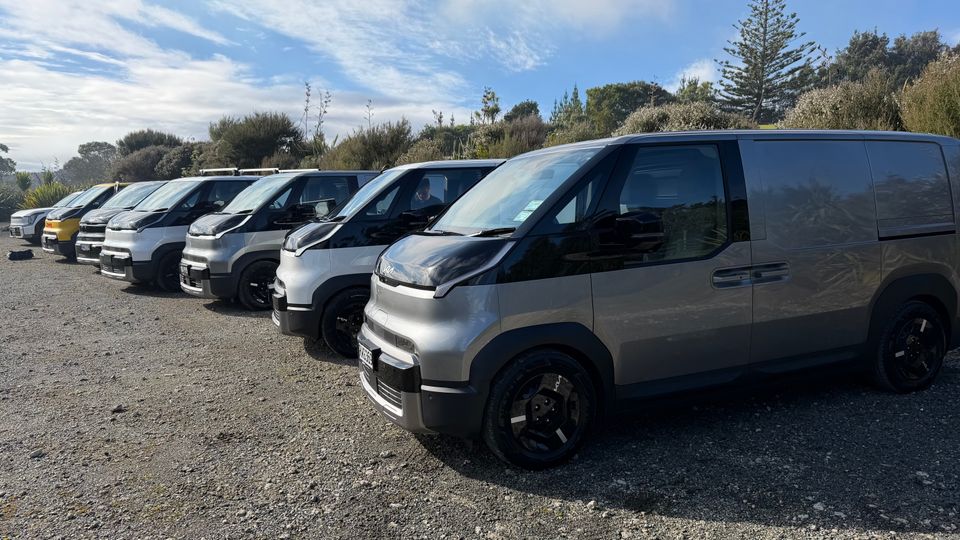
For larger fleet customers, Kia will also offer factory-applied corporate colours for orders of at least 50 vehicles.
Commercial vans have traditionally prioritised function over form, often leaving drivers with cabins that feel decades behind modern passenger cars. The PV5 changes that almost immediately.
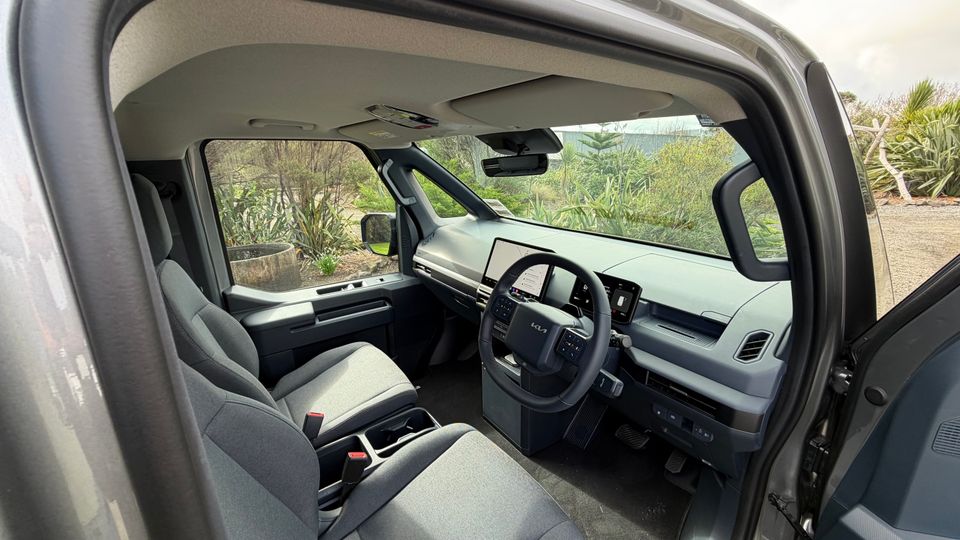
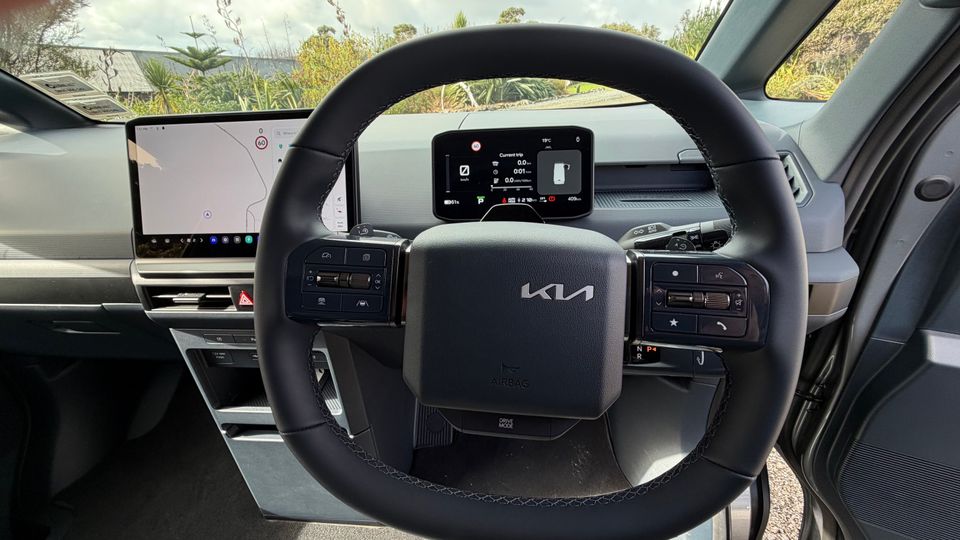
Step inside and it's obvious Kia has borrowed heavily from its passenger EV lineup, with a clean dashboard design centred around technology rather than switchgear.
Instead of feeling like a stripped-out work vehicle, the cabin is closer something you'd expect to find in an EV3 or EV5 SUV, albeit with harder-wearing materials in the usual locations.
Dominating the dashboard is a 12.9-inch infotainment touchscreen running Android Automotive OS, making the PV5 Kia's first vehicle locally to adopt Google's native operating system. Navigation is built in through Google Maps, while over-the-air software updates mean the system can continue evolving over time.
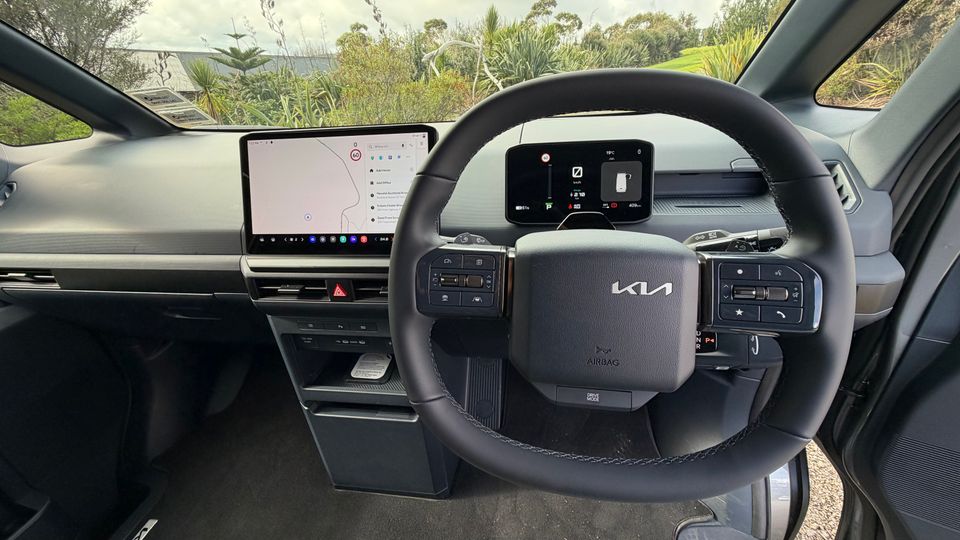
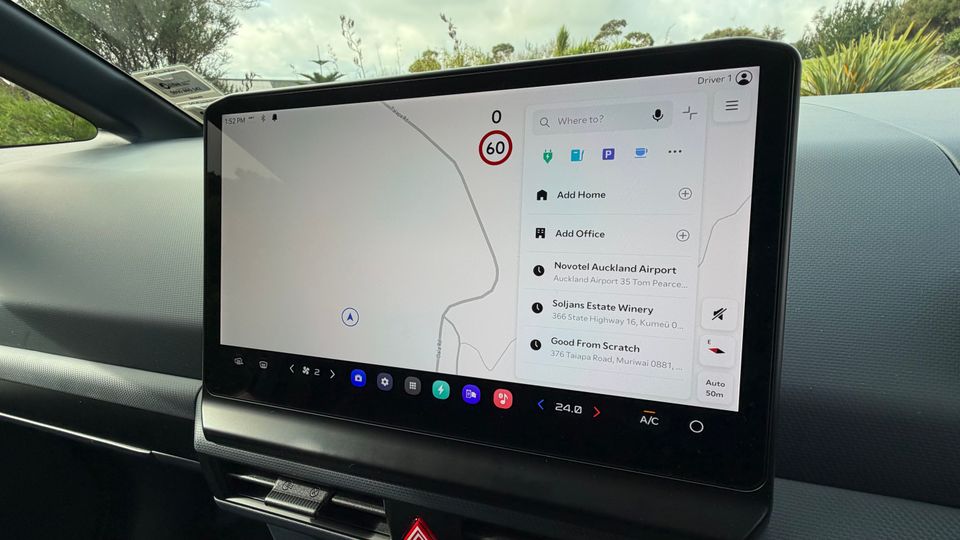
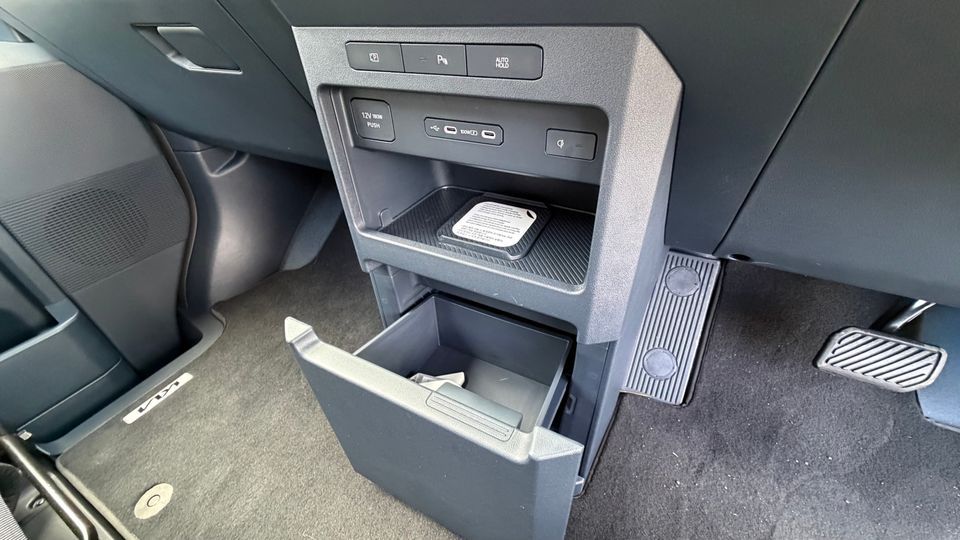
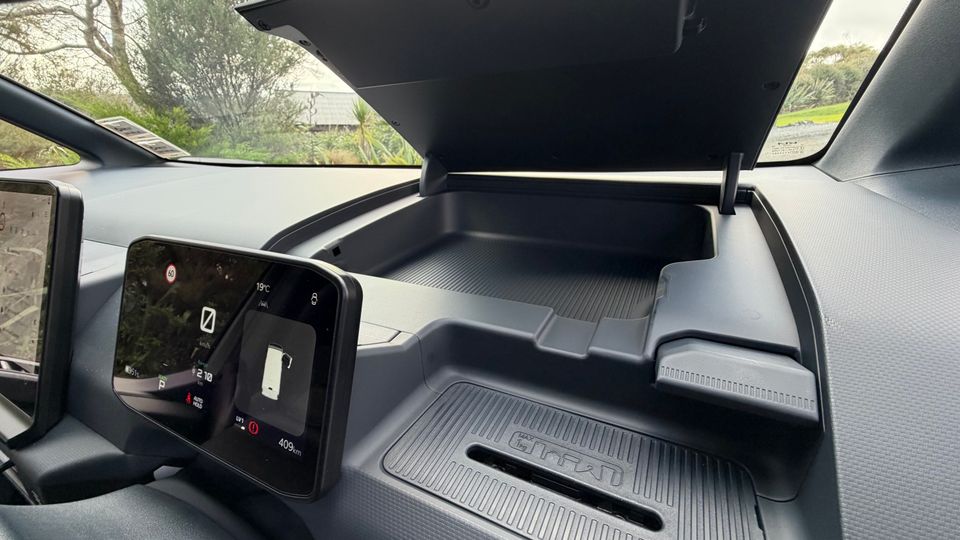
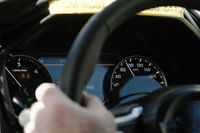
Ahead of the driver sits a 7.5-inch digital instrument display, while wireless phone charging, 100W USB-C outlets and Kia Connect connected services all come standard.
As you'd expect with a commercial vehicle, storage is everywhere, with deep door bins, additional console trays, under-seat storage, under-floor compartments and clever shelving integrated throughout the cabin.
For tradespeople spending entire days behind the wheel, these details quickly become more valuable than flashy materials or decorative trim.
The driving position itself is upright and commanding with a comfortable and highly adjustable driver seat. An unusually low 419mm step-in height makes climbing in and out 50 times a day noticeably easier than many conventional vans. It's a small detail, but one that could significantly reduce fatigue for courier drivers or technicians making stops all day.
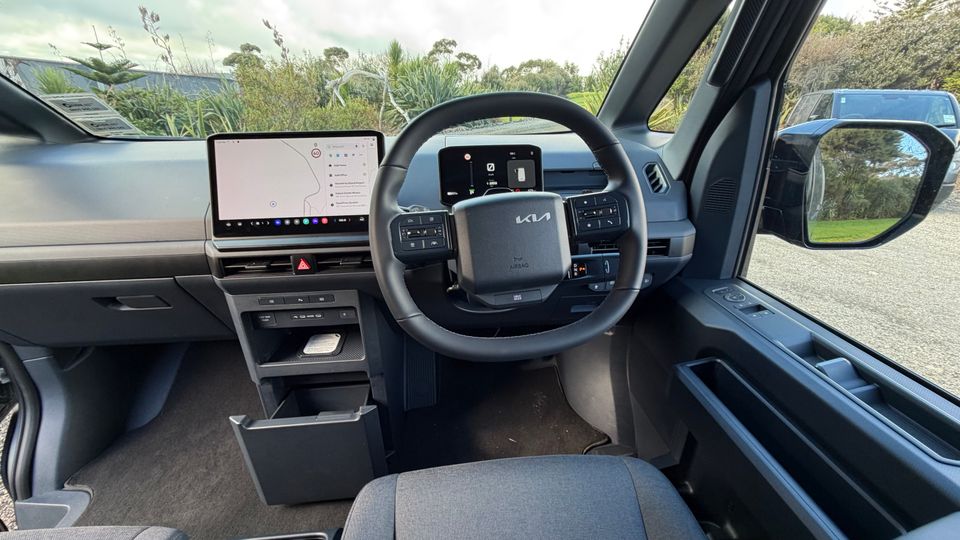
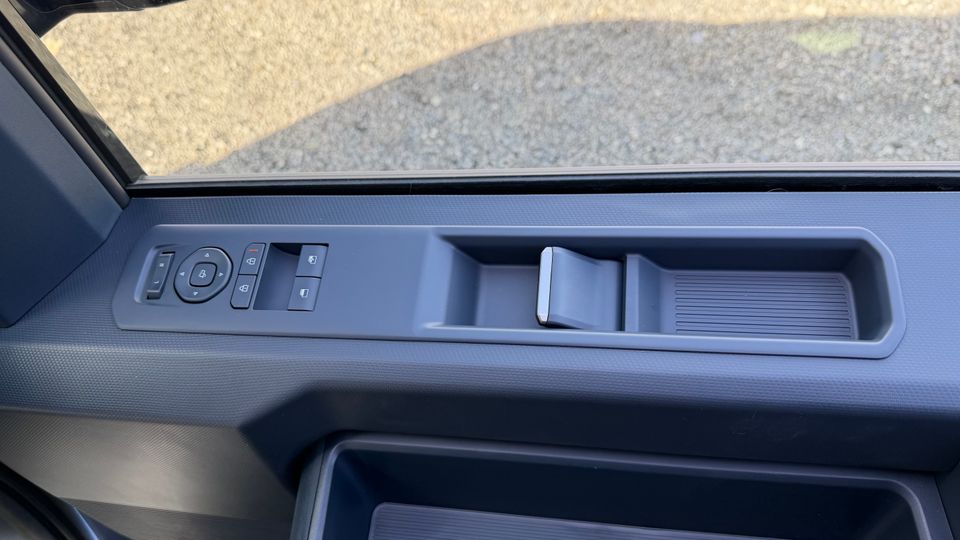
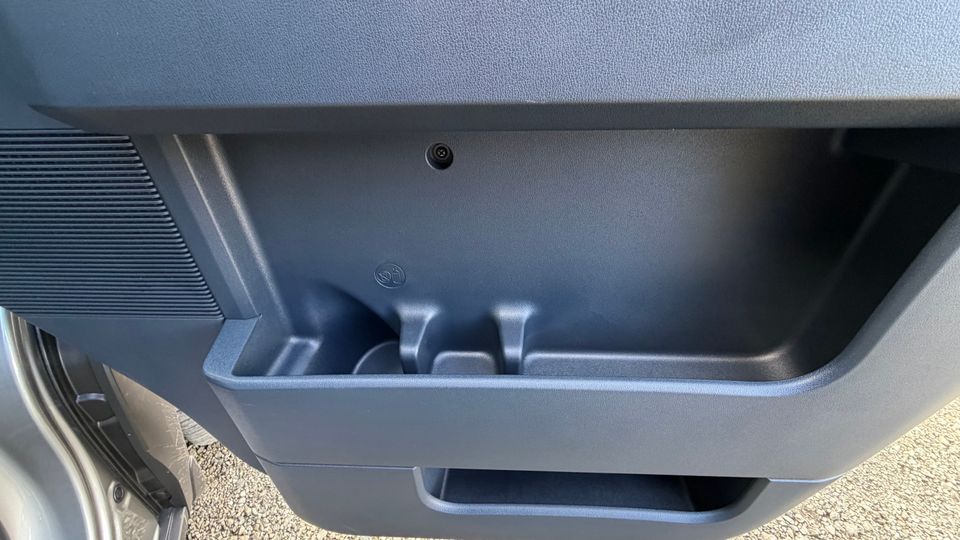
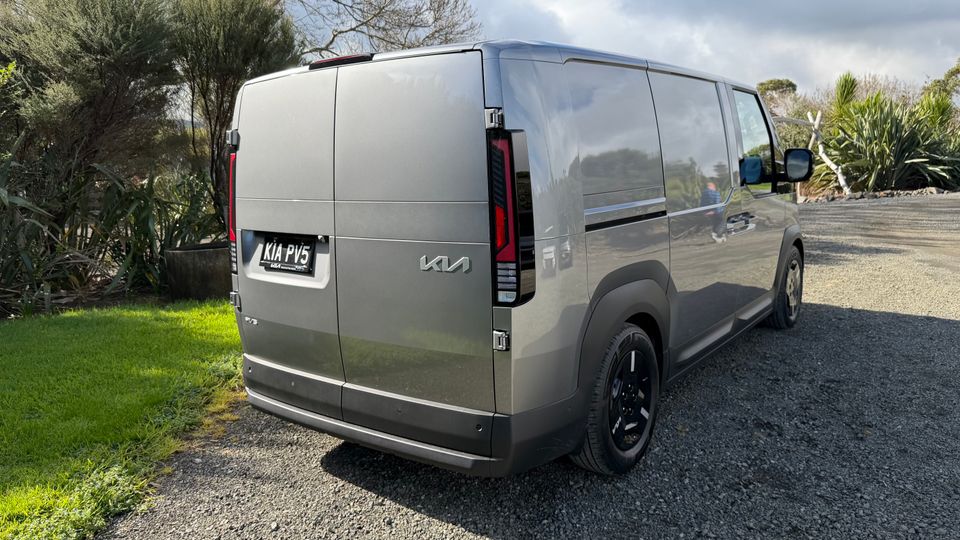
Visibility is another standout. Massive side windows and slim pillars provide excellent forward vision, while standard parking sensors, a surround-view camera, and Blind Spot View Monitor help compensate for the lack of rear windows.
There is a rear-view mirror installed for legal reasons, however for larger upcoming models like the PV7 and PV9, i'd hope to see a digital rear-view mirror in its place.
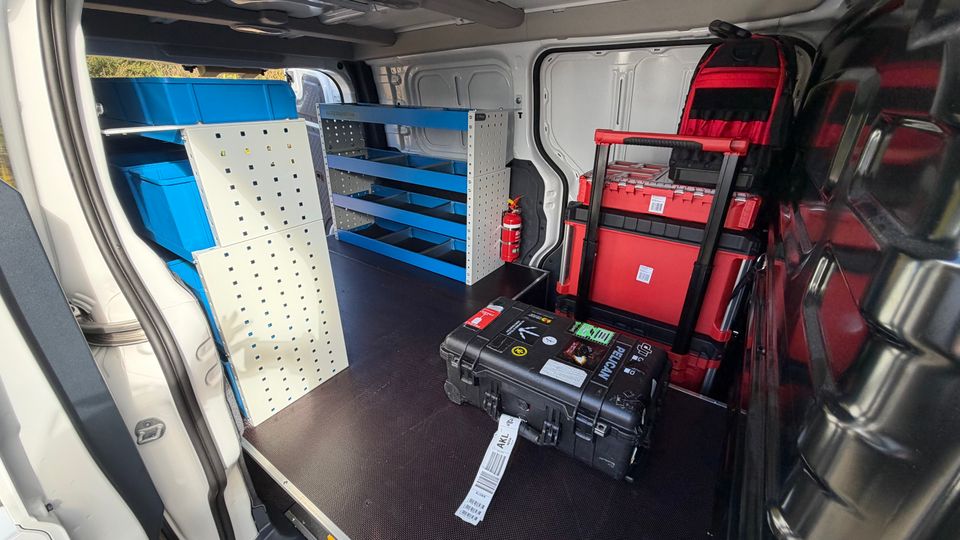
Behind the bulkhead sits 4420 litres of cargo space measuring 2255mm long and up to 1565mm wide, with a payload rating of 765kg.
Kia has also partnered locally with Sortimo, Camco and Auto Transform to offer a wide range of cargo fit-outs, shelving systems and specialist conversions. Buyers can configure everything from mobile workshops and courier vans through to coffee vans and service vehicles.
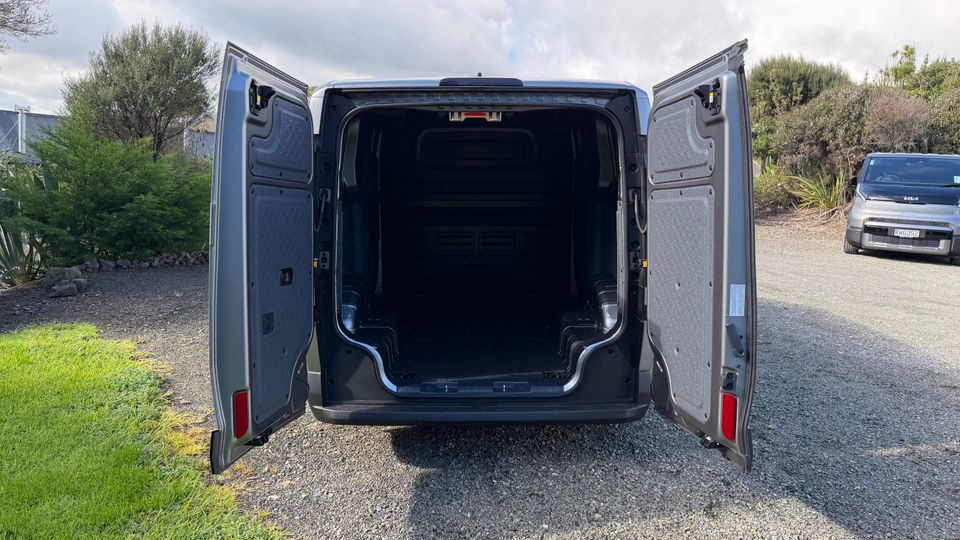
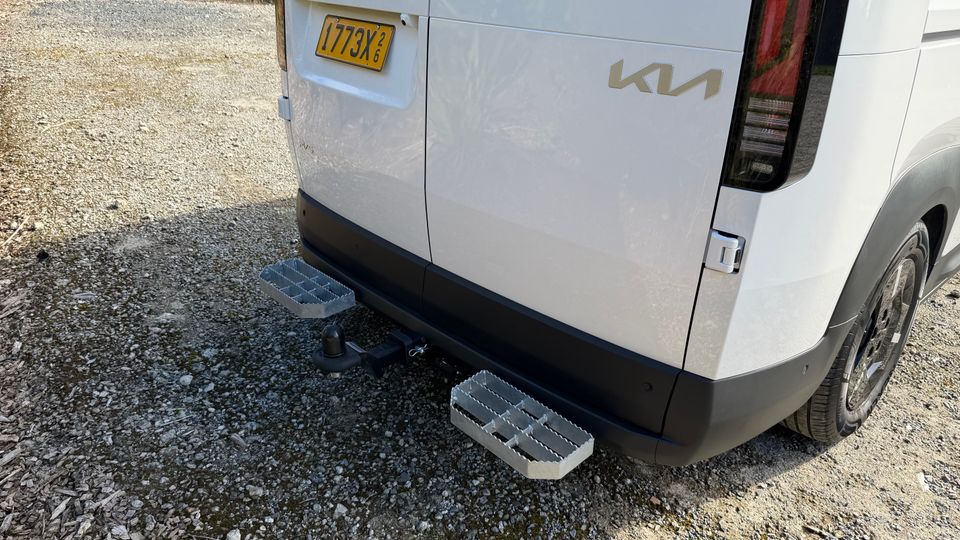
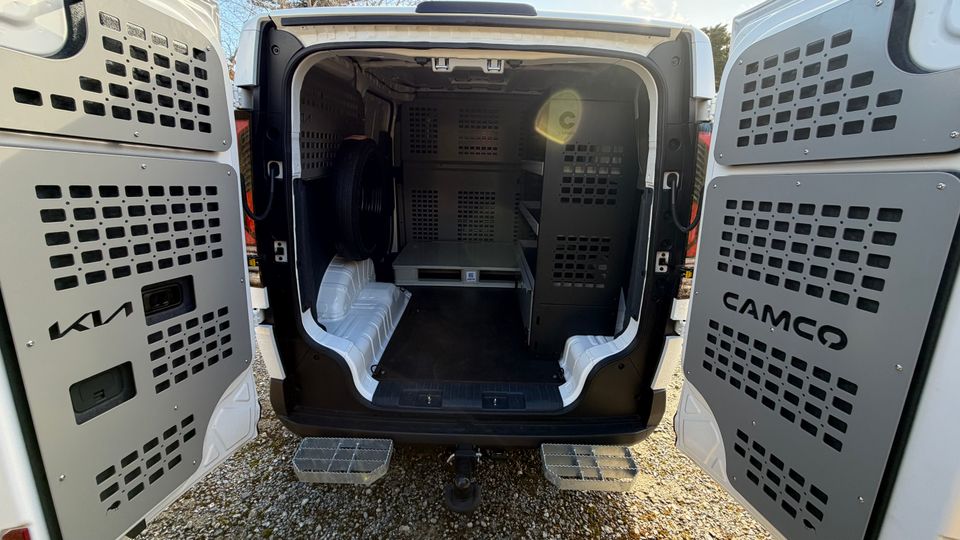
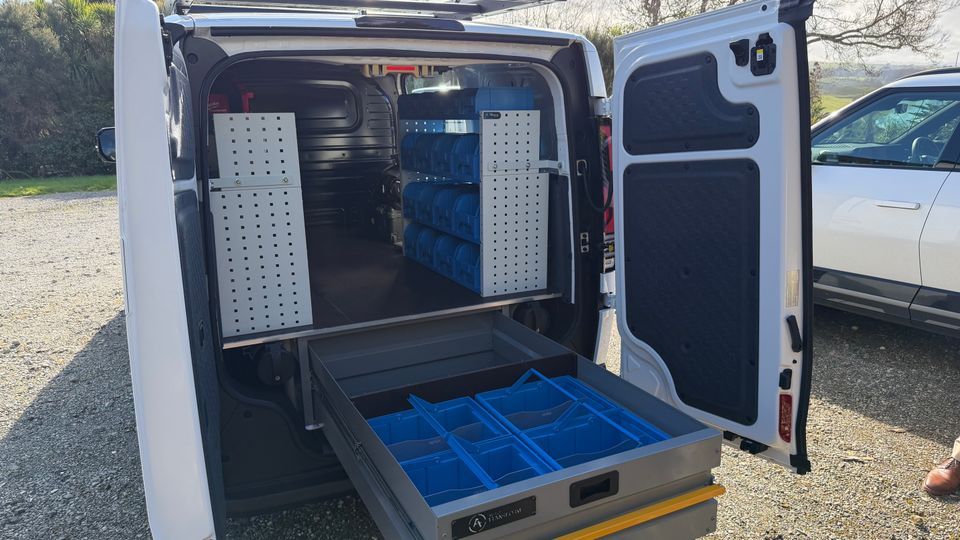
Dual sliding doors are optional, allowing access from either side of the vehicle, while the High-Roof model arriving next year increases cargo capacity to 5165 litres and introduces an optional walk-through bulkhead.
Overall, the cabin strikes an impressive balance between commercial durability, technology and easy of use. The Kia PV5 interior is a genuinely comfortable workspace that could make long hours behind the wheel significantly more pleasant.
The PV5 is built on Kia's new E-GMP.S platform, a commercial-focused evolution of the E-GMP architecture underpinning models like the EV6 and EV9.
Rather than being adapted from a passenger car, it's been engineered specifically for commercial applications, with greater durability, simplified repairs, and modular body construction built into its design.
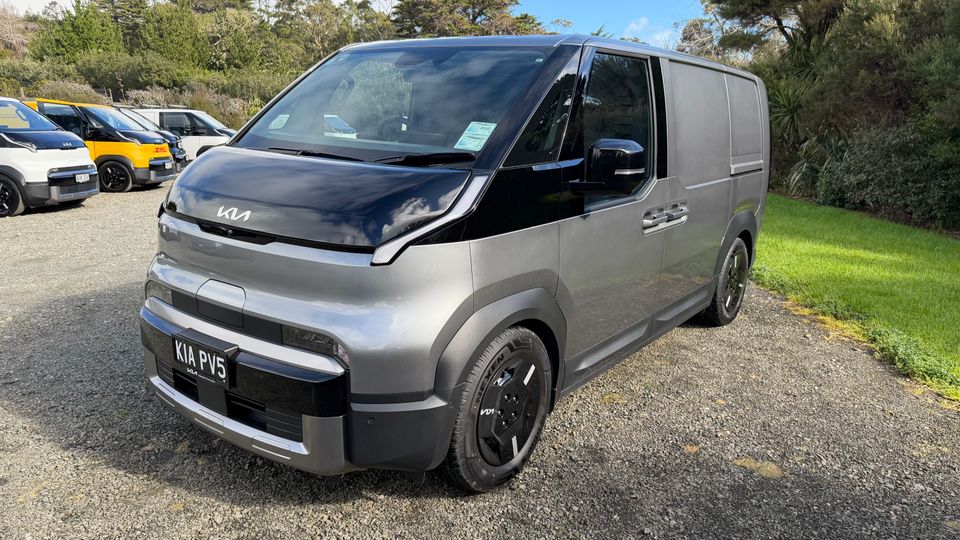
Power comes from a single front-mounted electric motor producing 120kW of power and 250Nm of torque. Those figures won't set pulses racing, but outright performance isn't really the objective here. Kia has prioritised predictable power delivery, efficiency, and smooth operation under load.
Energy comes from a 71.2kWh nickel manganese cobalt (NMC) battery pack using a cell-to-pack design that improves packaging efficiency while reducing weight.
Official WLTP driving range is an impressive 416km, making the PV5 one of the longest-range electric vans currently available in New Zealand. Claimed energy consumption is 19.1kWh/100km, undercutting several key rivals despite offering a competitive payload.
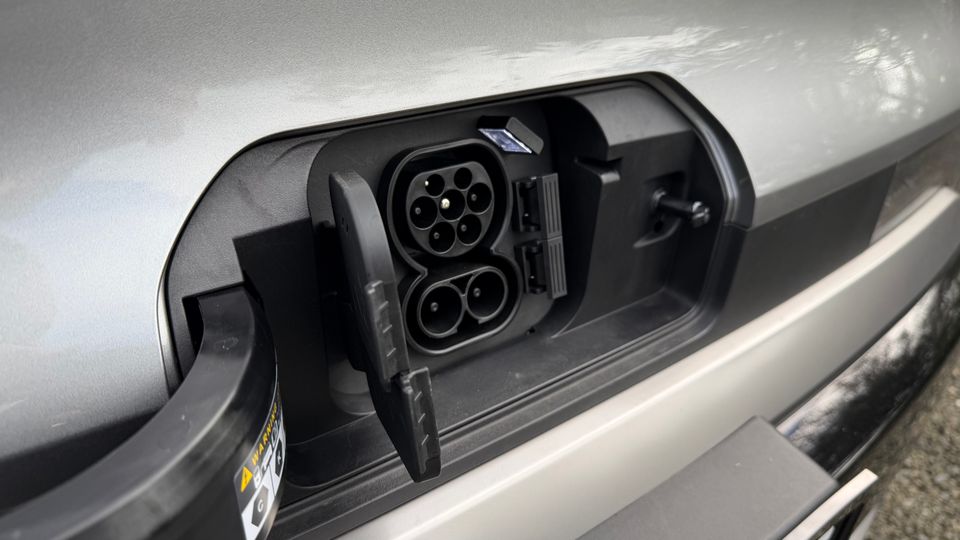
Charging flexibility is another strength. Every PV5 comes standard with an 11kW AC onboard charger, allowing a full recharge from 10 to 100 per cent in around six and a half hours using a compatible three-phase wallbox.
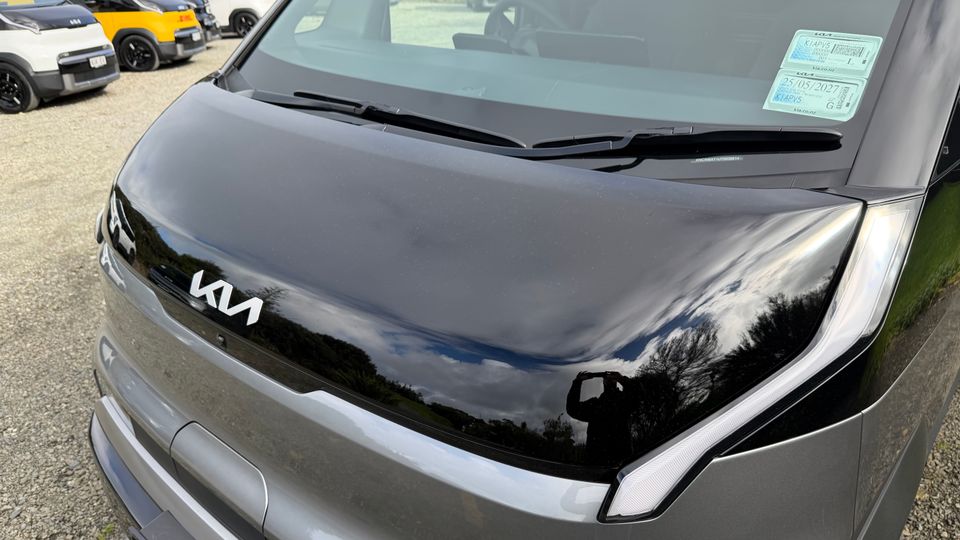
Buyers can also specify an optional 22kW AC charger, reducing that time to roughly three hours and 15 minutes — a worthwhile investment for businesses running multiple shifts or requiring minimal downtime between jobs.
On DC power, the PV5 accepts charging speeds of up to 150kW, enabling a 10 to 80 per cent recharge in approximately 30 minutes.
One limitation compared with larger diesel vans is towing. The PV5 is rated to tow 750kg, whether the trailer is braked or unbraked, meaning it's best suited to urban logistics, trades, and delivery work rather than heavy towing duties.
Still, as an efficient electric commercial vehicle designed primarily for metropolitan operation, the mechanical package feels well matched to its intended role.
You don't need to spend long behind the wheel of the Kia PV5 Cargo to realise it hasn't been engineered like a conventional van.
Most light commercial vehicles are designed around carrying heavy loads first, with ride quality and refinement often becoming secondary considerations. That's not the case here.
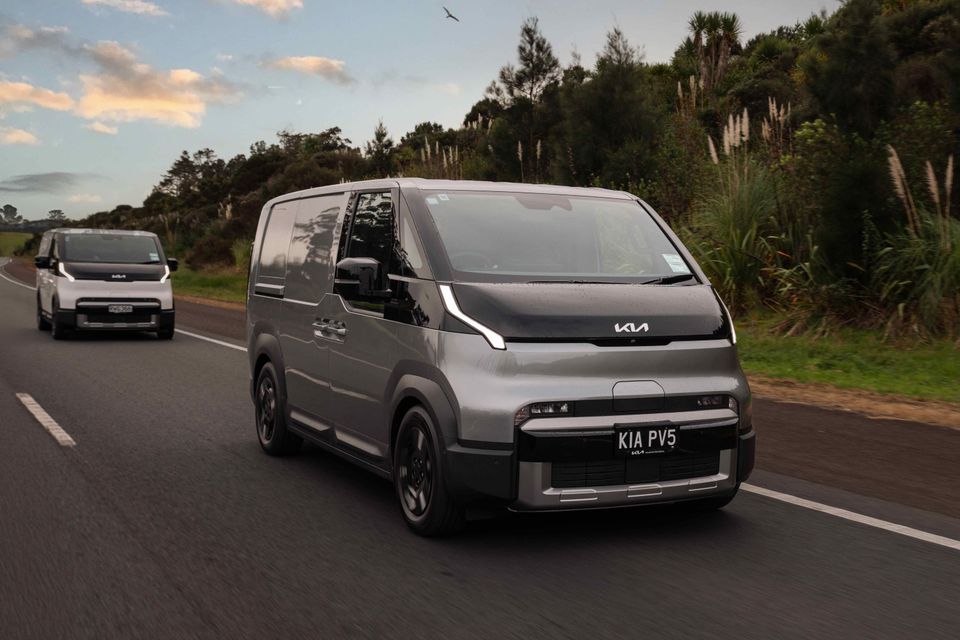
Thanks to its dedicated electric platform and underfloor battery pack, the PV5 immediately feels more planted than many diesel rivals. The low centre of gravity helps reduce body roll through corners, while the steering is more precise than you'd expect from a commercial vehicle.
It never disguises the fact you're driving a van, but it certainly feels more car-like than the segment norm.
Our launch route took us from Highbrook through Auckland's motorway network before heading west towards Muriwai, providing a mix of urban streets, open highways and winding rural roads.
Around town, the instant response of the electric motor makes the PV5 feel effortless. With 250Nm available immediately, it pulls away cleanly from traffic lights and slips into gaps with ease, even if outright acceleration isn't particularly brisk.
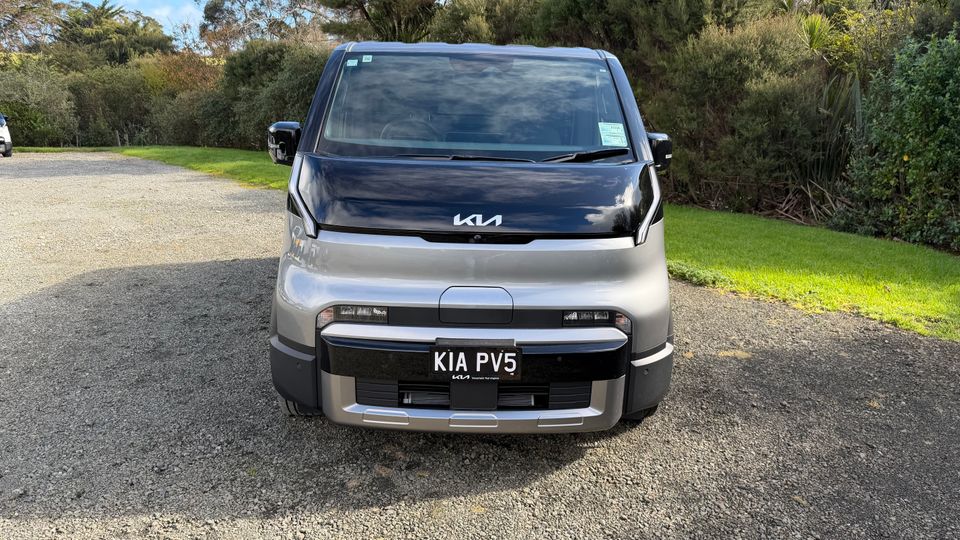
Kia specifically tuned the PV5 to accelerate softly from a standstill, so cargo isn't flying around in the back, before acceleration increases from about 20km/h. I found it's still fast enough to get our of a t-junction into a tight gap if needed.
Kia quotes a 0-100km/h time of 12.5 seconds for the Cargo, but that figure doesn't tell the whole story. Like many EVs, it's the initial surge that makes it feel responsive in day-to-day driving.
Ride comfort is another pleasant surprise. The suspension combines double wishbones at the front with a coupled torsion beam rear axle, striking a commendable balance between comfort and load-carrying ability.
Even with an empty cargo bay, the rear doesn't skip or crash over imperfections the way many unloaded vans do, giving the PV5 a composure that's closer to an SUV than a traditional commercial vehicle.
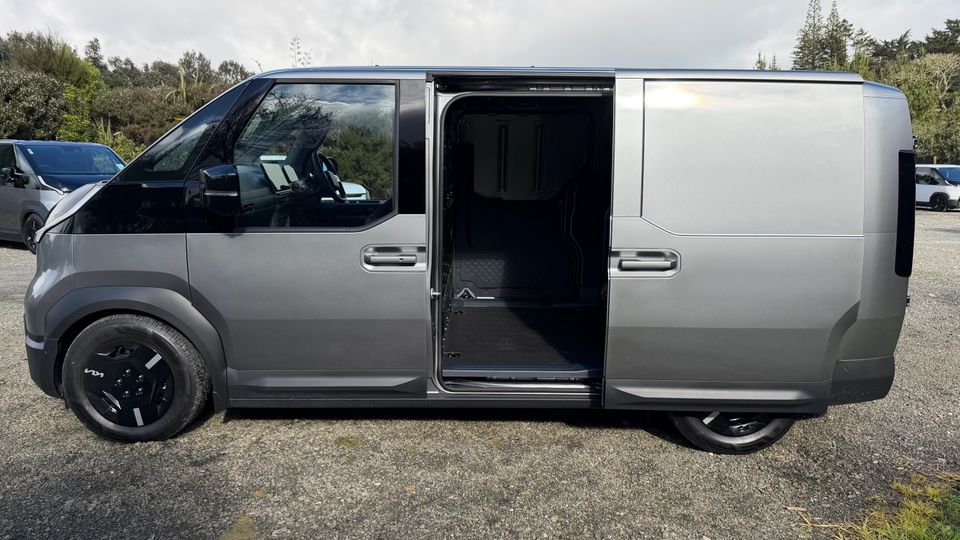
Refinement is equally impressive. With the cargo area sealed off behind a solid bulkhead and no diesel engine clattering away under the bonnet, road and wind noise are remarkably subdued.
At motorway speeds, conversations can be held without raised voices, something that can't always be said of conventional work vans. There is some wind noise present around the a-pillars at 100km/h, but that's to be expected from a box-shaped van punching a hole in the wind.
Visibility has also clearly been a priority during development. The expansive side glass and upright seating position provide an excellent view out, while the lack of rear windows is largely offset by an extensive suite of camera technology.
Standard equipment includes a Surround View Monitor, Blind Spot View Monitor, front, side and rear parking sensors, and rear cross-traffic alert, making manoeuvring in tight loading zones or crowded carparks surprisingly stress-free.
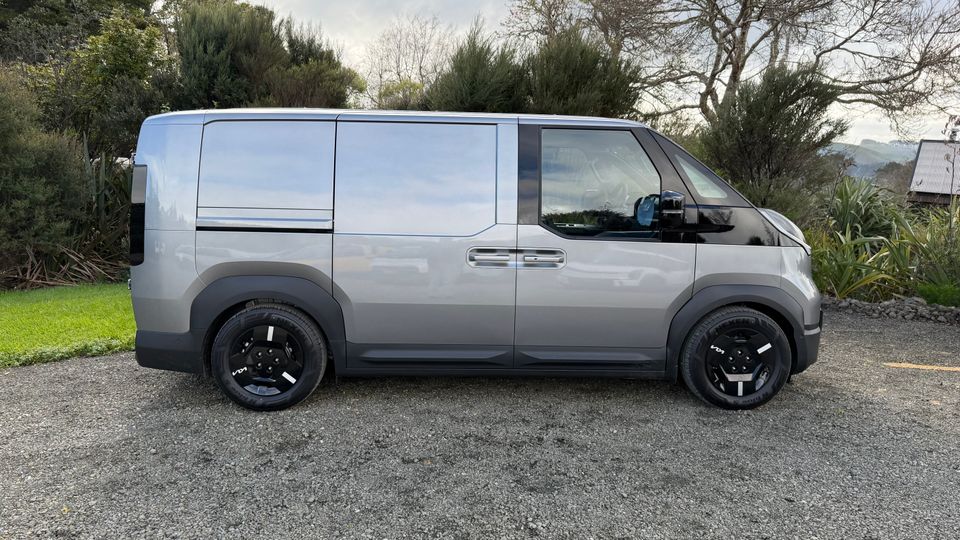
Where expert car reviews meet expert car buying – CarExpert gives you trusted advice, personalised service and real savings on your next new car.
The only ergonomic quirk is the low-mounted door tops, which make it difficult to comfortably rest an elbow on longer journeys. It's a small compromise made in the name of outward visibility, but one some drivers may notice.
Driver assistance technology is comprehensive too. Adaptive cruise control, lane centring, autonomous emergency braking and Highway Driving Assist reduce fatigue during longer motorway journeys, while the smooth delivery of the electric drivetrain means stop-start city traffic becomes considerably less taxing.
Perhaps the biggest compliment is that after a full day behind the wheel, the PV5 never feels like a commercial vehicle you're simply tolerating.
Instead, it feels like an electric passenger car that just happens to carry over four cubic metres of cargo.
Despite sitting at the entry point of Kia's new commercial vehicle range, the PV5 Cargo comes generously equipped.
2026 Kia PV5 Cargo standard equipment includes:
The Kia PV5 Cargo feels like a genuine step forward for the light commercial segment.
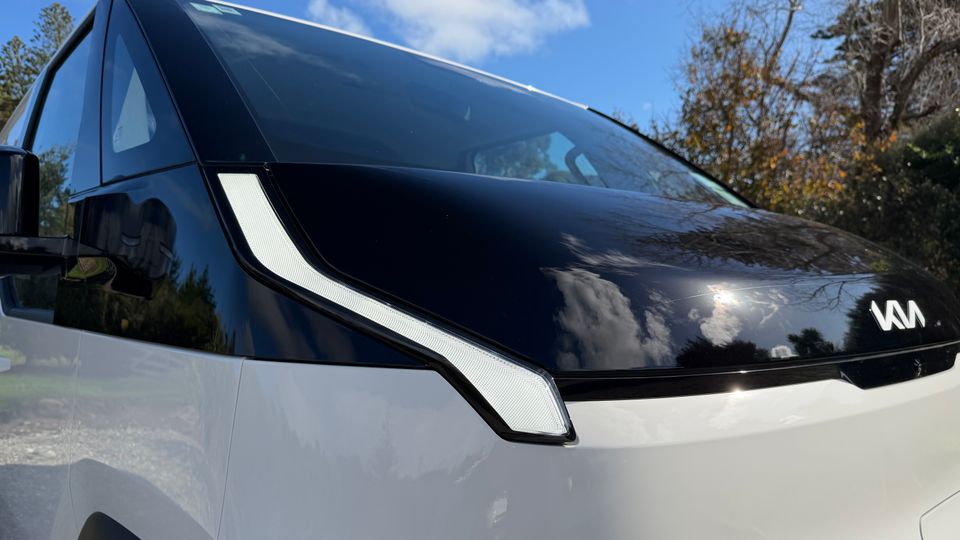
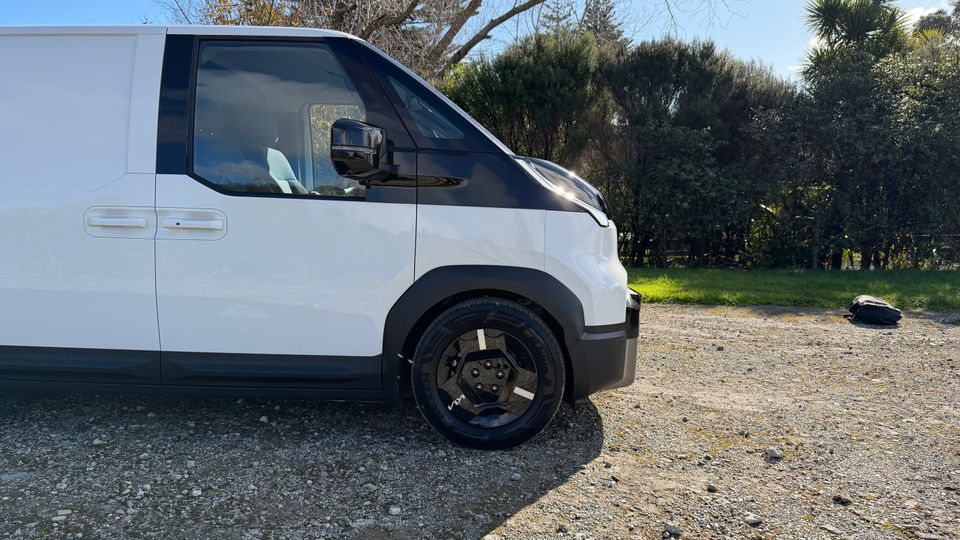
Rather than simply replacing a diesel engine with a battery and electric motor, Kia has rethought almost every aspect of what a modern work van should be. From the purpose-built E-GMP.S architecture to the thoughtfully designed cabin and extensive technology, the PV5 feels engineered around the people who spend their working lives behind the wheel.
Its biggest strengths are refinement, usability and efficiency. The smooth electric drivetrain, excellent visibility and genuinely comfortable driving experience make long working days noticeably less fatiguing, while the 416km WLTP range should comfortably cover the daily requirements of many urban businesses.
The technology also sets a new benchmark in the segment. Android Automotive, over-the-air software updates, Kia Connect and standard camera systems give the PV5 a level of sophistication many commercial vehicles still lack.
Of course, it won't suit everyone.
Businesses regularly towing heavy trailers or travelling long rural distances may still find a diesel van the better fit, while the 750kg towing capacity is modest by commercial vehicle standards. Likewise, buyers needing maximum cargo volume will likely wait for the larger PV7 or PV9 models due over the next few years.
Price is another consideration. At just under $65,000 before on-road costs, it isn't the cheapest electric van available.
However, when lower servicing costs, reduced energy bills, generous warranty coverage and longer service intervals are factored in, the ownership equation begins to look much stronger, particularly for fleet operators.
More importantly, the PV5 succeeds in making a commercial vehicle feel modern. It doesn't ask buyers to compromise simply because they're purchasing a van. Instead, it delivers much of the technology, refinement and ease of use we've come to expect from today's best passenger EVs.
If Kia's aim was to shake up the commercial vehicle market, the PV5 has made an impressive start.
As the first member of an expanding PBV family, it provides a compelling glimpse of where electric commercial vehicles are heading — and for many New Zealand businesses, that future looks surprisingly convincing.
Where expert car reviews meet expert car buying – CarExpert gives you trusted advice, personalised service and real savings on your next new car.
Quickly see how this car stacks up against its competition. Select any benchmark to see more details.
2026
$64,990
Dave is a Kiwi motoring journalist with experience in motorcycle racing, new car sales, radio and communications.
Add CarExpert as a Preferred Source on Google so your search results prioritise writing by actual experts, not AI.
Dave Kavermann
9 Hours Ago

CarExpert
10 Hours Ago

Matthew Hansen
11 Hours Ago
Dave Kavermann
13 Hours Ago

Derek Fung
14 Hours Ago
Dave Kavermann
15 Hours Ago
Add CarExpert as a Preferred Source on Google so your search results prioritise writing by actual experts, not AI.
† Displayed prices exclude on-road costs such as delivery charges, registration fees, number plates, insurance and applicable road taxes. These prices are subject to change without notice and may not reflect current market pricing or dealer offers.
 Automotive Vehicle Spec Data & 4K images Powered by JATO Dynamics Ltd