

 Showroom
 Car Chooser
 Compare
 Car Specifications

Dave Kavermann
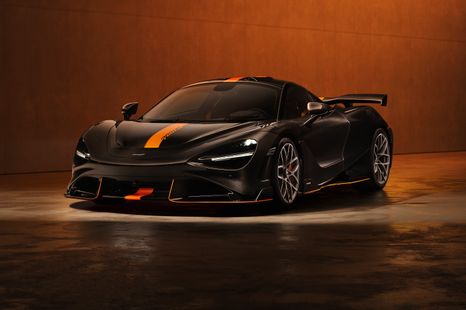
McLaren 788HS confirmed for New Zealand with $1 million-plus price tag
The McLaren 788HS serves as the swansong for the brand's current Super Series platform, and it's going out with a bang.
29 Minutes Ago
Tariffs, the rise of Chinese automakers, and the costs of developing both internal combustion and EV models are forcing Volkswagen to institute further cuts.

Journalist
Journalist
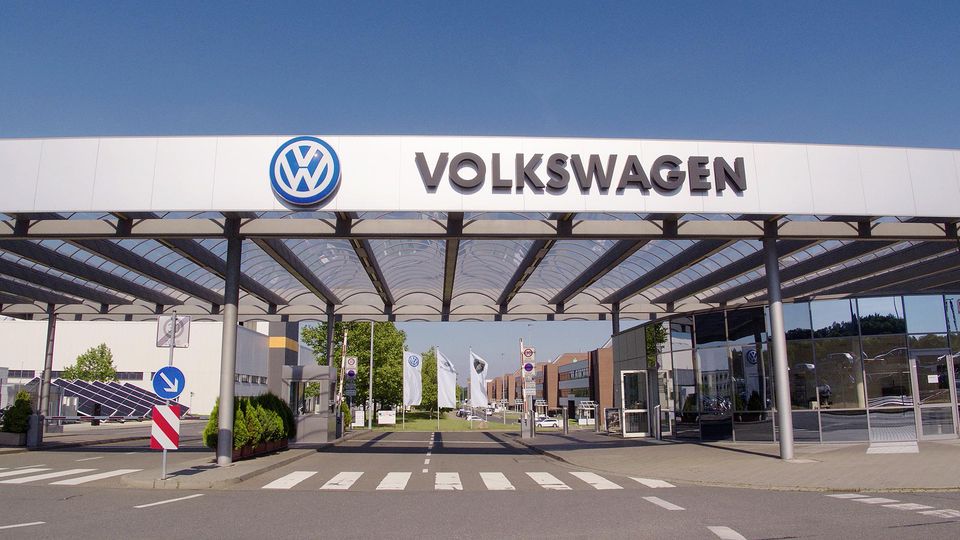
Recent reports indicated the Volkswagen Group was planning some drastic cuts, and the automaker has now begun fleshing out some of the detail.
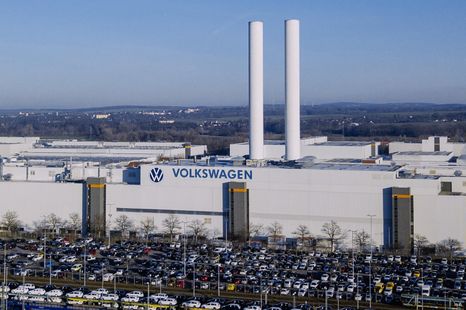
In a statement released on Friday afternoon, New Zealand time, the German auto giant said the executive board has presented to the supervisory board a 12-point plan to help revitalise the world's second-biggest automaker, but didn't go too far into the details.
A report at the end of June indicated that CEO Oliver Blume was keen to close four factories in Germany, and fire up to 100,000 staff. The company's statements to the press today only hinted at this proposal.
This is likely because any job cuts and plant closures are still being considered by the supervisory board, half of which, under German law, are elected by employees.
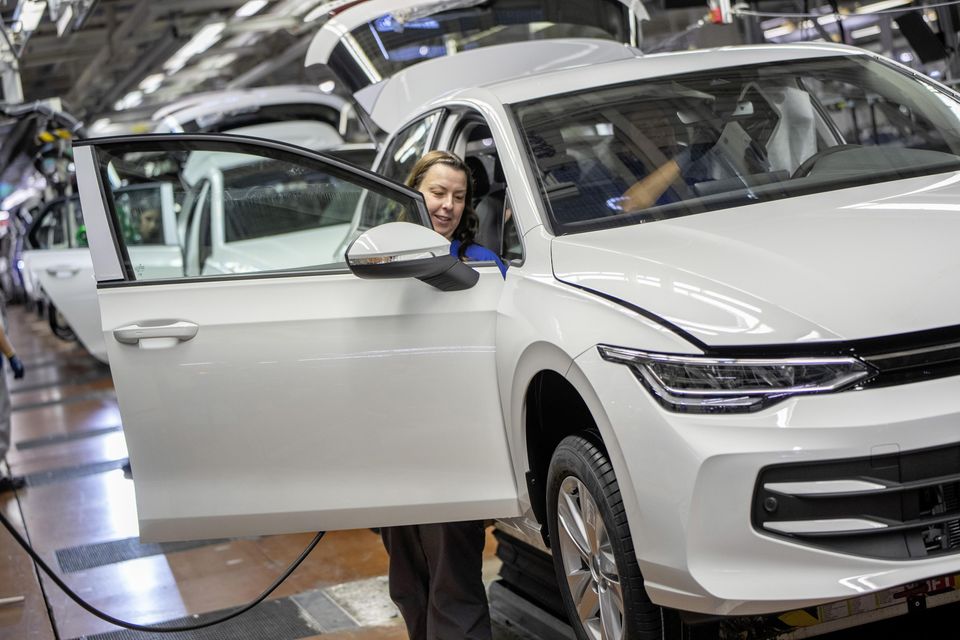
However, the company did confirm it plans to reduce production capacity to nine million vehicles per year, down from the current 10 million cars per year. This represents a significant cut in manufacturing capability, which was expanded to 12 million vehicles per year just before the COVID-19 pandemic.
Most of the reduction in capacity will come in China and Germany, which lines up with the June report, as well as the company's ongoing "realignment" of its Chinese division.
Some parts of today's plan are being implemented "with immediate effect", including a pledge to "gradually" trim the group's model offerings by 50 per cent, as well as reduce variant complexity – think trim levels, equipment packages and drivetrain options – by 75 per cent.
Volkswagen has offered no indication as to which models will be cut, simply saying it will concentrate on "the most attractive market segments".
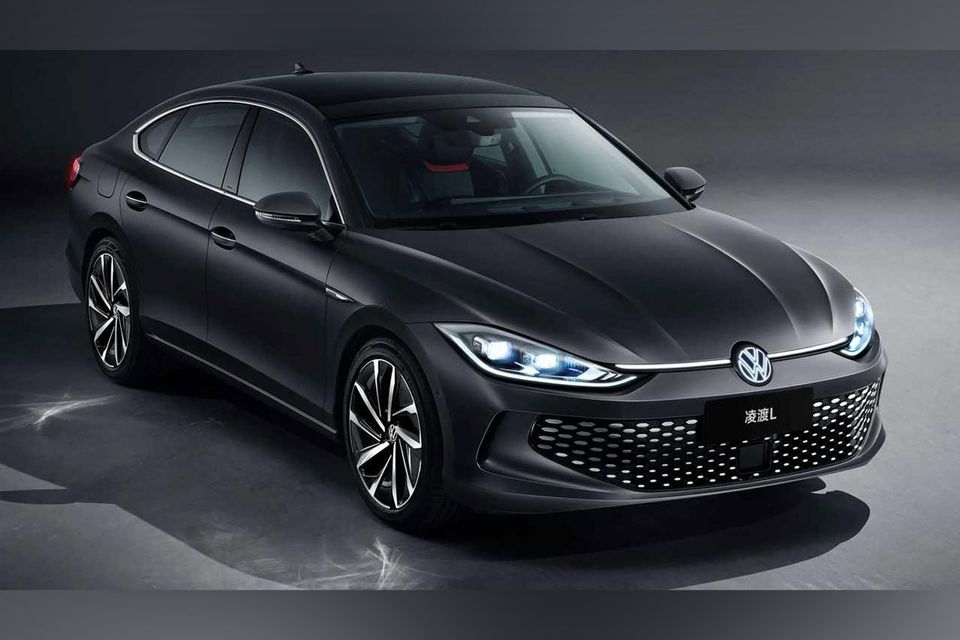
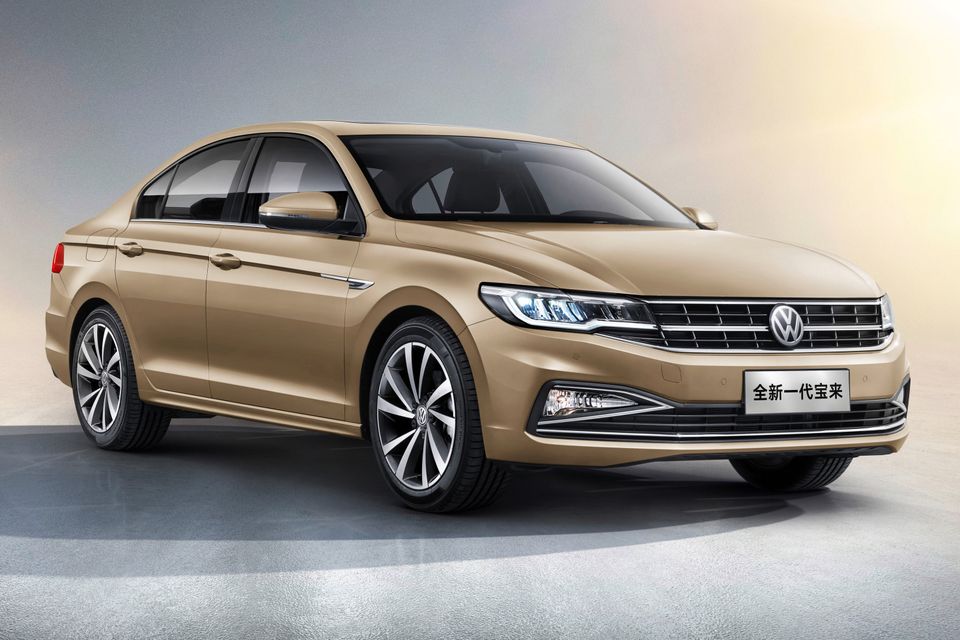
Like rival Toyota, Volkswagen caters for its most important markets with a variety of regional and global models. In China, it has three joint ventures, with SAIC, FAW and JAC, and each of these produce unique model offerings.
For example, in the small/mid-size sedan space (4.6 to 4.7m) Volkswagen offers the Bora, Sagitar, Sagitar S, Lamando, Lavida, and Jetta VA7.
It will also reduce overlap in platforms, electronic architectures, and software, all of which will be "harmonised and concentrated to meet the requirements of the western and eastern hemispheres".
On top of all this, the automaker says it will "focus on the automotive core business". It recently raised €7.4 billion (A$12.2bn) by selling off a majority stake in Everllence, formerly known as MAN Energy Solutions, which mainly produces large diesel engines for marine and stationary applications, as well as industrial turbines and compressors.
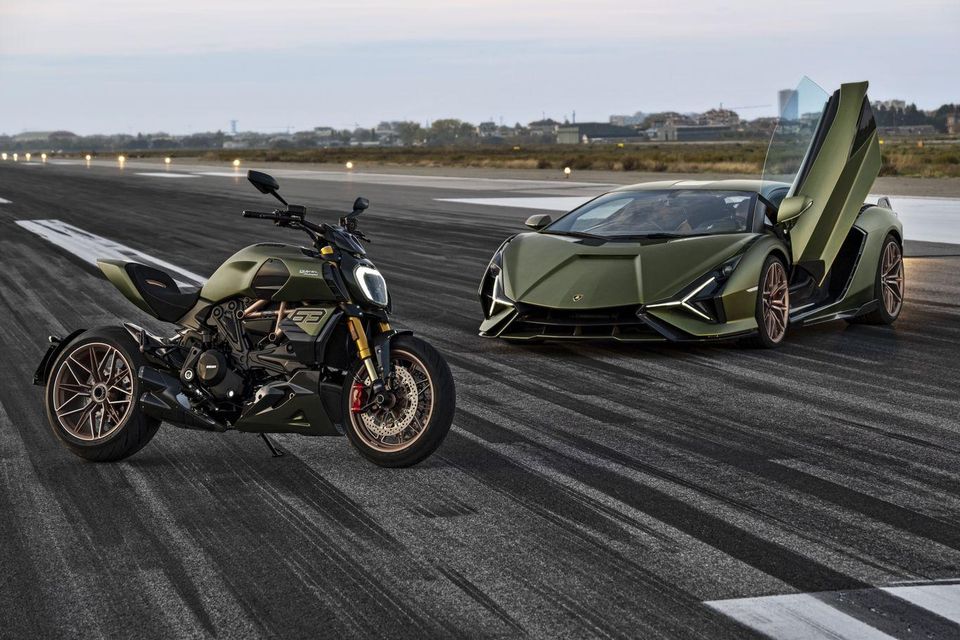
There continue to be rumours about the company's desire to offload Lamborghini and Ducati, both of which are under the control of Audi.
According to Arno Antlitz, the Volkswagen Group's chief financial officer, the previously agreed-to rounds of cost-cutting "are not sufficient in the current economic and geopolitical environment". He said the company needs to "fundamentally realign our business model and achieve structural, sustainable improvements", while also "accelerating technology development and decision-making".
In a prepared statement, Group CEO Oliver Blume said the goal of the plan, which currently lacks a snappy name, is to "make the Volkswagen Group the most attractive automotive company in the world" by 2030.
Derek Fung would love to tell you about his multiple degrees, but he's too busy writing up some news right now. In his spare time Derek loves chasing automotive rabbits down the hole. Based in New York, New York, Derek loves to travel and is very much a window not an aisle person.
Dave Kavermann
29 Minutes Ago
Dave Kavermann
1 Hour Ago
Derek Fung
3 Hours Ago
Dave Kavermann
4 Hours Ago

CarExpert
20 Hours Ago
Derek Fung
21 Hours Ago
Add CarExpert as a Preferred Source on Google so your search results prioritise writing by actual experts, not AI.