

 Showroom
 Car Chooser
 Compare
 Car Specifications

CarExpert
2026 CarExpert Choice Awards: Best Luxury EV
This award category covers premium electric vehicles that combine electrification with luxury, advanced technology, and performance.
48 Minutes Ago
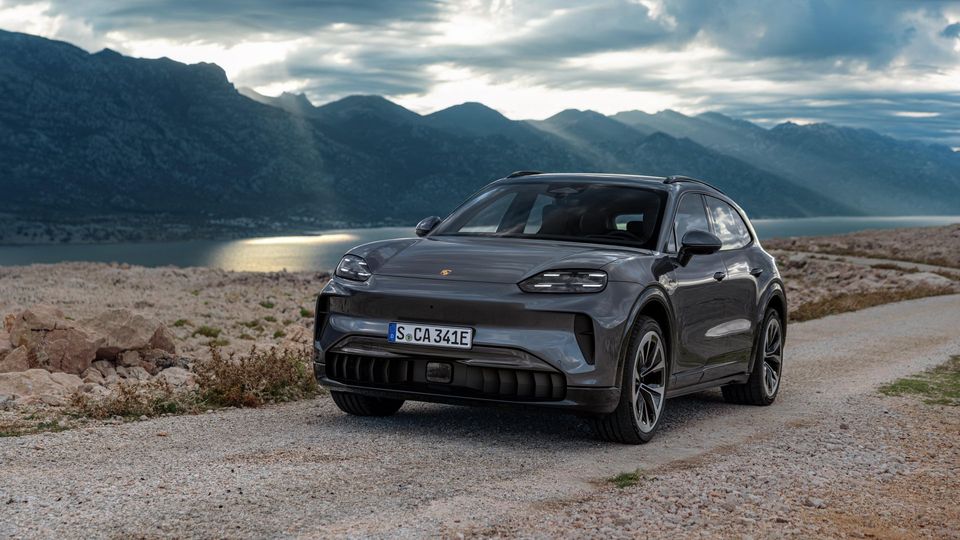
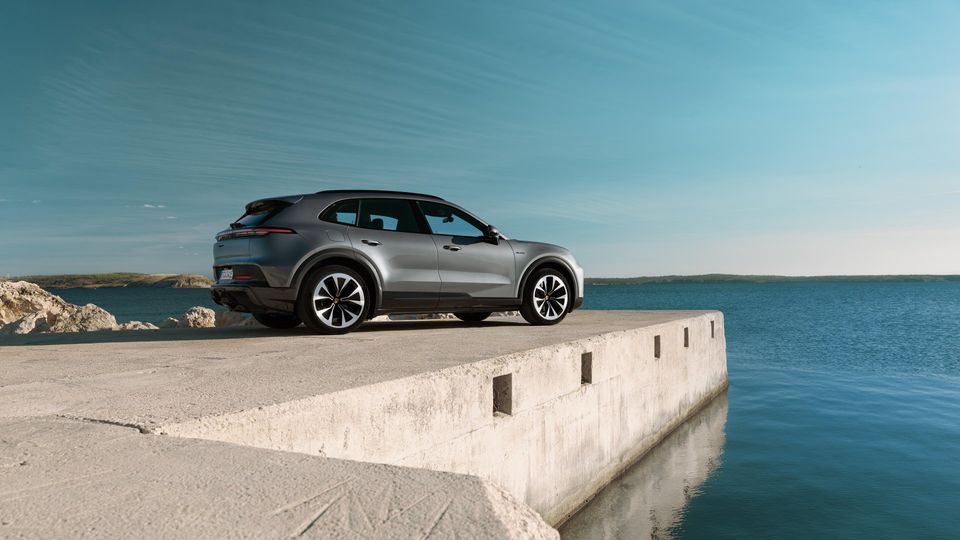
Porsche isn't replacing the Cayenne with an EV. Instead it's adding a new chapter to its story, headlined by the most powerful production car in the company's history.
Where expert car reviews meet expert car buying – CarExpert gives you trusted advice, personalised service and real savings on your next new car.
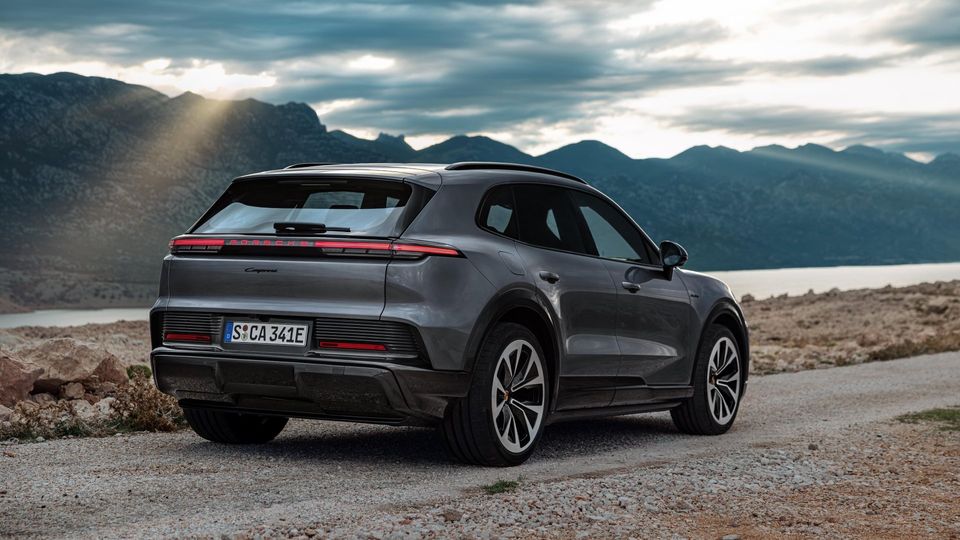
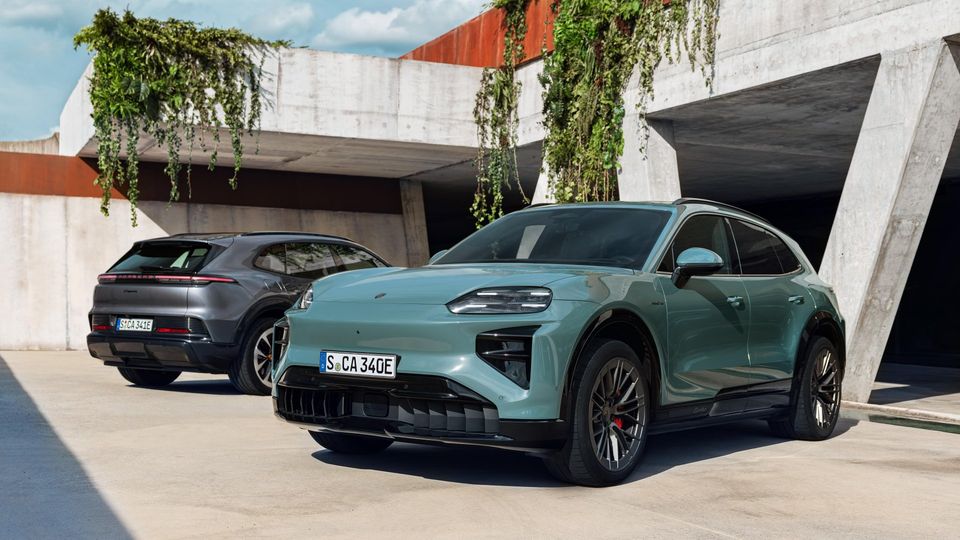
More than two decades after the original Cayenne transformed Porsche from a niche sports car manufacturer into one of the world's most profitable luxury brands, the company has unveiled an all-electric successor, built from the ground up on an entirely new platform.
Importantly, The Porsche Cayenne Electric won't mark the end of the petrol-powered model, with Porsche confirming to us that the internal combustion and hybrid Cayennes (include two V8 models) will continue alongside the electric version “well into the next decade”.
That gives buyers more choice than ever before, but also creates a clear technological flagship. The Porsche Cayenne Electric sits on the Volkswagen Group's Premium Platform Electric (PPE) architecture, shared with the Macan Electric and Audi Q6 e-tron, though Porsche says virtually every major component has been engineered specifically for the larger Cayenne SUV.
The New Zealand lineup launches with three variants, each available in regular SUV and Coupe body styles. Every version uses dual-motor all-wheel drive, a 113kWh battery and an 800-volt electrical architecture capable of charging at up to 390kW.
Performance is where things become truly extraordinary. The entry-level model promises plenty, producing up to 325kW and claiming a 4.8-second sprint from standstill to 100km/h, while offering more than 600km of WLTP driving range.
However the flagship looks set to redefine what 'fast SUV' means, developing up to 850kW and 1500Nm in Launch Control mode. That makes the Cayenne Turbo Electric the most powerful production Porsche ever built. Despite tipping the scales at around 2.6 tonnes, Porsche claims it can sprint from 0-100km/h in just 2.5 seconds, putting it firmly into supercar territory.
Our first taste of the Cayenne Electric came at Hampton Downs Motorsport Park, where Porsche New Zealand gave us the opportunity to sample both the standard Cayenne Electric and range-topping Turbo on circuit and through a slalom course.
It's hardly the ideal environment to judge ride comfort, refinement or real-world efficiency, and a proper road test will have to wait. But it was enough to discover whether Porsche has managed to preserve the Cayenne's sporting DNA while making the leap to battery power.
If first impressions are anything to go by, Stuttgart has another winner on its hands.
The Porsche Cayenne Electric enters New Zealand as the brand's new flagship SUV, and its pricing reflects both its technology and performance.
Model | Price |
|---|---|
Cayenne Electric | $215,000 |
Cayenne Electric Coupe | $224,900 |
Cayenne S Electric | $242,500 |
Cayenne S Electric Coupe | $249,000 |
Cayenne Turbo Electric | $295,000 |
Cayenne Turbo Electric Coupe | $311,900 |
The range opens at $215,000 before on-road costs for the standard Cayenne Electric, climbing to $242,500 for the Cayenne S Electric and $295,000 for the flagship Turbo. Buyers wanting the sleeker Coupe body style will pay between $6500 and $16,900 extra depending on variant.
That positions the Cayenne Electric above the equivalent petrol V6, but Porsche isn't asking buyers to abandon combustion entirely. Instead, the electric model becomes the technological halo while the existing petrol and plug-in hybrid Cayennes continue to be sold alongside it.
As is typical Porsche fashion, the options catalogue is extensive. Rear-axle steering costs $3420, while Porsche Electric Sport Sound is a $1010 option on the base Cayenne but standard on S and Turbo variants.
The standout chassis upgrade is Porsche Active Ride suspension, available on the S and Turbo for $16,700. It's undoubtedly expensive, but after experiencing it on track it could prove to be one of the most worthwhile options available.
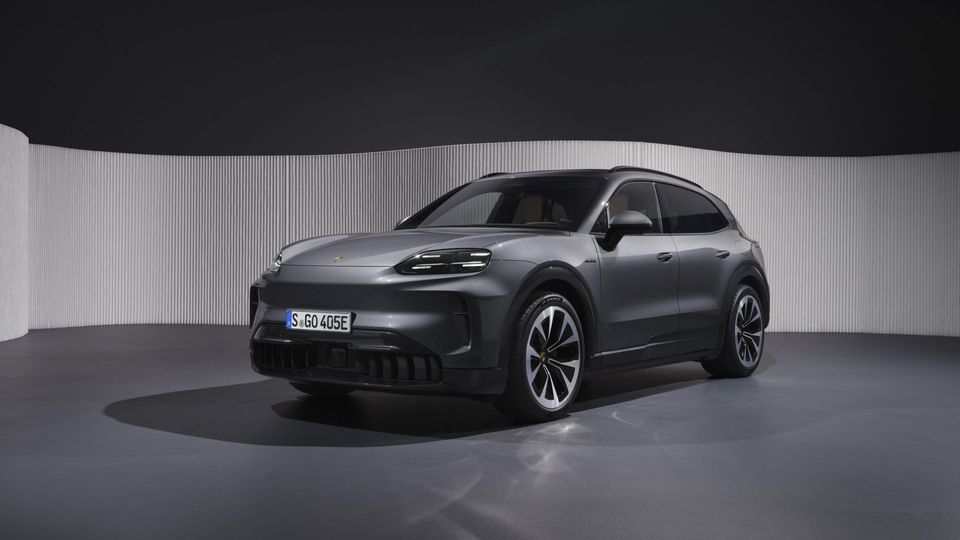
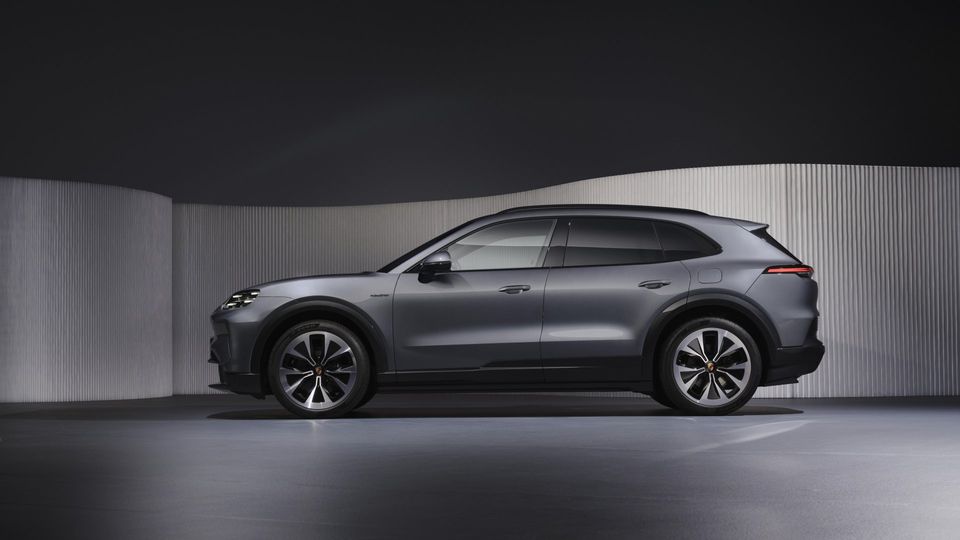
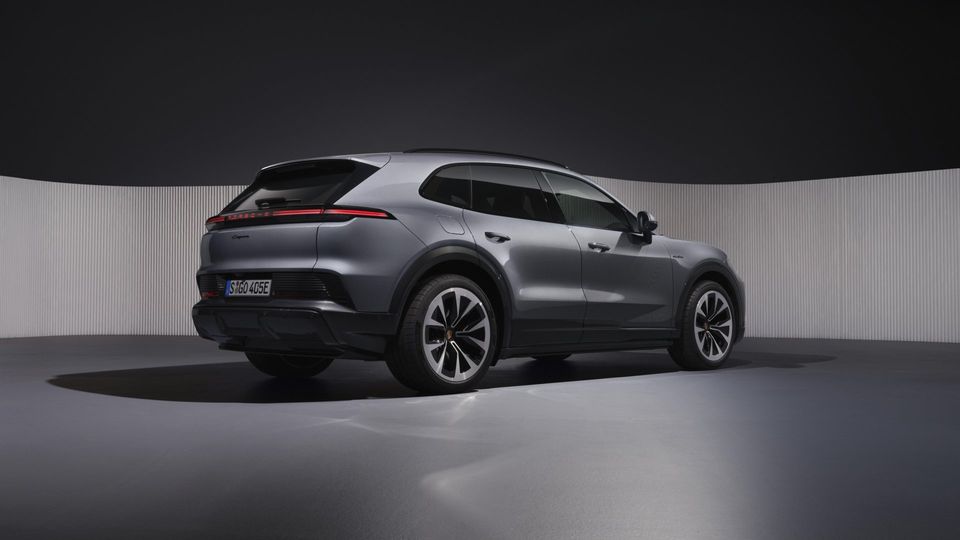
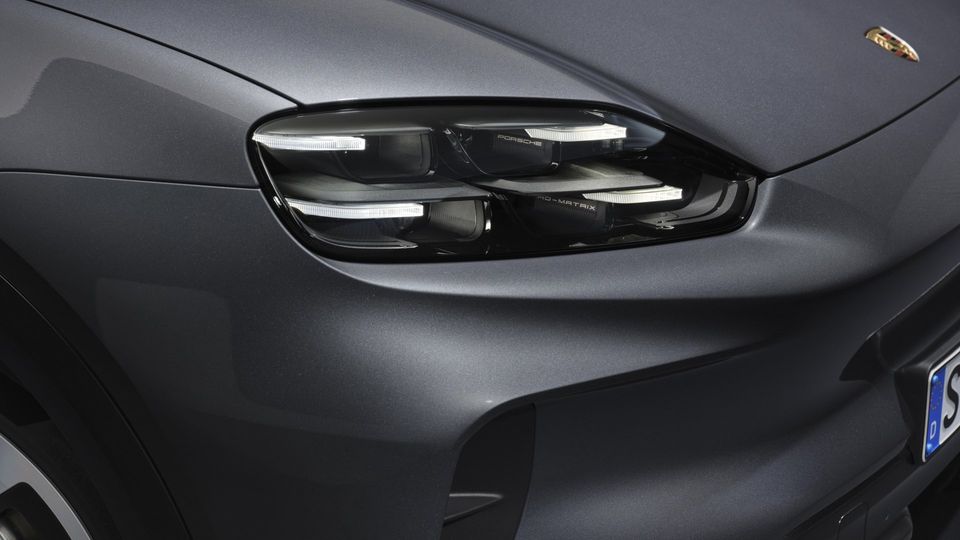
All variants come standard with adaptive air suspension, Matrix LED headlights, dual-motor all-wheel drive, a large curved digital cockpit, wireless smartphone connectivity, heated front seats, powered tailgate, and Porsche's latest infotainment system with integrated charging planner.
Compared with similarly priced luxury electric SUVs such as the Lotus Eletre, Mercedes-AMG EQE SUV and BMW iX, the Cayenne Electric sits firmly at the performance-focused end of the segment.
The Turbo, in particular, occupies a niche of its own, delivering outputs and acceleration figures that eclipse almost every production SUV currently on sale.
It's undoubtedly expensive, but buyers spending this sort of money are unlikely to find another electric SUV that combines Porsche's engineering pedigree, outright performance and everyday practicality in quite the same way.
Step inside the Cayenne Electric and it's immediately obvious Porsche hasn't simply transplanted the Macan Electric's cabin into a larger body. Instead, this is an entirely new interior that introduces the brand's latest design language while still feeling unmistakably Porsche.
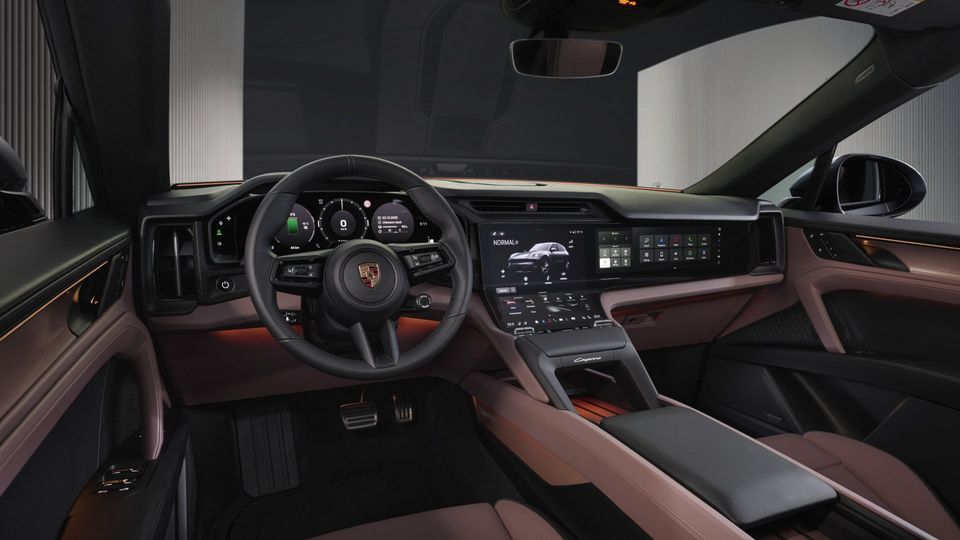
The centrepiece is the new 'Flow Display', a sweeping curved OLED touchscreen that stretches elegantly across the centre console. Unlike many modern touchscreens, Porsche has clearly considered usability. A padded wrist rest sits directly beneath the display, allowing you to steady your hand while making selections on the move. It sounds like a small detail, but after a few laps of Hampton Downs it proved remarkably effective.
The dashboard is clean and minimalist, yet still driver-focused. A 14.25-inch curved digital instrument cluster sits ahead of the steering wheel, complemented by an available 14.9-inch passenger display and an augmented reality head-up display projected onto what Porsche says is the equivalent of an 87-inch virtual screen.
The infotainment system is significantly more advanced than previous Porsche products, introducing Android Automotive, downloadable apps, streaming services, AI-powered voice assistance and extensive personalisation options through configurable widgets and display themes.
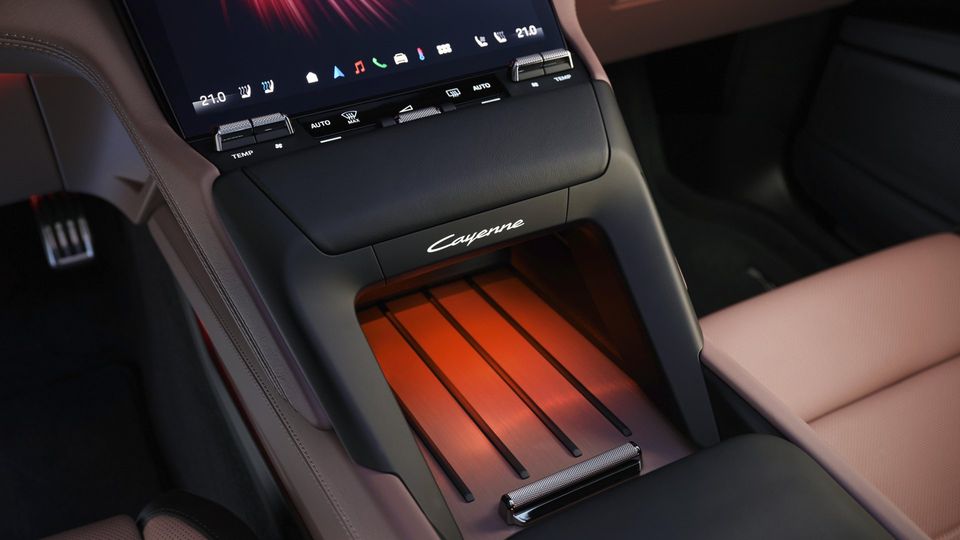
Thankfully, Porsche hasn't fallen into the trap of burying absolutely everything inside menus. Frequently used functions still receive dedicated physical controls, making the cabin easier to use than many rival luxury EVs.
Material quality is exactly what you'd expect from a Porsche costing well over $215,000. Soft-touch surfaces cover almost every contact point, while aluminium, carbon fibre and high-quality leather trims dominate depending on specification. Buyers can also choose a completely leather-free interior trimmed in Race-Tex and Pepita fabric.
Space is another clear improvement over today's petrol Cayenne. Thanks to a wheelbase stretched by almost 130mm, rear-seat passengers enjoy noticeably greater leg room, while electrically adjustable rear seats allow buyers to prioritise either passenger comfort or luggage space.
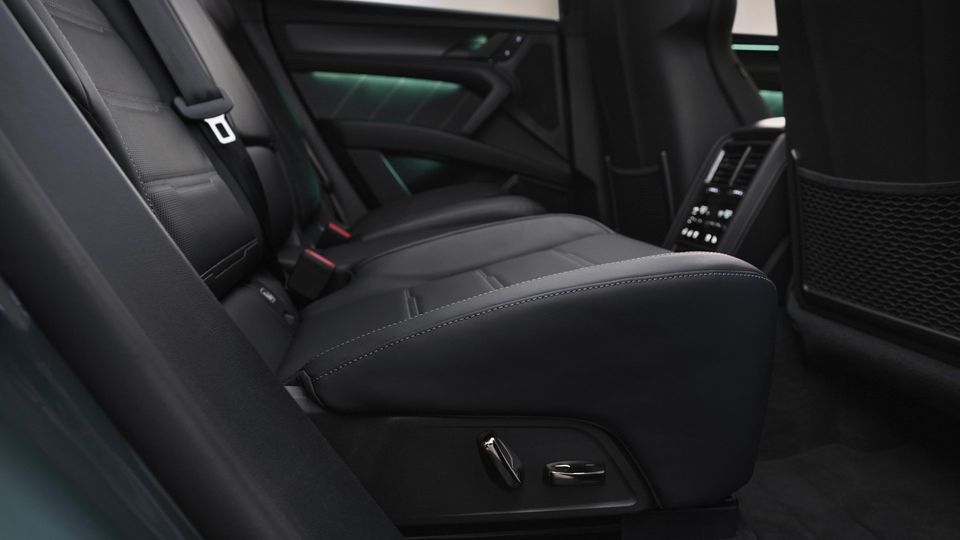
Practicality hasn't been sacrificed either. Along with a 90-litre front boot, luggage capacity grows to as much as 1588 litres with the rear seats folded, while towing capacity remains an impressive 3500kg.
The cabin also introduces several new luxury touches including ambient communication lighting, surface heating built into the armrests and door panels, expanded massage functions, and Porsche's new Mood Modes, which alter everything from seat position and climate control to lighting, display graphics and even Spotify playlists.
It's an undeniably high-tech interior, but unlike some rivals it never feels intimidating. Porsche has combined modern digital functionality with thoughtful ergonomics, creating one of the most convincing luxury cabins in the segment.
There's obviously no engine beneath the Cayenne Electric's bonnet, but Porsche has packed an extraordinary amount of technology underneath its sleek bodywork.
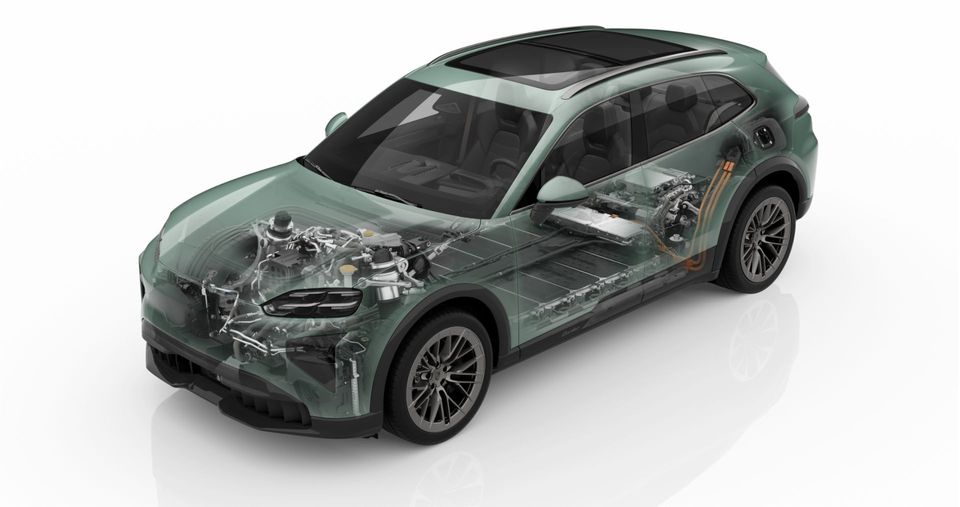
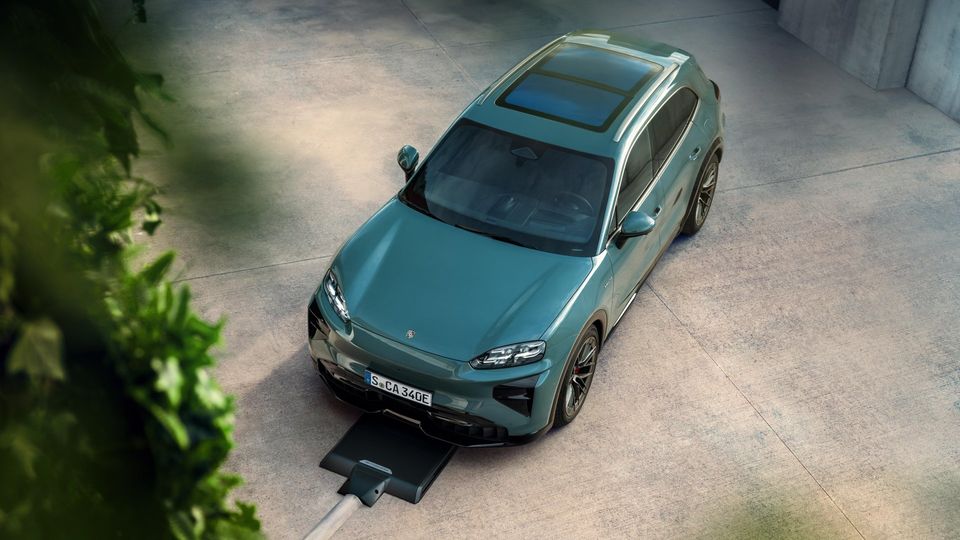
Every Cayenne Electric sold in New Zealand uses the same 113kWh lithium-ion battery mounted within the PPE platform, paired with dual electric motors driving all four wheels through a two-speed rear transmission. That common architecture means every version benefits from the same 800-volt electrical system, ultra-fast charging capability and advanced thermal management.
Outputs vary significantly depending on which badge sits on the tailgate. The entry-level Cayenne Electric produces 300kW in normal driving, rising to 325kW when Launch Control is activated. It completes the 0-100km/h sprint in a claimed 4.8 seconds.
Step up to the Cayenne S Electric and outputs climb to 400kW normally or 490kW with Launch Control, trimming the sprint time to just 3.8 seconds.
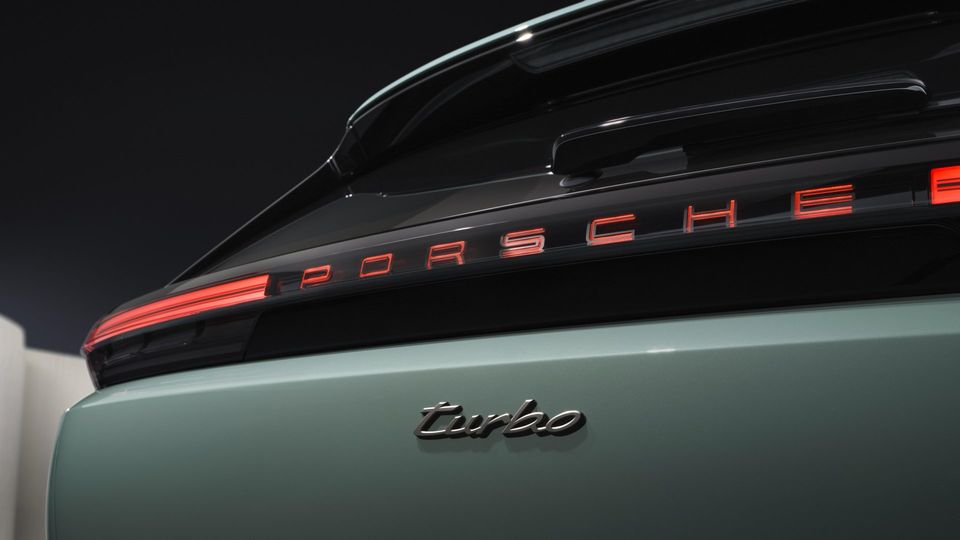
Then comes the Turbo.
Its standard output already sits at an extraordinary 630kW, but engaging Launch Control unlocks a staggering 850kW and 1500Nm for short bursts, enough to launch this 2645kg SUV from 0-100km/h in only 2.5 seconds. That makes it the most powerful production Porsche ever built.
The Turbo also receives Porsche's Formula E-inspired direct oil-cooled rear motor, designed to maintain maximum performance even after repeated hard acceleration. During our track session, Porsche encouraged repeated Launch Control starts and the drivetrain showed no signs of thermal fade or reduced output.
Efficiency remains impressive despite those figures. Porsche quotes WLTP driving ranges exceeding 600km across the lineup, while the 800-volt electrical architecture supports charging at up to 390kW under ideal conditions. Porsche claims a 10-80 per cent recharge can take less than 16 minutes on a sufficiently powerful DC charger, although New Zealand's public charging network currently can't deliver those peak speeds.
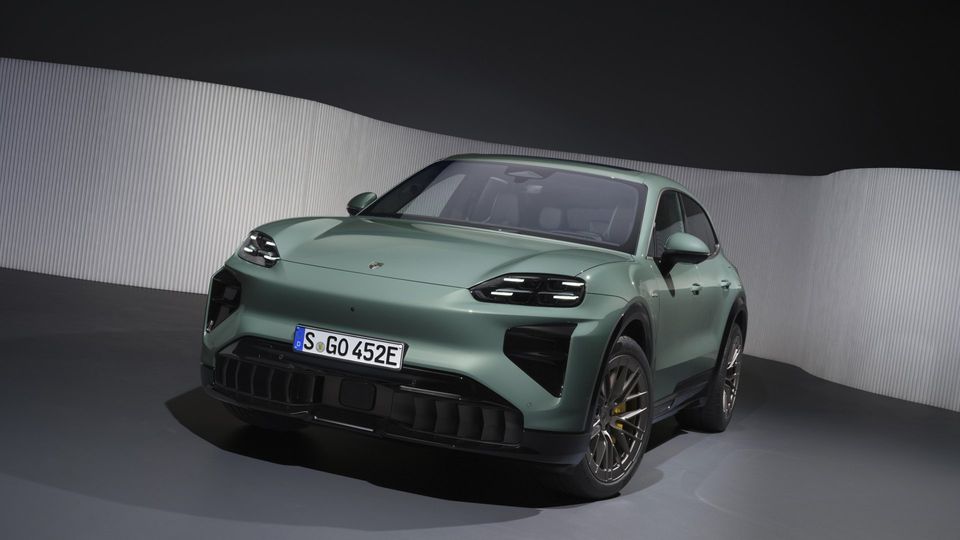
Regenerative braking is equally impressive, capable of harvesting up to 600kW during deceleration. Porsche says around 97 per cent of everyday braking can be handled through regeneration alone before the conventional hydraulic brakes are required.
On paper, the Cayenne Electric delivers exactly what buyers expect from a Porsche: enormous performance backed by genuine engineering sophistication rather than headline figures alone.
Cayenne Electric | Cayenne S Electric | Cayenne Turbo Electric | |
|---|---|---|---|
Battery | 108kWh usable | 108kWh usable | 108kWh usable |
Drive | Dual-motor AWD | Dual-motor AWD | Dual-motor AWD |
Power | 325kW | 490kW | 850kW |
Torque | 835Nm | 1080Nm | 1500Nm |
0-100km/h | 4.8sec | 3.8sec | 2.5sec |
Claimed range (WLTP) | 643km | 653km | 624km |
DC charging | Up to 390kW | Up to 390kW | Up to 390kW |
We'll need to reserve full judgement until we've driven the Cayenne Electric on New Zealand roads, but even a brief taste at Hampton Downs Motorsport Park was enough to understand Porsche hasn't lost sight of what has always made the Cayenne special.
This might be a 2.6-tonne electric SUV, but it certainly doesn't behave like one.
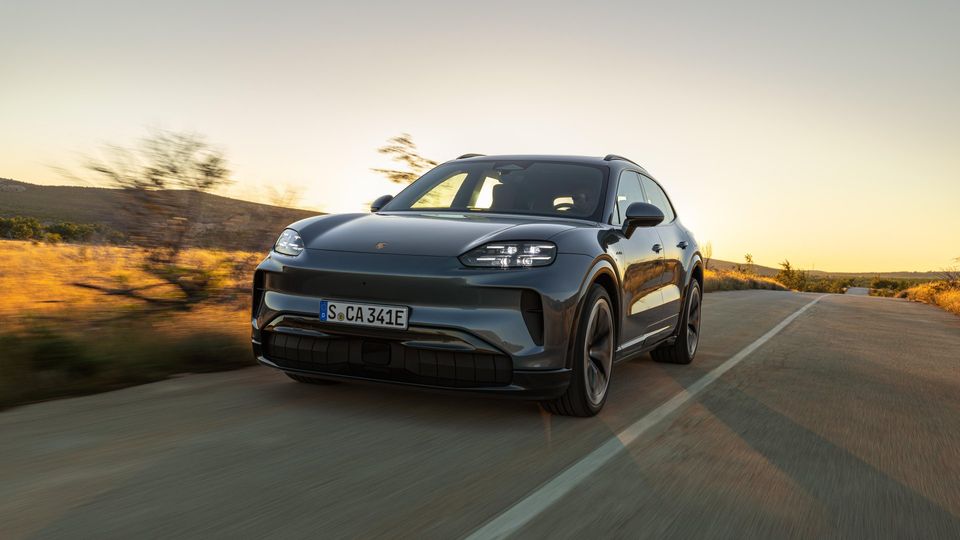
Our drive included several laps of Hampton Downs in both the entry-level Cayenne Electric and the flagship Turbo, along with a slalom course designed to demonstrate the chassis' agility and electronic systems.
The first thing that strikes you is the sheer effortlessness of the performance.
Even the standard Cayenne Electric feels properly quick. Its 300kW output delivers immediate acceleration, and it'll comfortably satisfy the overwhelming majority of buyers.
It punches out of slower corners with the instant response only an EV can provide, while the standard adaptive air suspension keeps body movements well controlled.
Acceleration remains rapid until about 130km/h, when a lot of EVs start to taper off, so it's plenty fast enough for our roads.
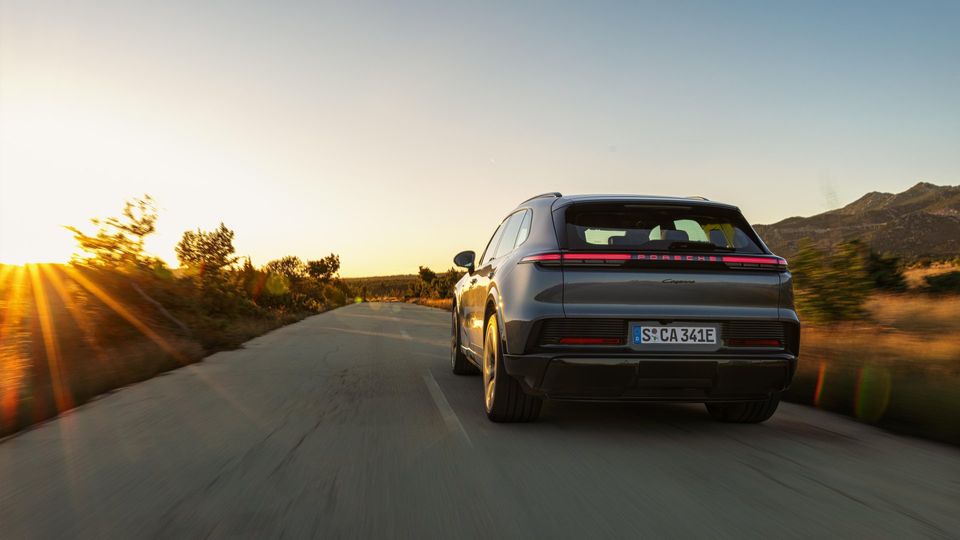
Push harder, however, and you begin to appreciate what separates the Turbo. Selecting Sport Plus mode, planting your left foot on the brake and burying the accelerator activates Launch Control. The drivetrain briefly preloads before unleashing all 850kW and 1500Nm in one violent hit.
The result is unlike almost anything else on four wheels. The scenery disappears towards the horizon with astonishing violence. And unlike the base Cayenne Electric, the Turbo shows no signs of slowing down above 130km/h.
Porsche claims 0-100km/h in 2.5 seconds, and having experienced it first-hand, that figure feels entirely believable. There is a brief chirp from the front tyres before the all-wheel drive system hooks up and catapults the Cayenne towards the first corner with relentless force.
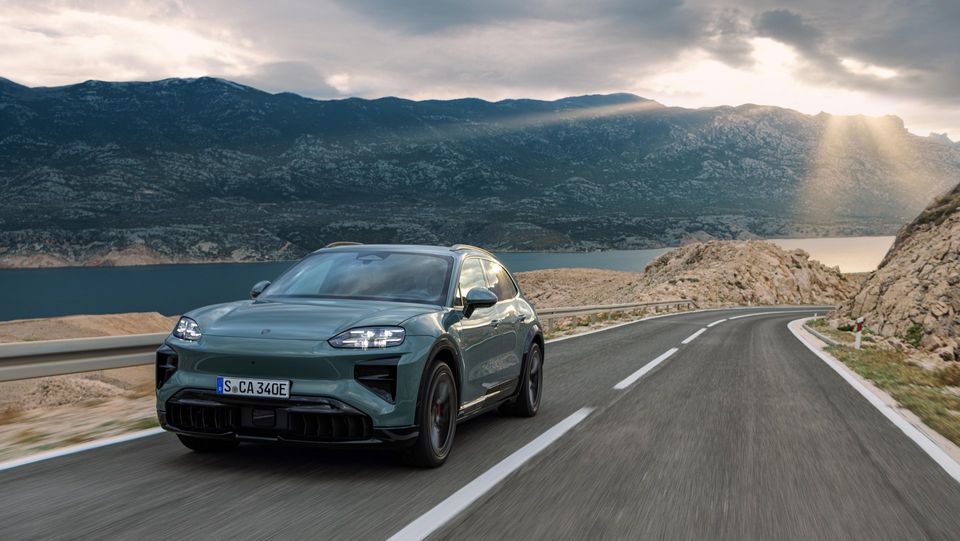
Remarkably, Porsche encouraged repeated Launch Control demonstrations throughout the day, and the Turbo showed no sign of reducing performance despite the sustained punishment.
More impressive than the straight-line pace, though, is the way the Cayenne disguises its mass.
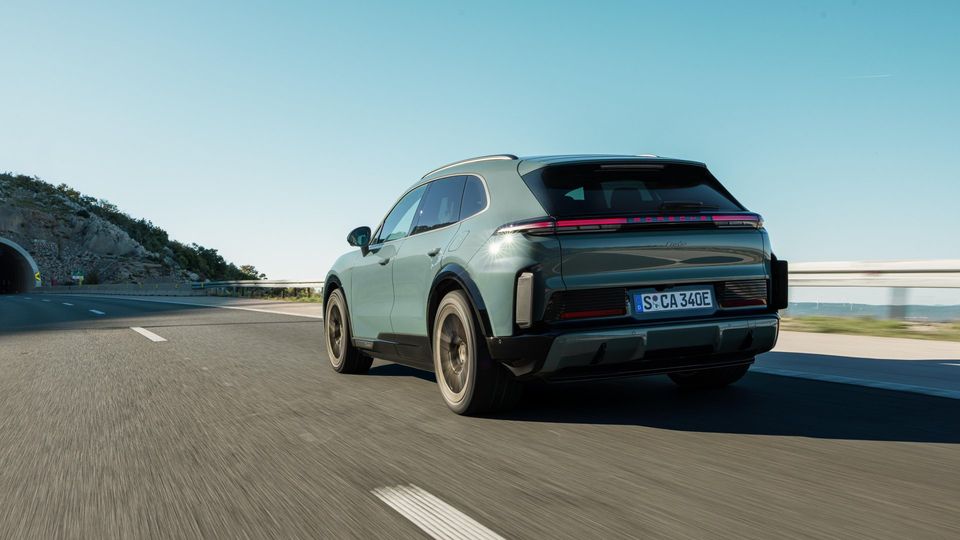
The Turbo we drove was fitted with the optional Porsche Active Ride suspension, and it's genuinely transformative. Unlike conventional adaptive dampers, the system actively controls each corner of the vehicle, reducing pitch under braking, squat under acceleration and body roll through corners.
On the slalom course, it almost defies physics. Turn into the first cone and the body simply refuses to lean. Instead, the suspension subtly lifts the outside of the vehicle to keep everything level, making transitions between left and right feel far more natural than you'd expect from something weighing well over two-and-a-half tonnes.
Where expert car reviews meet expert car buying – CarExpert gives you trusted advice, personalised service and real savings on your next new car.
Rear-axle steering further sharpens the experience, helping the Cayenne rotate eagerly into tighter corners while disguising its substantial 3023mm wheelbase.
Jumping back into the standard Cayenne immediately highlights the difference.
It's still an impressively composed SUV, but there's noticeably more body movement through quick direction changes, particularly at the rear. It's by no means untidy, but the Turbo's optional chassis technology gives it a level of precision that's difficult to comprehend until you've experienced it.
Perhaps most surprising is how approachable the Cayenne feels.
Despite its enormous outputs, the steering remains predictable, grip levels are immense and the electronic systems work subtly in the background rather than dominating the experience. The Turbo never feels intimidating; just devastatingly capable.
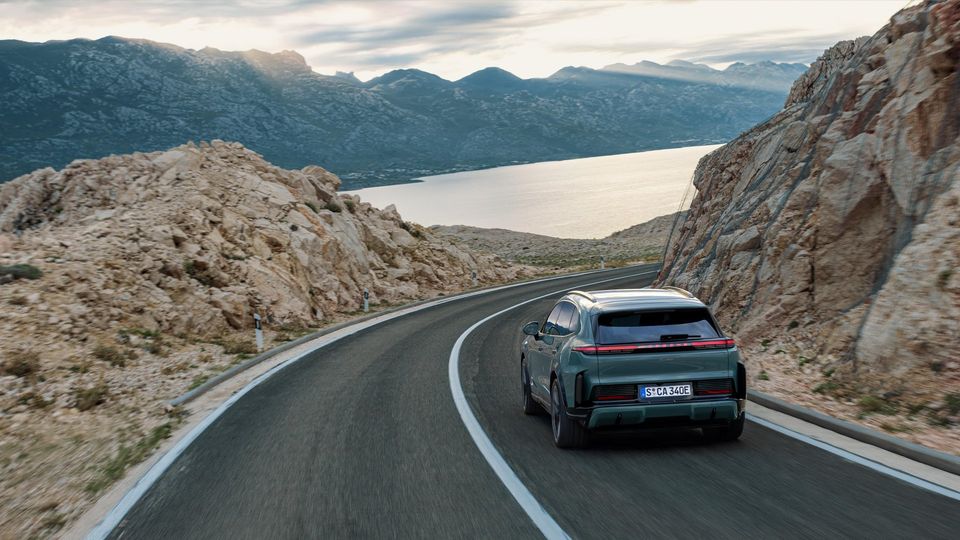
Porsche has also fitted an optional Electric Sport Sound that attempts to inject some emotional character into the otherwise silent drivetrain. Activated in Sport modes, it produces a futuristic mechanical soundtrack that's audible both inside and outside the vehicle. Opinions were mixed among those on the launch, but it arguably adds another layer of theatre during hard acceleration.
Naturally, a race circuit isn't the place to judge ride comfort, road noise or everyday refinement. Those questions will have to wait until we spend meaningful time on New Zealand roads.
Even so, our first drive suggests Porsche has achieved something remarkable.
The Cayenne Electric delivers the instant acceleration expected of a modern EV, but combines it with steering, body control and driver engagement that still feel unmistakably Porsche.
Rather than simply making an electric SUV incredibly fast, Stuttgart's engineers appear to have created one that's genuinely rewarding to drive.
Even in entry-level guise, the Cayenne Electric arrives with a generous standard equipment list.
Cayenne Electric equipment highlights include:
Cayenne S Electric adds:
Cayenne Turbo Electric adds:
The move to electrification represents one of the biggest challenges Porsche has ever faced, particularly for a model as important as the Cayenne.
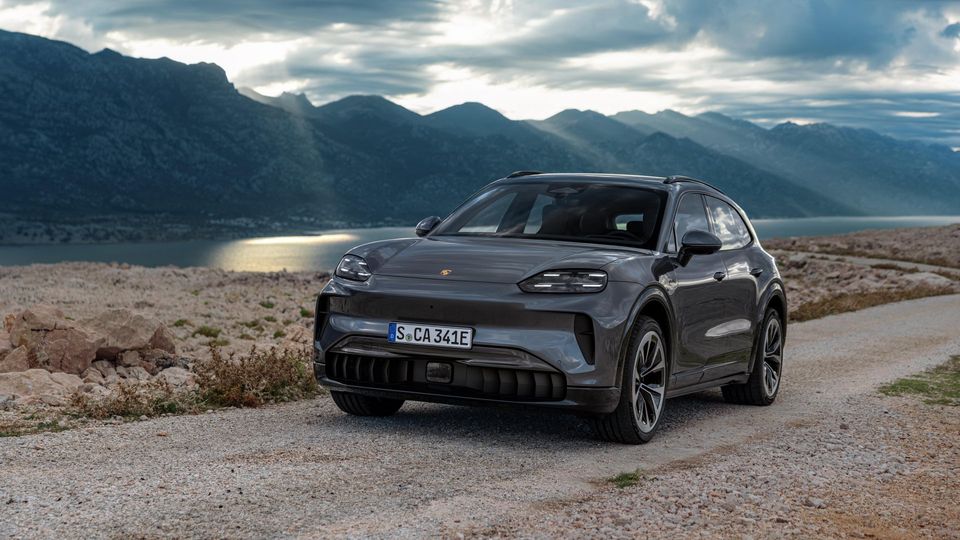
Thankfully, based on this first drive, the company hasn't simply built another fast electric SUV. It's built a Cayenne first and an EV second.
Everything buyers have come to expect from the nameplate remains intact. It's practical, spacious, beautifully engineered and packed with clever technology, while introducing meaningful improvements in refinement, packaging and outright performance over the combustion-powered model.
The headline figures are almost absurd. An SUV producing 850kW and capable of reaching 100km/h in 2.5 seconds would have seemed impossible only a few years ago, yet the Turbo backs those numbers with a chassis capable of exploiting them. Porsche Active Ride, while undeniably expensive, could well become one of the defining technologies in the segment.
Equally impressive is the breadth of the lineup. The entry-level Cayenne Electric already delivers more than enough performance for most buyers, while the S strikes what could prove to be the sweet spot between price and outright pace. The Turbo, meanwhile, pushes into territory previously occupied by dedicated supercars.
Of course, there are still questions to answer.
We'll need considerably more time on public roads to properly assess ride quality, efficiency, charging performance in New Zealand conditions and everyday usability. Likewise, buyers will need to decide whether the substantial premium over the petrol Cayenne is justified for their own circumstances.
What isn't in doubt is Porsche's engineering achievement.
The Cayenne Electric doesn't feel like a compromise made to satisfy emissions regulations. Instead, it feels like the next logical evolution of one of the world's benchmark luxury SUVs.
If our first experience at Hampton Downs is any indication, Porsche has once again produced a vehicle capable of redefining expectations for its segment.
A full New Zealand road test can't come soon enough.
Where expert car reviews meet expert car buying – CarExpert gives you trusted advice, personalised service and real savings on your next new car.
Quickly see how this car stacks up against its competition. Select any benchmark to see more details.
2026
$186,200
2026
$197,300
2026
$227,500
2026
$269,500
2026
$335,500
2026
$402,500
Dave is a Kiwi motoring journalist with experience in motorcycle racing, new car sales, radio and communications.
Add CarExpert as a Preferred Source on Google so your search results prioritise writing by actual experts, not AI.
CarExpert
48 Minutes Ago

Matthew Hansen
4 Hours Ago

Dave Kavermann
4 Hours Ago

Damion Smy
12 Days Ago

William Stopford
17 Days Ago
Dave Kavermann
19 Days Ago
Add CarExpert as a Preferred Source on Google so your search results prioritise writing by actual experts, not AI.
† Displayed prices exclude on-road costs such as delivery charges, registration fees, number plates, insurance and applicable road taxes. These prices are subject to change without notice and may not reflect current market pricing or dealer offers.
 Automotive Vehicle Spec Data & 4K images Powered by JATO Dynamics Ltd