

 Showroom
 Car Chooser
 Compare
 Car Specifications

Matthew Hansen
Watch out Corolla Cross? Jaecoo announces hybrid J5 SUV
Hybrid crossover joins quickly growing Jaecoo line-up.
4 Days Ago
Affordable plug-in hybrid SUV a potential Toyota RAV4 beater? GWM's all-new Haval H6 plug-in hybrid gets tested.
Where expert car reviews meet expert car buying – CarExpert gives you trusted advice, personalised service and real savings on your next new car.
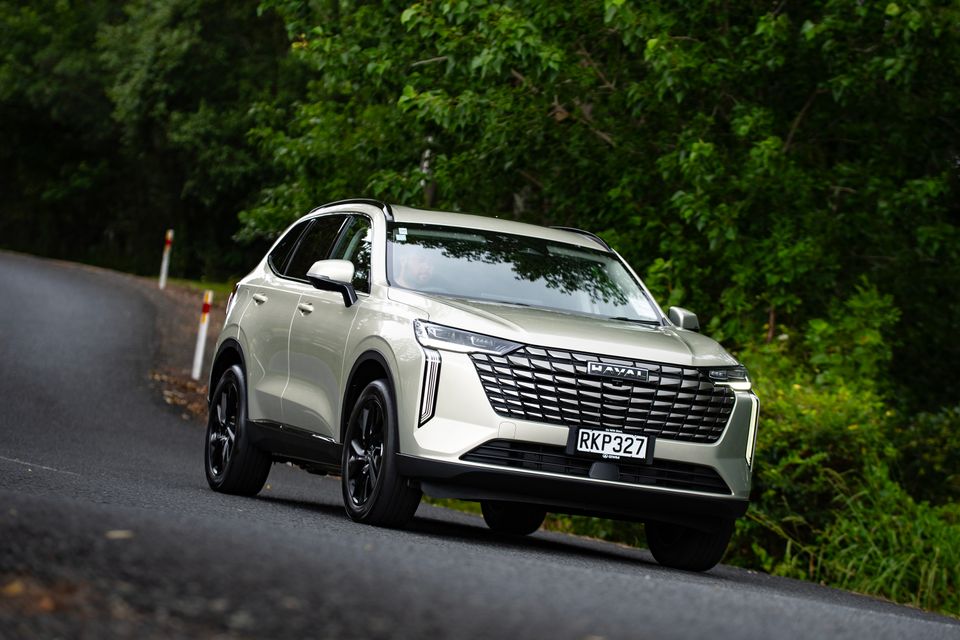
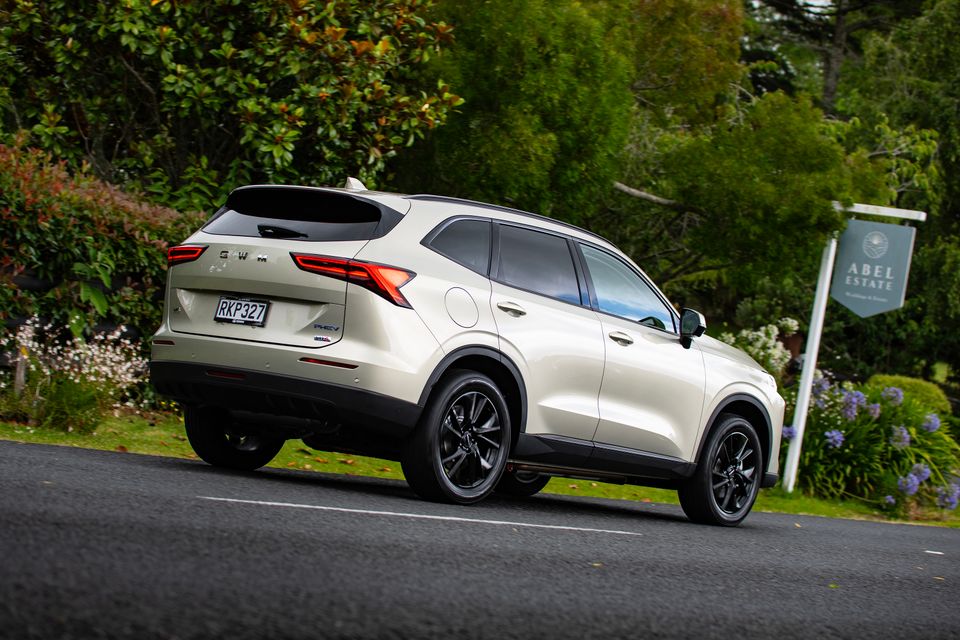
Constant refinement and rolling upgrades have quietly made the Haval H6 one of the most modern SUV lineups in New Zealand.
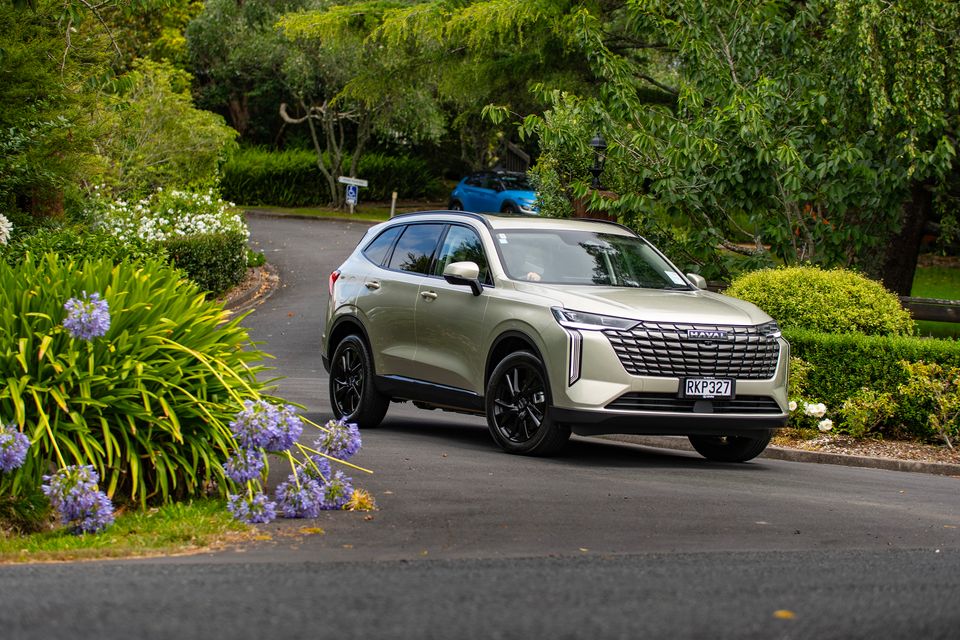
The H6 has been on sale locally since 2017 and GWM hasn't stopped tinkering with its mid-size SUV since. For 2026, the changes are perhaps the most significant since its arrival with a shift to a fully electrified lineup, dynamics specifically tuned for New Zealanders and redesigns inside and out.
The H6 is crucial to GWM’s success in New Zealand and Australia, it’s the Chinese giant's best-selling model in both countries and when you consider the effort they put into developing this SUV, it’s not hard to see why.
GWM have had an engineering presence across the ditch for 17 years, the longest of any Chinese manufacturer. Last year operations shifted into a whole new dimension as GWM secured the services of Rob Trubani, one of Australia’s most respected automotive engineers, and announced a permanent residency at the Lang Lang Proving Ground in Victoria, Australia.
Trubani is the man largely responsible for making Holden Commodores ride and handle so well, serving as lead engineer for vehicle dynamics for the last 15 years of Holden’s history. Much of that development happened at the Lang Lang Proving Ground, a facility used by Holden since its opening in 1957.
H6s built from November 2025, like our tester seen here, are the first models to benefit from Trubani’s input. Could specially-tuned dynamics make the H6 the perfect family daily?
How much does the GWM Haval H6 cost?
The Haval H6 Ultra PHEV 2WD starts at $50,990 plus on-road costs (ORCs) and the Ultra PHEV AWD tested here costs $3000 more plus ORCs.
Model | Price excluding on-road costs |
|---|---|
Haval H6 Lux Hybrid FWD | $42,990 |
Haval H6 Ultra Hybrid FWD | $45,990 |
Haval H6 Ultra Hybrid AWD | $49,490 |
Haval H6 Ultra PHEV FWD | $50,990 |
Haval H6 Ultra PHEV AWD | $53,990 |
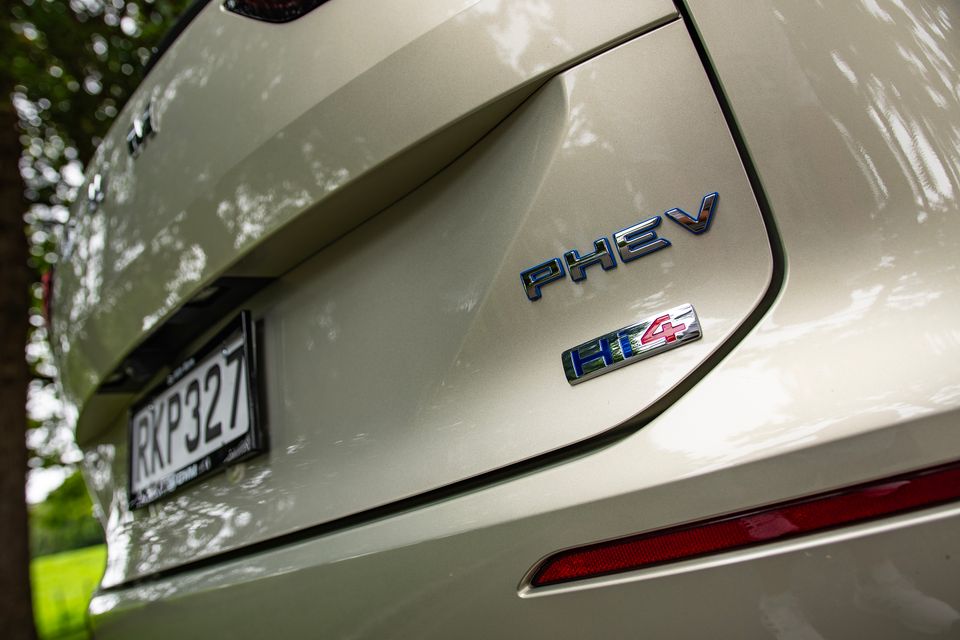
Pure-petrol models have been dropped for the MY26 H6 range so all models have some electric assistance. An entry-level LUX hybrid is available, from then all models are top-spec Ultra variants with all the bells and whistles GWM could include.
A choice of four colours range-wide are available and more shades are expected soon.
The top-spec Ultra PHEV tested here is priced just above the MG HS Excite Super Hybrid ($52,990 + ORCs) and well below the BYD Sealion 6 ($59,990 - $67,990 + ORCs) and Mitsubishi Outlander PHEV ($64,990 - $81,990).
If you’re looking to buy right now, GWM has knocked $2000 off the RRP of all H6 models until 31 March 2026.
What is the GWM Haval H6 like on the inside?
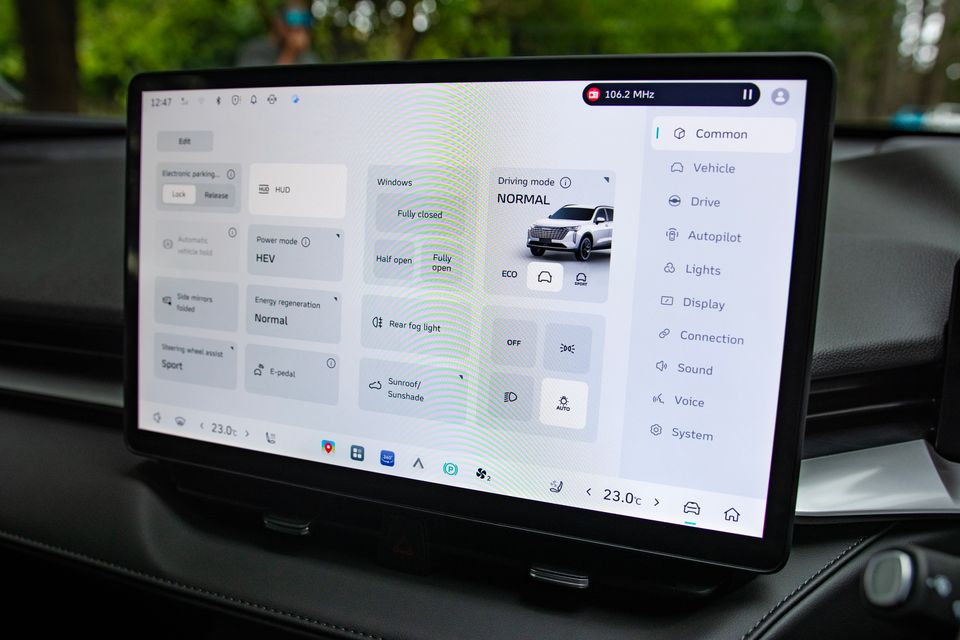
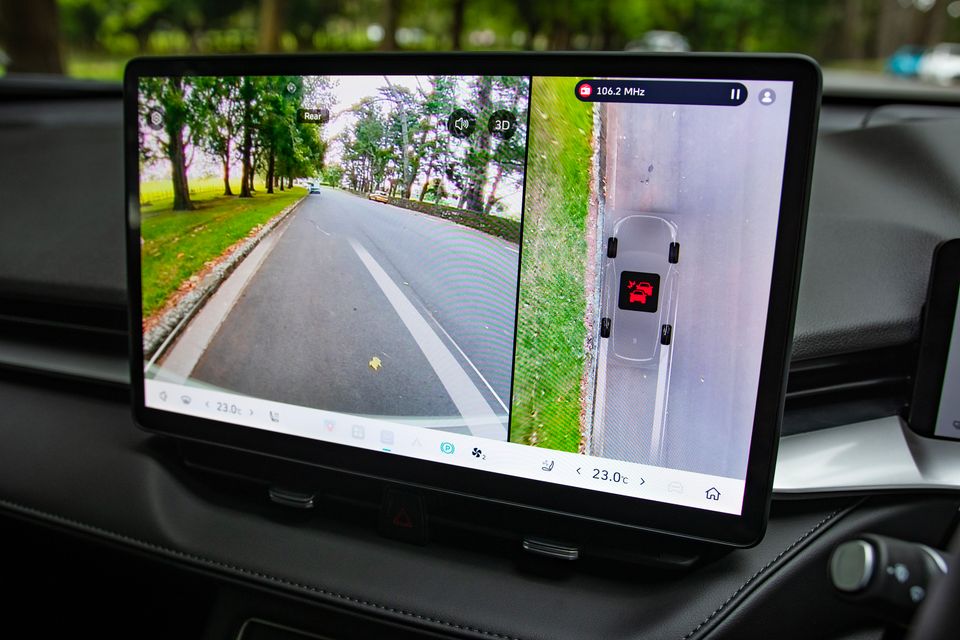
Cleaner and roomier than ever before. Previous H6 owners will immediately notice a larger 14.6-inch infotainment touchscreen, new two-spoke steering wheel and simpler centre console design.
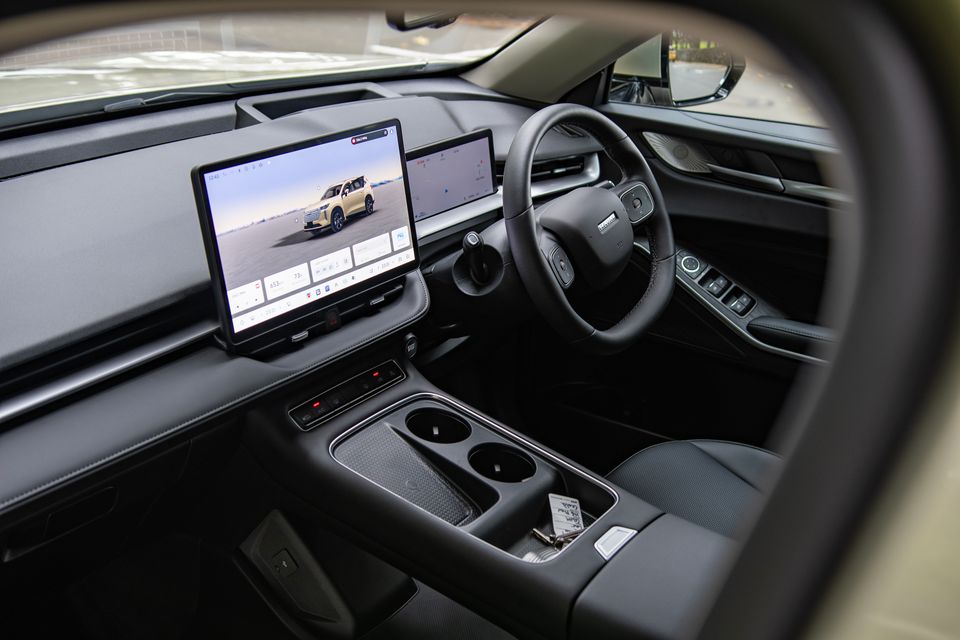
From the driver’s seat, the entire cabin feels more specious thanks to a few key layout changes. The old rotary-dial gear selector has been replaced with a more conventional column-shifter behind the steering wheel. This frees up space on the centre console for a 50W Qi smartphone charger, an upgrade from 15W in the last model, and two cupholders on the driver’s side.
Throughout our test week my left elbow always ended up resting on the comfortably padded centre console that opens to reveal a large storage bin. Underneath the centre stack you’ll find even more storage with two USB-C and a single 12V outlet.
Above the new console sits a new 14.6-inch touchscreen infotainment system running GMW’s latest Coffee operating system (OS). The OS is GWM’s third generation in-house system and is as fast and responsive as the mobile phone in your pocket, making it easy to navigate and get used to.
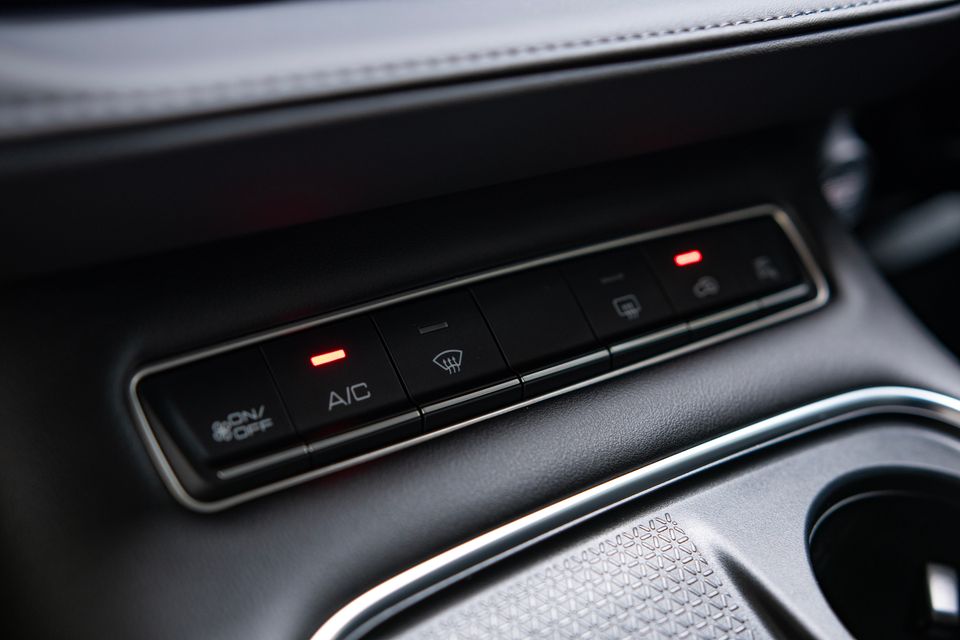
Thankfully underneath the infotainment system lies a row of physical buttons for the air-conditioning, demister and external camera view - all features you want to access quickly.
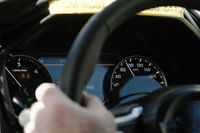
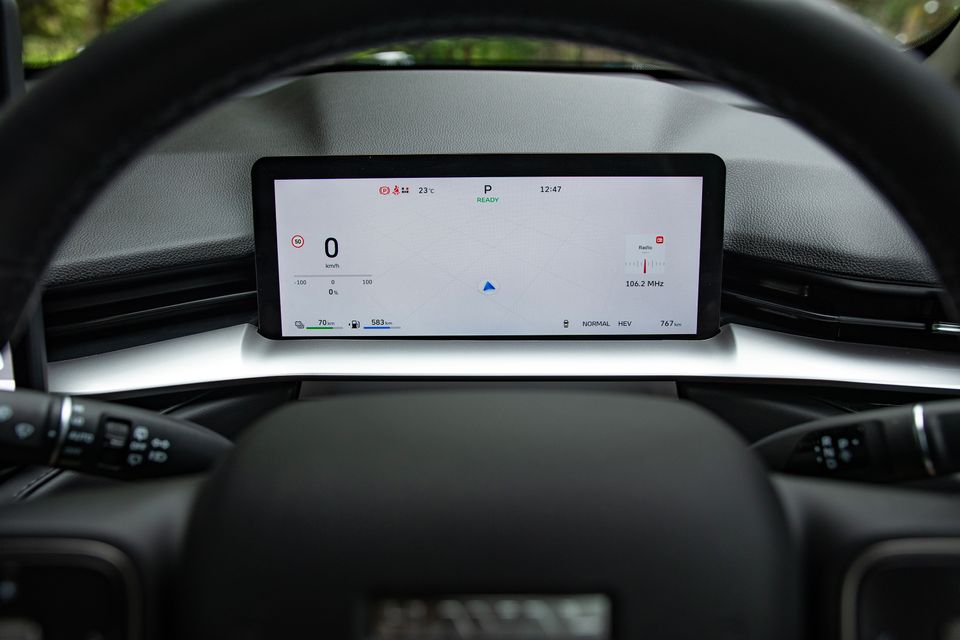
One carryover from the previous model is the 10.25-inch driver’s instrument cluster that is equally clear and responsive, and works with head-up-display that is standard on Ultra models.
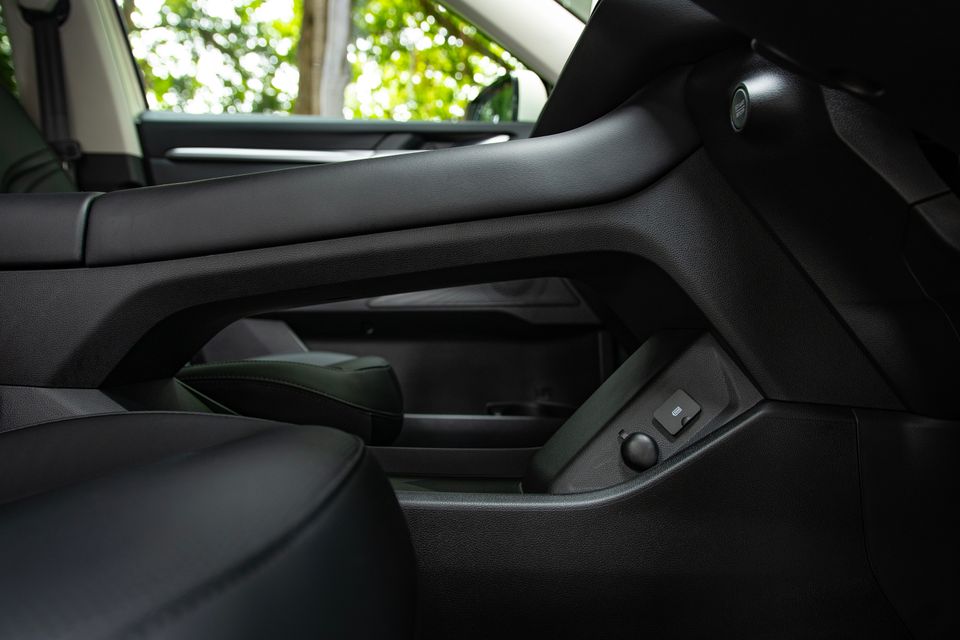
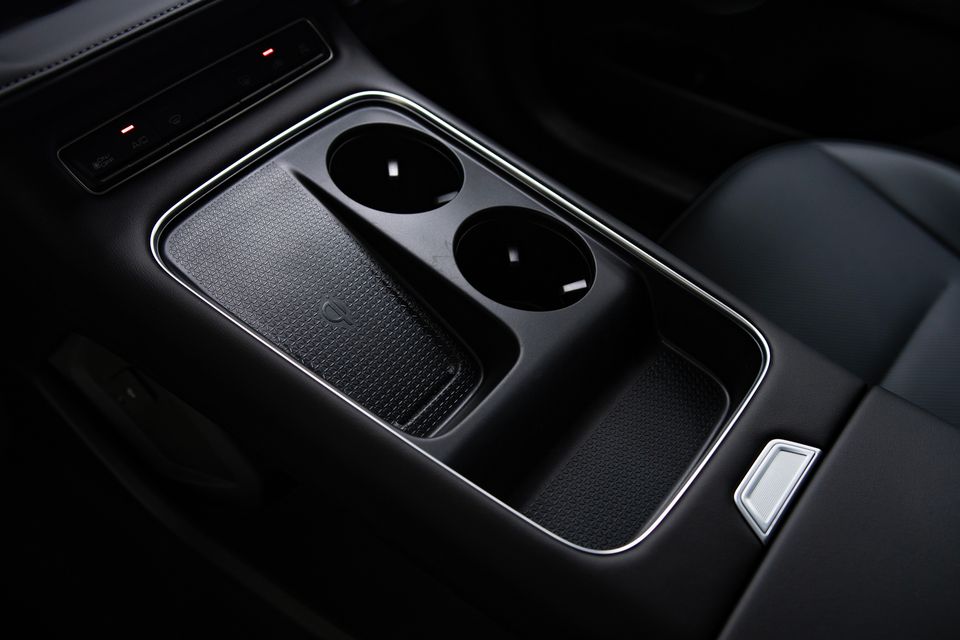
Other standard equipment includes a panoramic sunroof, heated and ventilated front seats, steering wheel heating, a nine-speaker audio system and rear privacy glass.
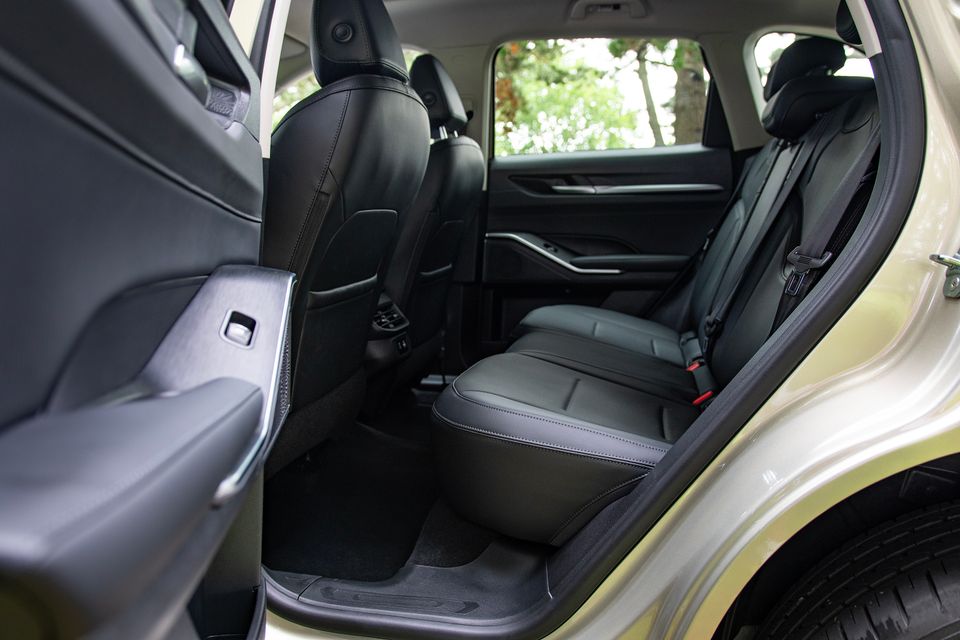
In the rear row you’ll find ample space for adult passengers in a mid-size SUV. Because there’s no driveshaft to accommodate, there is also no hump for a middle passenger to navigate, keeping both feet flat on the floor.
With only 2 rear passengers there’s a centre armrest with cupholders (the door bins will hold a large bottle, also) 2 USB ports and rear air vents to keep everyone comfortable.
The boot offers 560 litres of space behind the rear seats or 1445 litres with the rear row folded down. Both capacities are the same between all 2WD and 4WD, hybrid and PHEV models.
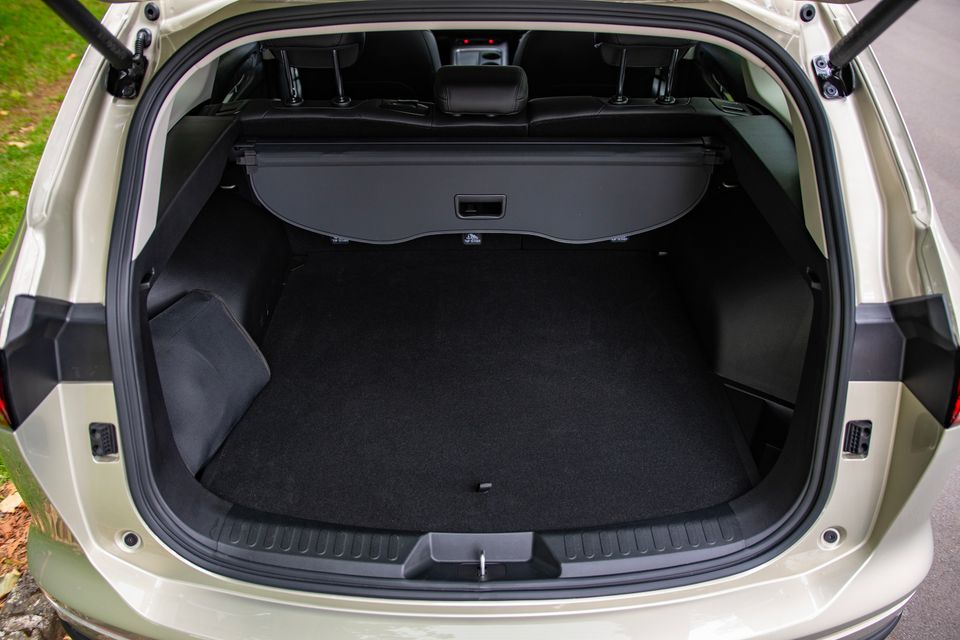
Overall the new H6 represents a marked improvement over its predecessor and the interior exudes a sense of quality. Hard plastics are limited to hard-wearing spots like footwells, while areas where your hands and elbows might land are softer like the tops of door cards and dashboard. Our tester had only traveled 5000km but there were no rattles or shakes and the build quality felt very solid considering the price point.
What’s under the bonnet?
The 2WD H6 Ultra PHEV has a turbocharged 1.5-litre four-cylinder petrol engine and a front-mounted electric motor. AWD models add an additional electric motor to the rear axle, making it all-wheel drive.
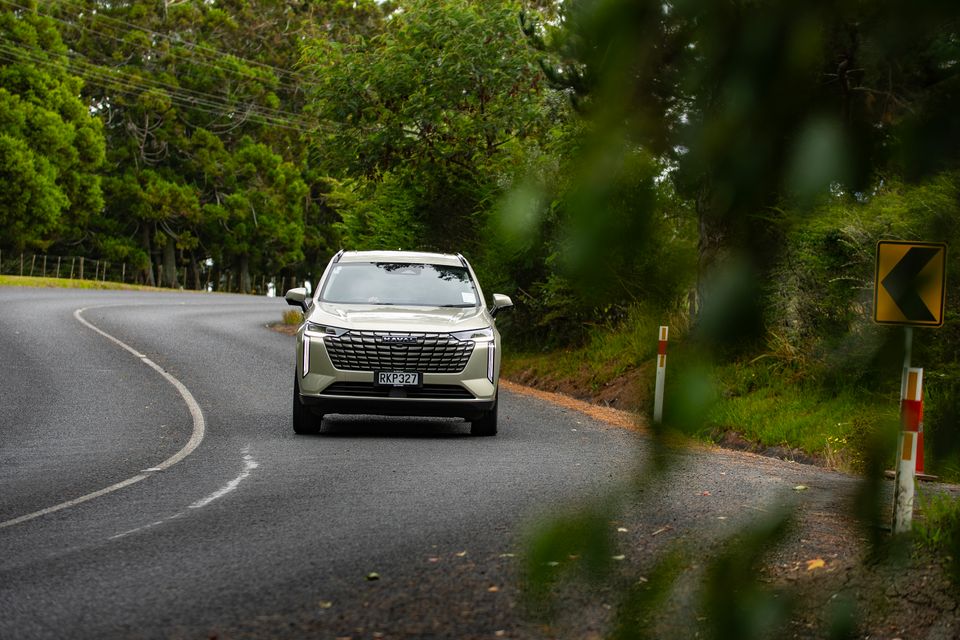
In AWD form, the petrol engine and both electric motors combine to produce 268kW of power and 760Nm of torque through a two-speed ‘dedicated hybrid transmission’. A 19.09kWh lithium iron phosphate (LFP) battery back is mounted in the floor and offers a claimed electric-only range of 100km, total combined range is 1043km.
GWM claims a brisk 0-100km/h time of 4.8 seconds and an official combined fuel consumption of 1.1L/100km, which is dependent on regular battery charging.
GWM says the battery can be charged at speeds of up to 34kW and can charge from 30 to 80 per cent in 28 minutes.
How does the GMW Haval H6 drive?
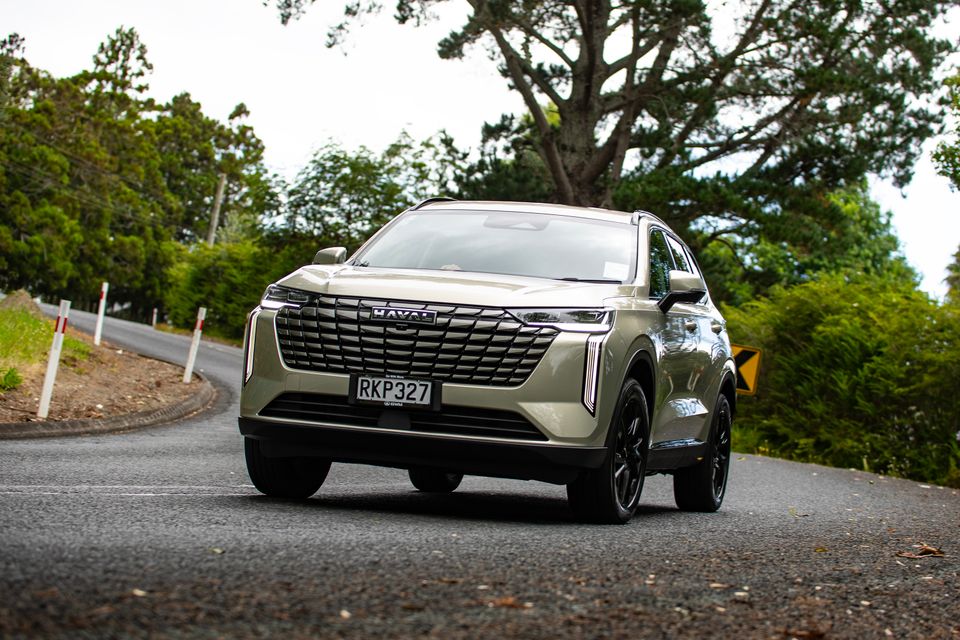
I won’t go as far as saying Holden Commodore-like, this is a near 2-tonne (1,946kg) SUV afterall, but down a country road there are similarities.
After a brief drive in a pre Rob Trubani-tuned H6 Hybrid in 2025, I can assure you the MY26 Haval H6 is a big step forward in terms of ride, compliance and refinement.
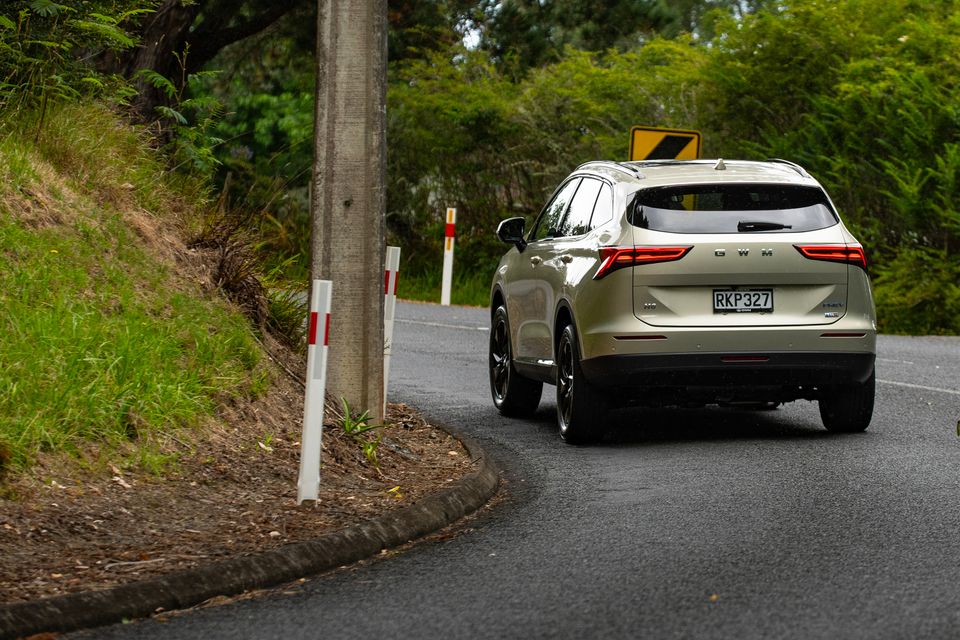
The old model wasn’t a bad ride, but it had a very narrow window where it felt completely settled. New Zealand’s uneven roads were a bit too much to handle at times. The new H6 has a much wider breadth of abilities.
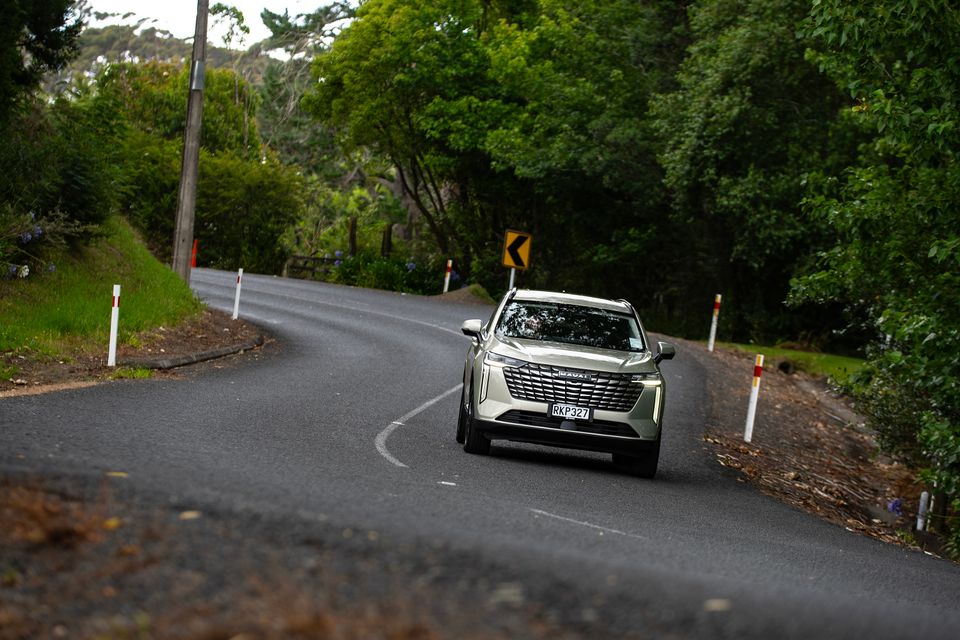
Don’t expect the ride to blow you away, just like a Commodore, that’s not really the point. Yet what becomes apparent quickly is the suspension's ability to deal with whatever asphalt comes its way. Be it surface changes, uneven tarmac or hidden bumps in the middle of a corner, the new H6 now has a knack for absorbing the impact, settling the ride and getting on down the road without fuss.
It’s not perfect and it certainly isn’t a sports SUV, push too hard and you’ll be left with fistfulls of understeer, but your family will have told you to slow down by the time you reach that point.
0-100km/h is done and dusted in 4.8 seconds. That’s an official figure and it feels conservative with mid 4s certainly possible in the right conditions.
For context, that’s over a full second faster than a lighter and smaller Volkswagen Golf GTI (5.9 seconds) and significantly faster than comparable models like the BYD Sealion 6 PHEV (8.5 seconds), Jaecoo J7 Super Hybrid PHEV (8.5 seconds) or MG HS Super Hybrid PHEV (6.8 seconds).
While it can be rapid in a straight line, throttle response reminds you this is a family car. Inputs with the right foot can be slow to respond at times, the hybrid system definitely prefers smoothness over blunt force, but when the petrol and electric motors find their place they force you back into the seat.
Trubani has also done a lot of work with the steering which now offers a decent amount of feedback and the H6 is easy to place on a country road or tight city carpark. The steering is adjustable and even in ‘Light’ mode communicates enough information to let you know what’s going on.
At the other end of the spectrum, Sports steering mode adds more weight but also more precision, smaller inputs result in quicker reactions from the front wheels.
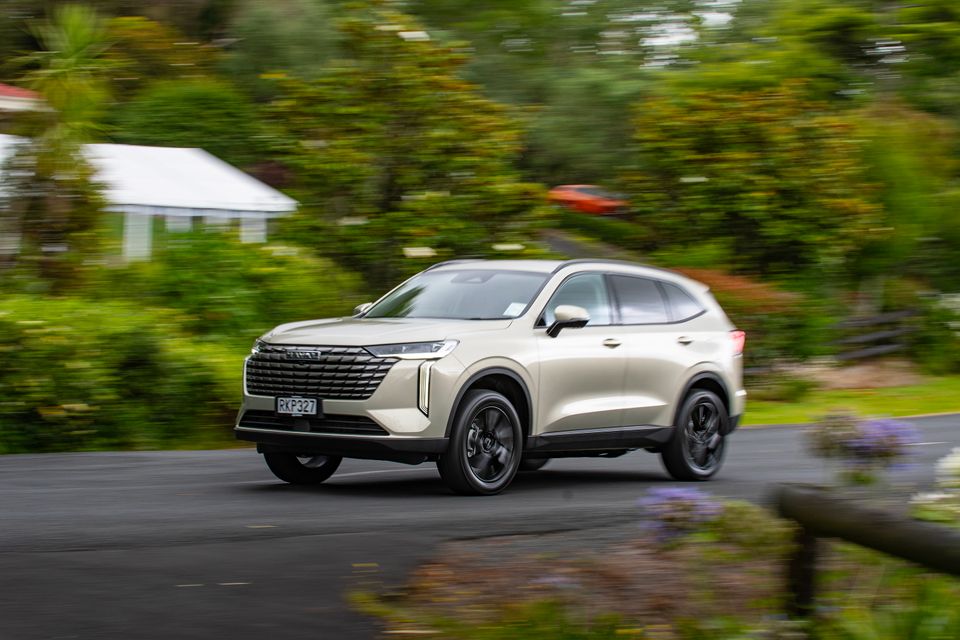
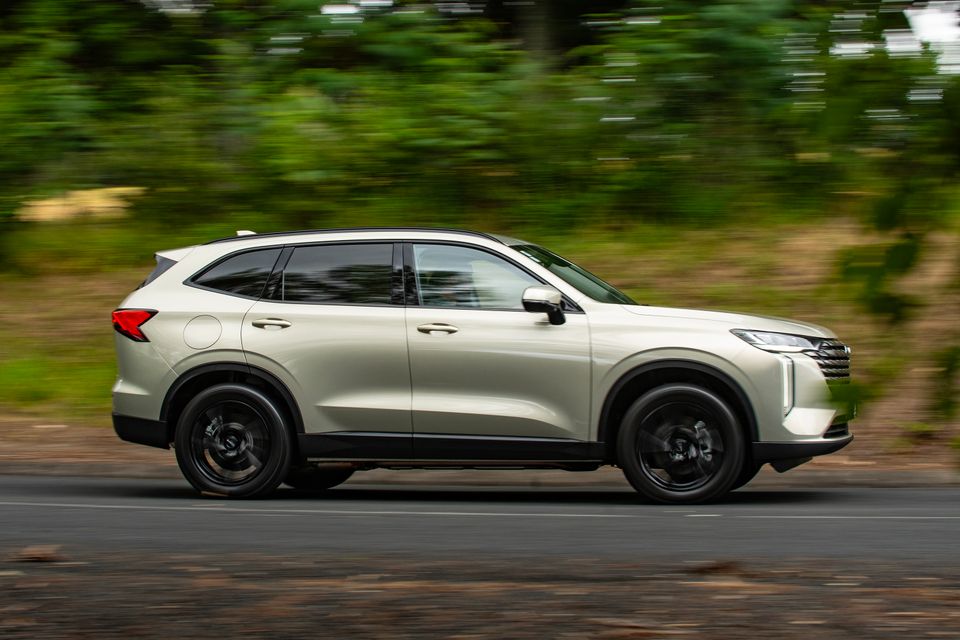
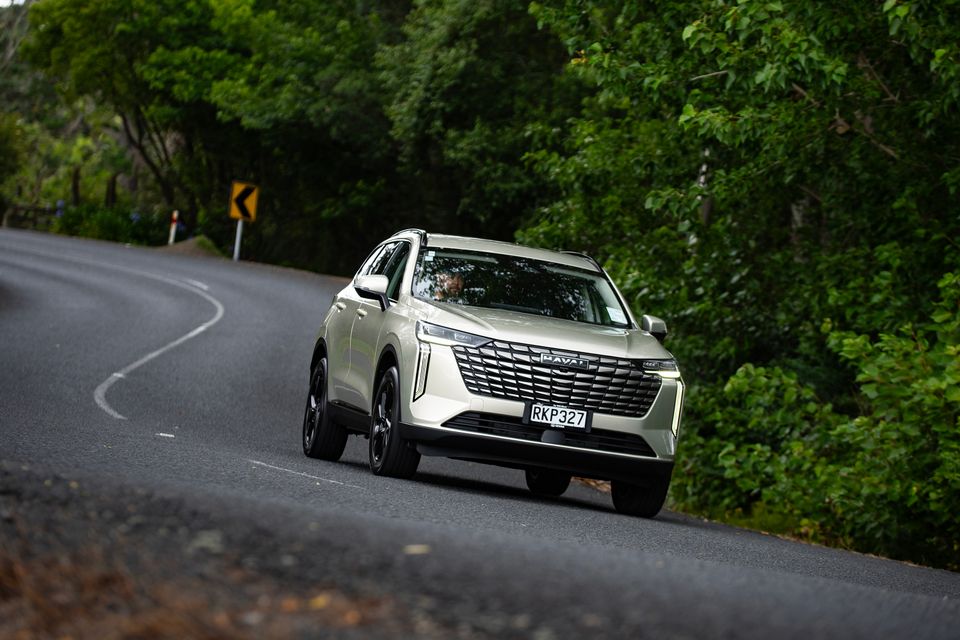
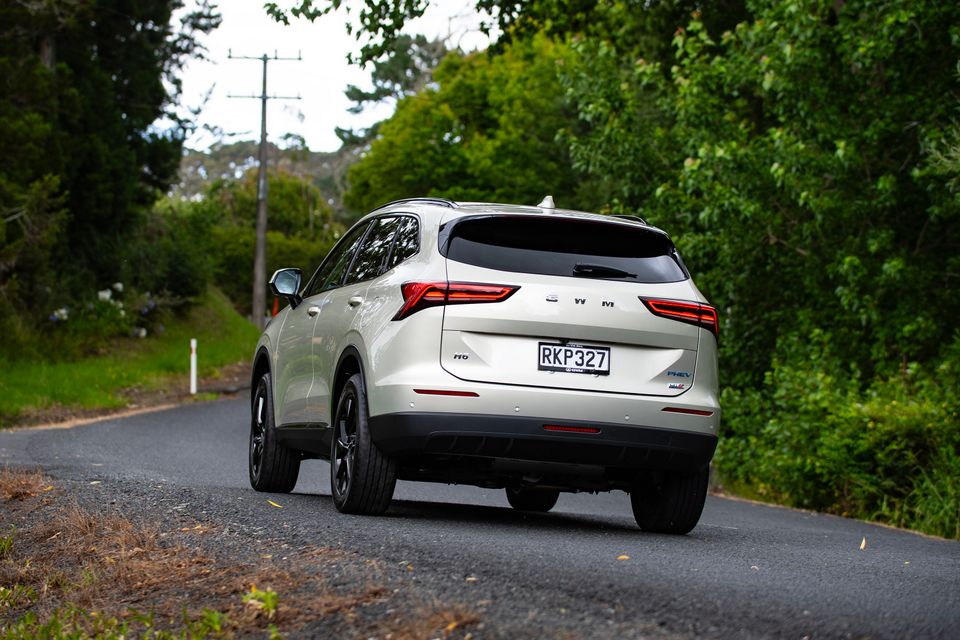
The driver's seat has a wide range of adjustability and it’s easy to find a comfortable driving position. Looking forward, the view over the bonnet makes you feel like you're sitting in the car, rather than on it. That could be a pro or con depending on your preference.
The view through the rear window is quite high and smaller than it looks, so the 360 view camera (which is standard across the range) is necessary to avoid bumping into low obstacles.
Around town, the H6 is very quiet in full-electric mode, leaving you to enjoy the peace or nine-speaker audio system. The H6 has three distinct drive modes; EV, EV Priority and Intelligent Hybrid. Depending on how much charge the battery has, the H6 will want to spend as much time as possible in EV. With a full charge, it will stay in EV mode in all driving conditions under 60km/h unless you use full throttle, and then at motorway speeds around 100km/h the petrol motor will turn off completely when it’s not needed.
It’s also worth noting that when the petrol engine does join in, it’s nowhere near as noisy as some other SUVs like the RAV4 hybrid.
GWM claims an electric range of 106km and you can get very close to that in mixed driving conditions.
Adaptive cruise control works well and it’s assuring to watch the system work through the drivers instrument cluster. Though set to the closest following distance, the gap to the car in front is too tempting to resist for most Kiwis. Expect people to dive in front of you.
What do you get?
2026 Haval H6 Lux equipment highlights:
Ultra adds:
CarExpert’s take on the GWM Haval H6
GWM’s Haval H6 has been a value buy since its arrival in New Zealand but now the proposition is five-pronged; solid value, features, build quality, performance and refinement.
The H6 doesn’t have to attract an audience with sharp pricing alone anymore. Its abilities and features now make it a genuine contender.
With a fully electrified lineup, updated interior and extensive standard features list, this mid-size SUV can go toe-to-toe with other models beyond its price point.
The input of engineer Rob Trubiani and permanent testing across the ditch for local conditions is also a massive advantage over some rivals from Asia and Europe.
Our roads are unique and small setup changes can make a huge difference to ride, comfort, performance and safety - Haval now has that magic touch.
If you’re considering a new mid-size SUV the Haval H6 has to be on your list, not due to price, but quality.
Where expert car reviews meet expert car buying – CarExpert gives you trusted advice, personalised service and real savings on your next new car.
Quickly see how this car stacks up against its competition. Select any benchmark to see more details.
2026
$42,990
2025
$42,990
2026
$45,990
2025
$45,990
2025
$50,990
Dave is a Kiwi motoring journalist with experience in motorcycle racing, new car sales, radio and communications.
Add CarExpert as a Preferred Source on Google so your search results prioritise writing by actual experts, not AI.
Matthew Hansen
4 Days Ago


Dave Kavermann
6 Days Ago
Dave Kavermann
10 Days Ago
Matthew Hansen
11 Days Ago
Dave Kavermann
11 Days Ago
Dave Kavermann
13 Days Ago
Add CarExpert as a Preferred Source on Google so your search results prioritise writing by actual experts, not AI.
† Displayed prices exclude on-road costs such as delivery charges, registration fees, number plates, insurance and applicable road taxes. These prices are subject to change without notice and may not reflect current market pricing or dealer offers.
 Automotive Vehicle Spec Data & 4K images Powered by JATO Dynamics Ltd