The biggest problem in the hotly contested mid-size SUV segment say five years ago would’ve been introducing electrification. Ensuring you had something in your line-up with a hybrid, or maybe even a plug. Such is the way that group of cars has evolved that I think there’s an even bigger problem in 2026, and that’s the need to stand out from the crowd.
It’s a tall order for any carmaker, but it’s an even tougher task for a new brand like the recently launched Chinese company BAIC.
Pronounced ‘bike’ (no, really), BAIC has hit the ground running with not one, but two mid-size SUVs. And both tackle the conundrum of standing out in different ways. The X55 stands out with its jaw-dropping pricing, which ranks it as the equal cheapest competitor in class.
The B30 takes on things in a different, and arguably more interesting way. It tries to be different, walking a tightrope of being more off-road-adjacent than the majority of similarly sized SUVs, but without coming across too niche (or becoming too expensive). And, it comes much closer to nailing this tight brief than you might expect it to.
How much does a BAIC B30 cost?
The B30 lands in New Zealand with two different trims and — technically — two different powertrain options.
The range starts at $42,990 for the Elite Adventure FWD, which pairs to a turbocharged 1.5-litre 4-cylinder petrol engine making 138kW of power and 305Nm of torque. Then there’s two more highly spec’d Premium Adventure grades in both FWD and AWD, priced at $47,990 and $52,990 apiece.
Along with getting more kit, the Premium Adventure grades also get a reworked version of that 1.5-litre engine, which pairs the traditional ICE donk with BAIC’s ‘Magic Core Hybrid System’ electric motor, resulting in a combined 246kW/550Nm. And it’s this latter more powerful spec that we got our hands on for review.
At a time where plenty of mid-size SUVs start in the high forties, it’s a bit of a flex to offer a quirky looking, hybrid, mid-size SUV with a full line-up that squeaks under 55 grand. And if you’re quick, you could even make use of BAIC’s current introductory pricing offer that slashes $3000 off each price (this lasts until the end of this month, May 2026).
The list of competitors for the B30 is enormous, with this segment arguably representing the most competitive in New Zealand. It ranges from obvious names like the Toyota RAV4, Mazda CX-5 and Kia Sportage, to plug-in ‘super hybrids’ like the GWM Haval H6 PHEV, BYD Sealion 5 and MG HS PHEV.
The top spec B30 AWD hybrid has the exact same retail price as the cheapest all-paw Toyota RAV4 GX. It could be argued that the B30’s closest analogues are the non-plug hybrid MG HS and Haval H6, both of which are cheaper being priced from $39,990 and $44,990 each, but neither comes with AWD.
What’s the BAIC B30 like inside?
Before we dive headfirst into the interior, a quick word on the B30’s slab-sided exterior.
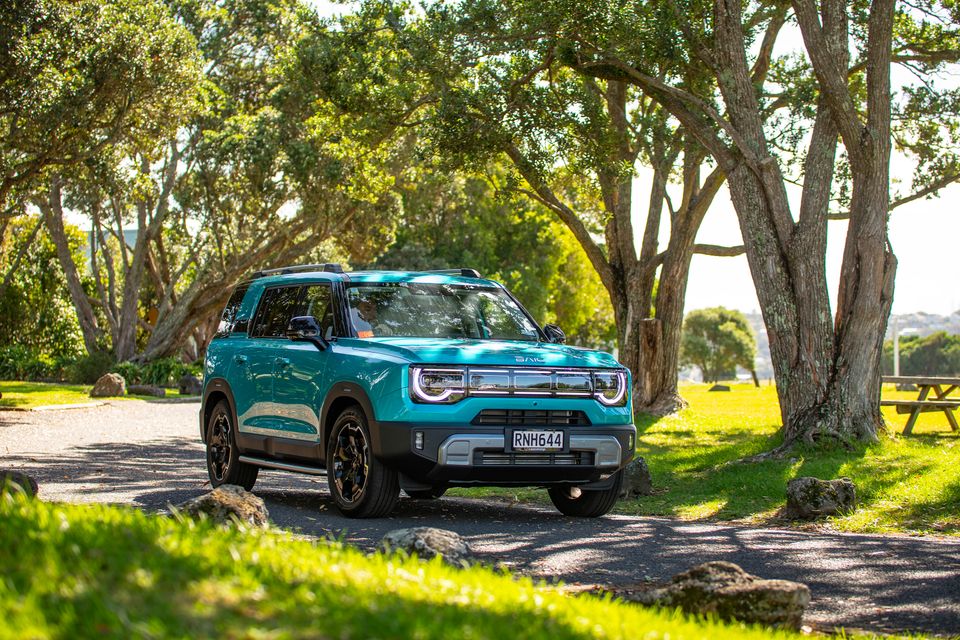
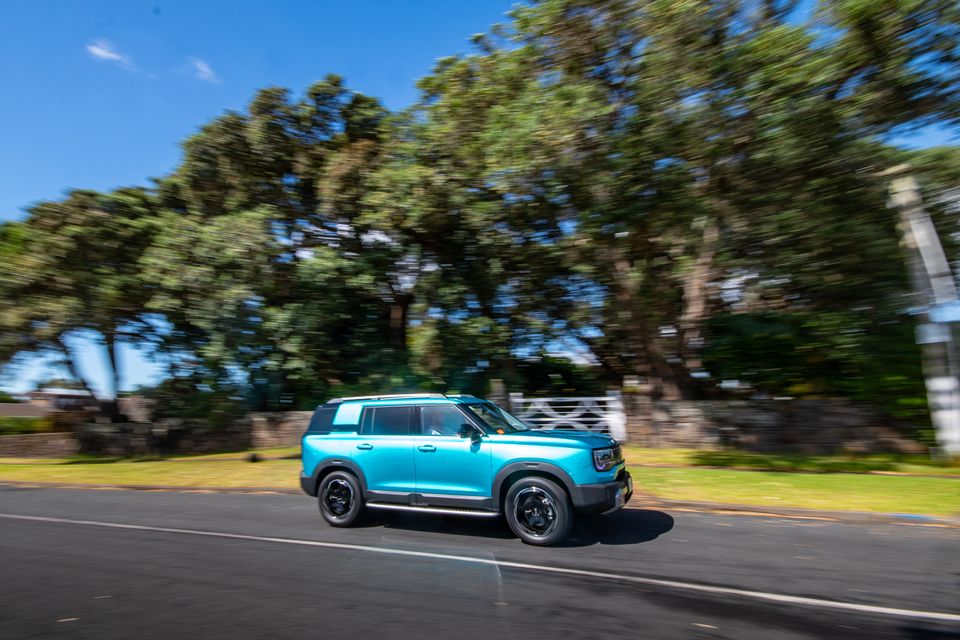
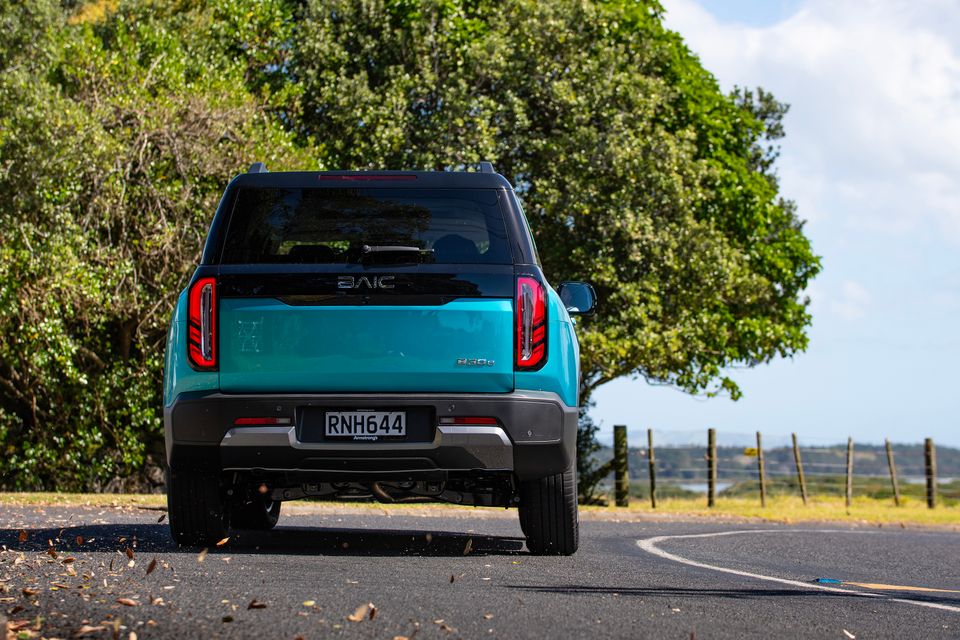
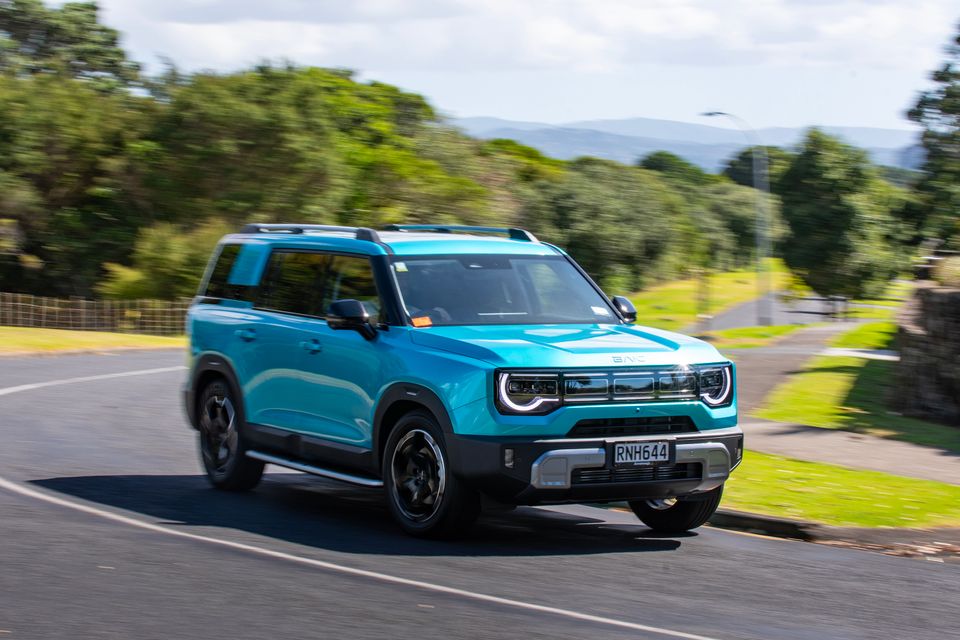
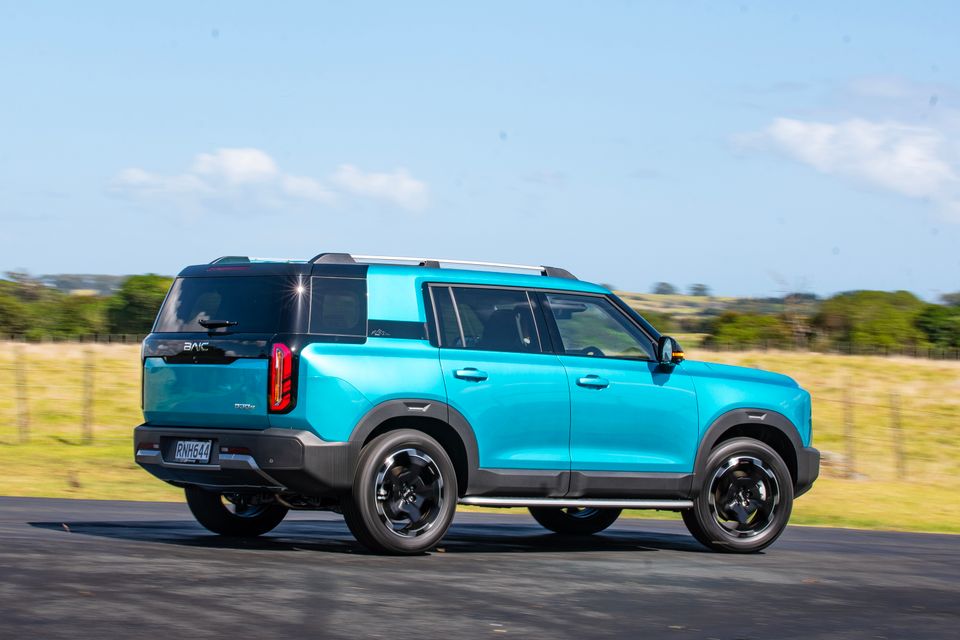
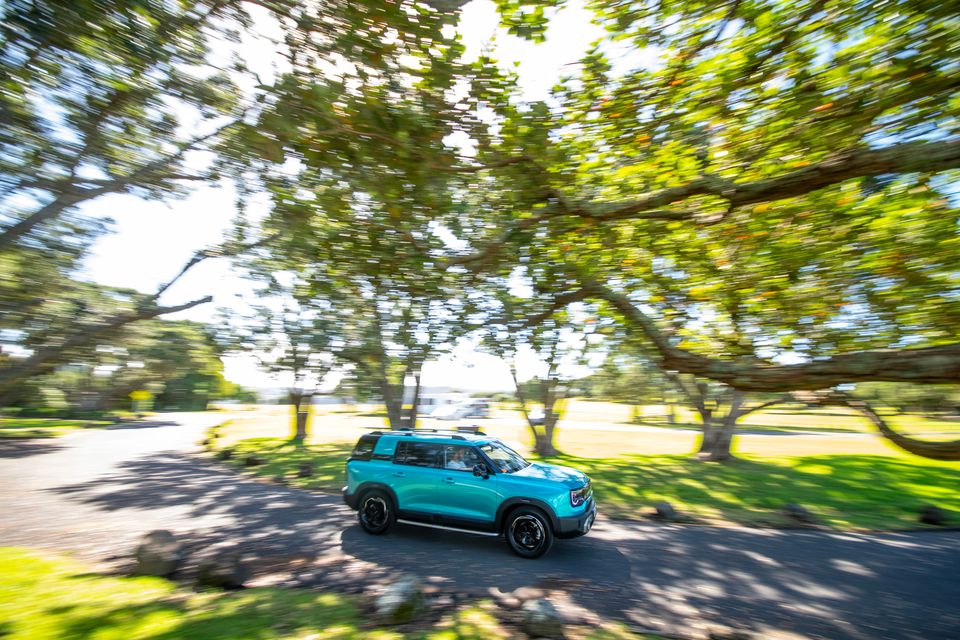
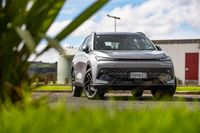
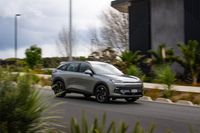
The B30 has all of the visual hallmarks of a gruff, proper off-roader. Black plastic wheel arch extensions, big plastic front and rear bumpers, and squared-off styling that evokes everything from the Jeep Wrangler to the Mercedes-Benz G Wagen to the Toyota Land Cruiser. There’s no denying that during the time we spent in it, it turned plenty of heads.
Of course, the B30 isn’t actually a bonafide 4x4, even in this all-wheel drive trim. But, the go-anywhere styling helps make the model stand out in the busy mid-size SUV pack. Perhaps for some urban customers, the softer city-based platform might in fact be a positive.
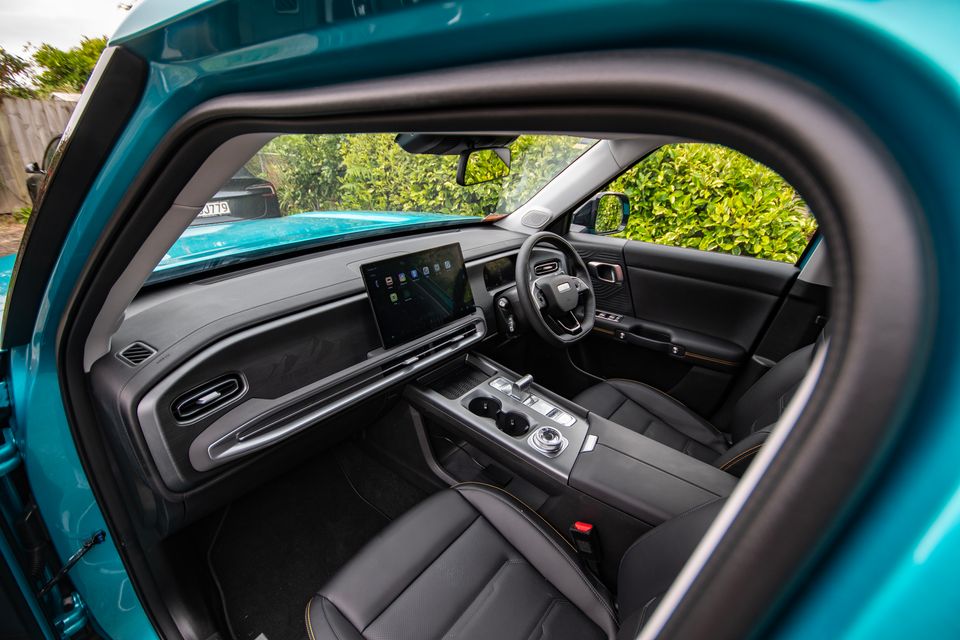
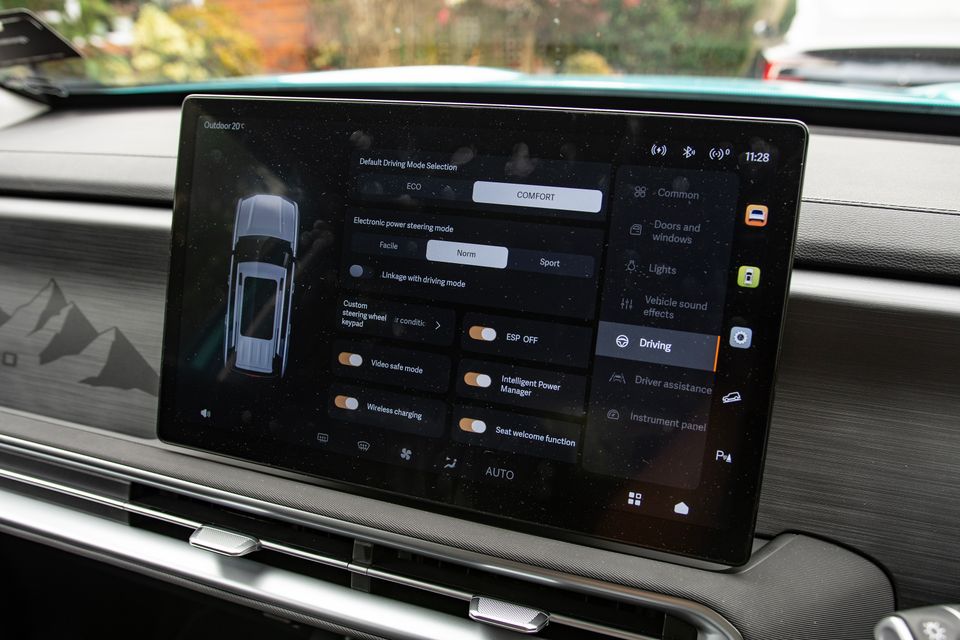
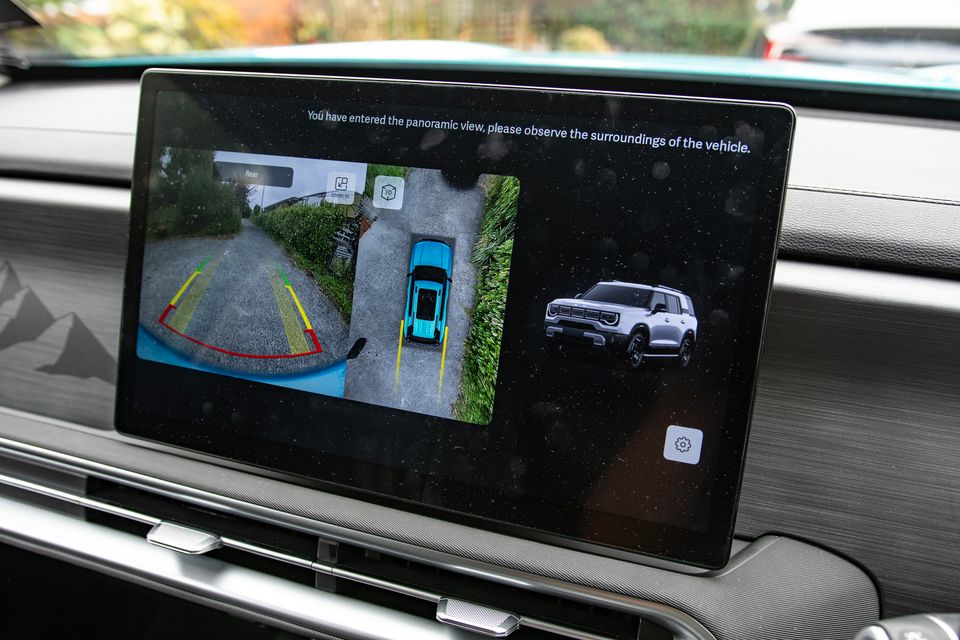
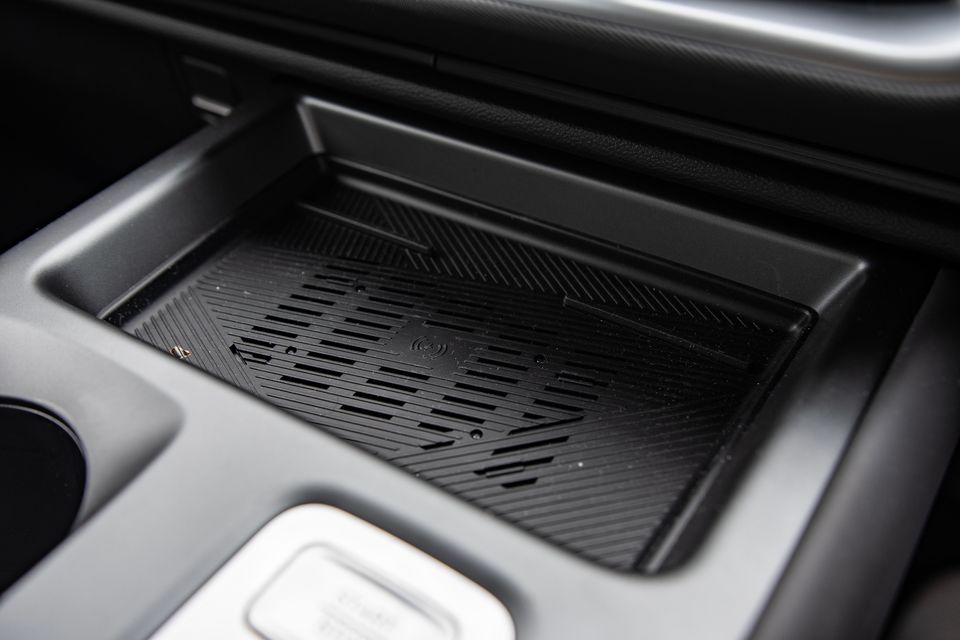
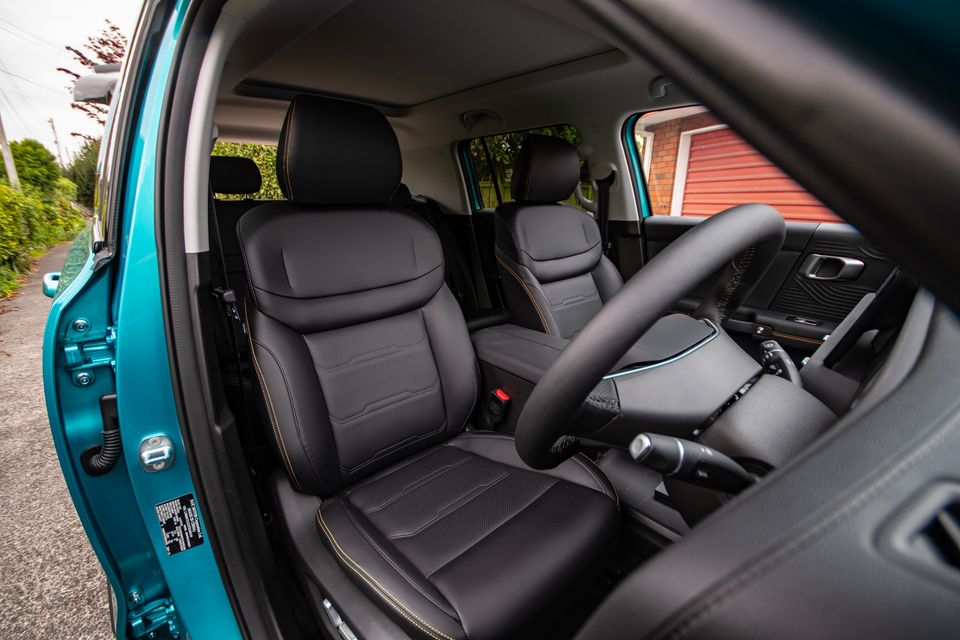
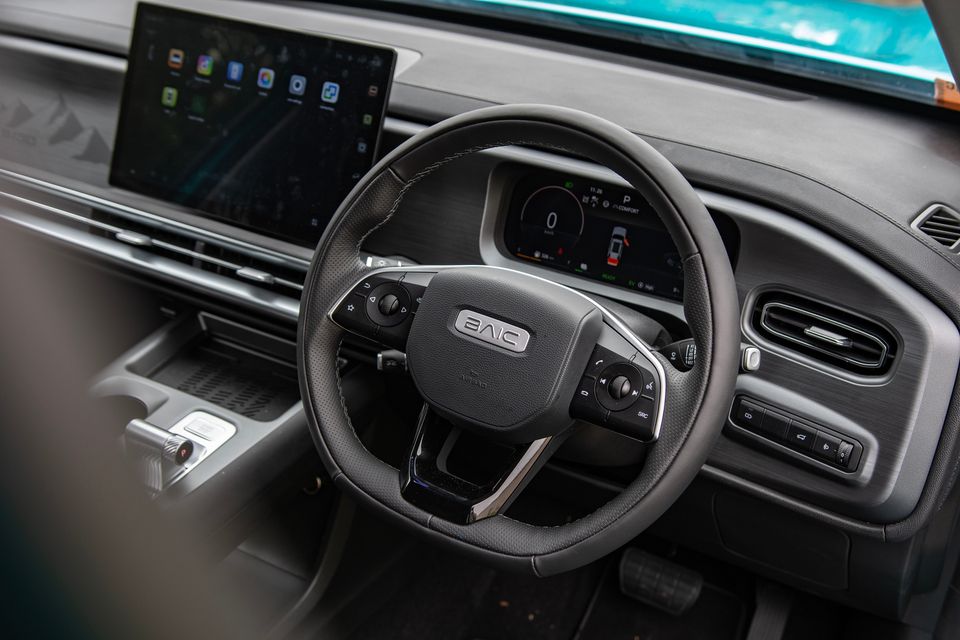
Anyway, inside the B30 and you get a predictably ample assortment of kit. On the tech side, there’s a 14.6-inch touchscreen smack bang in the middle of the dashboard, a digital cluster for the driver, Apple CarPlay, an excellent 360-degree camera, multiple drive modes, a panoramic glass roof, wireless charge pad and more.
There’s clear room for improvement with some of its tech.
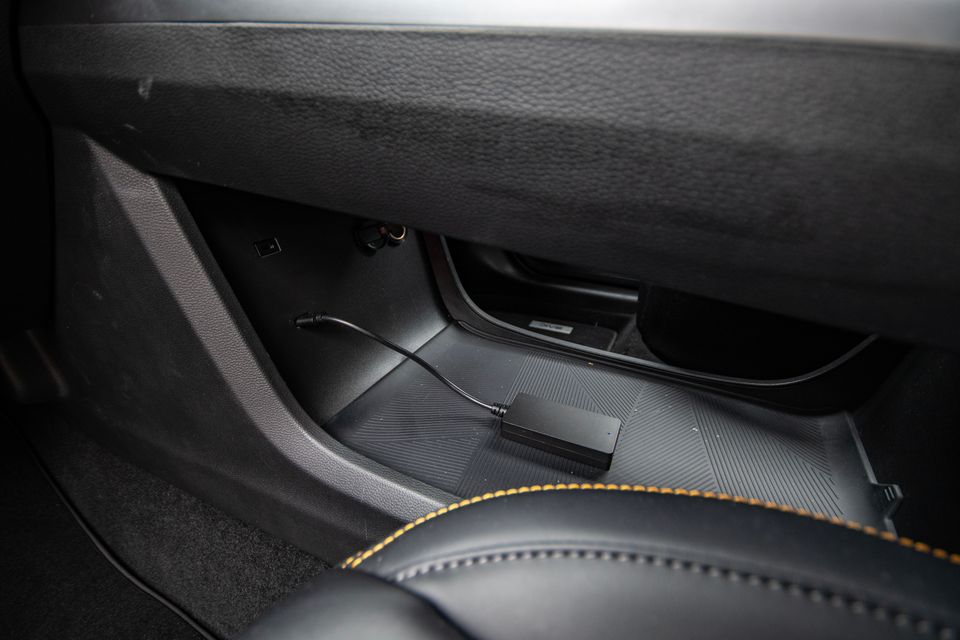
For example, it doesn’t come with proper Android Auto, instead our presser made use of an aftermarket plug-in adaptor. The menu layout in the touchscreen can be a bit confusing to navigate — exemplified by the lack of shortcuts to any of the key features like climate control when Apple CarPlay has taken over the screen. And speaking of climate control, there’s no physical controls for it, it’s all buried in the touchscreen.
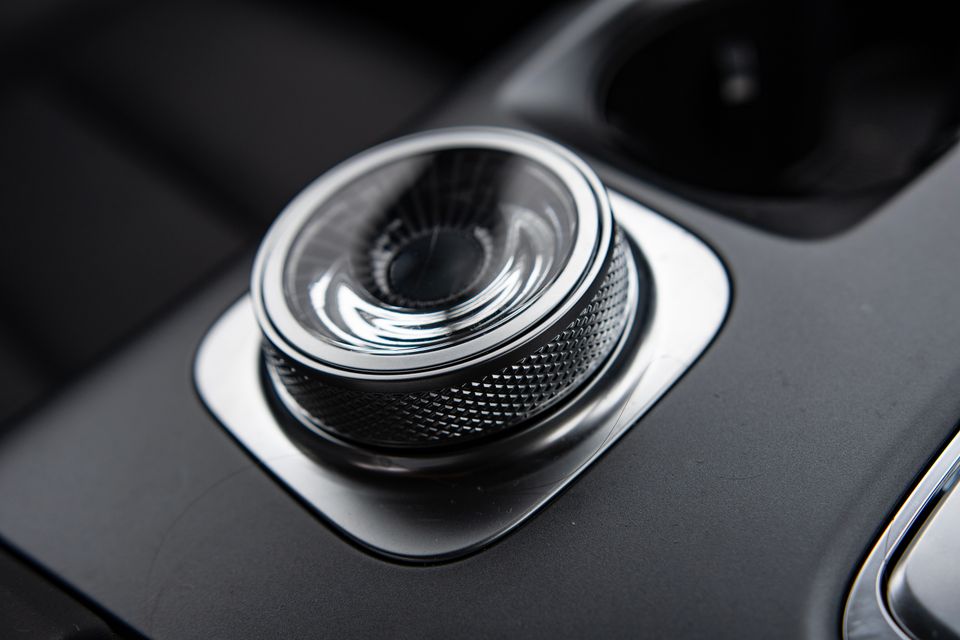
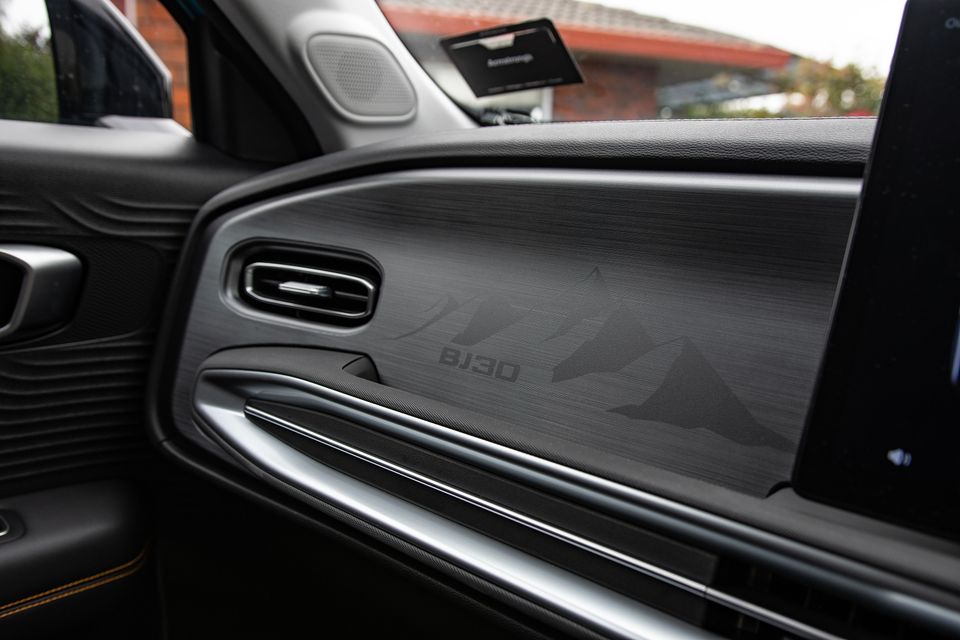
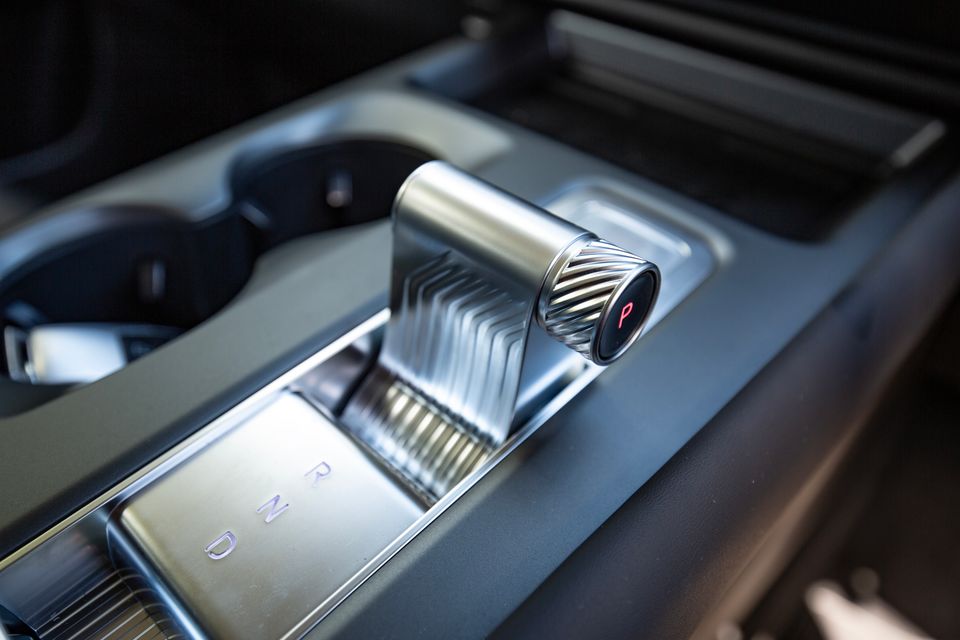
It all looks pretty nice and unique in here to be fair. I think the front vent area that eases across the dash where it turns into a grab handle is quite clever. The mountains engraved on the passenger side of the dashboard are a bit gratuitous but I’ll allow it. Can’t say I’m a fan of the tiny gear select lever, though, or the silver panel underneath it that occasionally reflects the sun into your eyes. Material quality and finish inside is mostly quite good, too.
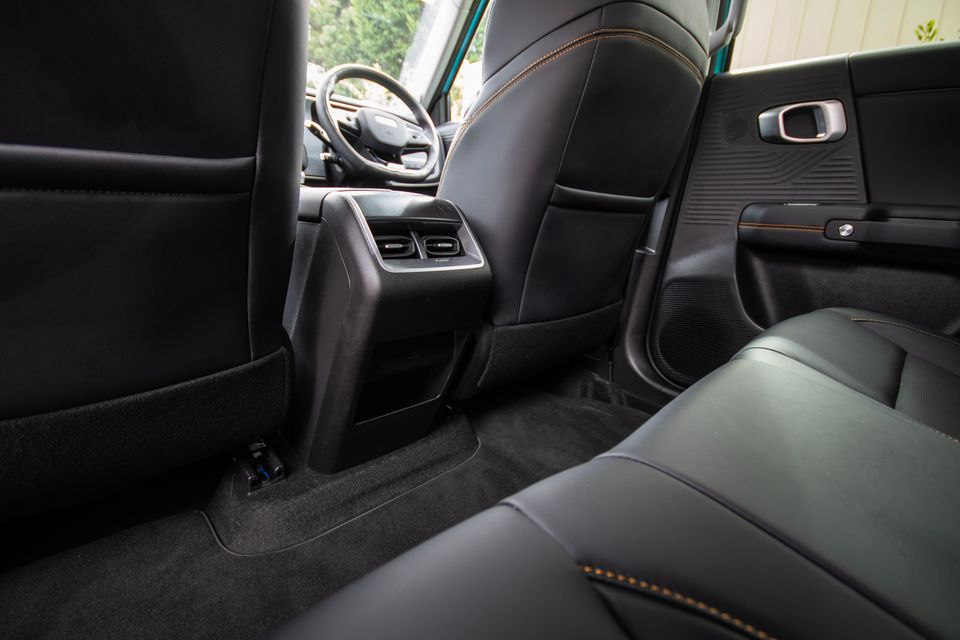
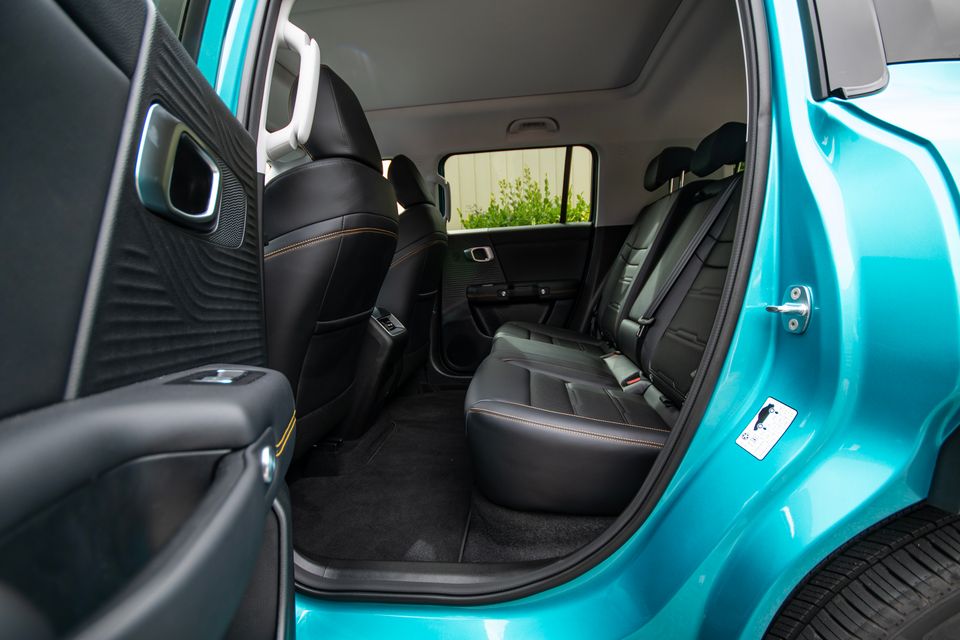
A more resounding success inside the B30 is the practicality side. This is a rather large mid-size SUV with 130mm in extra length compared to a RAV4, and you can feel that added space best when sitting in the back seat. Room in the second row is commendable, with heaps of legroom available and — thanks to the squared-off roof — an equally impressive amount of headroom.
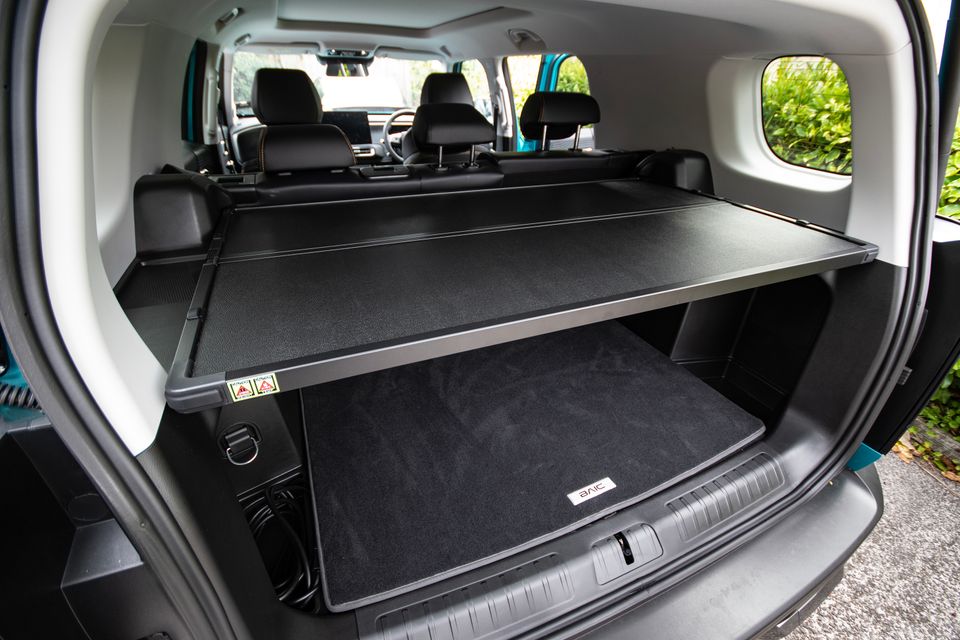
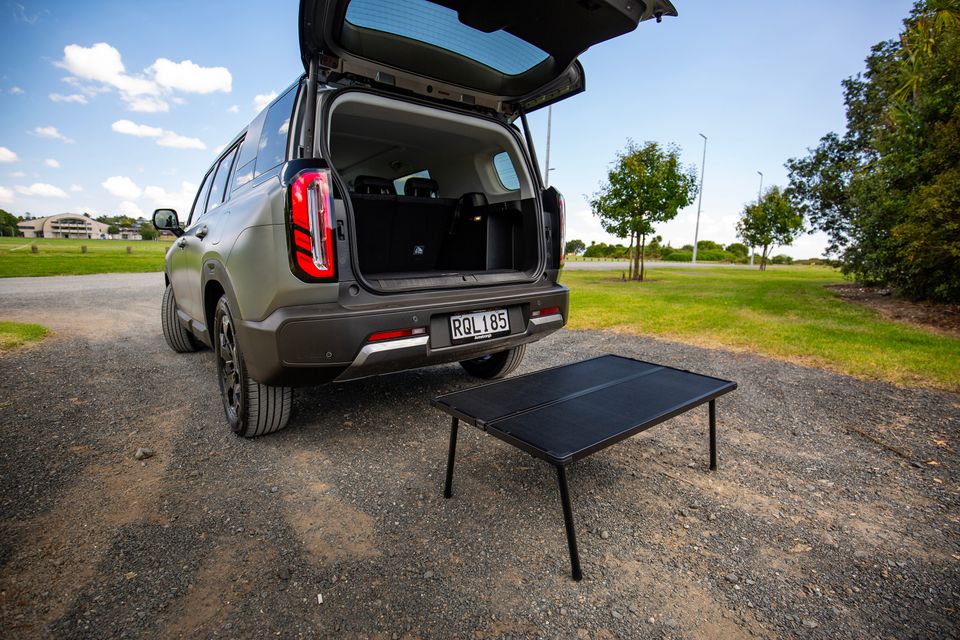
Boot space is a solid 496-litres. BAIC has again tried to be a bit different in the back. The hard plastic parcel shelf can be taken out and unfolded to reveal a cute little coffee table. It’s not the sturdiest thing, but I welcome the B30 taking the table torch from the likes of the Pontiac Aztec before it. More important are a set of back seats that have bottom squabs that fold forwards to ensure a flat floor for loading stuff.
What’s under the bonnet?
At a time where almost every affordable SUV from China seems to be favouring plug-in hybrid hardware, the B30 lands with a somewhat unorthodox series hybrid.
Like the pure combustion variants, the B30 hybrid makes use of a 1.5-litre petrol engine. But, unlike say a Toyota hybrid, the 1.5 primarily works as a generator for the integrated electric motor and 1.67kWh battery pack. So, it’s a bit of a hybrid — if you will — between one of the latest Chinese ‘super hybrids’ and a Nissan ePower system.
Theoretically, this means a more silent and EV-like driving experience during typical commuting, inclusive of both better fuel economy and a more quiet demeanour, but without the need to ever plug it in. If you need more sudden propulsion and give it more throttle, the 1.5-litre perks up and drives the wheels (a big difference relative to the aforementioned ePower stuff).
How does the BAIC B30 drive?
If you’re looking at all that hybrid drive malarky and thinking ‘that’s a lot of complication for a brand I’ve barely heard of before’, I don’t blame you. But, perhaps a bit against the odds, the B30 hybrid actually does quite a solid job of juggling its petrol engine and electric motor.
The all-wheel drive variant we tested in full seems to be the one to get. Our team also got to briefly sample a front-wheel drive B30 separately, and found it to lack a little bit of straight-line grunt, with fuel economy suffering as a result.
Granted, the AWD version isn’t exactly a firecracker. But, it displays many of the classic hybrid hallmarks. Pace off the mark isn’t bad, and when you put your foot down suddenly it gives you a decent amount of immediate response. A RAV4, Outlander or X-Trail will admittedly give you better performance returns, but the B30 isn’t too far behind.
Maybe more impressive is the smoothness and general invisibility of the hybrid tech. In most driving scenarios, the B30 operates in EV-like silence. Only when its battery charge level runs low or when you nail the throttle does the cabin suddenly fill with the sound of chirping 4-cylinder. We were very impressed with how composed and refined it felt switching between the two propulsions.
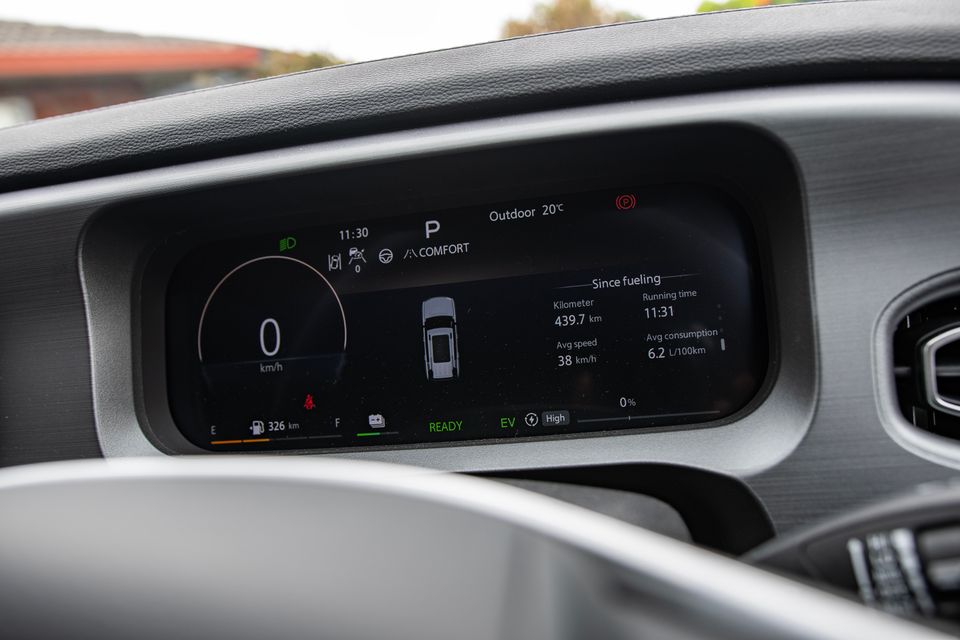
Fuel economy was solid, too. BAIC claims 6.2L/100km, and we saw 6.3L/100km indicated without any real effort from our end to save fuel. Some more frugal operating could see a combined number in the even lower sixes, and someone with a more urban-based daily commute could potentially nip a high five.
Note that that’s still a bigger number than what you get from a more conventional RAV4 hybrid, and of course a super hybrid that’s diligently plugged in will deliver even better returns.
The easygoing nature of the hybrid was further complemented by the BAIC’s generally relaxed demeanour. This is not a driver’s car, as evidenced by its anonymous and numb handling characteristics when you hurl it through a corner. But, its controls are nice and light, and there’s plenty of visibility in every direction thanks to the large glasshouse and squared-off shape.
What do you get?
The BAIC's options list is ample, with minimal black holes barring the aforementioned lack of proper wireless Android Auto and also the lack of a head-up display.
BAIC B30 Elite Adventure equipment highlights:
- 18-inch wheels
- Automatic LED headlights
- LED tail lights
- High beam assist
- Roof rack
- 10.25-inch digital cluster
- 14.6-inch touchscreen
- Wireless Apple CarPlay and Android Auto
- 2 x 12-volt power sockets
- Sunroof
- Privacy glass
- Trunk camp table
- Leatherette upholstery
- Power operated front seats
- Heated front seats
- Drive modes (Standard, Sport, Economy, Snow)
- Hill descent control
- Hill hold control
- Front and rear parking sensors
- 2 x ISOFIX points
- Dual-zone climate control
- Wireless charging
- Power tailgate
- Rain-sensing wipers
- Heated outside mirrors
- Fatigue reminder
- Intelligent radar cruise control
- 360-degree camera
- Rear cross-traffic alert
- Blind spot detection
- Forward collision warning
- Autonomous emergency braking
Premium Adventure HEV adds:
- 220-volt rear power socket
- Acoustic glass
- Launch mode
Premium Adventure HEV AWD adds:
- Wheel arch side lights
- LED front fog lights
- Heated steering wheel
- Cooled front seats
- Memory front seats
- All-Terrain system (Mud, Sand, Wading)
- Electronic limited slip assist
- Air conditioning pre-ventilation
- Smart window closing
CarExpert’s take on the BAIC B30
Whilst most of the microscope devoted to these new (to us) Chinese car brands has been devoted to their plug-in efforts, it’s fair to say that most conventional internal combustion and hybrid models that have hit the market have been disappointing. Quirky transmissions, gutless powertrains, and a lack of refinement all often cited.
The B30 though is a pleasant surprise. There’s a bit of work to be done to make this a properly polished SUV. But, it’s well worth a look if you’re after something in this weight division, but are keen to stand out from the RAV4, Outlander, and CX-5 pack.



 Showroom
 Car Chooser
 Compare
 Car Specifications





 Automotive Vehicle Spec Data & 4K images Powered by JATO Dynamics Ltd