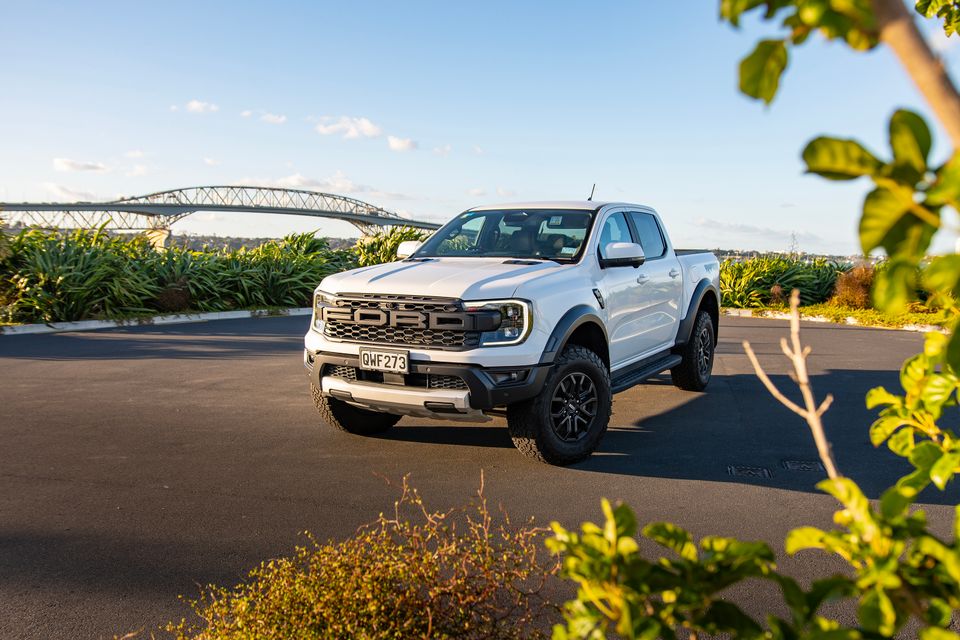
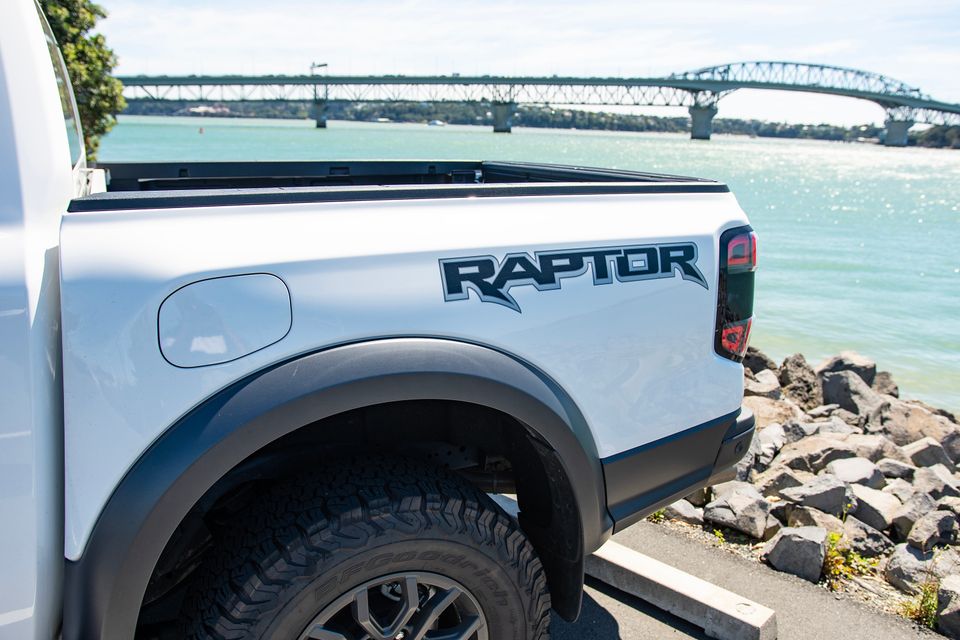
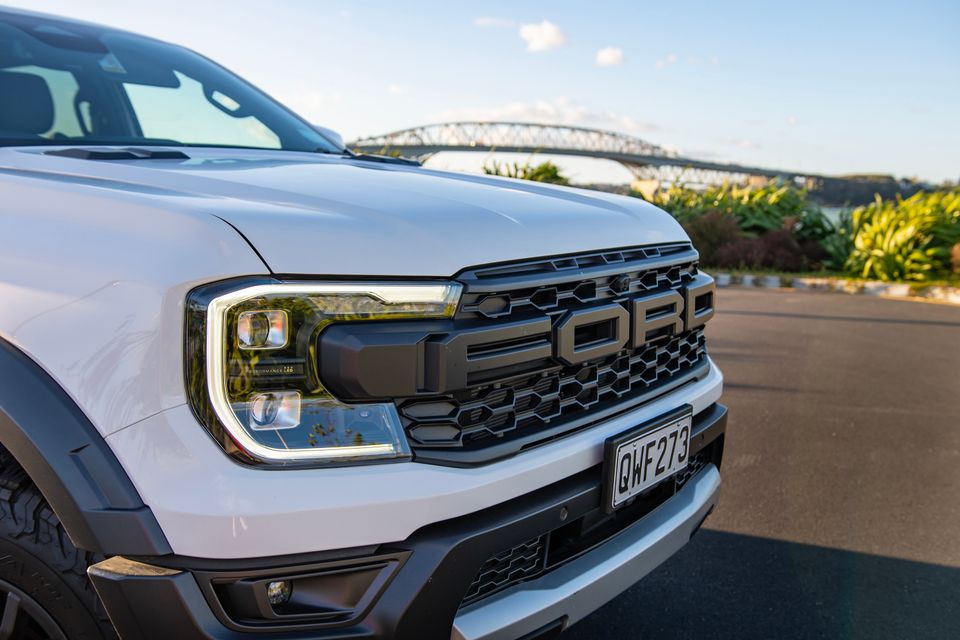
The Ford Ranger Raptor is perhaps one of the most unnecessary vehicles on the market today. It’s a pick-up that’s more expensive and less usable than the other utes in its line-up. It’s as thirsty as anything, and wide enough to be a menace on the occasional New Zealand backroad.
Inevitably though, machines like these are often amongst our favourites. And the chance to hop back behind the wheel of Ford’s current Ranger Raptor reiterated a point I’ve repeated to plenty of other petrolheads; this is one of the most hilarious and lovable performance cars you can buy for less than a hundred grand.
How much does a Ford Ranger Raptor cost?
Now admittedly, the Raptor has quite a lofty barrier to entry in its hefty price. But conversely, there isn’t much else out there that scratches quite the same naughty itch.
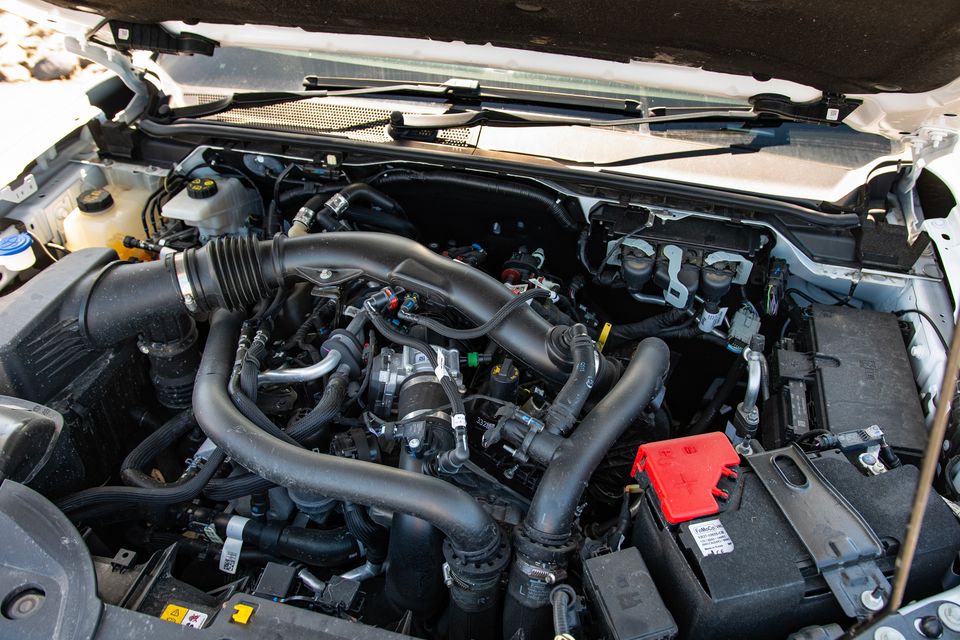
With Ford phasing out the last-gen 2.0-litre across the board, the less powerful four-banger Raptor is now a thing of the past. This means the only game in town for the Raptor line-up, and the one we got to spend a memorable week with, is the $98,490 3.0-litre twin-turbo V6.
Don’t get me wrong, the original 2.0-litre was a capable, punchy powertrain for the kind of bush bashing the Raptor specialises in. But, taking more than 10 seconds to accelerate to 100kph, it wasn’t exactly fast. The V6 remedies this and then some. It rips to 100kph in just six seconds, almost half the time it took for the old Bi-Turbo.
Despite the Raptor’s clear successes, to date no other ute manufacturer has come out with a proper bonafide rival. So whilst there will be those who look at the near six-figure price of the Raptor and ponder whether it’s decent value, but the lack of direct alternatives means that price is hard to contextualise.
Historically, the closest rival to the Ranger Raptor was the Toyota Hilux GR Sport — a model that’s been phased out (at least for the time being) with a new generation of Hilux recently touching down.
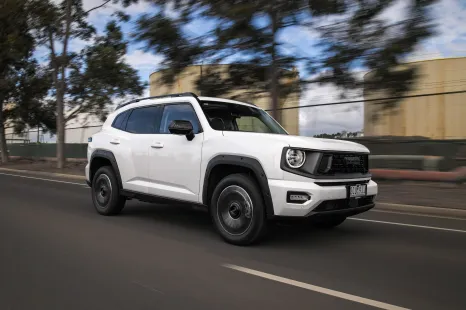
In straight-line performance metrics, you could argue that the BYD Shark 6 is the closest rival with its quicker 0–100kph creds. It’s much cheaper than the Raptor, at $69,990 plus on-roads, but doesn’t have any of the same off-road damping and traction fruit underneath.
For something a little different, you could maybe compare the Raptor to the gruff Chevrolet Silverado ZR2. But at $159,900 and with its blown out bigger-than-Texas dimensions, they don’t really swim in the same pool.
What’s the Ford Ranger Raptor like inside?
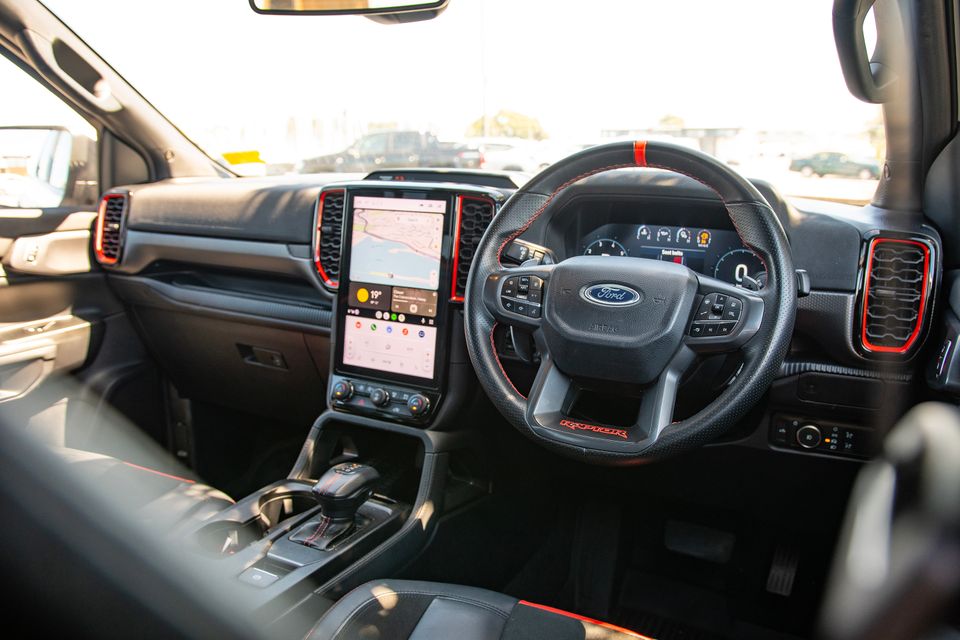
When it launched here in 2022, the Ranger represented a quantum leap for interiors in the double-cab segment — particularly in the context of technology. The amount of kit, combined with the comfort of the Ranger’s damping, made it the most car-like ute we’d seen to that point.
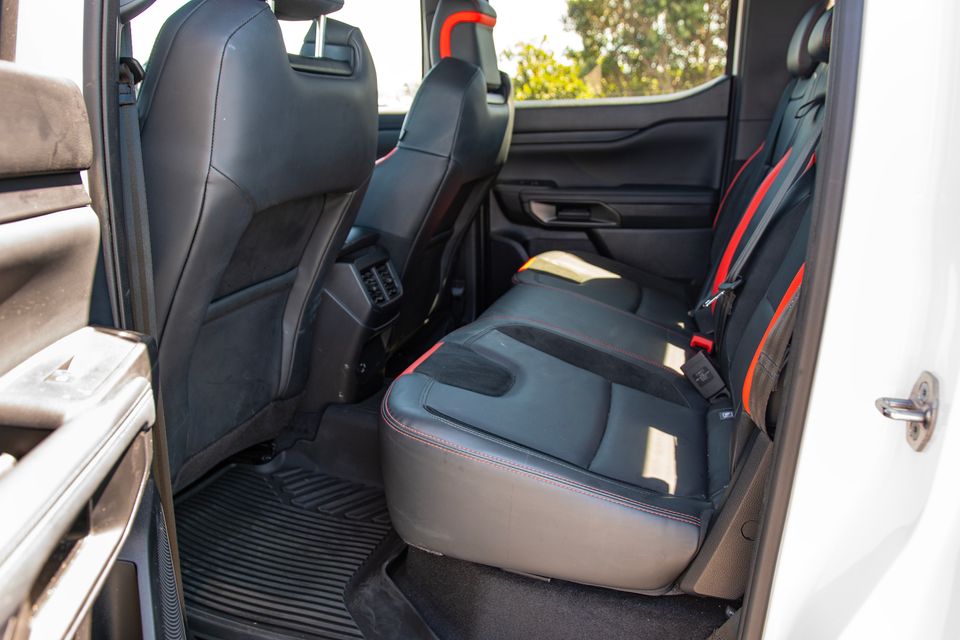
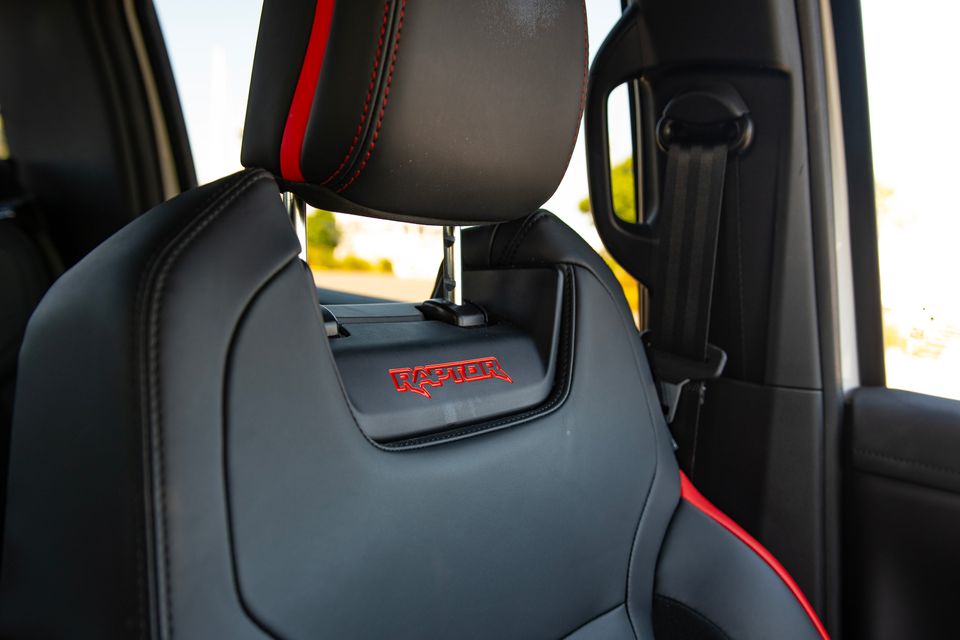
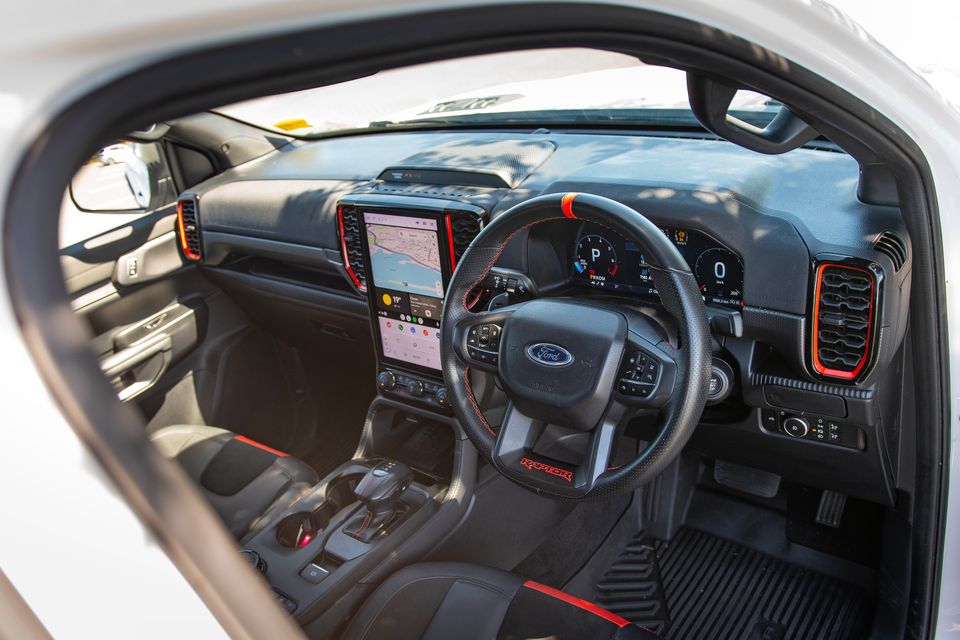
The Raptor of course adds a variety of standard performance car trappings. There’s a pair of bucket seats up front, a sports steering wheel (complete with a 12’o’clock marker at the top), a set of sports pedals, and acres of racy red contrast trim. Combined with a decent mix of soft-touch materials on the dashboard and door cards, it’s a space that comes close to warranting the Raptor’s near 6-figure asking price.
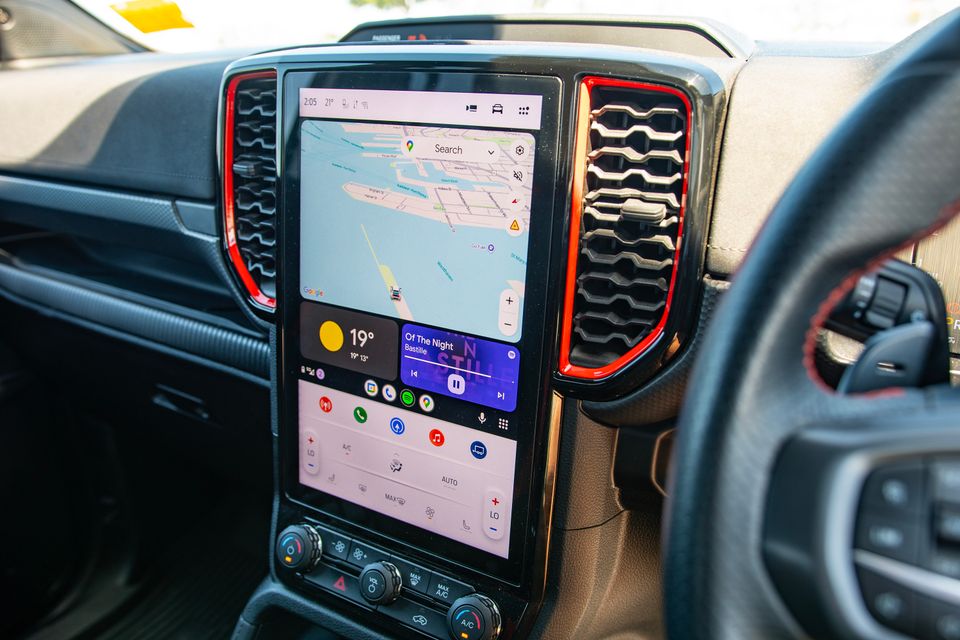
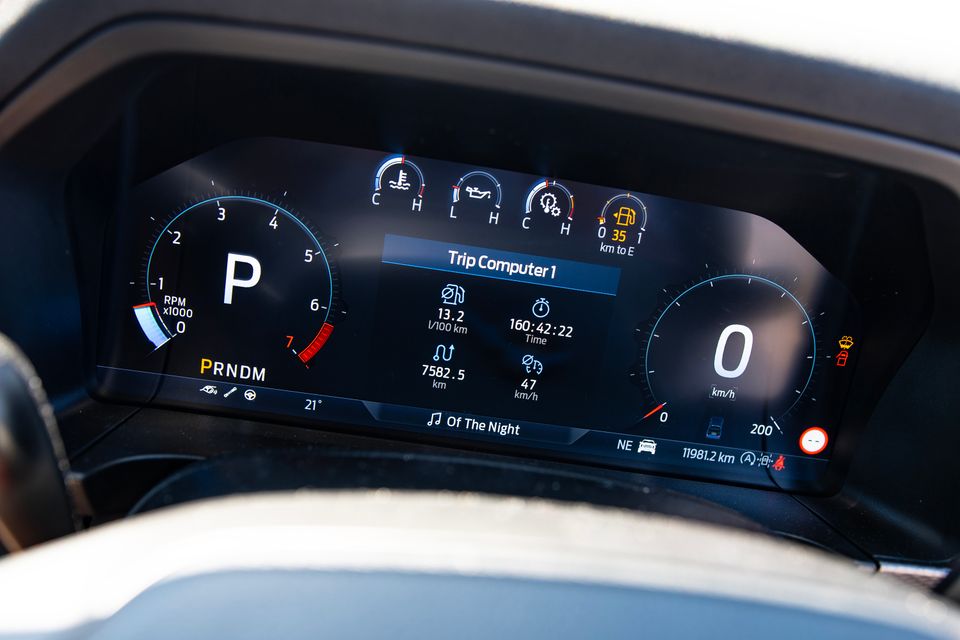
With respect to interior tech, there are some utes that have caught up to the Ranger’s high watermark. The BYD Shark 6, GWM Cannon Alpha, and Kia Tasman all spring to mind. But, the Ranger’s 12-inch portrait touchscreen and full digital cluster combo is still competitive. You get wireless Android Auto and Apple CarPlay of course, plus a capable B&O sound system and a very crisp and clear 360-degree camera.
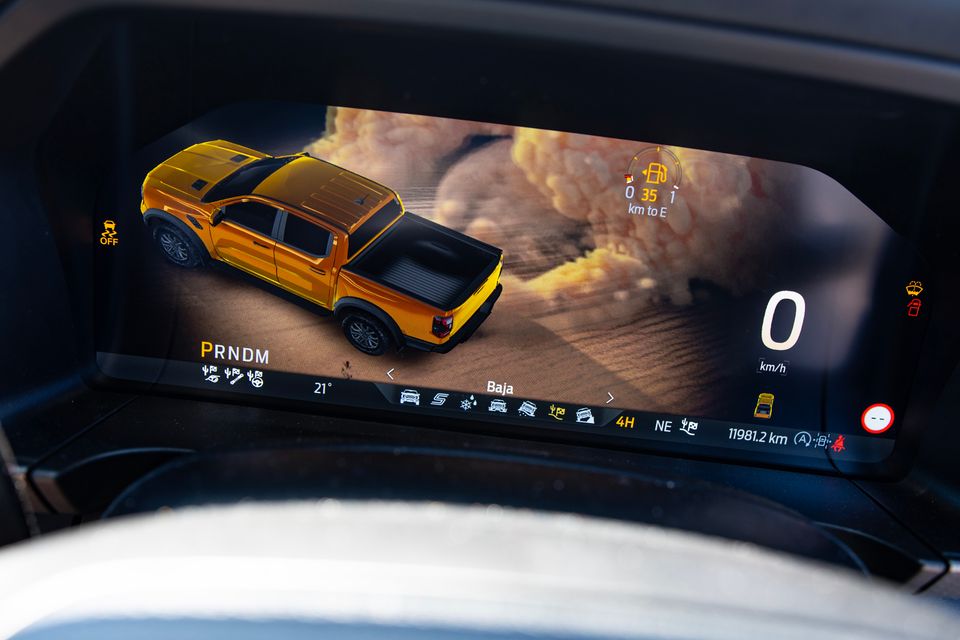
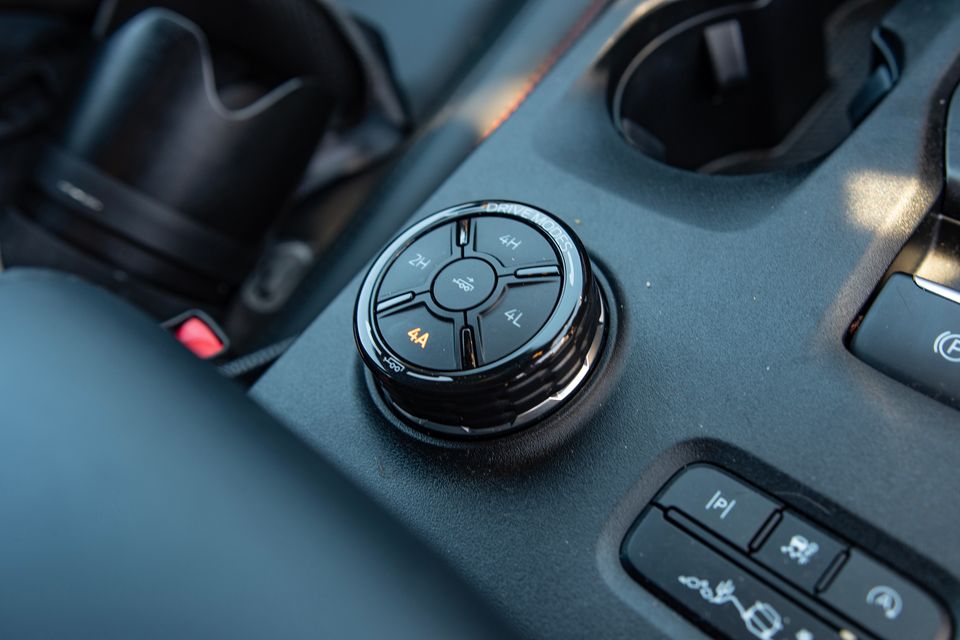
As always, it’s the little touches that push the Raptor’s cabin to the next level. The detailed animations that play when you scroll through each drive mode are a little corny, but a good bit of fun. I’ve always appreciated the off-road menu shortcut button just beneath the 4-wheel drive dial. And, you can’t forget the most intuitive set of interior door handles in the game.
A location where some of the Ranger’s peers have overtaken the Blue Oval best seller is interior space. Whilst the Ranger has a pretty comfortable and spacious second row and it generally outperforms its core rivals (think Hilux, Triton), the Tasman and Cannon Alpha both pip it for outright space and practicality.
What’s under the bonnet?
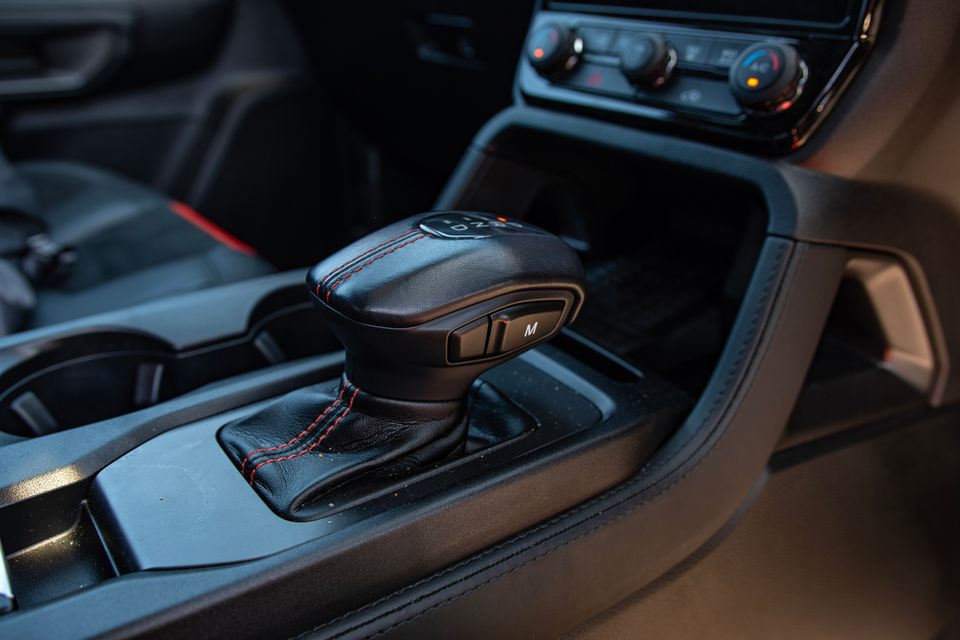
Sourced from the Explorer, the Raptor’s 3.0-litre twin-turbo V6 petrol produces 292kW of power and 583Nm of torque. It’s paired to a very familiar 10-speed automatic, and it can heave this pick-up from a standstill to 100kph in six seconds. The only local market pick-ups that are quicker in a straight line are plug-ins and the beastly RAM TRX.
Of course, those who are familiar with what makes a Raptor a Raptor will know that the thrumming V6 is only half the story. Ford has also put a heap of effort and development into the T6.2 platform to make this as thrilling as possible on gravel.
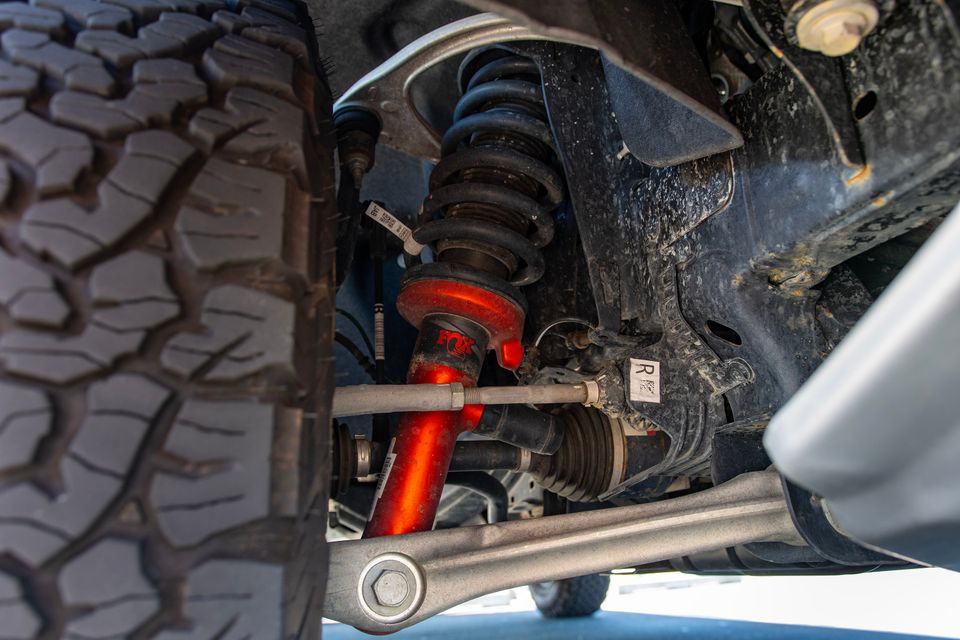
There’s a set of 2.5-inch diameter Fox Racing shocks with ‘live valves’ that can adjust damping forces in real time, mirroring the terrain you’re barrelling through at a rate of 500 updates per second.
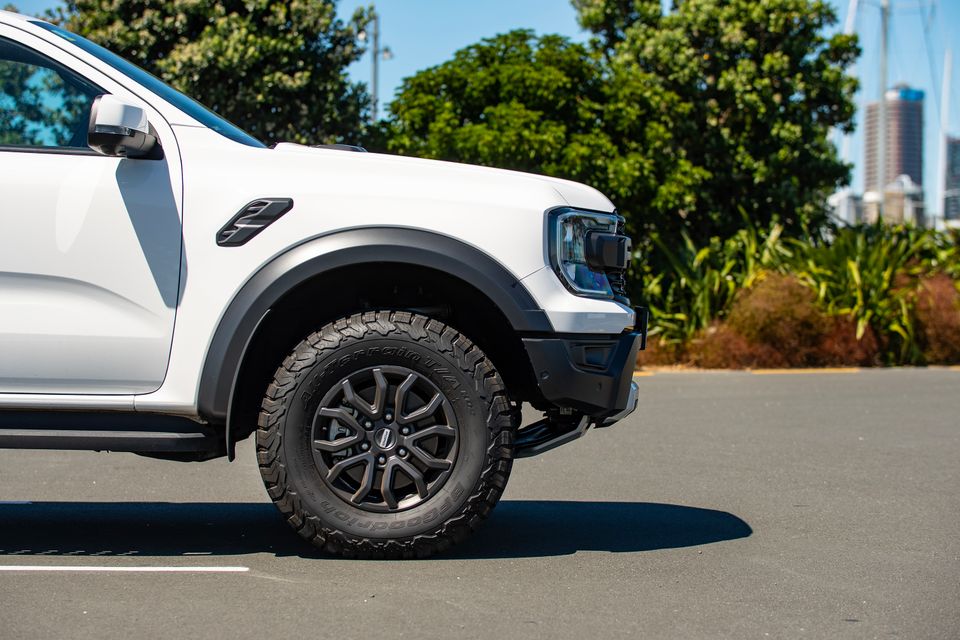
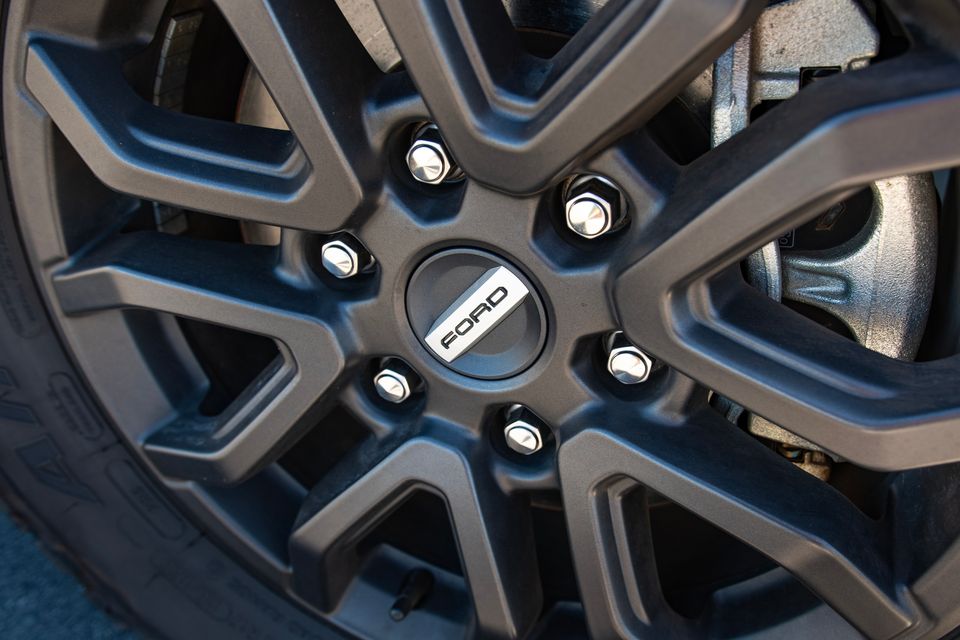
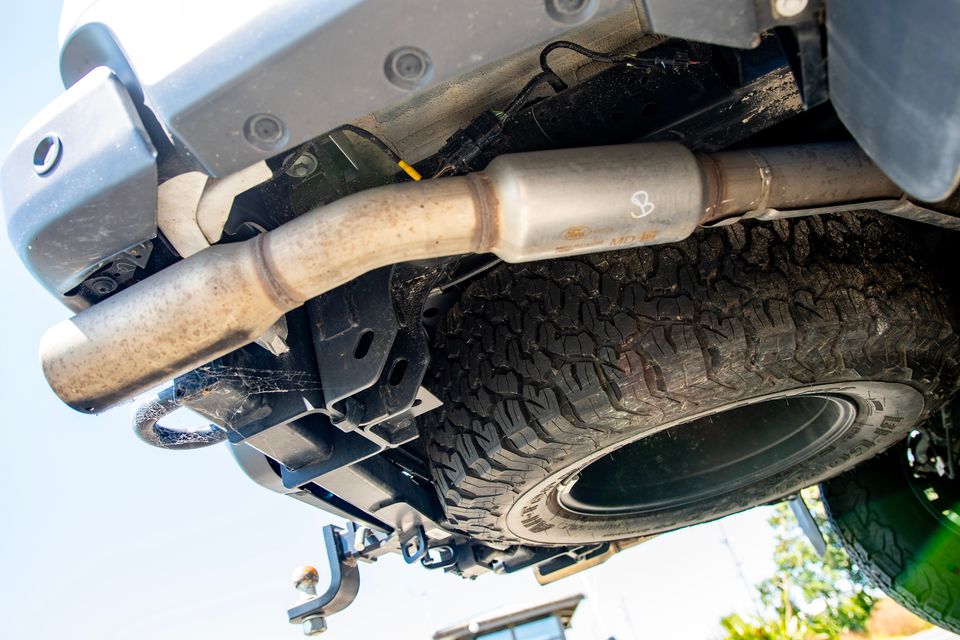
There’s model-specific drive modes, including Baja. There’s a taller rideheight, the platform has been stiffened, there’s locking front and rear differentials, new shockmounts and bash plates. And, a set of 33-inch BF Goodrich K02 shoes connects all of this tech and mechanical advancement to the road.
How does the Ford Ranger Raptor drive?
The Raptor is not the quickest performance car — or even ute — you can buy for less than a hundred grand. It’s obviously not the most gripped up on a backroad, or the best sounding. But as an outright package, in a country with as many gravel spaces as New Zealand, it’s hard to think of something that’s as versatile and fun for the money.
Drawbacks are minimal, so it makes sense to get them out of the way early. The Raptor’s petrol V6 is very thirsty, returning more than 13.0L/100km during our time with it — a bit of an indictment in the current economy if you’re thinking of picking one of these up as a daily. I think the EcoBoost V6’s exhaust note can also be a little grating over time, although I’m sure there are those who will appreciate it.
And, on wet tarmac, the Raptor and its all-terrain rubber can sometimes feel a little lacking in grip. This shouldn’t be much of a surprise, though, given its top heavy form factor, considerable power and rear-wheel drive bias. It’s also worth flagging that the Raptor has a reduced max towing capacity of 2500kg (down from the expected 3500kg) due to its more pliant suspension set-up.
Into the good, and there’s a lot of it. That 3.0-litre is a peach. There’s plenty of immediate punch from a standstill, particularly if you’ve got Sport or Baja mode enabled. The 10-speed is snappy enough to keep up with its demands, including if you suddenly summon it into life for a cheeky motorway overtake. The twin turbos ensure there’s always a healthy amount of poke on tap, which helps both in standard day-to-day driving and in making this thing quite a predictable performance car.
Although we didn’t spend our most recent stint with the Raptor carving up paddocks or jumping it on gravel, we’ve done plenty of this previously. The Raptor performs on gravel — particularly at speed — in a way no other pick-up can. The way the shocks work and drive modes work puts a huge amount of control at your fingertips, making the execution of powerslides and other such manoeuvres (don’t try this at home, professional stunt drivers only, etc) an absolute joy.
The Raptor’s ride isn’t just a pure performance benefit, though. It also has the added good of being super plush on regular roads. It doesn’t matter if it’s speed bumps, meaty potholes or a corrugated unsealed road, the Raptor’s ride soaks up everything. On the smooth black stuff, the Raptor is good, silly fun. Its steering is very precise and feels satisfyingly weighty. There’s a bit of body roll, but that kind of adds to the fun in a supersized-Mazda-MX-5 kind of way.
CarExpert’s take on the Ford Ranger Raptor
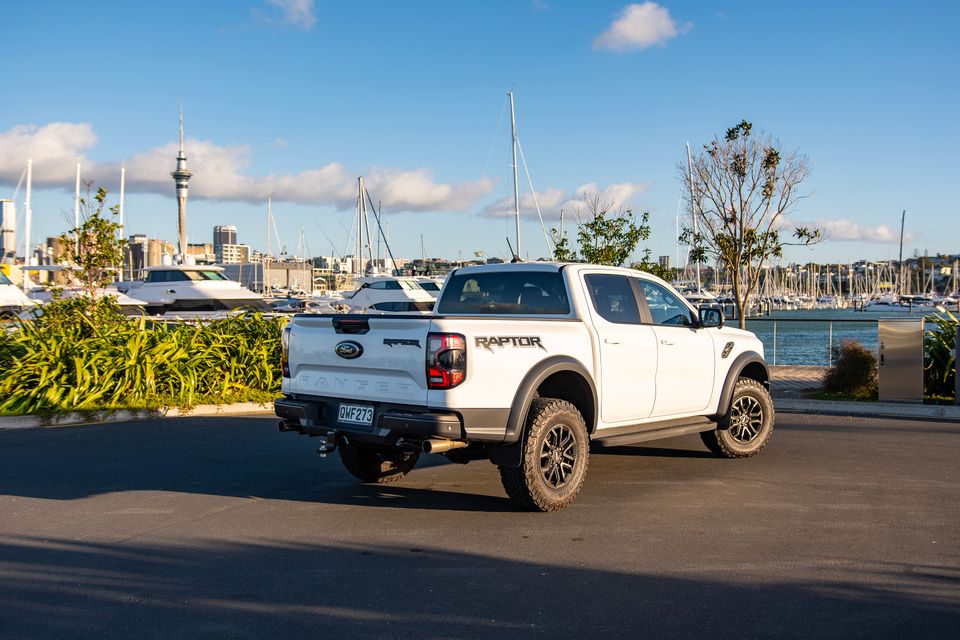
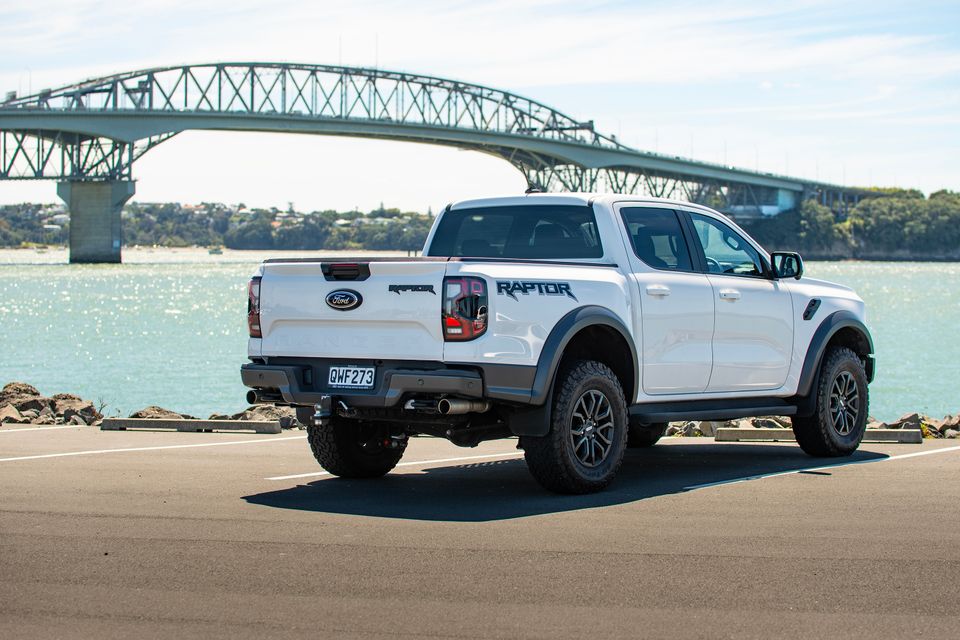
The Ford Ranger Raptor is one of those cars that’s a bit naughty, a bit antisocial. It drinks petrol like there’s no tomorrow and it cuts a huge, towering silhouette on our relatively narrow roads.
But, there’s no denying just how incredibly fun it is to drive … not just in very specific gravel environments, but on everyday commutes. The Raptor takes the once humble ute segment to an aspirational space it’s never really seen before, and — perhaps apart from the RAM TRX that’s almost three times the retail price — there’s nothing else like it.



 Showroom
 Car Chooser
 Compare
 Car Specifications






 Automotive Vehicle Spec Data & 4K images Powered by JATO Dynamics Ltd