

 Showroom
 Car Chooser
 Compare
 Car Specifications

Matthew Hansen
Watch out Corolla Cross? Jaecoo announces hybrid J5 SUV
Hybrid crossover joins quickly growing Jaecoo line-up.
4 Days Ago
The latest Kona arrived promising bigger proportions, more refinement and an even bolder presence, we test this for ourselves
Where expert car reviews meet expert car buying – CarExpert gives you trusted advice, personalised service and real savings on your next new car.
Hyundai’s stylistic Kona SUV burst onto New Zealand’s new car scene back in 2017 and, if we’re honest, the car's styling and the dynamics didn’t quite match up.
It looked the part, with a design language that stood out from all other rivals in its class, but the driving experience never quite lived up to the sense of futurism its bodywork suggested.
Behind the wheel it was perfectly fine. Unoffensive and unsurprising, all the while I was wishing for something a bit more unhinged.
Fast forward to late 2023 and a new-generation of Kona landed promising bigger proportions, more refinement and an even bolder presence.
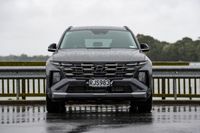
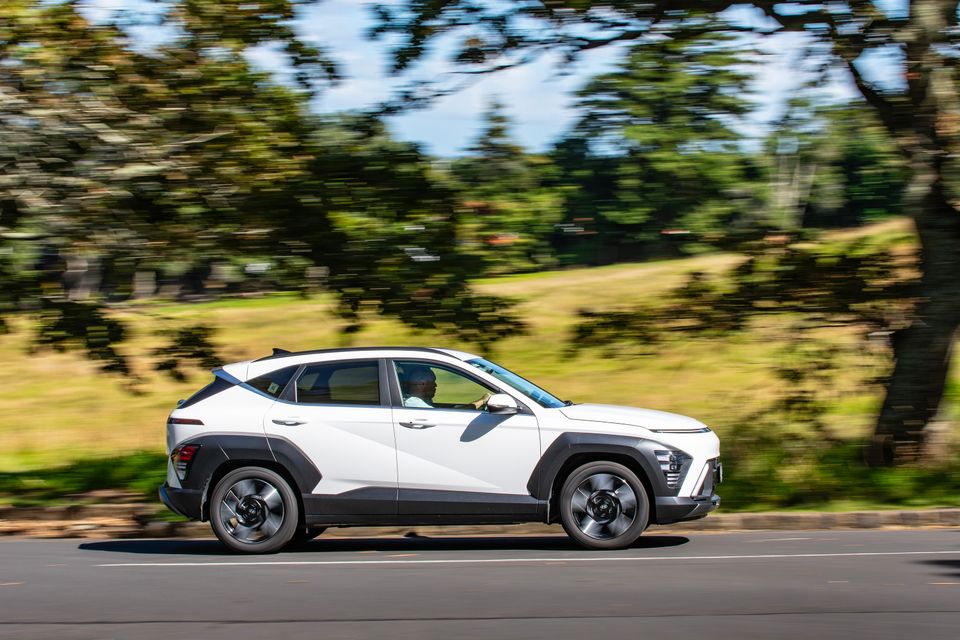
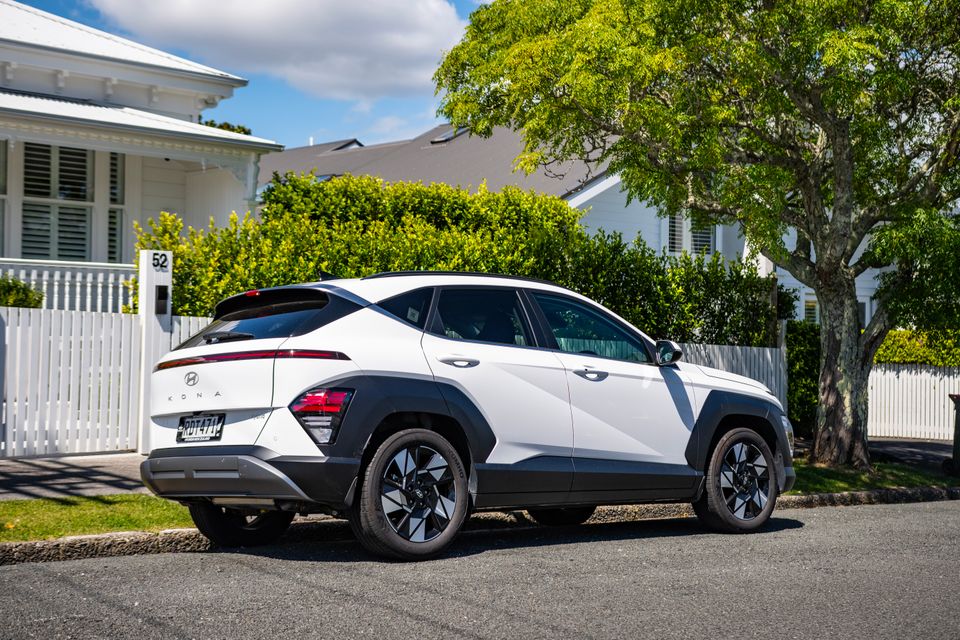
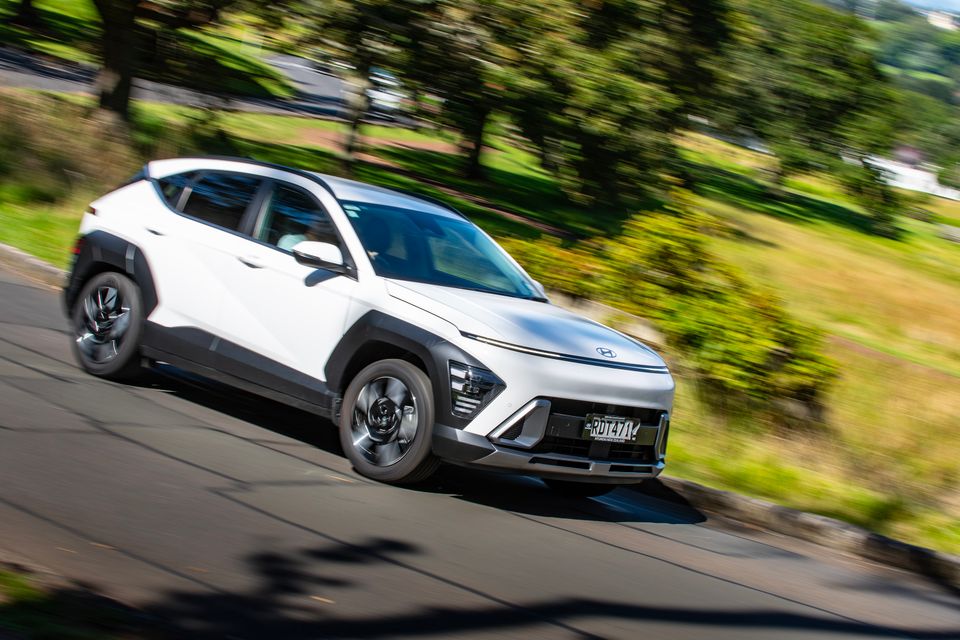
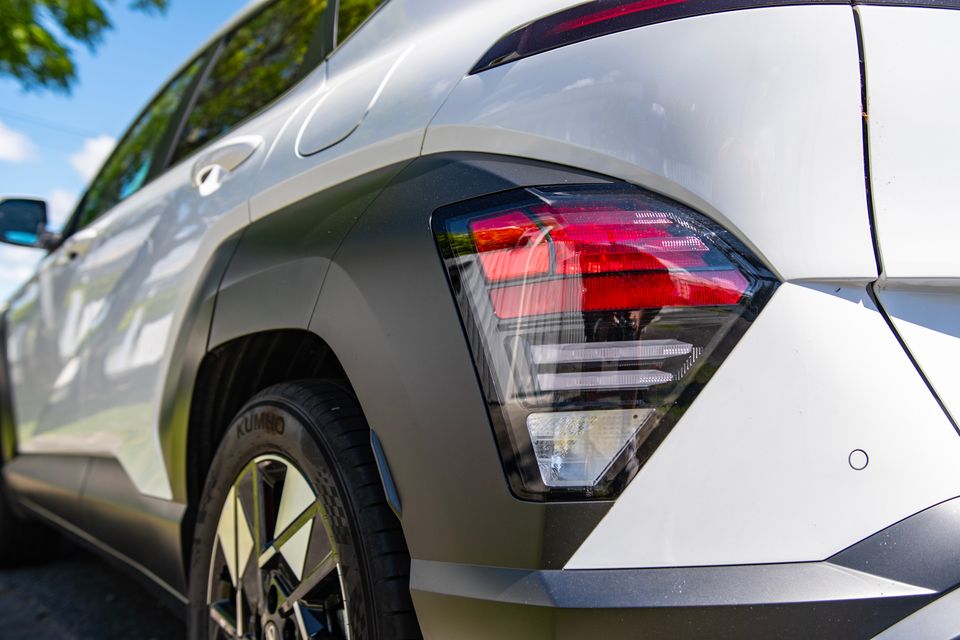
It still looks like a Kona with its ‘seamless horizon’ headlights and even active air flaps in place of a conventional grille.
In 2025, the Hyundai Kona was the second best-selling small SUV under $40k, so its got a fanbase and, whatever I may have thought about its predecessor, it’s going strong in the New Zealand market. I get behind the wheel of a current Elite Hybrid model to see if a new look equals a new experience.
How much does the Hyundai Kona cost?
The Hyundai Kona range kicks off with 2.0-litre petrol Active and works its way up to a Hybrid Limited N Line. There is one outlier, a 1.6-litre turbocharged all-wheel drive N Line, if you really need hot hatch performance in a small SUV, though please note the i20N is still available… for now.
Model | Price before on-road costs |
|---|---|
Kona 2.0 Active | $42,990 |
Kona 2.0 Elite | $42,990 |
Kona 2.0 Limited N Line | $52,990 |
Kona 1.6T Limited N Line AWD | $57,990 |
Kona 1.6 Hybrid Active | $45,990 |
Kona 1.6 Hybrid Elite | $52,990 |
Kona 1.6 Hybrid Limited N Line | $59,990 |
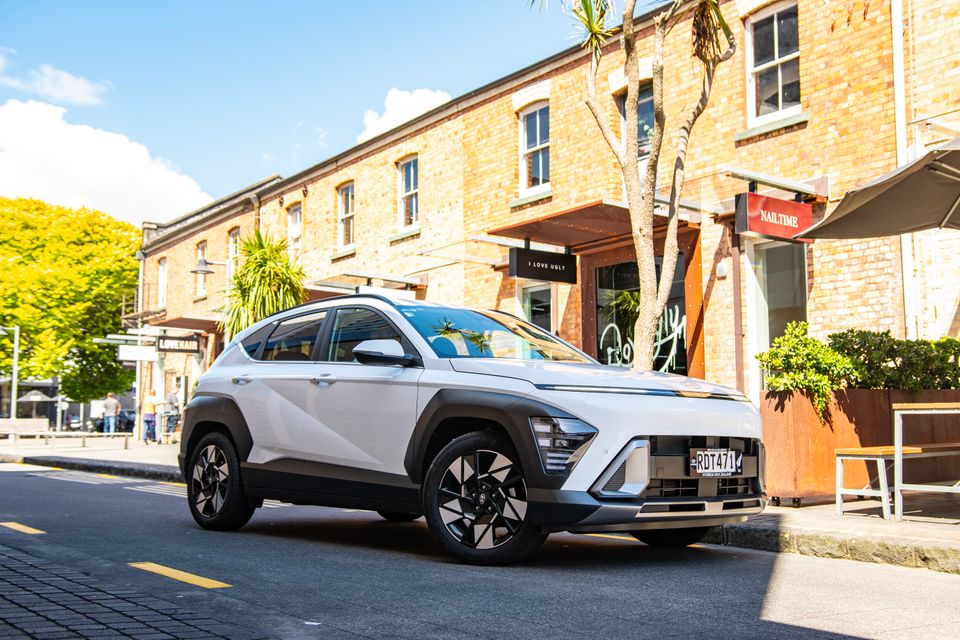
Hyundai are currently offering a ‘Free Petrol Elite Upgrade’ for 2.0-litre petrol models, so I wouldn’t expect pure-petrol Konas to last too much longer.
With hybrid models, there is a not-so-insignificant $7k difference between entry-level Active, middle Elite and top-spec Limited N Line. The step from Active to Elite is primarily leather and a few more electric adjustments, and from Elite to Limited N Line, you get sportier bodywork, wheels, and all the electronic goodies you’d expect in 2026.
What is the Hyundai Kona like on the inside?
It is roomier and airier than the first gen Kona, that’s for sure.
The view from the driver’s seat seems more open and uninterrupted. The new 12.3-inch infotainment screen sits lower on the dash then the much smaller 7-inch unit it replaces, so despite being bigger, its positioning allows for a wider view forward.
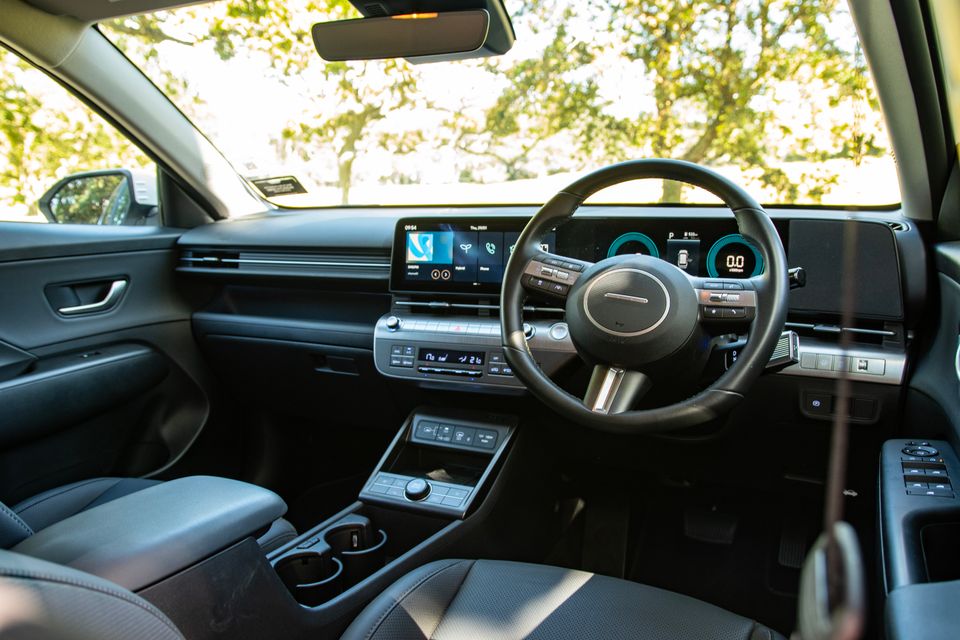
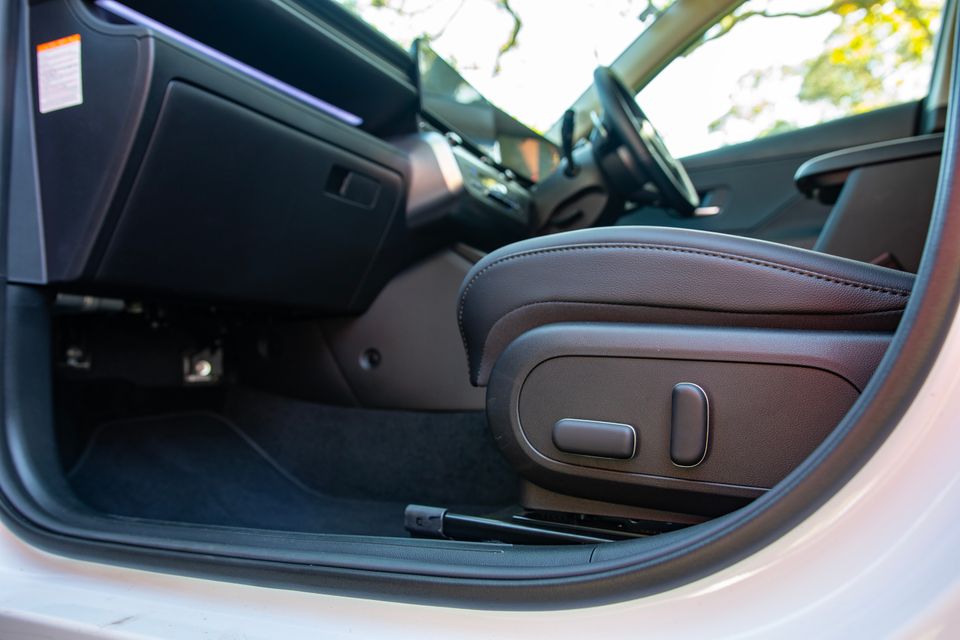
I’m also able to sit lower in the car than I remember. You felt like you sat on top of the first gen, the new model feels more hatch than SUV. A positive for me in any class of small car.
In our Elite test vehicle, the seats are wrapped in perforated leather with electric adjustment. The seat can be set low or high depending on your preference, and in winter front passengers can enjoy heated seats.
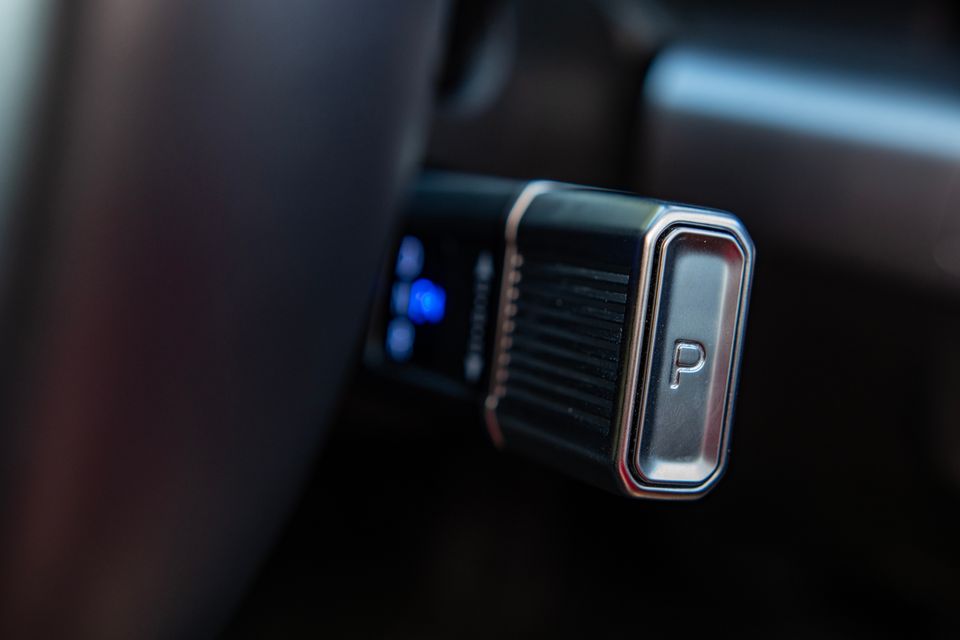
The gear selector has been moved from the centre console and is now a stalk behind the wheel. This has become commonplace in modern Hyundai’s but can take some getting used to if you’ve never experienced it. Twist forward for Drive, backwards for Reverse, or push the button at the end of the stalk to engage Park. Sounds weird? I thought so too, but you do get the hang of it quickly.
The steering wheel still has physical buttons that feel solid and are easy to use, be it cycling through music, setting adaptive cruise control or deactivating lane-keep assistance (more on that later).
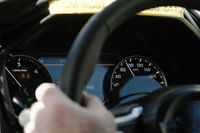
The wheel pairs well with the 4.2-inch digital driver’s display to cycle through trip and economy details. The screen is sharp and easy to read, even in harsh sunlight.
Wireless Apple CarPlay and Android Auto are standard across the range and work great, that’s how I connected to the 12.3-inch touchscreen infotainment system. To manage (or turn off) the Kona’s safety features, you’ll have to dive into the menus here. They are laid out logically and you can expect to find your way around easily.
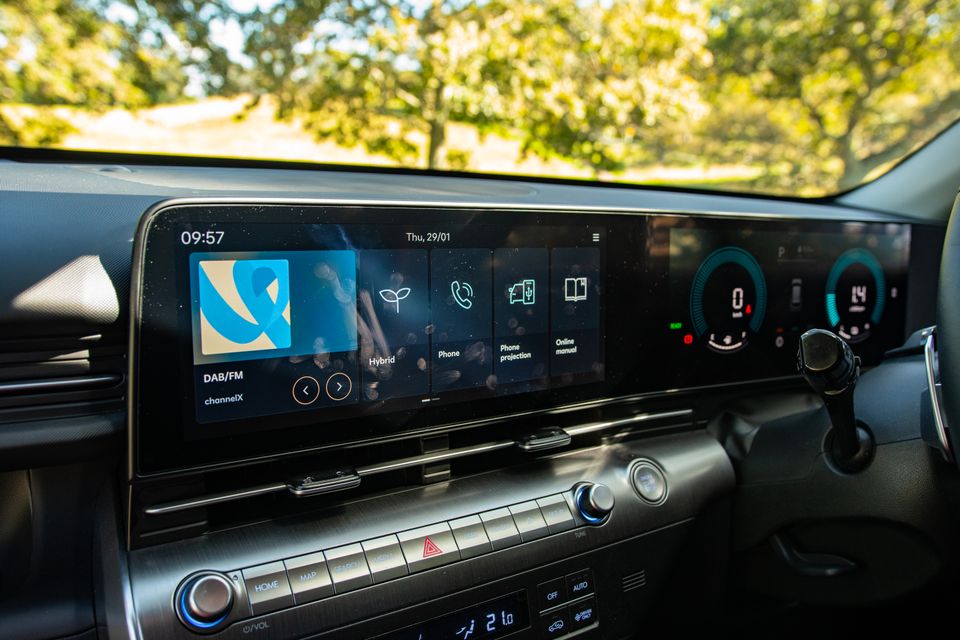
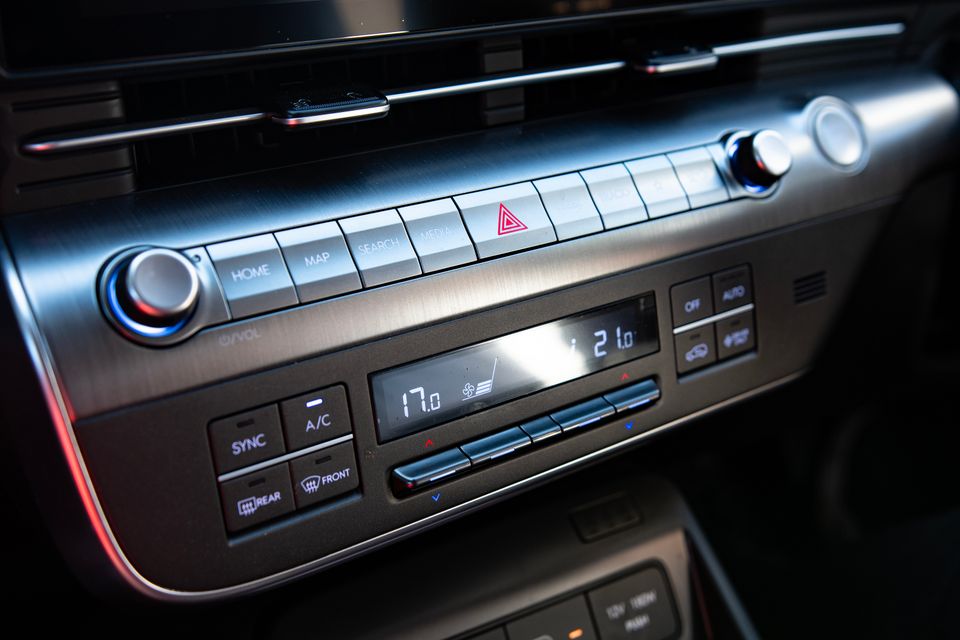
Unlike some SUVs, the Kona keeps a row of physical buttons underneath the touchscreen to navigate Home quickly if you get lost, and beneath that lies another row of physical buttons for your HVAC controls.
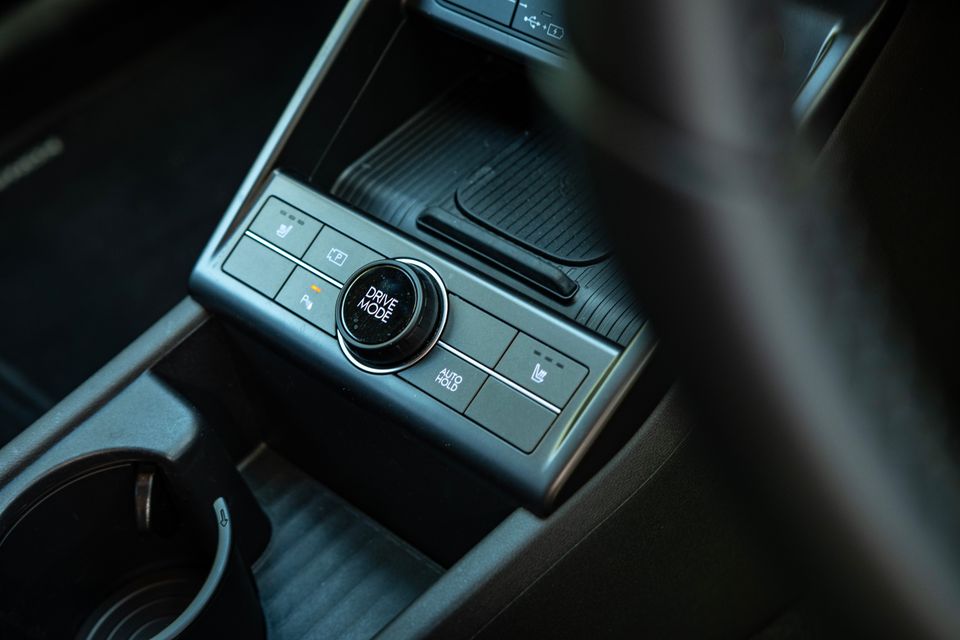
A wireless phone charger sits underneath along with two USB-C ports, a 12V outlet, drive mode selector and more physical buttons for the heated seats. Between the front passengers is a handy storage area for emptying the contents of your pockets and two adjustable cup holders, so you can move them out the way if you just want a wide open space.
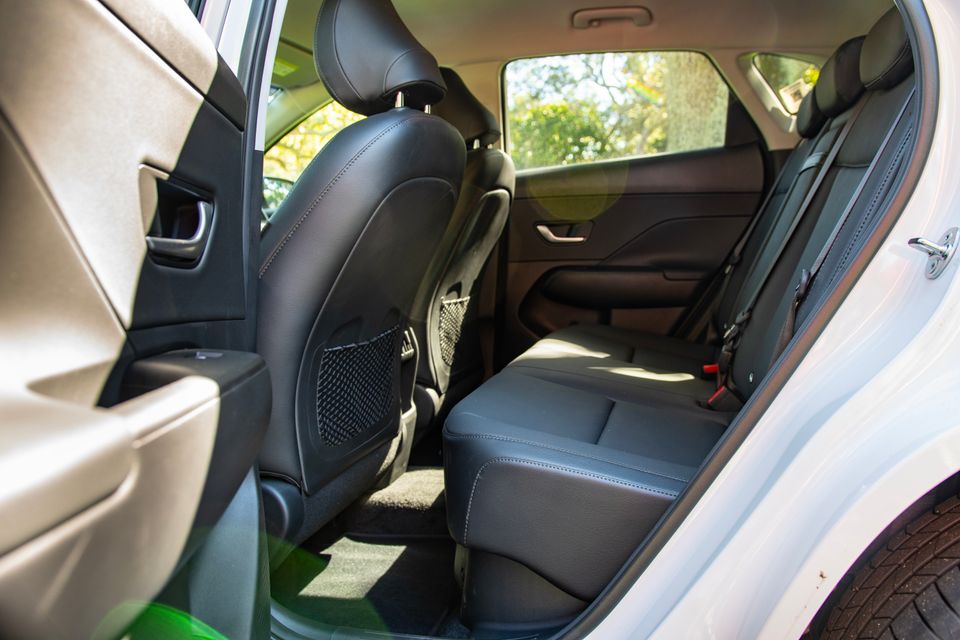
In the second row there’s much more space than I expected. Hyundai quotes 77mm longer leg room and 11mm higher headroom over the previous model and those gains seem modest. With the driver’s seat set to my position I could get my 6-foot frame in the second row with room to spare. Not bad for a car this size but I would still only recommend two adult passengers in the rear row.
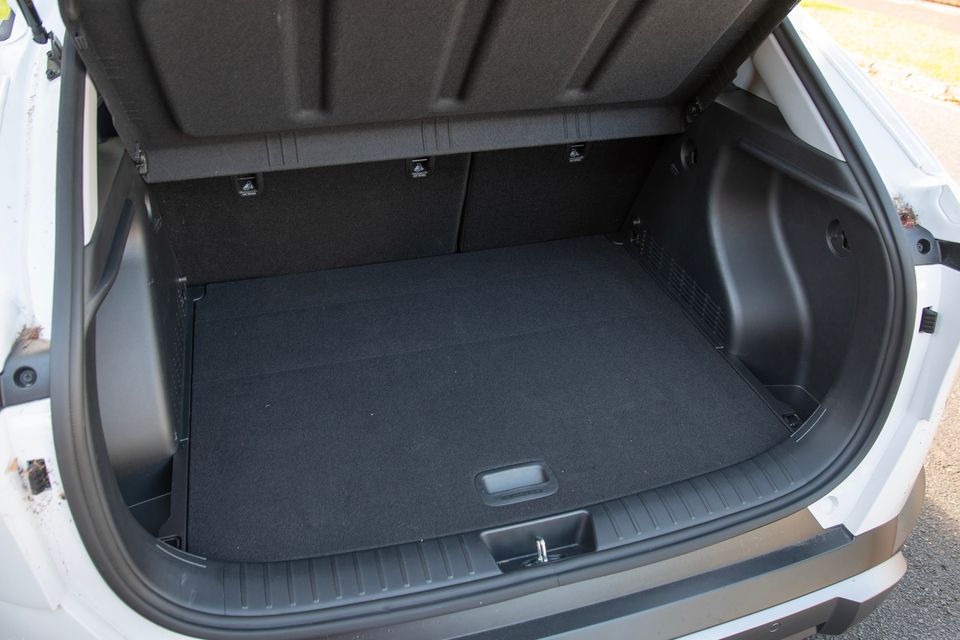
Rear passengers are taken care of with two USB ports and directional air vents. In the boot, the theme of extra space continues. With the seat up there’s 407-litres on offer, expanding up to 1241-litres with the rear seats folded forward.
What’s under the bonnet?
While a 2.0-litre petrol is available, we only tested the hybrid which does offer more grunt and much better fuel economy.
The 1.6-litre four-cylinder petrol is paired with an electric motor and 6-speed dual-clutch transmission to deliver a combined 104kW of power and 265Nm of torque.
Claimed fuel efficiency is 3.9L/100km, an incredibly low figure, but after a week of driving I found it can easily be achieved with a mix of motorway and urban driving.
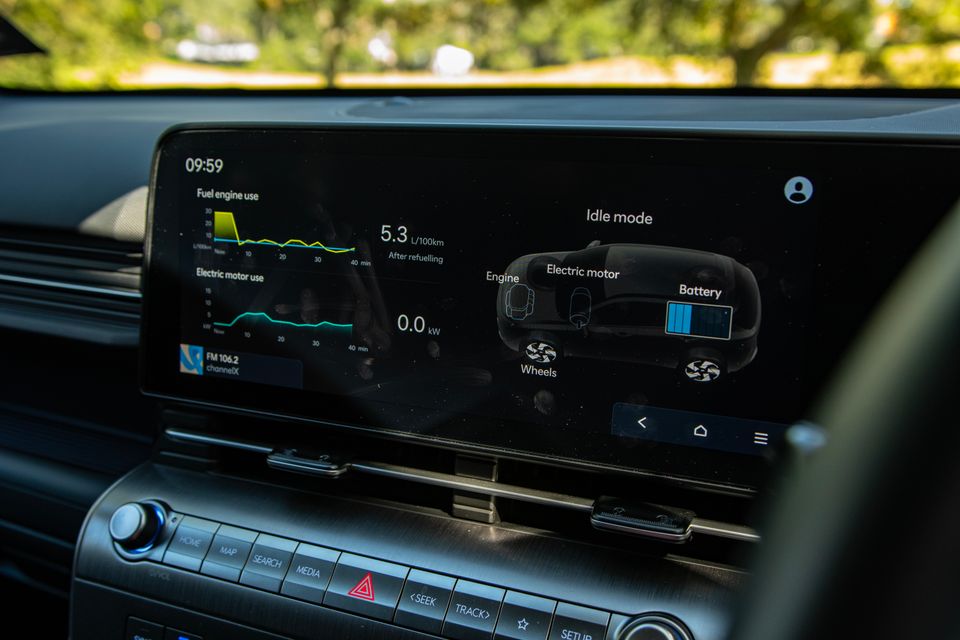
You’re going to struggle to hit that with long motorway runs, the battery needs a chance to recoup some energy from braking or deceleration to be as efficient as possible, but around town the Kona will operate at a light sip all day.
Better yet, the Kona doesn’t require any premium fuel, you can save a bit more money as 91 will do just fine.
How does the Hyundai Kona drive?
Better than I remember, I’m happy to report. And it wasn’t down to any one area either.
This new model might not be turbocharged like the last Kona I drove but I wasn’t missing anything in the power department. If anything, the hybrid model felt more eager.
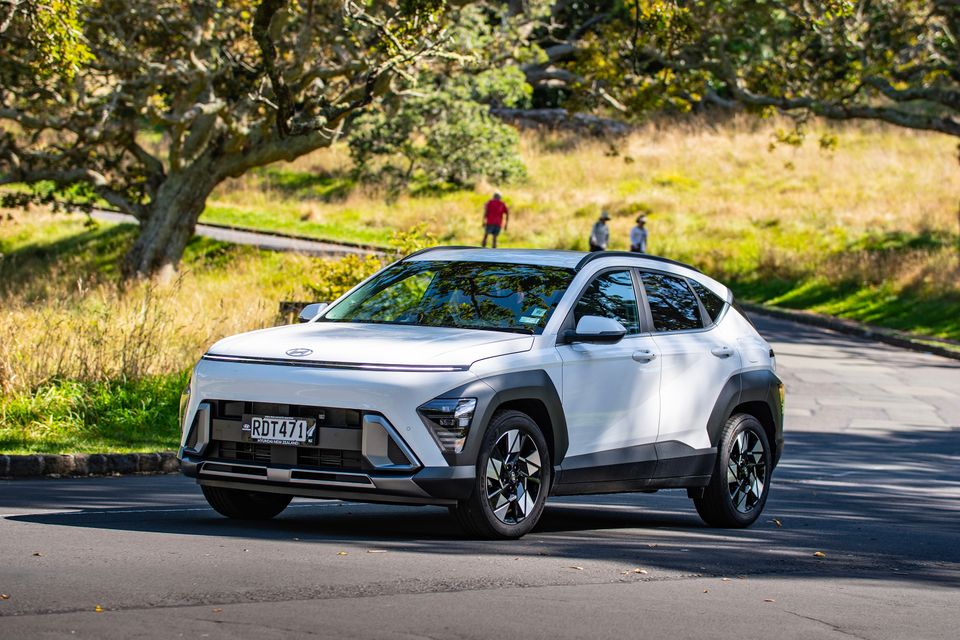
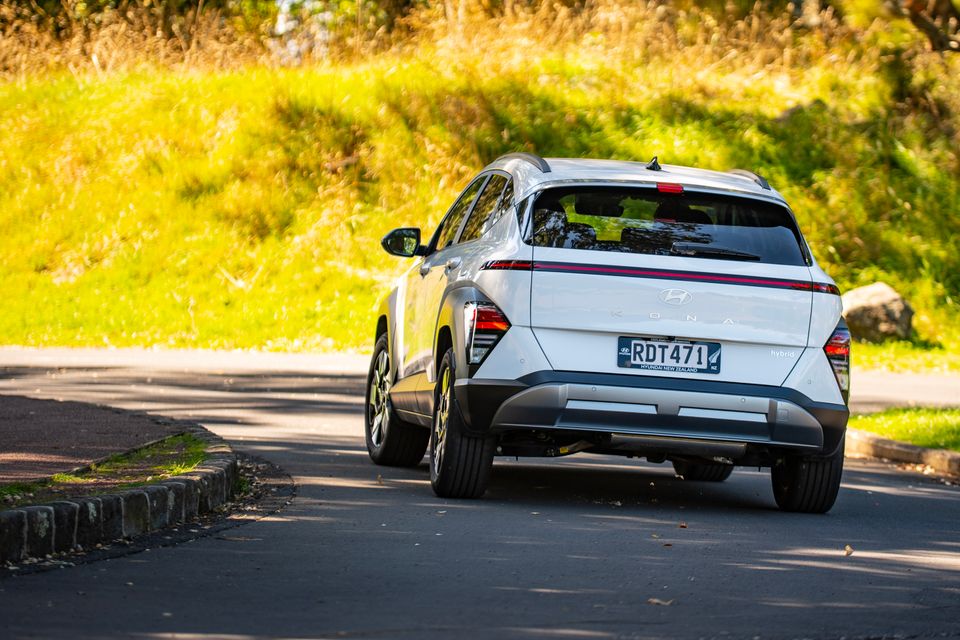
From a standstill, the electric surge from the hybrid system is with you from the moment you apply the throttle, with a solid shove of torque that’s delivered smoothly for a SUV with a dual-clutch.
Perhaps I shouldn’t be surprised as the electric motor alone produces 32kW and 170Nm, that’s more torque than some petrol engines, so the Kona can deliver a decent shove when you plant your foot.
It can also drive in full eclectic mode at times, so sometimes you’ll be sent down the road quickly and silently. Even on motorway runs where the petrol engine does most of the heavy lifting, the hybrid system will still switch into EV when it can. That transition is seamless and you’ll barely notice it, apart from the driver's display telling you it happened.
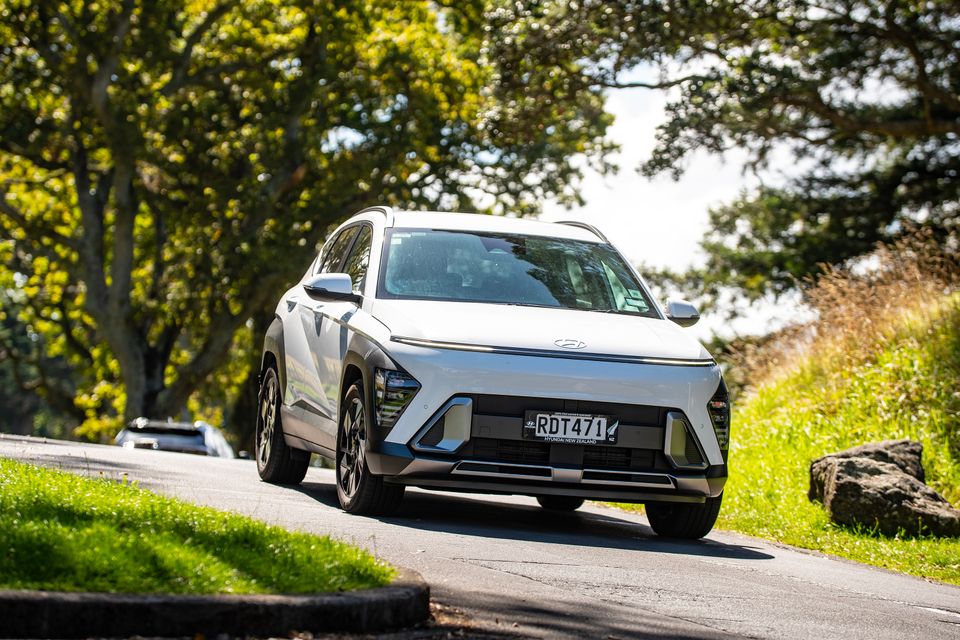
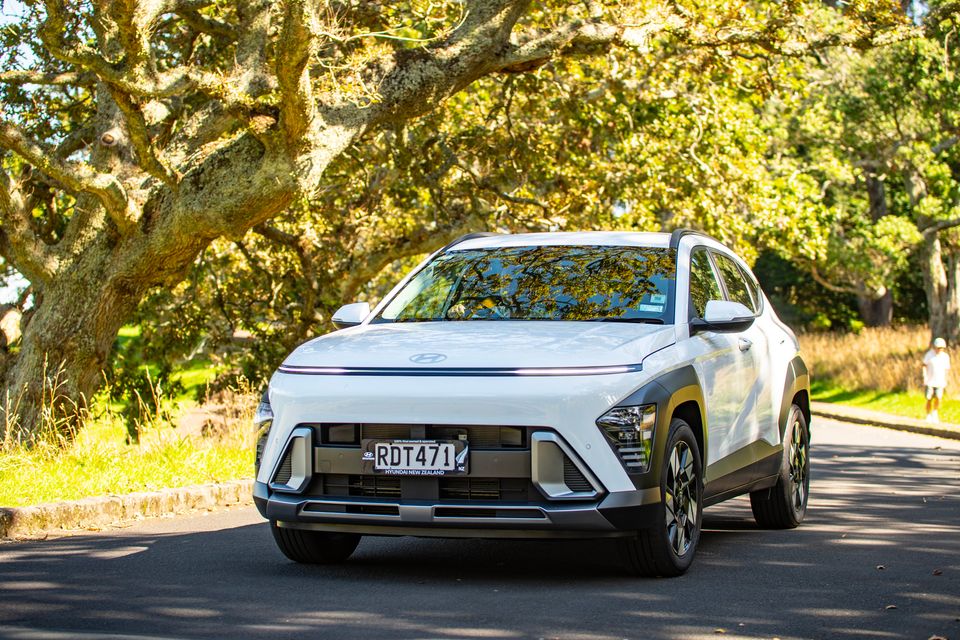
Also like an EV is the regenerative braking system. This can be adjusted with paddles behind the wheel, and in its most aggressive setting, will achieve single-peddle driving.
As a result the brake pedal can take a bit of getting used to if you’ve never driven a hybrid before. The initial application can be hard to judge. This is most pronounced in the highest regenerative braking setting, toning it down results in a much more traditional feel through the pedal.
The steering was also a nice surprise. Regardless of drive mode setting, there was a sensible amount of weight and feedback through the wheel, even in Eco mode.
In Sport mode, the steering does weigh up more, but in a car this size I wouldn’t bother with it. Whether you're in Sport or Eco, it's easy to place the car where you want it. The Kona also has a tiny 5.3-metre turning radius, so navigating built up areas was never a problem.
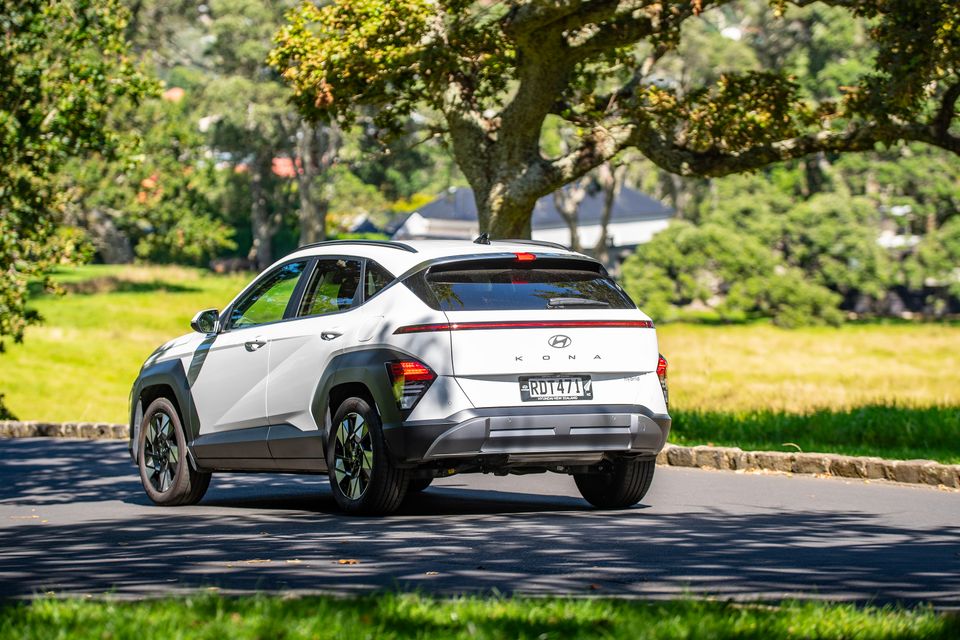
Unfortunately the steering can be let down by the over-eager lane keeping assist. I found it would kick in aggressively at times. Granted, sometimes this was due to the state of Auckland’s roads, and then sometimes it was difficult to replicate.
The driver monitoring and traffic sign recognition system were a bit too eager on our test as well. The monitoring system would yell at me for trying to read fuel economy stats on the driver’s display, while the traffic sign system would tell me off for doing 51km/h in a 50km/h zone. Both can be turned off, but you’ll have to do it every time you start the car.
All Kona models come standard with a long list of active safety systems, bar two exceptions. For some reason a Blind-spot view monitor and reverse collision avoidance assist are only available on top-spec N Line.
That said, the Kona second time around left a much better impression.
What do you get?
2026 Hyundai Kona Active highlights:
The Kona Elite adds:
Kona Limited N Line adds:
CarExperts Take on the Hyundai Kona
My experience with the second generation Kona was undoubtedly much better than the first.
Credit where credit’s due; the powertrain is a triumph of economy and efficiency, there's more interior room than before, and the features and build quality is well above average for the class.
However I still don’t really understand the positioning of Hyundai’s small SUV. With the first model it was due to the drive experience, now in 2026, it’s the powertrain.
This generation of Kona was developed as an EV first, before being re-engineered as a petrol hybrid second. The opposite development path of so many other vehicles.
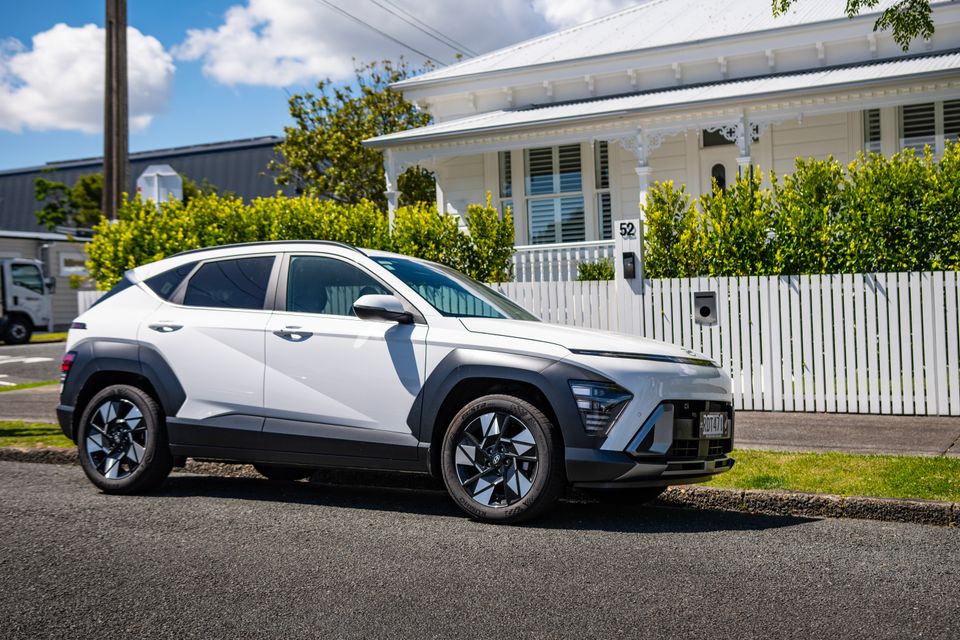
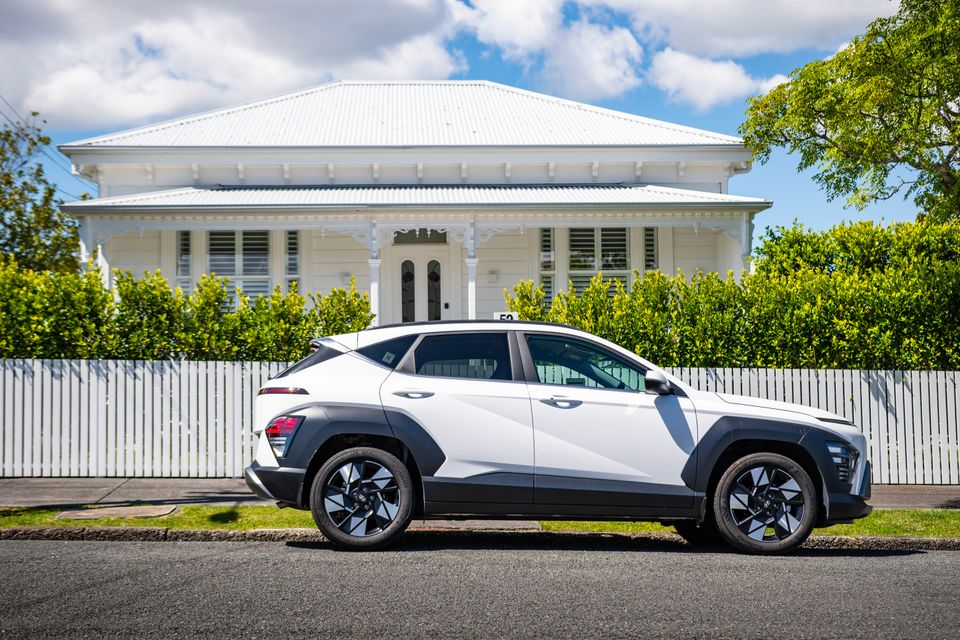
After a week of driving, the Kona proved itself to be a likeable and easily livable choice. I understand the sales success now. Yet in almost every scenario, it felt like I should be driving a small electric SUV.
Related to that is the price. $52,990 as tested and before ORCs is getting up there for a small hybrid SUV. Even sister brand Kia now offers a comparable EV for $3000 more than our tester.
Don’t get me wrong - I do like the Kona. It’s an efficient operator and I respect that. For $53K it should be. But because I like it, I don’t want to see it get swallowed up by a growing list of EVs that could do the same job.
The cheapest way into a brand new, full electric Hyundai is currently the $79,990 Ioniq 5. Come on Hyundai, there’s space beneath for a new entrant.
Where expert car reviews meet expert car buying – CarExpert gives you trusted advice, personalised service and real savings on your next new car.
Quickly see how this car stacks up against its competition. Select any benchmark to see more details.
2026
$42,990
2026
$49,990
2026
$49,990
2026
$56,990
Dave is a Kiwi motoring journalist with experience in motorcycle racing, new car sales, radio and communications.
Add CarExpert as a Preferred Source on Google so your search results prioritise writing by actual experts, not AI.
Matthew Hansen
4 Days Ago

Dave Kavermann
6 Days Ago

Derek Fung
7 Days Ago
Dave Kavermann
10 Days Ago
Matthew Hansen
11 Days Ago
Matthew Hansen
11 Days Ago
Add CarExpert as a Preferred Source on Google so your search results prioritise writing by actual experts, not AI.
† Displayed prices exclude on-road costs such as delivery charges, registration fees, number plates, insurance and applicable road taxes. These prices are subject to change without notice and may not reflect current market pricing or dealer offers.
 Automotive Vehicle Spec Data & 4K images Powered by JATO Dynamics Ltd