

 Showroom
 Car Chooser
 Compare
 Car Specifications

CarExpert
CarExpert Choice Awards: Best Luxury Small Car
This Choice Awards category recognises premium small cars that offer the perfect blend of city-friendly size and luxury refinement and appointments.
3 Days Ago
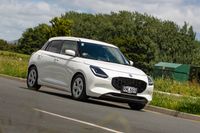
Suzuki Swift is high on fun factor but still fuel frugal.
Where expert car reviews meet expert car buying – CarExpert gives you trusted advice, personalised service and real savings on your next new car.
A glance through Suzuki’s range could suggest they’re primarily an SUV company, yet going against all current market trends, no model is more important to their success locally than the Swift.
While the retro-looking Jimny laps up attention on- and off-road, and more modern SUVs like the S-Cross and Fronx stick it out in some of the new car market’s most popular segments, it’s the Swift that brings home the sales numbers for Suzuki New Zealand. In fact, this has been the case for almost two decades now.
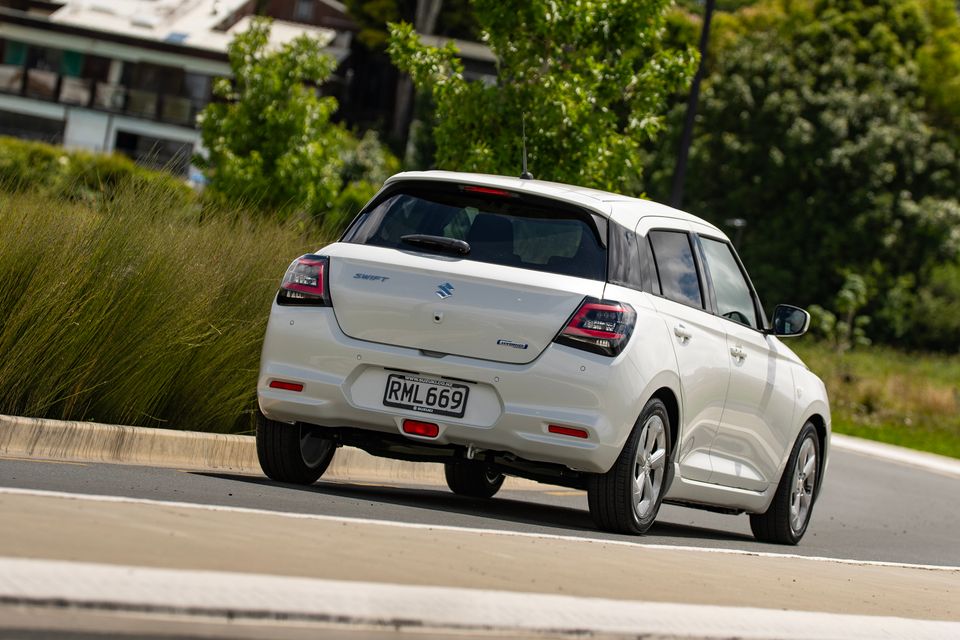
Consider this: Between the arrival of the first new Swift on our shores in January 2005 and this new generation in April 2024, the humble Swift was the top-selling car among private buyers in New Zealand. Not the RAV4 or Ranger, not even the Corolla. When Kiwis decided to shell out their own hard-earned cash on a new car, the most popular choice among us has been a small, sometimes yellow, economical hatchback.
However, since the new fourth-generation’s arrival in April 2024, cracks have emerged in the Swift’s aura. A shock safety rating and new competition now challenge the Swift like never before.
Now there’s a new model. Is that small car magic so many Kiwis know still there in 2026?
How much does the Suzuki Swift Cost?
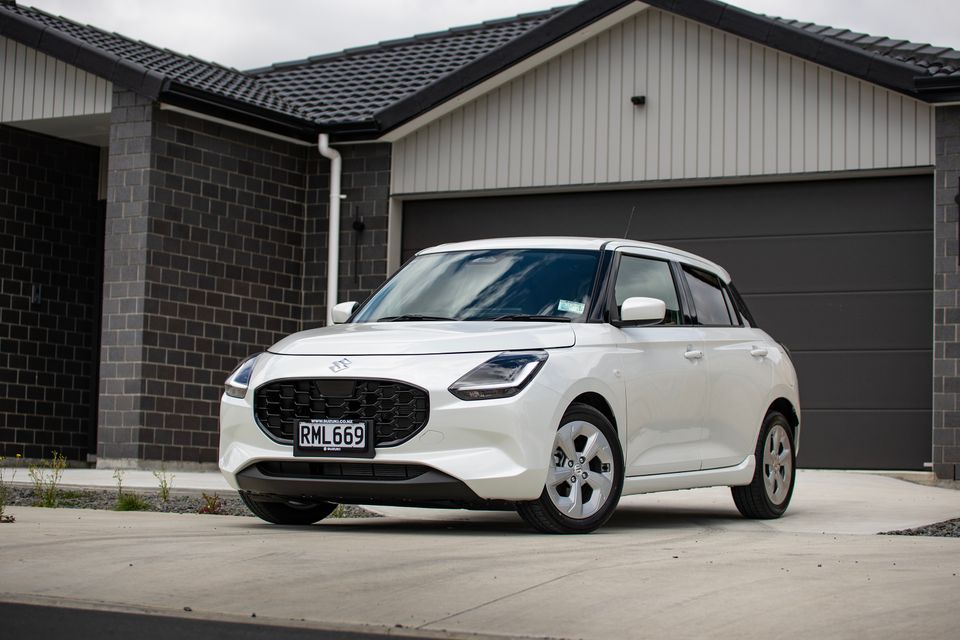
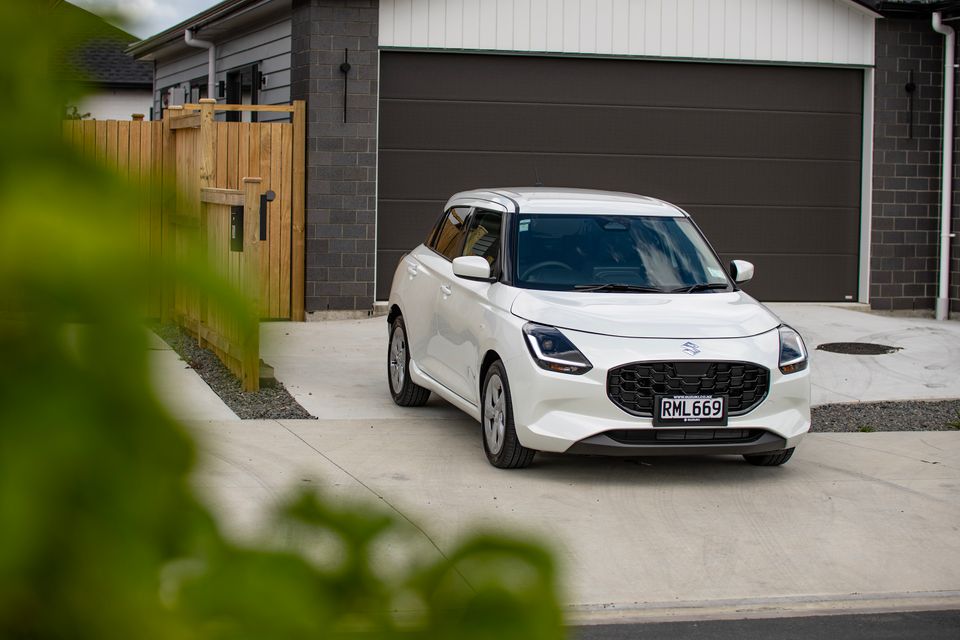
The Suzuki Swift range has been bolstered by a new addition, 18 months after the first versions landed on our shores. The GLZ Auto tested here slots neatly in the middle of New Zealand’s best-selling small car lineup.
Model | Price not including on-road costs |
|---|---|
Swift Plus Manual | $25,990 |
Swift GLS AUTO | $27,990 |
Swift GLZ Auto | $28,500 |
Swift RSC Auto | $29,990 |
Swift RSC Auto Two Tone | $30,990 |
The now hybrid-only Swift lineup directly competes with the MG 3, Honda Jazz and Toyota Yaris, and our GLZ tester’s window sticker comfortably undercuts its direct hybrid rivals.
Even in range-topping, two-tone RSC form, the Swift still represents great value for money in the small car segment. Like-for-like, the Swift RSC comes in $3000 less than the MG 3 Essence Hybrid ($33,990), $5,710 less than a Jazz RS hybrid ($36,700) and a not-so-insignificant $9,600 less than a Yaris ZR Two Tone ($40,590 drive away).
Not fussed with hybrid tech in such a small car? The Mazda2 is still available from $29,990, still on par with a top-spec RSC.
Broaden the scope to include EVs and there’s a growing batch of new rivals stepping into the Swift’s territory. The BYD Atto 1 and Dongfeng Box can both be had from $29,990+ORCs, but it’s worth noting, neither can hold a candle to the Swift’s real-world range.
What’s the Suzuki Swift like on the inside?
The new Swift cabin is a welcome mix of familiarity and just the right amount of up-to-date technology.
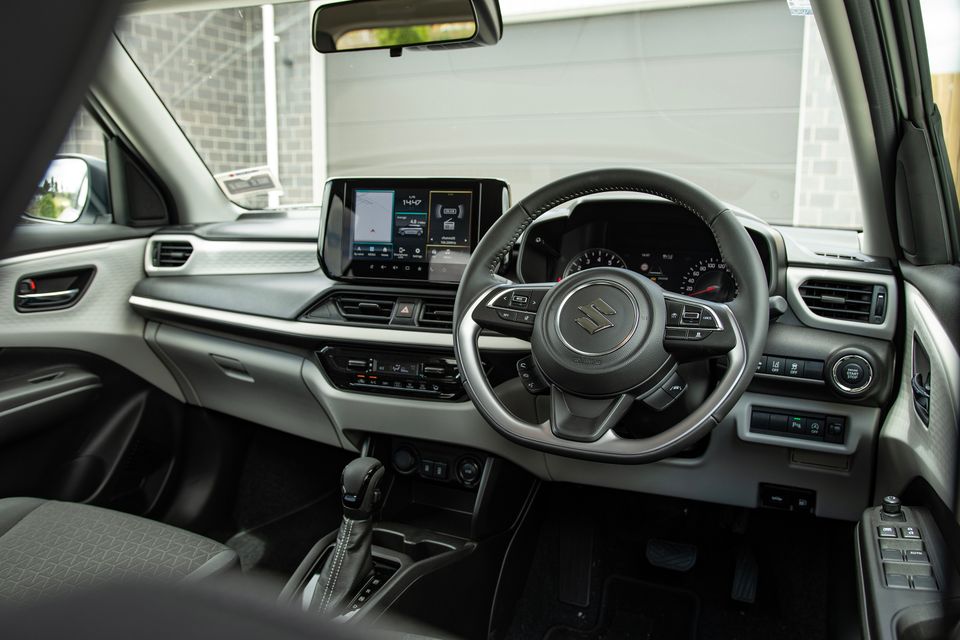
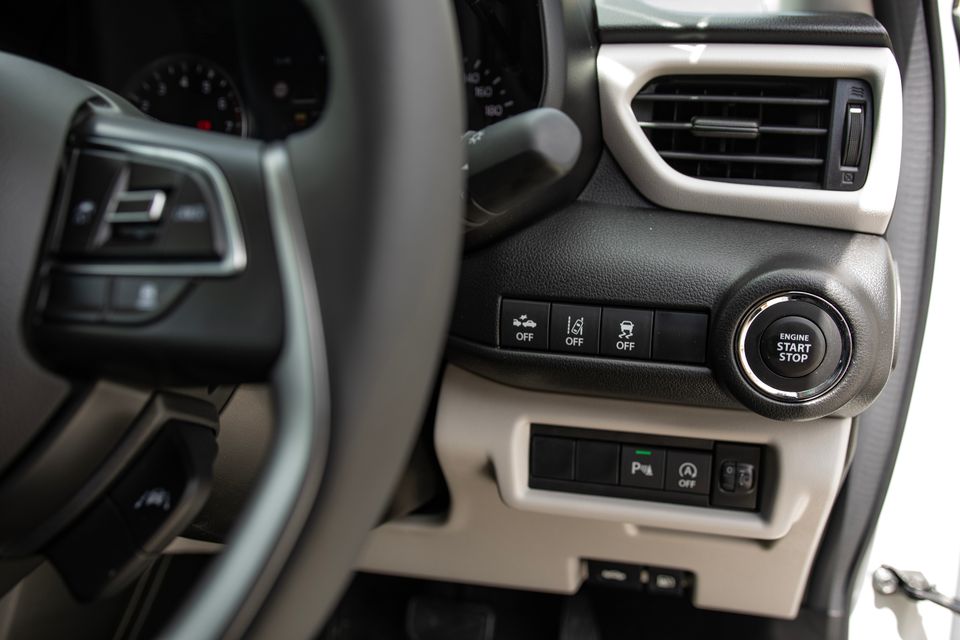
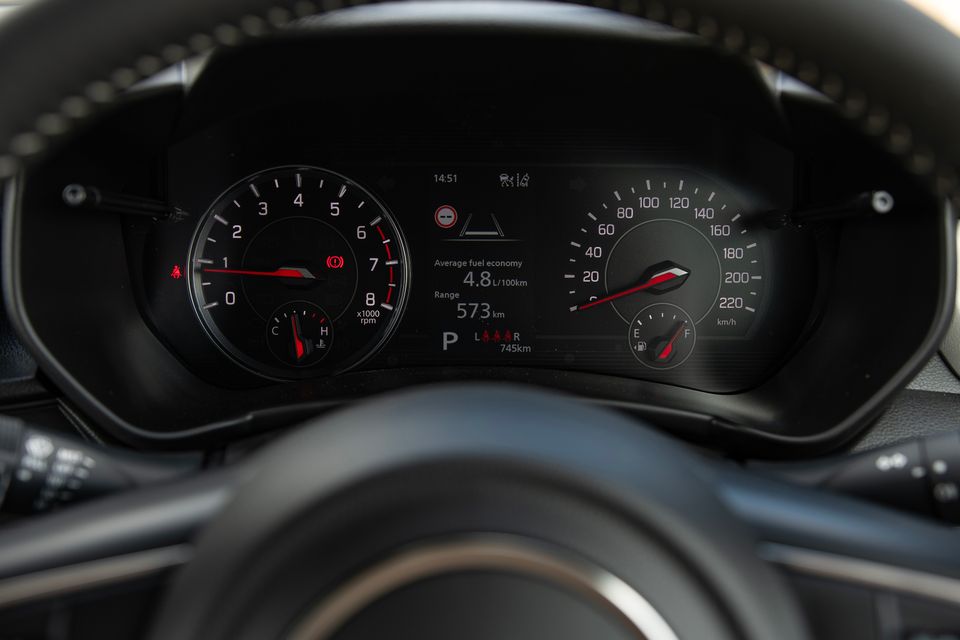
While there are some new textures, nothing about the Swift’s cabin is offputting or intimidating.
As with Swifts from years gone by, hard-wearing plastics dominate the dashboard, doorcards and footwell, but scattered in between are enough updates to make a meaningful difference to comfort. The flat-bottom, leather-wrapped steering wheel in particular is a pleasant touchpoint.
From the driver’s seat, ergonomics remain a strong suit for the Swift. The seat can be adjusted lower than some sportier hatches (it can be pumped up, too, don’t worry), the steering wheel is telescopic and reach adjustable allowing you to get into the perfect spot, and once comfortable, the visibility forward, side-to-side and rearward is excellent. The open view instantly makes you comfortable to place the car, be it on a country road or jam-packed shopping centre.
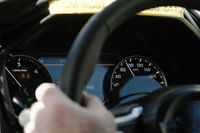
The analogue speedometer and rev counter sandwich a central digital display. All three are clear and easy to read at a glance and the central display provides you with all the information you’d need within a few clicks of the “Info” button on the steering wheel.
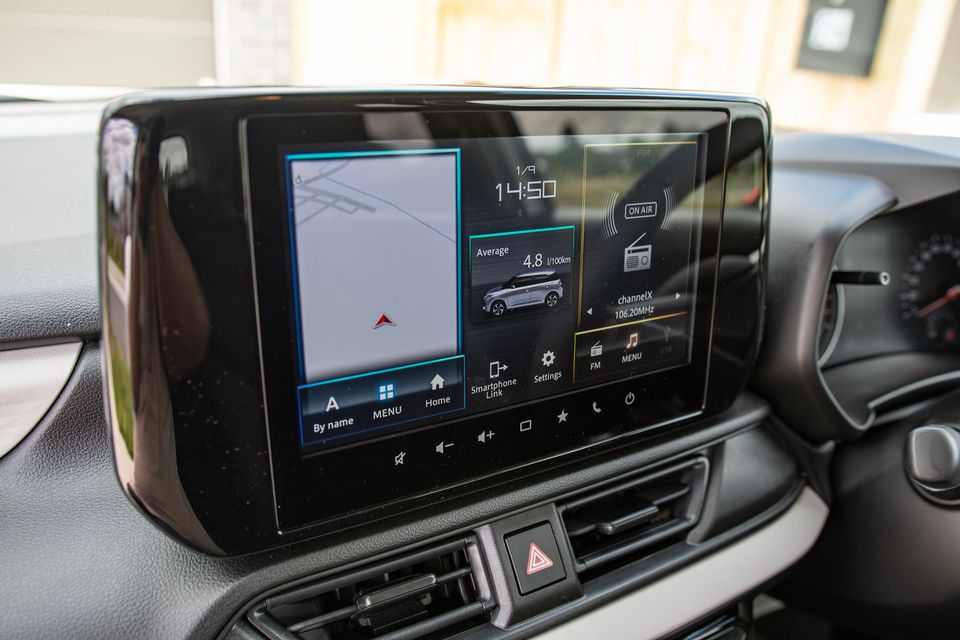
A new central 9.0-inch touchscreen infotainment system isn’t the last word in refinement in terms of placement or software, it can be slow to use at times by modern standards and the graphics are a bit 2016. Yet functionally it is solid. Wireless Apple CarPlay and Android Auto are welcome features and it’s possible to adjust a small handful of settings through the screen.
Thankfully, the AC controls aren’t included in the screen, simple controls sit below the infotainment unit and are controlled with physical buttons.
We miss out on wireless phone charging (for some reason the Aussies get that and we don’t), but our GLZ tester and top-spec RSC do gain heated seats.
In the rear there’s a surprising amount of leg and head room for such a small car. I’m 6-foot and can get comfortable behind the drivers’ seat set to my position. The heightened roofline that’s become a feature of every Swift model so far plays tricks on the senses, making the cabin feel far roomier than it has any right to be.
In the boot you’ll find 265-litres of space for groceries, expanding to 589 litres by dropping the rear seats. They don’t fold flat, but the increase is enough to get a push-bike or even some flat-pack furniture onboard should you need it.
We have to talk safety and ANCAP
In December 2024, the new Swift sent shockwaves among Kiwi and Australian press as ANCAP (The Australasian New Car Assessment Program) announced the new model had achieved a One (out of five, in case you’re new here) Star safety rating.
At the time ANCAP said structural changes and differing safety tech between European and locally-offered models resulted in the lower score.
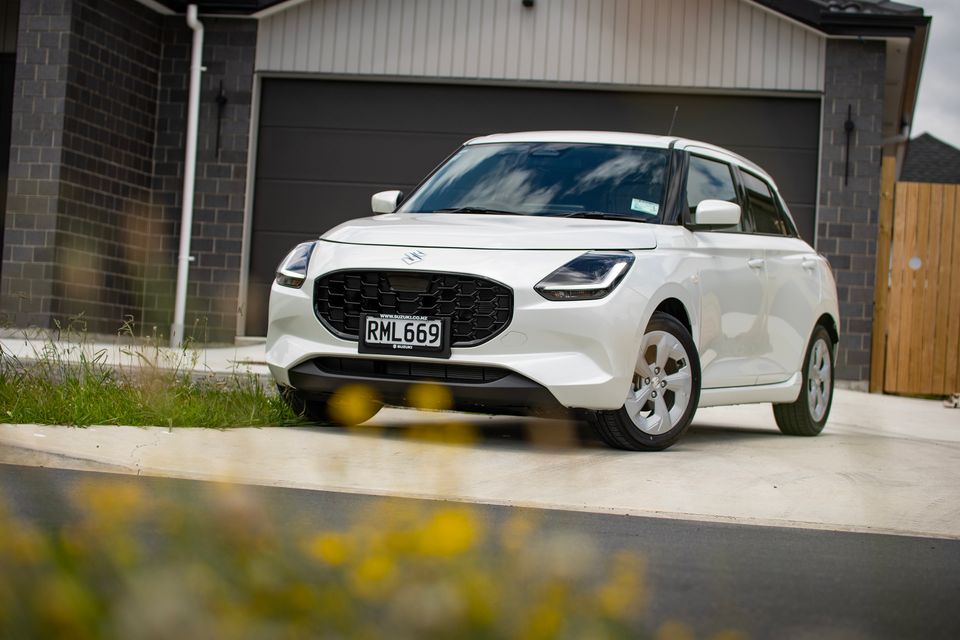
For Suzuki Swift models built from August 2025, safety specifications have been aligned with European-spec models, resulting in an updated 3-Star ANCAP rating in September 2025.
A broader suite of active safety tech is now standard across the range. Additional front-end structural reinforcements and structural improvements now match those of European models, and dual front, side chest-protecting and side head-protecting airbags offer more complete coverage.
In New Zealand, only one light car offers a full 5-Star ANCAP rating - the Toyota Yaris.
What’s under the bonnet?
Powering all fourth-generation Swift Hybrids is a 1.2-litre naturally aspirated 3-cylinder engine paired with a 12-Volt mild hybrid system. The electric motor is an integrated starter generator, so no full-electric drive to the wheels. Instead the system provides instant start-stop at the lights and helps the petrol engine during low-speed acceleration.
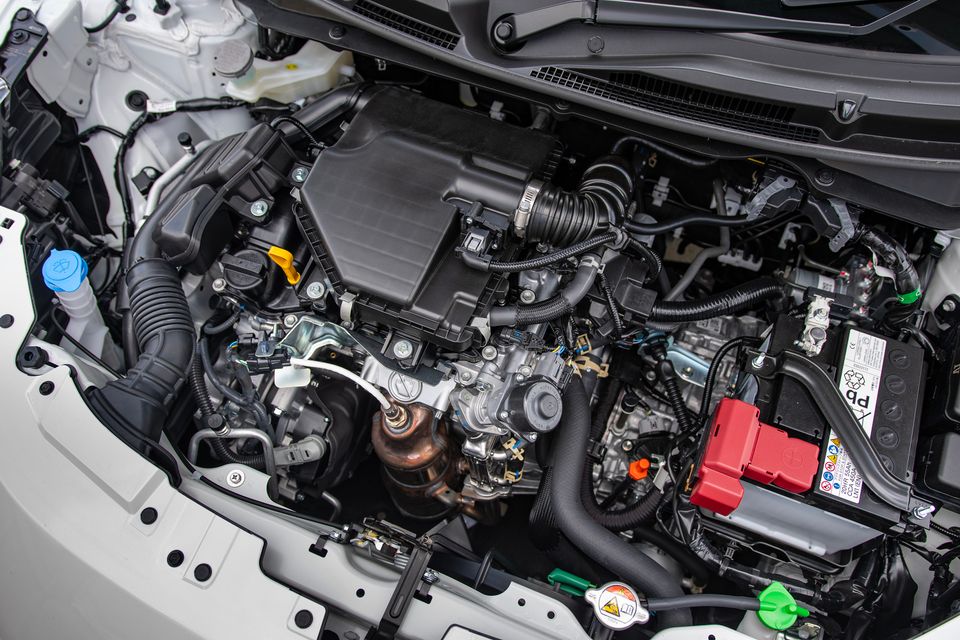
The 1.2-litre hybrid produces 61kW of power and 112Nm of torque. All Swift models are front-wheel drive with power sent to the wheels via a continuously variable transmission. A 5-speed manual is available in base trim.
Our week with the GLZ involved plenty of open motorway runs, followed by the inevitable Auckland stand-still traffic, and daily urban commutes.
How does the Suzuki Swift drive?
As we’ve come to expect from any Swift model, the GLZ proved itself to be fun and enjoyable behind the wheel.
Although 61kW of power and 112Nm of torque may look miniscule by modern standards, so is another key figure — a kerb weight of 986kg. Compare that to similar cars like the Toyota Yaris ZR (1130kg) and MG 3 Excite Hybrid (1308kg) that have very similar outputs, and it becomes quite a remarkable feat by modern standards.
When you don’t have much weight to haul, you don’t need a lot of punch to get the job done and the Swift personifies that best in the small hatch segment.
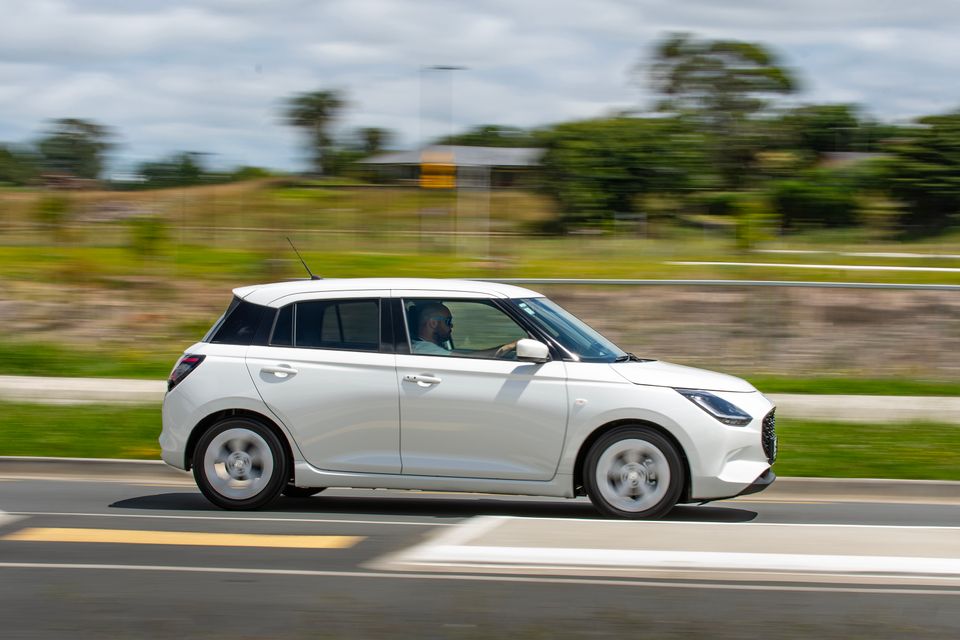
You can sense the lack of weight everywhere. At slow speeds it’s evident with the sheer ease you feel commuting through the city, manoeuvring through traffic or navigating shopping centres. As expected, this is where the Swift shines brightest. The low weight and great visibility makes it incredibly easy and surprisingly satisfying to place the car exactly where you want it. Apex hunters rejoice.
The power delivery is predictable and the 112Nm of torque is what you rely on most around town. No, it won’t be winning any races but it will always be ample for city settings. As a package, the engine and chassis are well matched and still a good fit on New Zealand roads. If you really need more power the turbocharged Swift Sport is still available, for now at least.
The advertised 4.3L/100km fuel economy figure is easily achievable. Like, freakishly easy. I barely thought about it and after 350km of driving, I hit 4.1L/100km and the fuel needle was still over half full. The manual beats our GLZ test with a 4.0L/100km claimed figure, and I have no doubt it’d achieve it, too.
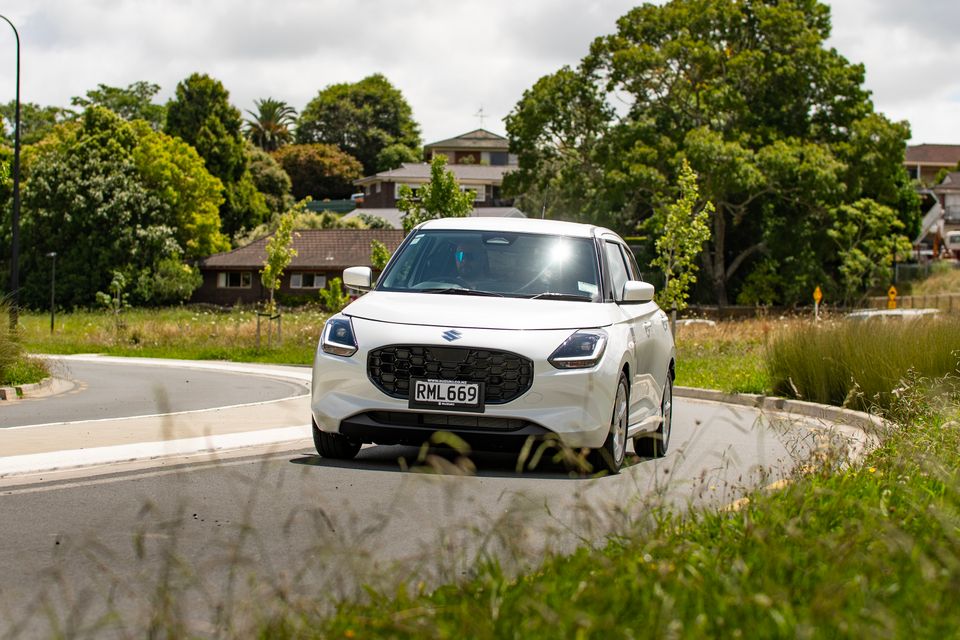
Meanwhile the suspension remains compliant. I found it to be slightly firmer than its predecessor, but not offensively so. It remains settled and unflustered even when navigating Auckland Council's pothole-filled roads, one of which I may have missed … and hit. Twice.
As speeds build, so does road noise. Even with small 185 section tyres, a constant hum from the wheel archers and some flutters from airflow are evident but acceptable for the price and class. Luckily some of that noise comes from the 3-cylinder engine, which produces an interesting note that’s unique to this model in the segment. Think half an air-cooled, flat-6 Porsche 911. It might sound crazy, but it’s true.
On the motorway the Swift never feels out of its depth. It will sit happily at 110km/h on our expressways. That same theme continues on country roads. A bit more punch out of corners would be nice but the Swift manages hill, descents and cambered corners almost as well as city streets.
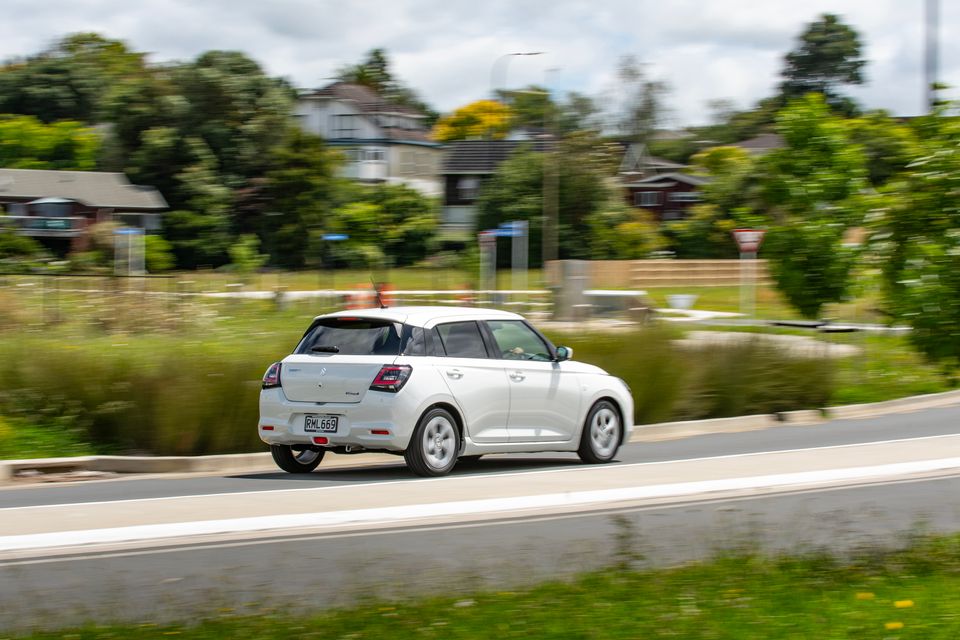
I also drove at motorway speed and high winds and the 986kg Swift wasn’t being pushed around as much as you might expect.
There is no 360-degree camera like you might find in other models, however the reversing camera and visibility from the drivers seat make parking a breeze. I also appreciated the lack of beeps from intrusive safety systems we’ve come accustomed to in 2026. The Swift has a full suite of active safety systems, but it doesn't tug at the wheel or shout at you for going 2km/h over the limit like others do.
The turn signal, however, sounds like a royalty-free version of what an indicator should sound like. It’s less click, more thud. I don’t know why they did that …
What do you get?
With the addition of the GLZ, there are now five fourth-generation Swift hybrids on sale.
Suzuki Swift Plus Manual & GLS Auto Highlights:
Swift GLZ Auto adds:
Swift RSC adds:
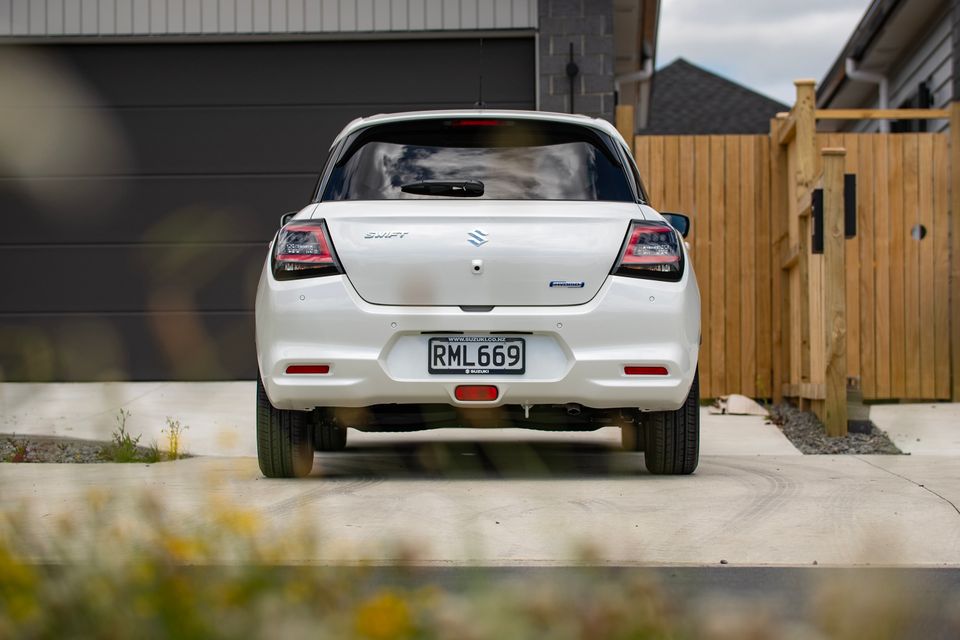
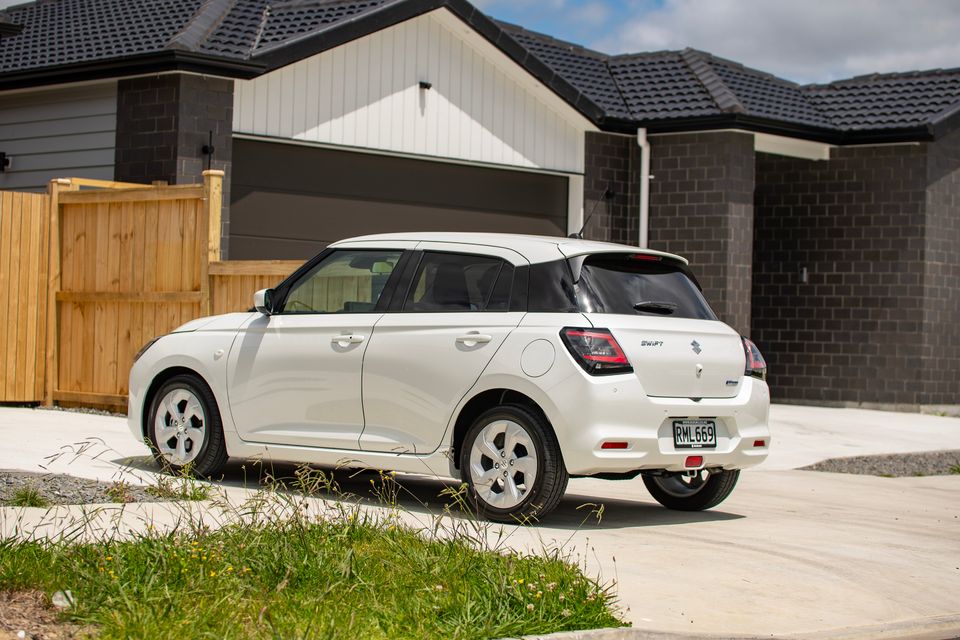
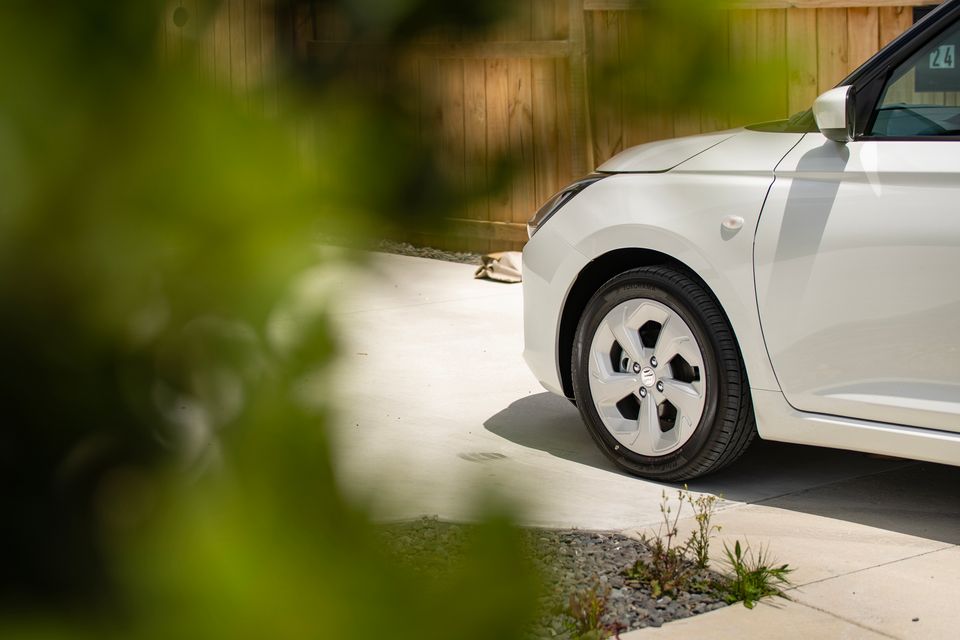
CarExpert’s take on the Suzuki Swift?
The Suzuki Swift performs just as you’d expect from a best-selling, small, economical hatchback and that’s no bad thing.
All generations of Suzuki Swift are a common sight on New Zealand roads for a reason — for the price, they’re bloody hard to fault.
However what makes the Swift rare is that it’s a car that knows exactly who it is, what it should achieve, and it doesn’t pretend to be something it's not. Those traits can be hard to find in today’s new car market as many try to both please and attract the largest number of people possible.
Long-term reliability is unknown with a new engine and hybrid system, though given its relative simplicity and the backing of a 3-year, 100,000km warranty, it shouldn’t be a major concern.
While safety has been meaningfully improved for 2026, a carrying pain for the new Swift is undoubtedly its 3-Star ANCAP safety rating. New buyers can compromise on things like hard plastics, but safety is an area where no one should compromise, regardless of price point.
Another group of buyers who will not compromise on safety are Government, fleet and rental buyers - who in most cases demand a full 5-Star rating.
The Swift remains a secure bet from an affordability, ownership and usability perspective for private buyers. It packs the latest tech you want and need, sips fuel at an astonishingly slow rate and is simply a fun car to operate at any speed.
On the other hand, If the Swift is to remain a top-seller in New Zealand, fleet buyers’ concerns will have to be addressed for them to return.
Where expert car reviews meet expert car buying – CarExpert gives you trusted advice, personalised service and real savings on your next new car.
Quickly see how this car stacks up against its competition. Select any benchmark to see more details.
2025
$24,530
2026
$24,990
2026
$25,990
2026
$28,500
2023
$28,990
2026
$29,990
2026
$32,990
Dave is a Kiwi motoring journalist with experience in motorcycle racing, new car sales, radio and communications.
Add CarExpert as a Preferred Source on Google so your search results prioritise writing by actual experts, not AI.
CarExpert
3 Days Ago

Dave Kavermann
3 Days Ago

Alborz Fallah
3 Days Ago
Dave Kavermann
3 Days Ago
Dave Kavermann
3 Days Ago

Matthew Hansen
4 Days Ago
Add CarExpert as a Preferred Source on Google so your search results prioritise writing by actual experts, not AI.
† Displayed prices exclude on-road costs such as delivery charges, registration fees, number plates, insurance and applicable road taxes. These prices are subject to change without notice and may not reflect current market pricing or dealer offers.
 Automotive Vehicle Spec Data & 4K images Powered by JATO Dynamics Ltd