

 Showroom
 Car Chooser
 Compare
 Car Specifications


Dave Kavermann
2026 Honda Super-One priced for New Zealand as quirky city EV lineup confirmed
Honda's Super-One small urban EV will arrive in New Zealand in a two-model lineup and offer a driving range of up to 253km.
3 Hours Ago
The Government says the new legislation, which could see cars crushed, is aimed at illegal activity rather than legitimate car enthusiasts.
Journalist
Journalist
Street racers, fleeing drivers, and participants in intimidating vehicle convoys could once again have their cars crushed under new legislation passed by Parliament.
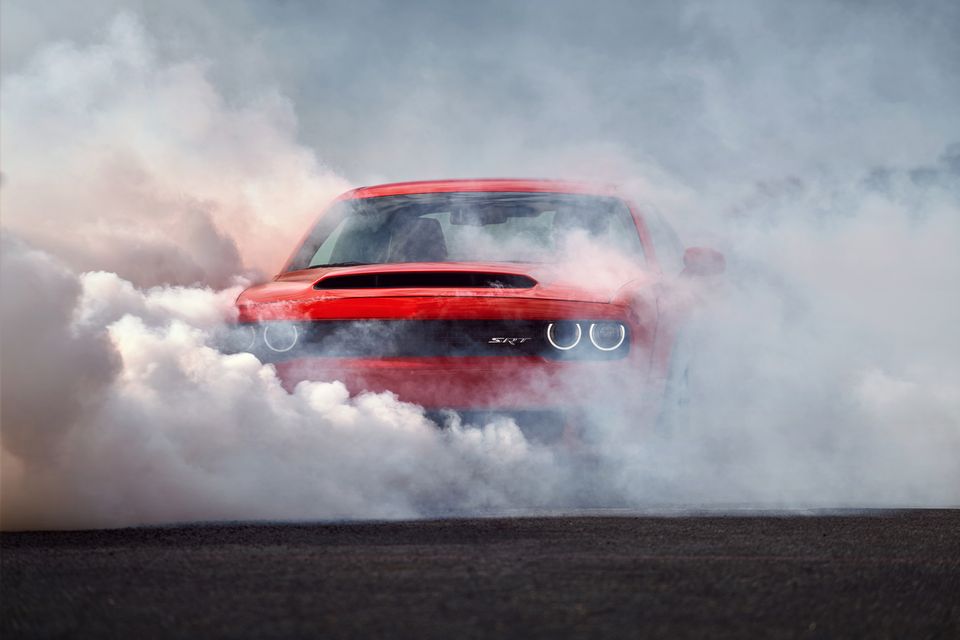
The Antisocial Road Use Legislation Amendment Bill completed its third and final reading late Tuesday evening, introducing tougher penalties for illegal street racing, burnouts, fleeing Police, disorderly dirt bike gatherings, siren battles, and intimidating convoys.
The legislation makes vehicle forfeiture or destruction the presumptive sentence for a range of offences, meaning courts will generally be required to order the seizure and destruction or forfeiture of vehicles unless limited exceptions apply.
The law marks the return of car-crushing provisions to New Zealand after previous legislation, introduced under former National minister Judith Collins, was rarely used in practice despite earning her the nickname 'Crusher Collins'. Only three cars were confiscated and crushed between 2009 and 2017 under the previous law.
Transport Minister Chris Bishop said the tougher penalties were designed to better protect communities from dangerous anti-social driving.
"This law sends a very clear message: if you use our roads to intimidate or endanger communities, there will be serious consequences."
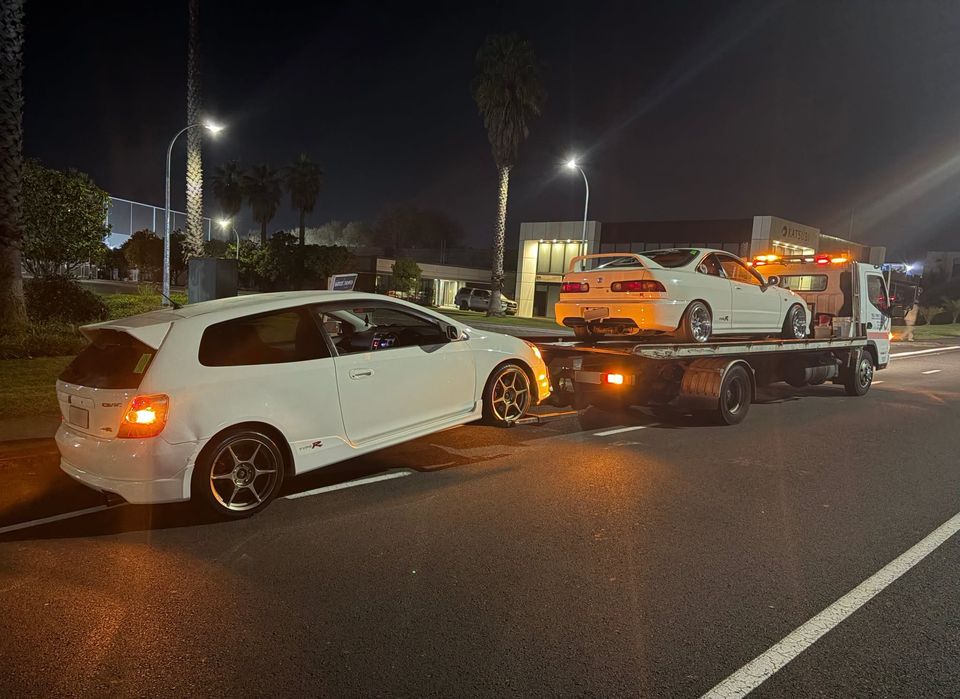
Under the legislation, vehicle owners who refuse to identify drivers involved in offences can also face vehicle forfeiture or destruction, along with court-ordered fines of up to $10,000.
Police will also receive expanded powers to close roads and public areas to manage illegal vehicle gatherings and issue infringements on the spot.
Meanwhile, the infringement fee for making excessive noise from or within a vehicle – including so-called siren battles – will increase from $50 to $300.
Police Minister Mark Mitchell said tougher consequences were needed.
"For too long, the consequences haven't matched the harm being caused.
"Our message is clear: if you choose to engage in this behaviour, expect serious and lasting consequences."
The Government has repeatedly said the legislation is aimed at illegal activity rather than legitimate car enthusiasts or organised motorsport events.
Standing in for Mr Bishop during the bill's final reading, Associate Transport Minister James Meager told Parliament the legislation was about restoring confidence in communities affected by anti-social driving.
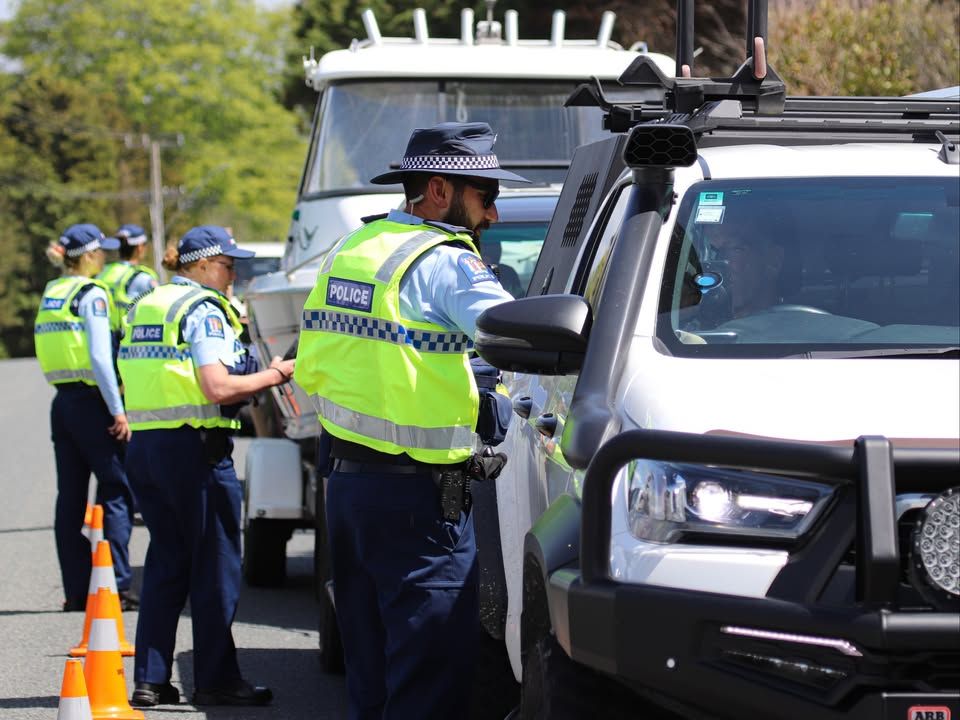
"This bill does not target car enthusiasts or legal car meetings. It targets illegal, antisocial behaviour."
"This bill is about restoring order, restoring confidence, and restoring the basic right of people to feel safe in their own streets."
The legislation received support from Labour, although the party questioned whether Police have sufficient resources to enforce the new powers.
Labour transport spokesperson Tangi Utikere said Police needed stronger tools to deal with anti-social road use but noted previous car-crushing laws had seen only a handful of vehicles destroyed.
"One only needs to look back to the person who is colloquially known as Crusher Collins... and the inability to deliver a huge number of cars that were actually crushed," he said.
National MP Carl Bates embraced the comparison during debate, joking: "Crusher Carl, let's get this done."
The Green Party opposed the legislation, arguing existing laws were already reducing anti-social road behaviour and describing the bill as more of a public relations exercise than a meaningful safety measure.
Most provisions of the new law will come into effect in six months.
Dave is a Kiwi motoring journalist with experience in motorcycle racing, new car sales, radio and communications.
Dave Kavermann
3 Hours Ago
Dave Kavermann
3 Hours Ago


Damion Smy
3 Hours Ago

CarExpert
4 Hours Ago


Matthew Hansen
22 Hours Ago
Matthew Hansen
7 Days Ago
Add CarExpert as a Preferred Source on Google so your search results prioritise writing by actual experts, not AI.