

 Showroom
 Car Chooser
 Compare
 Car Specifications


Dave Kavermann
2026 Land Rover Defender 110 review, quick drive
The 2026 Defender doesn't reinvent the formula. Instead, Land Rover has refined one of the world's best luxury off-roaders that continues to set the benchmark.
16 Hours Ago
From the end of the Clean Car Discount and a lack of charging infrastructure funding, the Government’s gradual retreat from EV support continues.
Journalist

Journalist
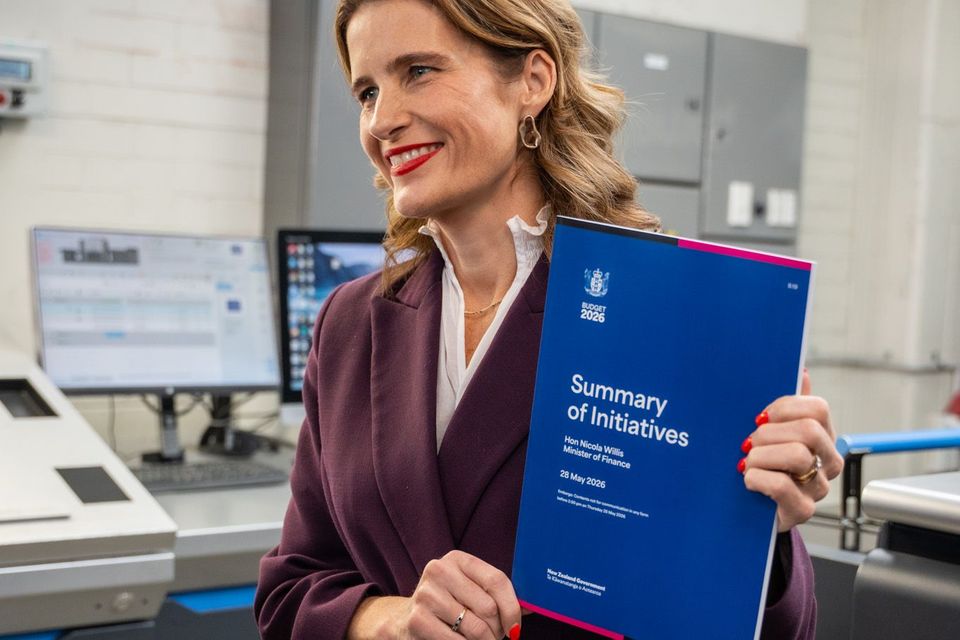
Budget 2026 includes fresh spending on roads and temporary fuel relief, but it also highlights what the Government still isn’t doing for Kiwi motorists – particularly those considering an electric vehicle (EV).
Strip away the headline infrastructure announcements and a broader pattern emerges: over the past two-and-a-half years, the Government has steadily removed most major incentives for going electric, while adding new ownership costs in the process.
The biggest motoring policy shift of this Government’s term happened before its first Budget.
In December 2023, the coalition scrapped the Clean Car Discount – dubbed the ‘ute tax’ by National – which offered rebates for EVs and plug-in hybrids funded by fees on higher-emissions vehicles.
The impact was immediate.
Battery electric vehicles accounted for around 15 per cent of new vehicle registrations and 21,515 units in 2023, up from roughly five per cent in 2020. By 2024, after the rebate scheme ended, that figure had dropped to 5.4 per cent and 6,540 units.
This year, battery electric registrations spiked briefly in March as fuel prices surged, however, in April EVs made up just 2.7 per cent of total registrations. Although year-to-date, battery electric registrations currently account for 11.5 per cent of the new car market.
Even Transport Minister Chris Bishop acknowledged the connection.
“Once you remove free money from people, general economic principle dictates that it has an impact on demand,” he said.
Budget 2026 includes no replacement scheme, no rebate, and no fresh incentives for EV buyers. The Clean Car Discount is gone, and this Budget confirms it isn’t coming back.
From April 1, 2024, EVs lost their exemption from road user charges (RUC), ending a policy that had been in place since 2009.
Battery-electric vehicles now pay $76 per 1000km, while plug-in hybrids pay $38 per 1000km, plus an administration fee of $12.44 online or $13.71 over the counter when purchasing RUCs. Budget 2026 leaves those rates unchanged.
For the roughly 107,000 EV owners now paying RUC for the first time, that’s a significant additional ownership cost. Based on average annual travel of around 14,000km, many EV owners are now paying more than $1000 annually in charges that didn’t exist before this Government took office.
Meanwhile, petrol-electric hybrids such as the Toyota RAV4 Hybrid continue contributing through fuel excise duty instead of RUC.
That creates an awkward contradiction. Zero-emissions EVs pay distance-based charges, while petrol-burning hybrids avoid them entirely. Budget 2026 neither addresses nor acknowledges the imbalance.
The Clean Car Standard, New Zealand’s primary tool for reducing emissions from imported vehicles, has also been progressively weakened.
In July 2024, the Government relaxed emissions targets for 2025-2029, arguing stricter settings would increase vehicle prices. The revised rules aligned more closely with Australia’s standards.
Then, in November 2025, the Government softened the scheme again after importers struggled to meet the targets. A full review is now underway, with Cabinet recommendations due by June 2026.
More significantly, reports in March 2026 suggested the Government is considering scrapping the Standard entirely - a move that would leave New Zealand and Russia the only two OECD countries without a vehicle emissions standard.
Budget 2026 includes no funding or policy signals to strengthen the scheme, despite warnings that weakening or removing it could leave motorists spending an additional $115 million on fuel between 2026 and 2050.
For buyers, that matters. Less efficient imports may be cheaper upfront, but they typically cost more to run long-term.
National previously floated a Fringe Benefit Tax exemption for employer-provided EVs as an alternative to the Clean Car Discount, that has now been confirmed.
Budget 2026 changed the fringe-benefit tax rates for motor vehicles, with EVs and hybrids to attract lower rates than petrol and diesel engines from next April.
The existing 20 per cent rate across all vehicle types will change next year. Petrol and diesel vehicles will attract a fringe benefit tax rate of 22.8 per cent. Electric vehicles will now pay a lower rate of 17 percent, while hybrids will pay 19.6 percent.
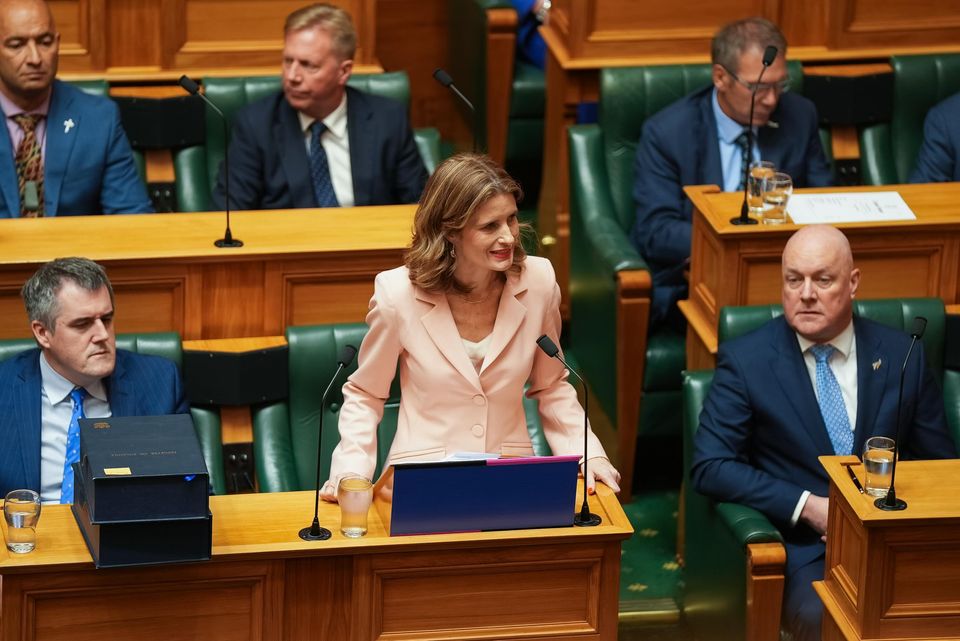
The Government says it wants 10,000 public EV chargers nationwide by 2030.
Budget 2026 did not include any significant new funding for the country's EV charging network, barring a modest $1 million investment tied to Customs’ vehicle fleet – a long way short of what would be required to expand New Zealand’s public charging network from roughly 1800 chargers to 10,000 within four years.
In March, the Government announced $53 million funding for zero-interest loans awarded to ChargeNet and Meridian for 2574 planned charging stations around the country, which would bring our total charging network to around 4550 according to Transport Minister Chris Bishop. Well short of the Government's goal.
“Many New Zealanders have thought about getting an EV, even before the fuel challenges we’re currently facing. But research shows that the lack of public chargers is holding many back from making the switch to an EV,” said Bishop.
“The private sector is reluctant to invest in charging infrastructure until there's sufficient demand, but demand won't grow until the lack of public chargers stops putting buyers off.”
One major reform is still moving ahead, universal electronic road user charging for all light vehicles.
The Government says legislation and operational changes will begin in 2026, with the system opening to third-party providers in 2027.
Transport Minister Chris Bishop has described it as “the biggest change to how we fund our roading network in 50 years”.
Eventually, petrol-powered vehicles will move away from fuel excise duty paid on the price of petrol and instead pay for road use based on distance travelled, much like diesel vehicles already do.
What motorists still don’t know is whether the new system will ultimately cost more, less, or roughly the same as the current fuel-tax model.
Taken together, the Government’s motoring policies tell a consistent story.
The Clean Car Discount has been scrapped. EV RUC exemptions are gone. The Clean Car Standard has been weakened. Public charging targets remain largely unfunded.
For motorists weighing up the switch to electric to avoid rising fuel prices, this Budget offers little encouragement – and several new reasons to think twice.
MORE: Budget 2026: What it means for Kiwi drivers - and where the money’s going
MORE: Budget 2026: No relief at the pump leaves Kiwi drivers waiting
Dave is a Kiwi motoring journalist with experience in motorcycle racing, new car sales, radio and communications.
Dave Kavermann
16 Hours Ago

Matthew Hansen
16 Hours Ago
Matthew Hansen
18 Hours Ago
Dave Kavermann
18 Hours Ago
Dave Kavermann
19 Hours Ago

Derek Fung
21 Hours Ago
Add CarExpert as a Preferred Source on Google so your search results prioritise writing by actual experts, not AI.