One of the most recognisable French cars is heading back to production, with Citroën confirming the iconic 2CV will return in 2028 as a stripped-back electric city car aimed at making EV ownership more affordable.
After a 36-year absence, the reborn French icon is being pitched as a modern take on the original ‘people’s car’ philosophy: simple, lightweight and inexpensive, but now powered purely by electricity.
The announcement came during parent company Stellantis’ investor presentation, where Citroën CEO Xavier Chardon confirmed the new model will be “100 per cent electric, made in Europe”, with a target starting price below €15,000 (~NZ$30,000).
If it eventually reaches New Zealand showrooms, that could make the new 2CV one of the cheapest European EVs on sale locally. For context, Citroën’s current entry-level EV in Europe, the e-C3, starts from €19,000 (~NZ$39,000) before incentives.
Rather than chasing larger batteries and increasingly complex technology, Citroën says the new model will instead focus on simplicity.
“True innovation is not about adding more, it is about making life better and focusing on what really matters,” the company said.
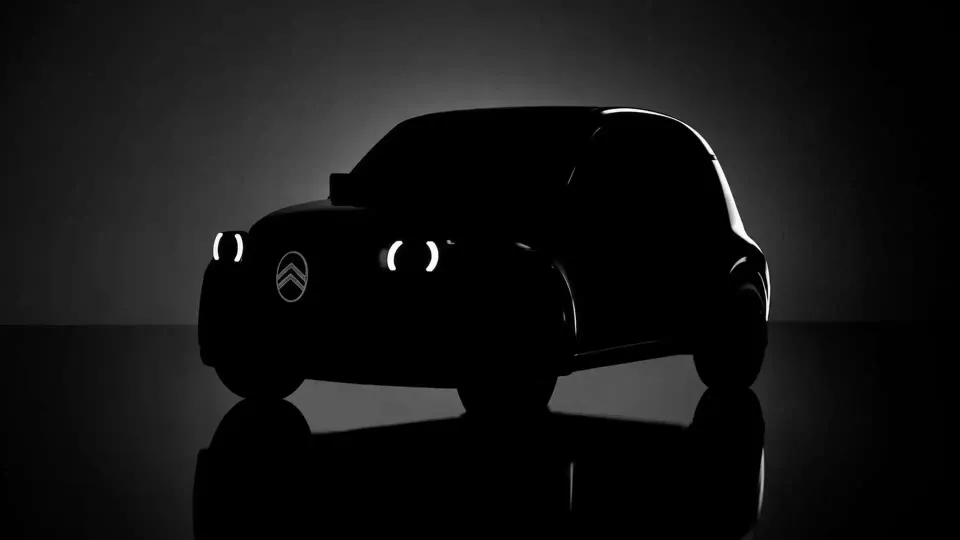
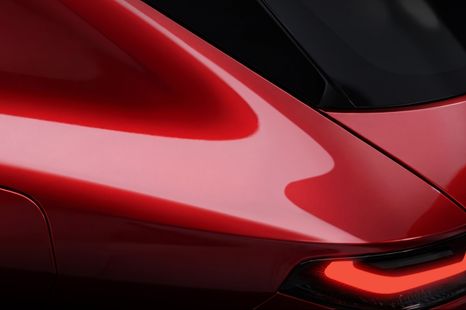
Early teaser images suggest designers are leaning heavily on the original model’s character, with the new car appearing to retain the classic 2CV’s rounded profile, tall roofline, and circular headlamps.
Mr Chardon said the revived model would serve the same purpose as the original, describing it as “a true people’s car designed for real life”.
The company believes affordability - rather than increasingly complicated technology - will be key to broadening EV adoption.
“The future of mobility will not be won by the most complex cars but by the simplest and most intuitive ones,” he said.
The new model will effectively replace the now-defunct petrol-powered C1 city car and forms part of a broader Stellantis strategy that will see 60 new vehicles and 50 major updates launched before the end of the decade.
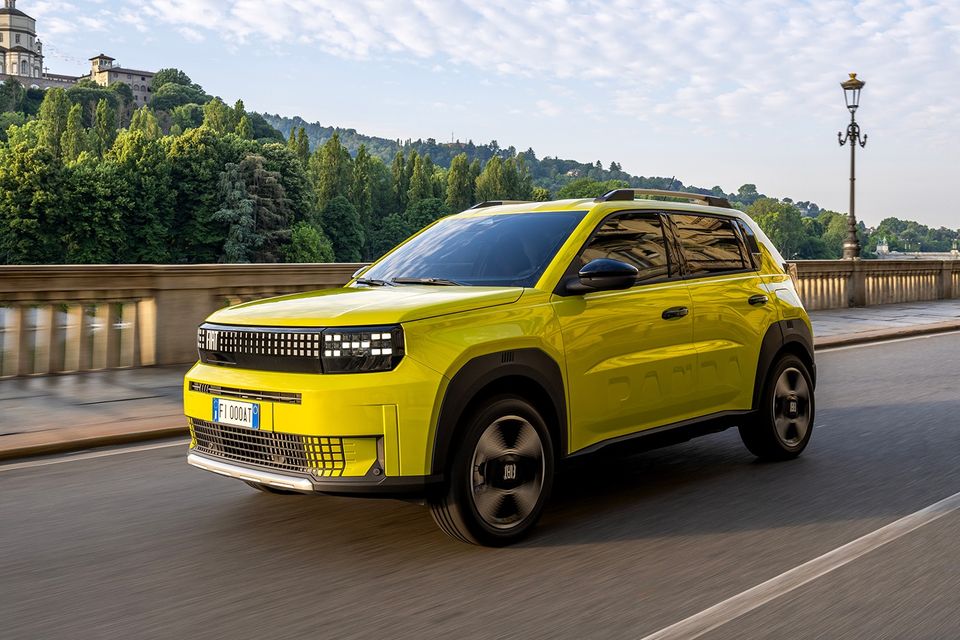
The revived 2CV is expected to share its architecture and electrical systems with an equally affordable Fiat Panda EV, helping reduce costs through shared development and manufacturing. Both vehicles are expected to be built in Naples, Italy.
A concept preview is scheduled for the 2026 Paris motor show ahead of production beginning in 2028.
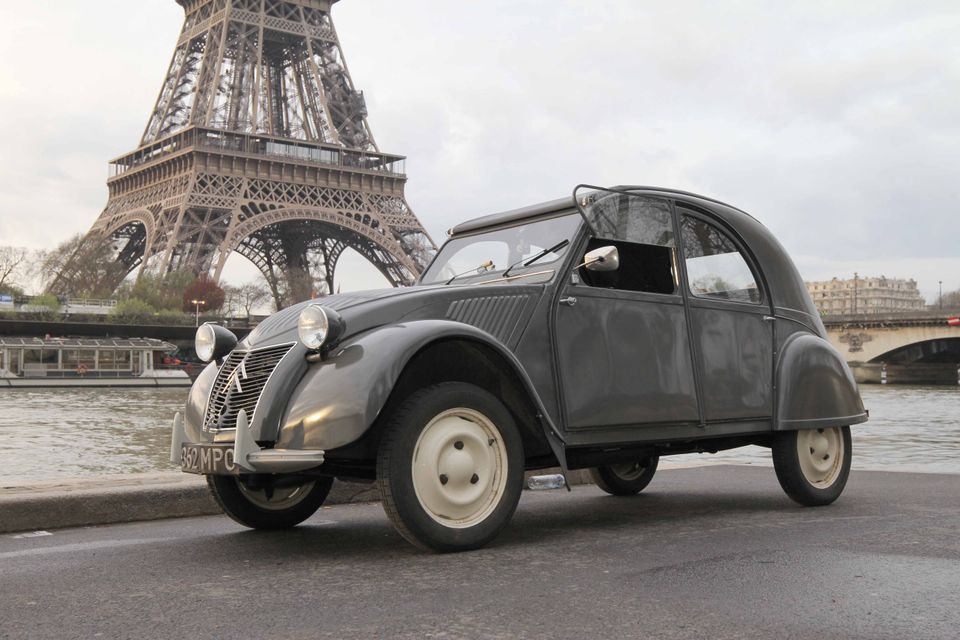
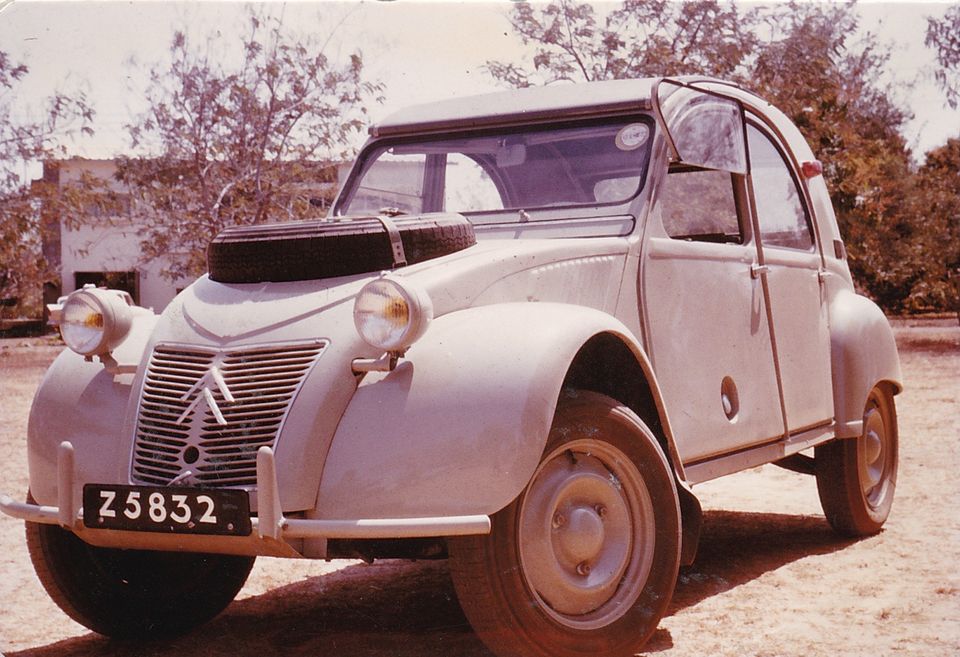
The original 2CV remains one of the automotive world’s most successful and enduring designs. Introduced after World War II as basic transport for everyday motorists, it featured unconventional engineering for its era, including front-wheel drive, long-travel suspension, and a folding fabric roof.
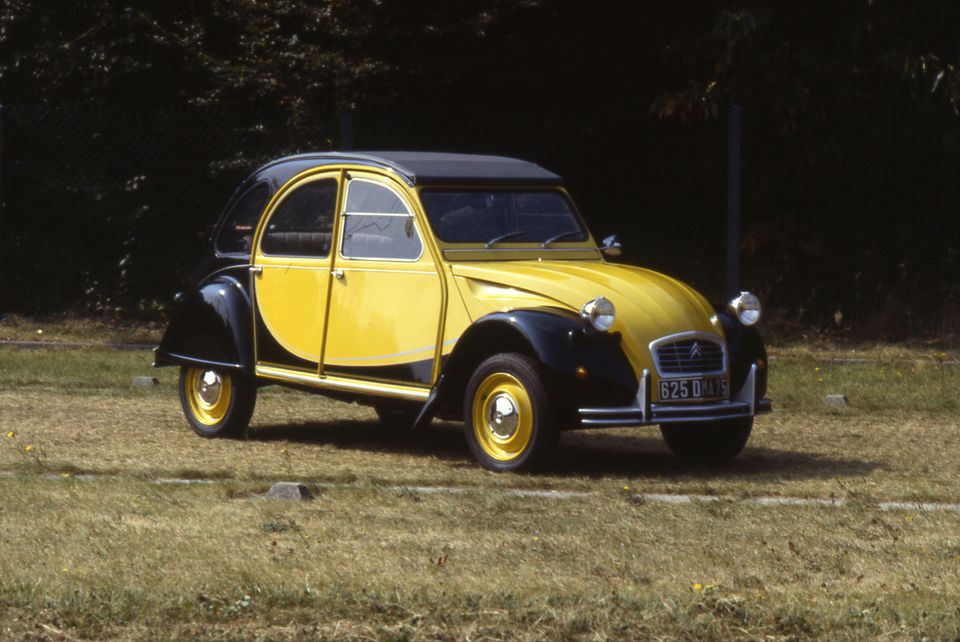
Production continued until 1990, with roughly 9.2 million examples built across multiple variants.
Citroën is now hoping the same formula that once helped put Europe on wheels can also bring EV ownership within reach of more buyers – potentially including those in New Zealand.
The French brand has yet to confirm local availability.
If it arrives here, the revived 2CV would sit beneath Citroën’s current three-model lineup of C3, C4, and C5 Aircross vehicles as the brand’s most affordable offering.



 Showroom
 Car Chooser
 Compare
 Car Specifications