


 Showroom
 Car Chooser
 Compare
 Car Specifications

Dave Kavermann
2026 GWM ORA 5 electric SUV arrives in NZ as brand targets EV growth
The GWM ORA 5 has landed in New Zealand, positioned as one of the most affordable electric SUVs in NZ and undercutting key Chinese rivals.
2 Hours Ago
A US-Iran peace deal is an important first step – but economists, fuel analysts and the Government say don't expect instant relief.
Journalist

Journalist
New Zealand motorists could see fuel prices start to ease within weeks after a tentative peace deal between the United States and Iran triggered a sharp fall in global oil prices.
However, economists, fuel analysts and the Government are all warning that any reduction at the pump will depend on whether the agreement holds and shipping through the vital Strait of Hormuz returns to normal.
Brent crude, the international oil benchmark, has fallen to around US$83 per barrel after news of the deal emerged, down more than 5 per cent in a single day and its lowest level since March. Global markets have responded positively to hopes that oil exports from the Middle East will resume and supply concerns will ease. Brent crude peaked at US$126.41 per barrel in April.
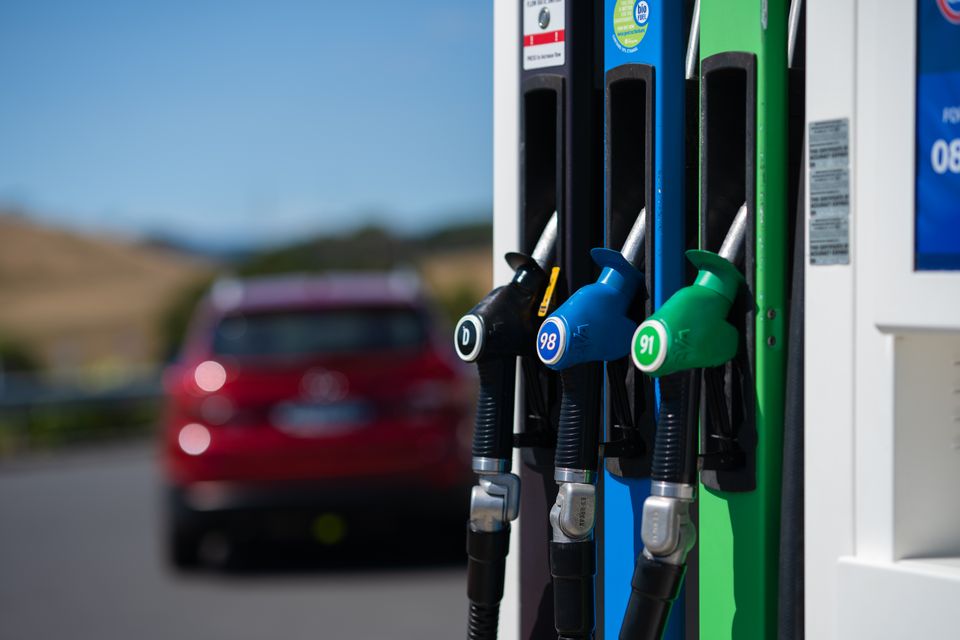
If Brent crude was to drop to US$80, petrol in New Zealand would likely cost between $2.75 and $2.90 per litre for 91 octane, assuming current exchange rates and taxes remain steady.
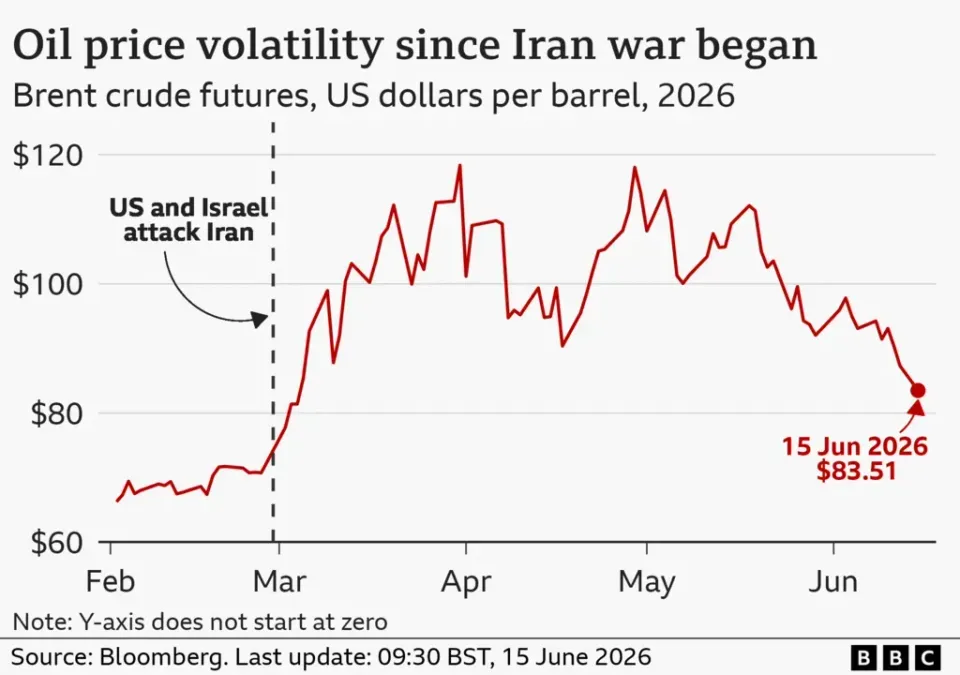
For New Zealand drivers, that's potentially welcome news after months of higher fuel prices linked to disruptions in the Middle East.
Westpac chief economist Kelly Eckhold told RNZ current wholesale oil prices suggest a reduction in petrol prices could be on the way.
"I think if prices stick and nothing comes up in the next week or so to disturb what's happened today then we should be seeing prices down into that zone in a couple of weeks," said Mr Eckhold.
Based on current market movements, he estimated 91-octane petrol could fall towards $2.80 per litre in some areas over the coming weeks, down from the current national average of about $3.15 per litre.
Analysts at Citibank in America now expect Brent crude to average around US$75 per barrel in the third quarter and US$70 per barrel in the fourth quarter if shipping through the Strait returns to normal by mid-to-late July. The bank believes oil prices could ultimately fall another US$10-15 per barrel if the agreement is fully implemented.
But several experts caution that markets may be getting ahead of reality.
Commodity Context founder Rory Johnston noted that while a deal has been announced, many key details still need to be negotiated and implemented.
“The optimism right now is things look like they're about to change. I think a lot of people, unfortunately, are treating it as if they have already changed, and they have not yet,” Johnston told CBC.
"We're just not seeing any of the actual evidence of change yet."
He said insurers, ship owners and governments still need confidence that the shipping route is genuinely safe before normal traffic resumes.
Even if oil prices remain lower, New Zealand motorists shouldn't expect immediate savings.
AA fuel price spokesperson Terry Collins said tanker operators and insurers will want to see lasting stability before returning to normal operations. Production in some Middle Eastern countries also needs to be restored.
Prime Minister Christopher Luxon said there was likely to be a lag of three to four weeks before any meaningful reduction in local fuel prices becomes visible.
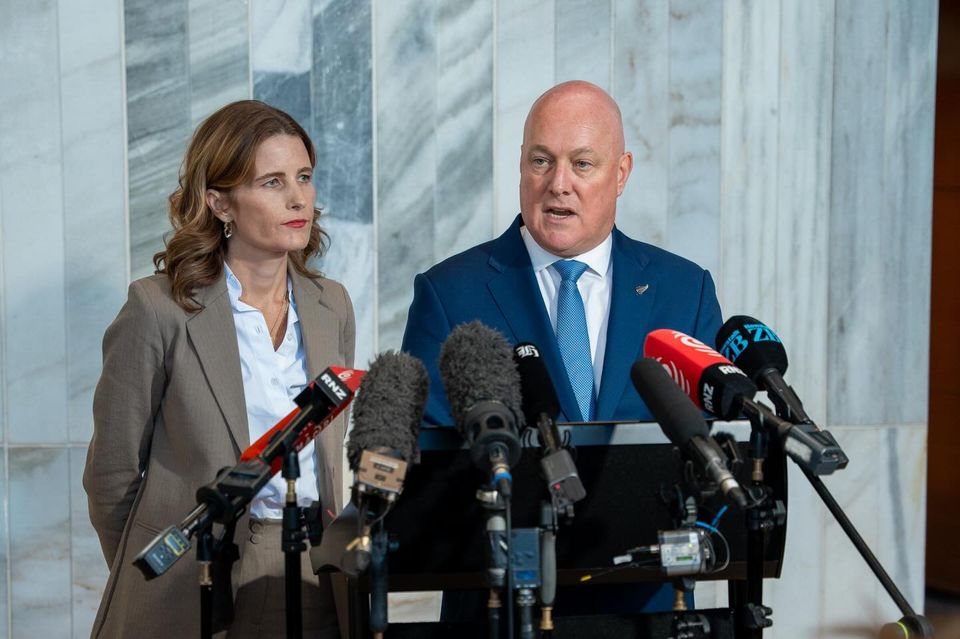
"There's production that needs to be turned on in the Middle East, there's storage and that needs to be delivered and managed and then obviously ships out into our refiners - so I think it will be some time," said Mr Luxon.
International analysts are similarly warning that a full return to pre-conflict supply levels could take months, with some shipping lanes requiring mine-clearing operations and hundreds of vessels still needing to be repositioned.
The Government says it expects lower international oil prices to eventually flow through to New Zealand consumers.
Finance Minister Nicola Willis said 91-octane petrol prices had risen about 25 per cent since the conflict began, while diesel prices had increased by 58 per cent.
She said motorists should not assume immediate relief, but lower crude prices were encouraging.
"What we want to see is prices fall at the pump."
The Government has also made it clear it expects fuel companies to pass on any savings.
Willis said the Commerce Commission is actively monitoring the market, while Mr Luxon issued a direct message to fuel importers.
"We understand when prices go up, they need to raise them – but also when prices come down, they need to lower them too."
Mr Luxon said the Government had seen no evidence of price gouging so far, but confirmed the Commerce Commission would continue to watch pricing behaviour closely.
Dave is a Kiwi motoring journalist with experience in motorcycle racing, new car sales, radio and communications.
Dave Kavermann
2 Hours Ago


Damion Smy
6 Hours Ago

Dave Kavermann
6 Hours Ago

Damion Smy
8 Hours Ago

Dave Kavermann
9 Hours Ago

Dave Kavermann
1 Day Ago
Add CarExpert as a Preferred Source on Google so your search results prioritise writing by actual experts, not AI.