

 Showroom
 Car Chooser
 Compare
 Car Specifications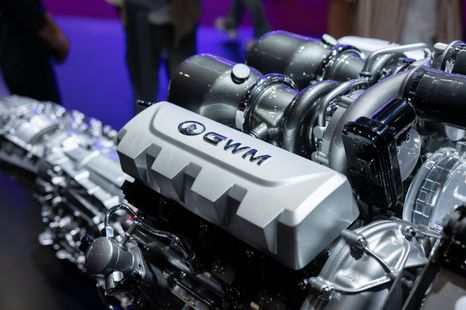

Dave Kavermann
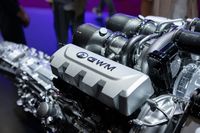
GWM confirms 'you'll see V8 in something next year', Tank SUV tipped to lead the way
The boss of GWM New Zealand and Australia has confirmed a V8-powered model is coming to both markets next year.
6 Hours Ago
Journalist
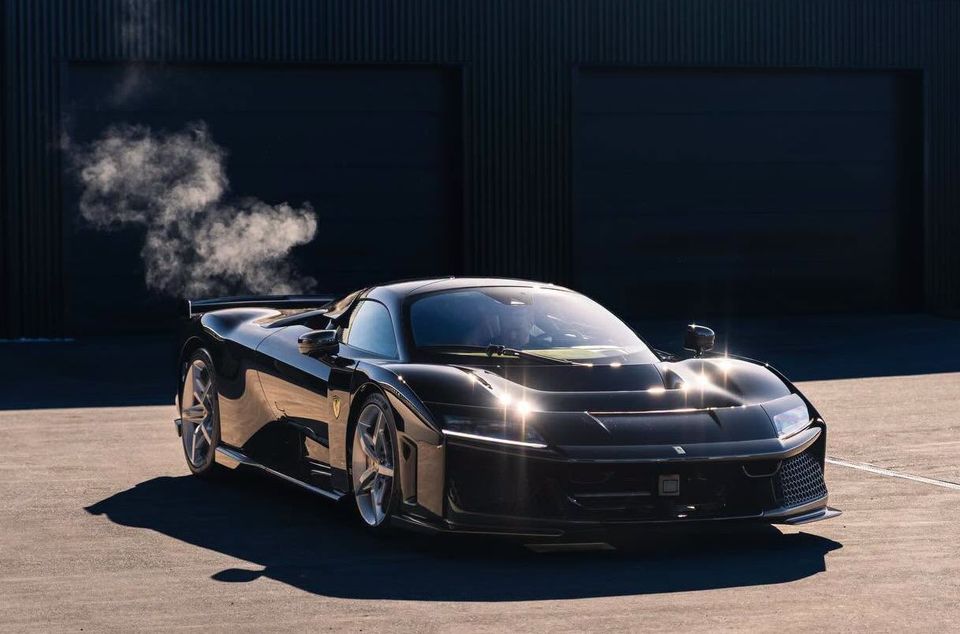
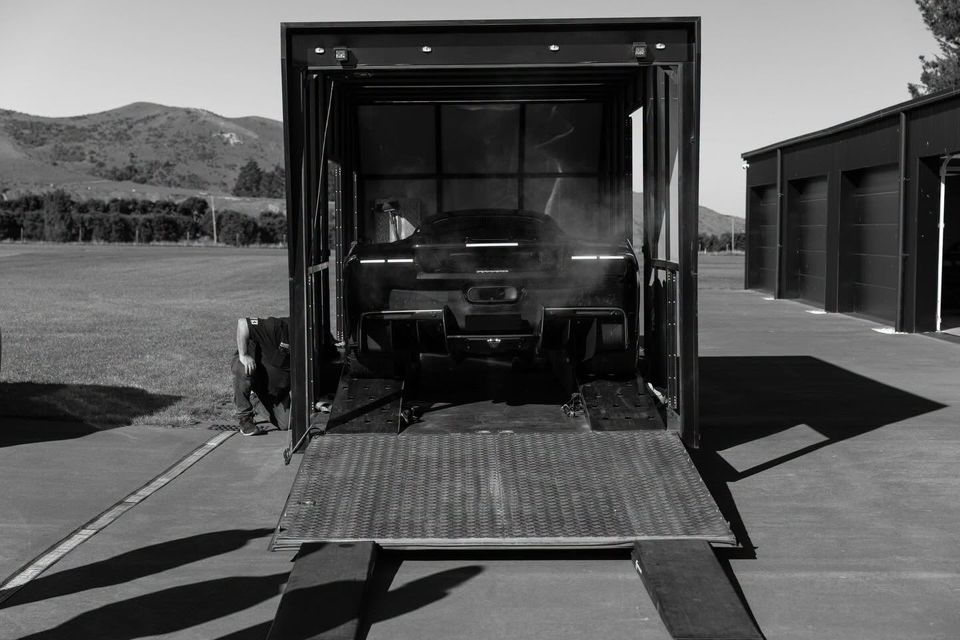
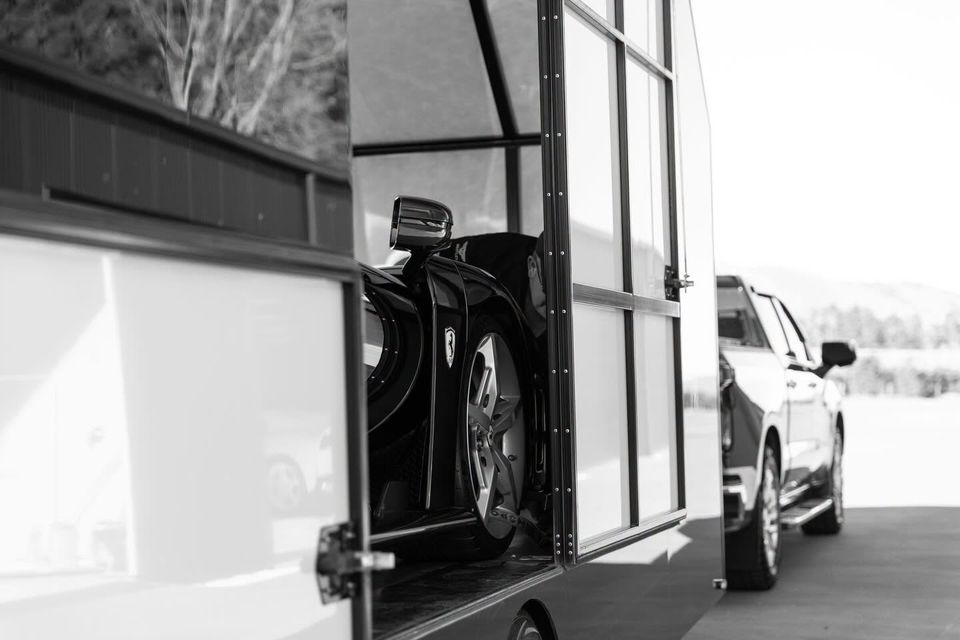
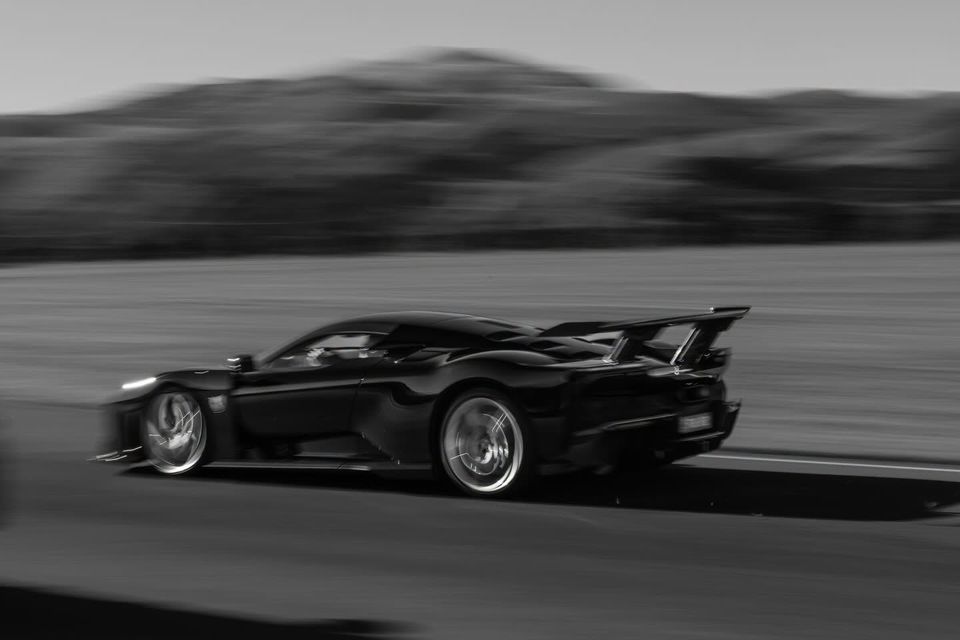
New Zealand has become the first market in Australasia to take delivery of Ferrari's new halo hypercar, with the first Ferrari F80 handed over to a local customer by Continental Cars Ferrari.
The Auckland-based dealer announced the milestone on social media, showing the Nero DS-finished F80 against the backdrop of the Southern Alps, with the local dealer describing the delivery as "a landmark moment."
"Finished in Nero DS and set against the backdrop of New Zealand's Southern Alps, this Ferrari F80 marks the first delivery of the model in Australasia," Continental Cars Ferrari said in a post.
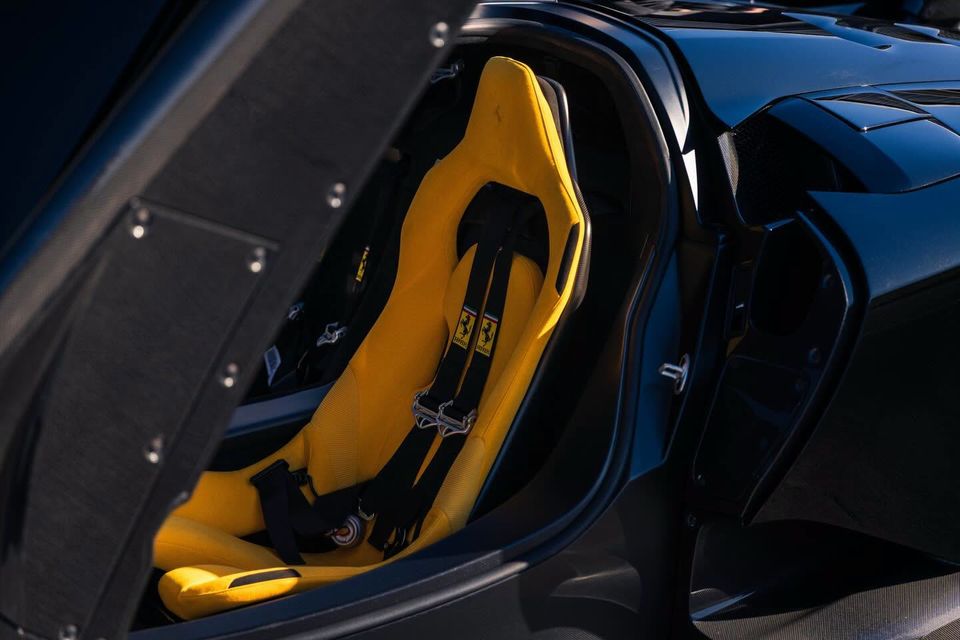
"The F80 represents the pinnacle of performance, innovation and engineering from Maranello, bringing together technologies derived from Formula 1, endurance racing and decades of Ferrari excellence.
"A very special congratulations to the owner of this extraordinary car."
The F80 succeeds an illustrious line of Ferrari flagship supercars including the LaFerrari, Enzo, F50, and F40, and is limited to just 799 examples worldwide.
All customer allocations for the F80 were said to be sold out before its official unveiling in 2024, though its base price is widely understood to be around US$3.9 million (NZ$7.1 million) before options.
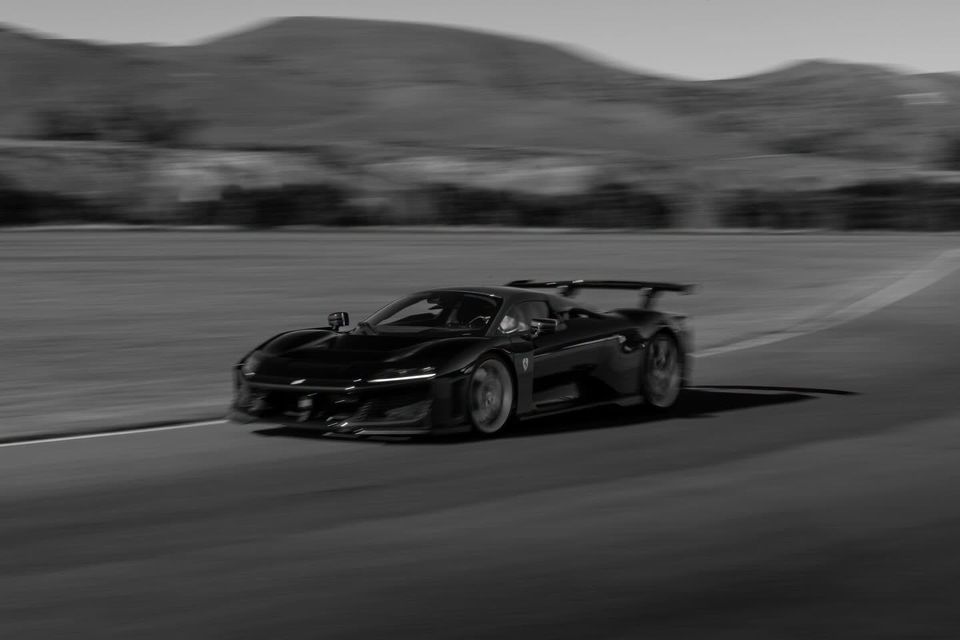
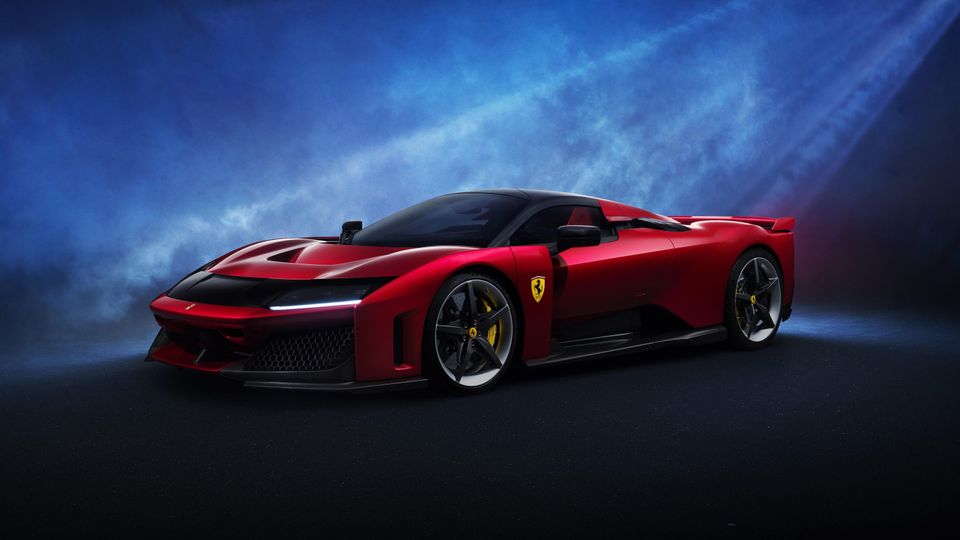
Unlike each of its predecessors, however, the F80 doesn't feature a V12 engine. Instead, Ferrari has developed its most powerful road car yet around a hybrid-assisted twin-turbocharged 3.0-litre V6.
The Le Mans-inspired powertrain combines the combustion engine with an 800V hybrid system and three electric motors to produce a combined 882kW – equivalent to 1200hp.
Safe to say the performance the V6 hybrid delivers is staggering, with Ferrari claiming a 0-100km/h time of just 2.15 seconds.
The V6 itself is closely related to the 120-degree engine architecture used in Ferrari's Le Mans-winning 499P endurance racer, albeit with all-new components. Ferrari says it develops a record 224kW per litre for one of its production engines.
New electric turbochargers, each featuring a dedicated 48V electric motor, help eliminate lag while allowing larger turbochargers to be fitted for greater outright performance.
Power is sent through an eight-speed dual-clutch transmission and Ferrari's latest e4WD all-wheel drive system, while two Formula 1-derived electric motors on the front axle provide torque vectoring and contribute up to 208.8kW.
The F80's engineering extends well beyond its powertrain.
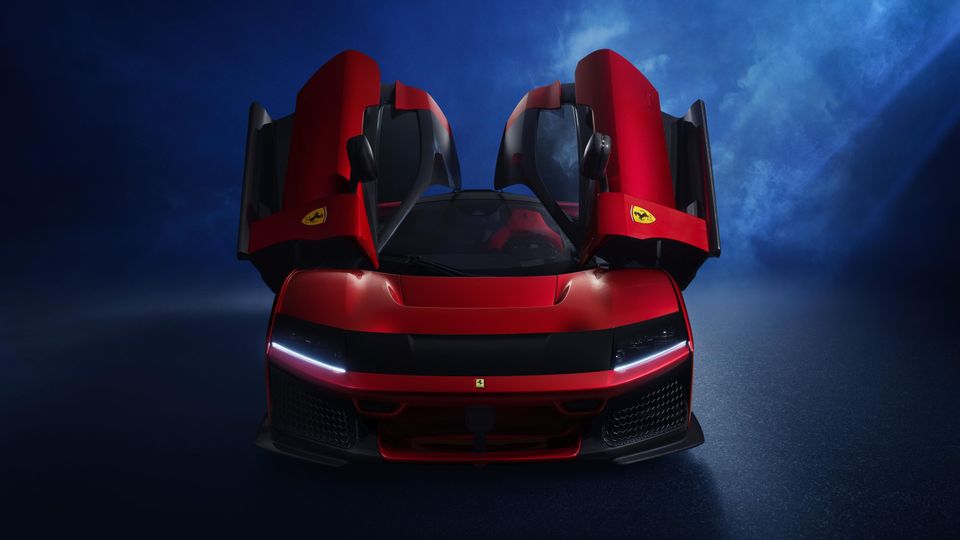
Its carbon-fibre chassis is five per cent lighter than the LaFerrari's while offering a 50 per cent increase in torsional stiffness. The cabin itself has been designed asymmetrically, with the driver's side given priority to reduce overall dimensions, improve aerodynamics, and save weight.
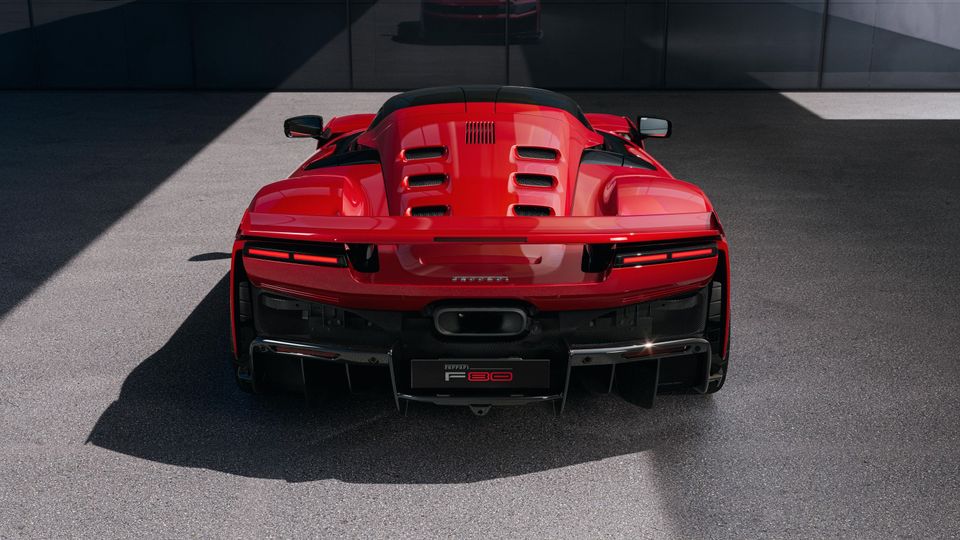
Aerodynamics also play a crucial role, with an aggressive underbody, S-duct, tri-plane front wing, and active rear wing generating a claimed 1050kg of downforce at 250km/h.
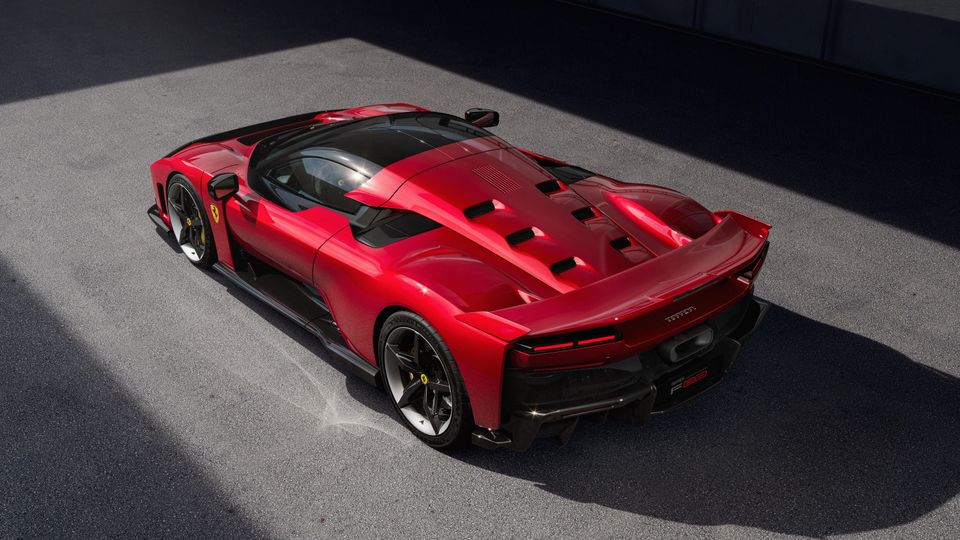
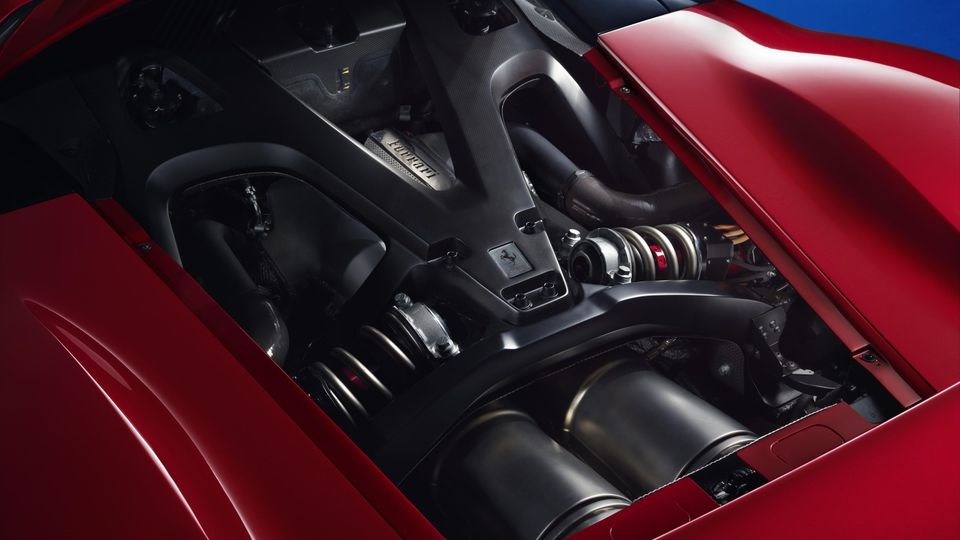
Ferrari has also equipped the F80 with Formula 1-inspired suspension, 3D-printed suspension components, and CCM-R Plus carbon-ceramic brakes derived from its 296 Challenge race car.
While Ferrari has yet to reveal how many F80s have been allocated to Australia and New Zealand, the arrival of the first example in New Zealand marks a significant milestone for one of the world's most technically advanced road cars.
Specifications | Ferrari F80 |
|---|---|
Engine | 3.0-litre twin-turbocharged V6 engine with electric motor |
Engine outputs | 662kW/850Nm |
Electric motor outputs | 220kW/242Nm** |
System outputs | 882.35kW/1100Nm+ |
Battery | 2.28kWh battery |
Transmission | 8-speed dual-clutch F1 DCT |
Driven wheels | AWD |
Weight | 1525kg dry weight |
Maximum speed | 350km/h |
0–100 km/h | 2.15s |
0–200 km/h | 5.75s |
100-0 km/h | 28m |
200-0 km/h | 98m |
Fuel economy (claimed) | TBC |
Electric driving range (PHEV) | 0km |
CO2 emissions | TBC |
Maximum engine speed | 9000rpm (dynamic limiter at 9200rpm) |
|---|---|
Compression ratio | 9.5:1 |
REAR ELECTRIC MOTOR (MGU-K) | |
Operating voltage | 650-860V |
Peak power Regenerative braking: | 70kW (95cv); ICE assist: 60kW (81cv) |
Peak torque | 45Nm |
Maximum engine speed | 30,000rpm |
Weight | 8.8kg |
FRONT ELECTRIC MOTOR | |
Operating voltage | 650-860V |
Peak power | 105kW (142cv) for each of the two electric motors |
Peak torque | 121Nm |
Maximum engine speed | 30,000rpm |
Weight | 12.9kg |
HIGH-VOLTAGE BATTERY | |
Maximum voltage | 860V |
Maximum power (charge/discharge) | 242kW |
Energy | 2.28kWh |
Maximum current | 350A |
Power density | 6.16kW/kg |
Weight | 39.3kg |
Vehicle specifications
Length | 4840 mm |
|---|---|
Width | 2060mm |
Height (in kerb weight conditions) | 1138mm |
Wheelbase | 2665mm |
Front track | 1701mm |
Rear track | 1660mm |
Dry weight | 1525kg |
Weight distribution | 42.2% front / 57.8% rear |
Fuel tank capacity | 63.5 litres |
Luggage compartment capacity (behind the two seats) | 35 litres |
Tyre, wheel and brake specifications
Front | 285/30 R20 |
|---|---|
Rear | 345/30 R21 |
Front | 408 x 220 x 38mm (6 pistons per calliper) |
Rear | 390 x 263 x 32mm (4 pistons per calliper) |
Where expert car reviews meet expert car buying – CarExpert gives you trusted advice, personalised service and real savings on your next new car.
Dave is a Kiwi motoring journalist with experience in motorcycle racing, new car sales, radio and communications.
Dave Kavermann
6 Hours Ago

Derek Fung
7 Hours Ago
Dave Kavermann
7 Hours Ago

William Stopford
8 Hours Ago

Damion Smy
8 Hours Ago

Matthew Hansen
2 Days Ago
Add CarExpert as a Preferred Source on Google so your search results prioritise writing by actual experts, not AI.