

 Showroom
 Car Chooser
 Compare
 Car Specifications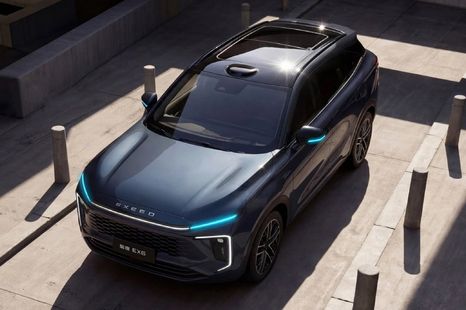

William Stopford
Omoda Jaecoo's most expensive SUV is getting a glow-up
Omoda Jaecoo's current flagship is going under the knife, with a facelifted version previewed in China by Chery's Exeed brand.
14 Minutes Ago
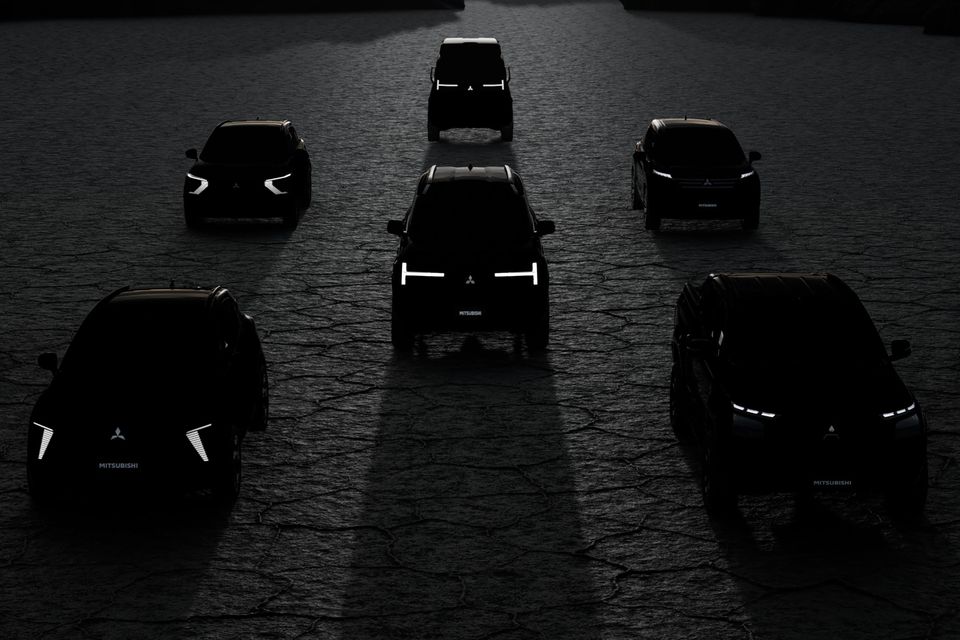
Despite helping pioneer EVs, Mitsubishi won't develop more of its own until the market has matured, making it the latest Japanese brand to walk back EV plans.

Deputy News Editor
Deputy News Editor
Mitsubishi has abandoned plans to develop electric vehicles (EVs) in-house, with its CEO declaring the Japanese automaker is “too small” to make the “massive investment” they currently demand.
At a shareholder meeting, according to Automotive News, Mitsubishi CEO Takao Kato said the brand will instead take a collaborative approach to developing EVs.
“We are constantly building our own capabilities so that we can respond on our own when BEV [battery electric vehicle] sales should see further development in the future, and we will take such action, when necessary,” the Mitsubishi chief said.
“For now, our approach is to address this through collaboration.”
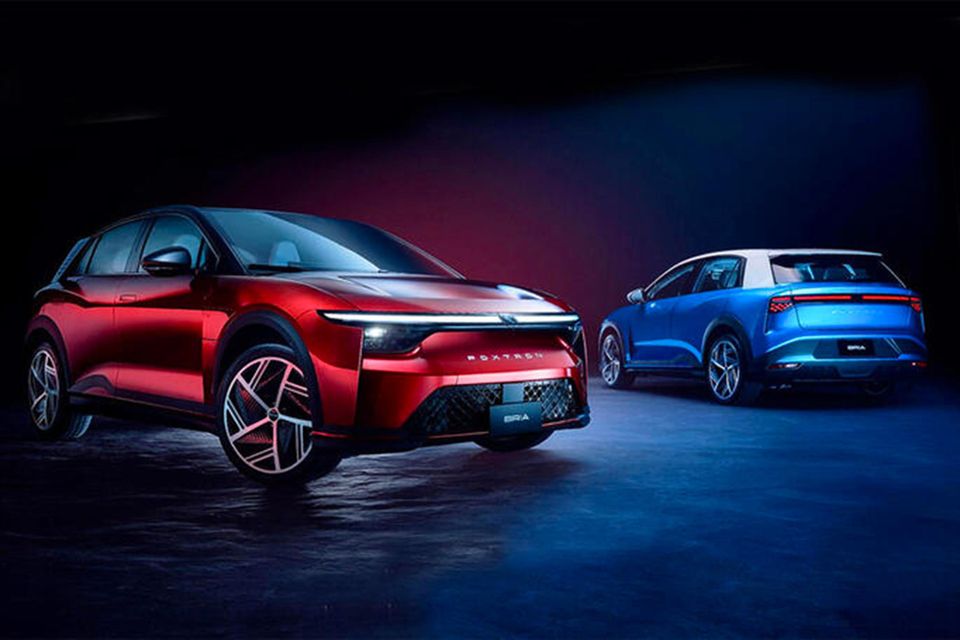
It comes as Mitsubishi New Zealand – which introduced the first mass-market EV here in 2010 with the i-MiEV electric hatch – plans to launch only its second EV in Australia later this year.
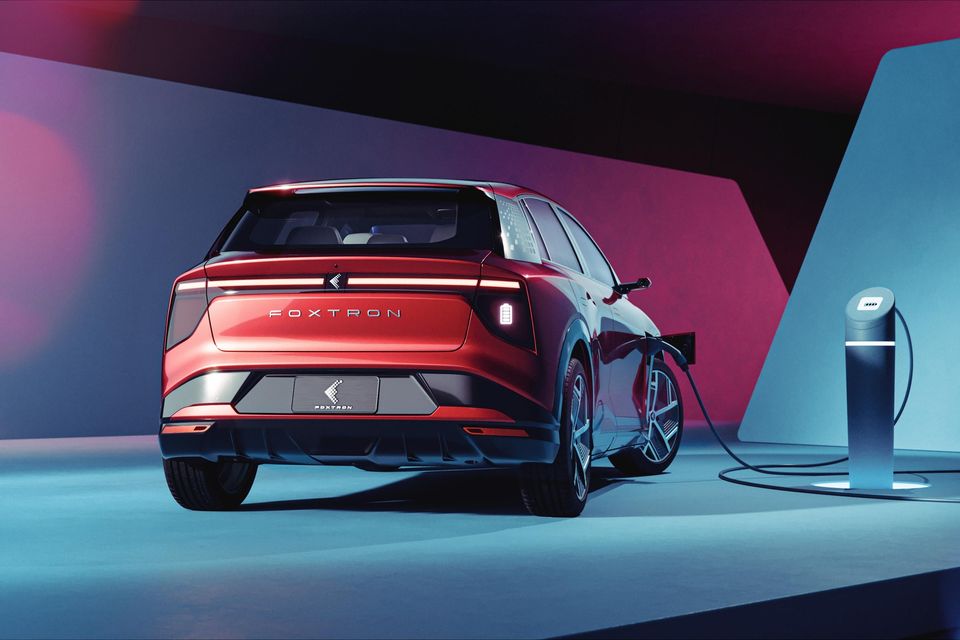
The as-yet-unnamed five-door electric hatch has been developed in partnership with Taiwanese company Foxtron, which appears to provide the blueprint for the brand's future EV strategy globally.
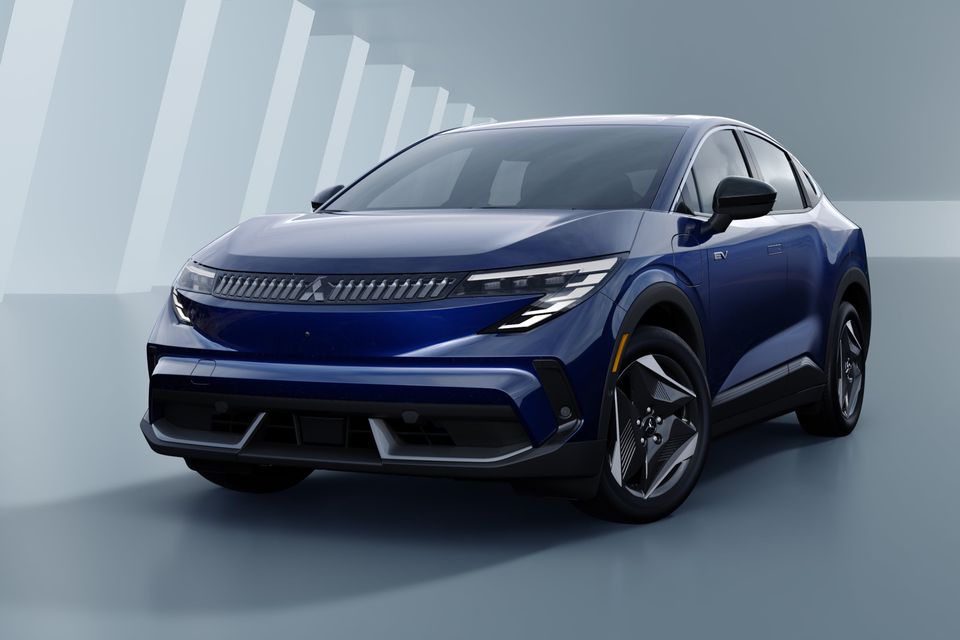
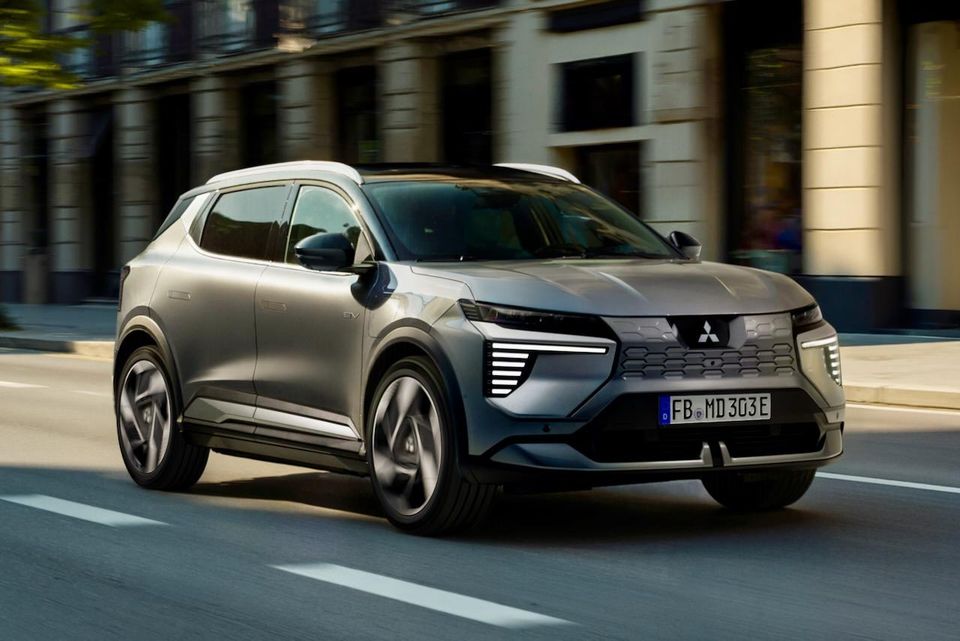
Indeed, the company recently revealed the Eclipse Sportback EV for North America, a restyled version of the Nissan Leaf, with the two automakers part of an alliance alongside France's Renault. In Europe, the Eclipse Cross EV is based on the Renault Scenic E-Tech.
“The reality is that [EV sales] growth has indeed been slowing down globally,” Kato-san said.
“Within the automotive industry, there had been talk of electrification for some time. However, over the past year or two, there has been a major re-evaluation.
“For a company of our size, deciding to make a massive investment in one area and then incurring significant losses would pose a major management problem.”
Year-to-date, EVs have increased in popularity in countries including the United Kingdom, Germany, France and Australia.
In May, EV sales in New Zealand were up 350 per cent year-on-year, lead by strong results for the Tesla Model Y, BYD Atto 3 and MG 4.
Yet slowdowns elsewhere, notably in the United States – the world's second-largest car market behind China – have hampered global product strategies for automakers.
According to Cox Automotive, EV sales in the first three months of 2026 fell 27 per cent after the US federal government abolished EV tax incentives in late 2025 and eased emissions regulations in February.
“Our first priority is to carefully assess trends,” Kato-san said.
“When it comes to developing technologies that require substantial investment, we will share the burden by collaborating with alliance partners to minimise our own financial burden as much as possible.”
It's a departure from Mitsubishi's earlier plans, announced in March 2023, to launch an electric ute developed in-house by 2028. This vehicle isn't listed in the company's latest Mid-Long Term Vision documents, released late in May.
It's also a change in approach from comments made to CarExpert at the Tokyo motor show in October 2025, when a Mitsubishi engineer said the brand would not tap its alliance partners to develop a hybrid version of its Triton ute.
Model sharing has extended beyond EVs, with the petrol-powered Mitsubishi ASX sold in Australia being a rebadged Captur from Alliance partner Renault, which has discontinued its version here.
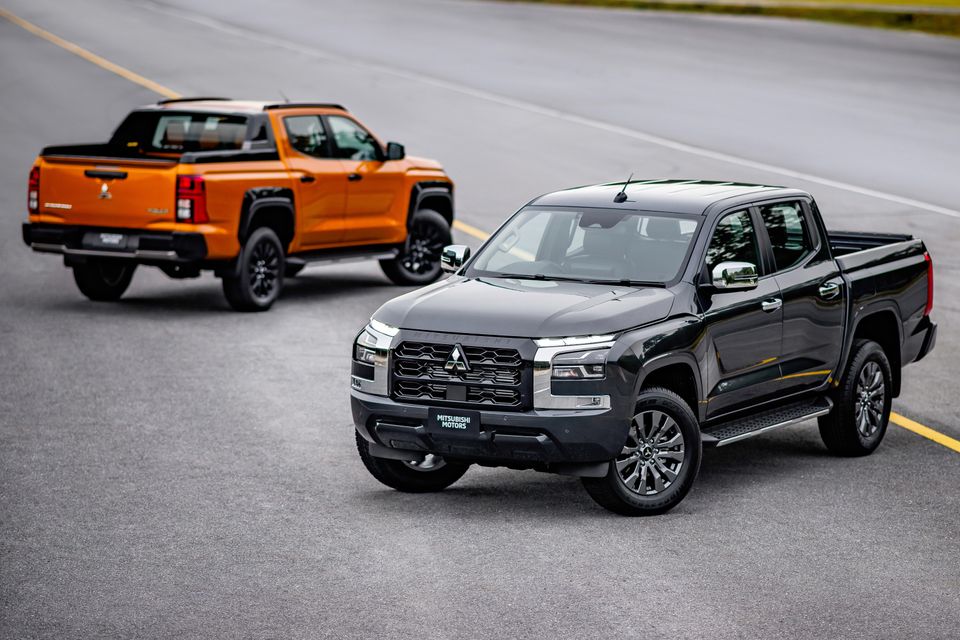
Mitsubishi is among a number of Japanese brands that are leaning more heavily on partners for EV development, and cancelling previously planned EVs.
Mazda is widely exporting the 6e and CX-6e developed with its Chinese partner Changan, and has delayed its first in-house EV since the unsuccessful MX-30.
Nissan has shelved plans to sell its new Leaf here and discontinued its Ariya in the US market, and is now set to export EVs developed with Chinese partner Dongfeng.
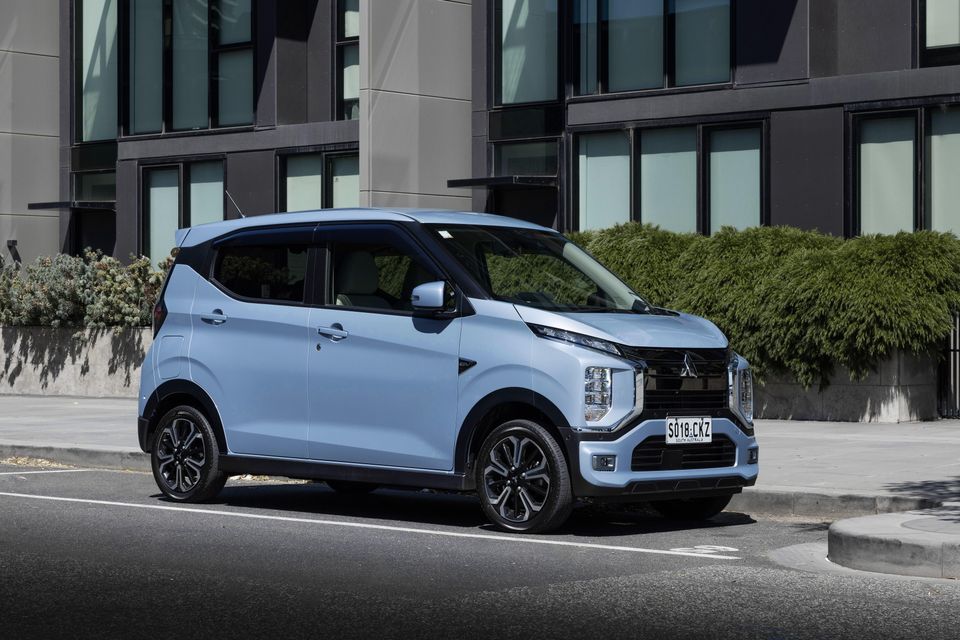
It's Honda, however, that has arguably had the most high-profile strategic shift on EVs. In March 2026 it announced it was cancelling plans to launch its 0 SUV, 0 Saloon and Acura RSX EVs even though they were due to go into production this year, and shortly thereafter it scrapped plans to sell EVs developed with Sony.
Honda recorded a loss of ¥414.3 billion (NZ$4.54bn) for the year ending March 2026, whereas before it was predicting a profit of around ¥620 billion (NZ$6.73bn).
Mitsubishi remained profitable in the Japanese financial year ended March 31, 2026, though a 46 per cent fall in operating profit came despite a four per cent increase in sales revenue.
Where expert car reviews meet expert car buying – CarExpert gives you trusted advice, personalised service and real savings on your next new car.
Damion Smy is an award-winning motoring journalist with global editorial experience at Car, Auto Express, and Wheels.
William Stopford
14 Minutes Ago
William Stopford
23 Hours Ago

Matthew Hansen
23 Hours Ago

Dave Kavermann
1 Day Ago
Dave Kavermann
2 Days Ago
Matthew Hansen
2 Days Ago
Add CarExpert as a Preferred Source on Google so your search results prioritise writing by actual experts, not AI.