


 Showroom
 Car Chooser
 Compare
 Car Specifications


Dave Kavermann
GWM opens order books for new 620Nm turbo-diesel Tank 500 and Cannon Alpha
GWM’s new 3.0-litre turbo-diesel will deliver more torque than Ford’s V6-powered Ranger and Everest.
3 Hours Ago
91 petrol is likely to officially fall under the $3 mark for a fourth week, however with rises on the horizon, the Government has indicated it may keep support in place.
Journalist
Journalist
The New Zealand Government will decide this week whether to keep its temporary $50 weekly fuel relief payment, despite the scheme appearing to reach one of the conditions that would normally bring it to an end.
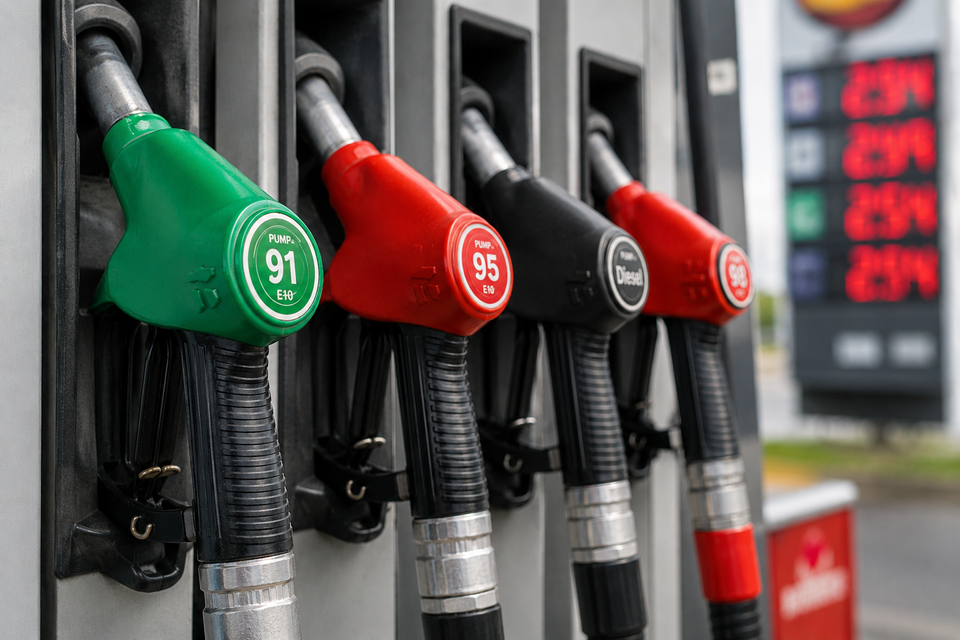
Finance Minister Nicola Willis is due to receive a fourth week of official fuel price data on Wednesday, which is expected to show the average price of 91-octane petrol remained below the scheme's $3.00 per litre threshold for four consecutive weeks.
Under the policy announced in March, the temporary payment – delivered through a $50 increase to the in-work tax credit – was designed to expire after 12 months, or once the average price of 91 petrol stayed below $3.00 per litre for four straight weeks.
However, the Government has indicated it may keep the support in place after fuel prices climbed again following renewed instability in the Middle East.
Fuel price monitoring service Gaspy reported on Monday the national average price of 91 petrol had returned to exactly $3.00 per litre, around nine cents per litre higher than a month ago.
Officials have warned recent lower prices may prove to be only a temporary dip.
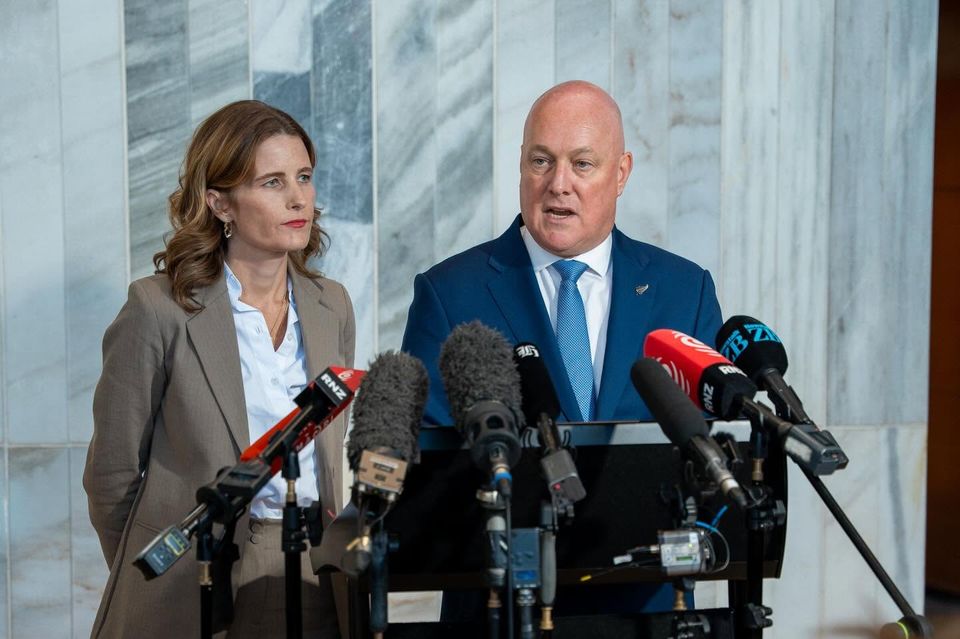
"We anticipate that will show fuel prices below $3 for the week previous, which will trigger me to take advice to Cabinet on what we do with the scheme going forward," Ms Willis said.
"However, officials have advised me that, given the significant increase in international fuel prices in the past few weeks, they are anticipating that the fuel price in future weeks will have spiked up above $3 again."
The Finance Minister said Cabinet would consider whether ending the payment now would be appropriate if lower fuel prices proved to be only a "welcome blip" rather than a sustained trend.
Prime Minister Christopher Luxon said the coalition was aware of the potential "yo-yo effect" caused by global events and would take a pragmatic approach before making a final decision.
The review comes as international oil prices have risen sharply once again.
After easing to around US$72 a barrel following a ceasefire in June, Brent crude climbed back above US$100 a barrel last week amid renewed concerns over supply disruptions through the Strait of Hormuz and the Red Sea.
Although prices eased slightly over the weekend after the United States paused military action against Iran, Brent crude remained above US$96 a barrel on Monday.
Those higher wholesale oil prices are now beginning to filter through to New Zealand motorists, with pump prices climbing back to the $3.00 per litre mark after briefly falling below the threshold.
Deputy Prime Minister David Seymour, whose ACT Party pushed for the four-week fuel price trigger during coalition negotiations, said he supports keeping the payment a little longer if recent lower prices prove to have been temporary.
"The policy says we have to make a decision if it goes four weeks under $3, and that leaves some leeway for a scenario where this ends up being the only four weeks for the rest of the year where the price is under $3," Mr Seymour said.
"I don't think we should get rid of it in that case."
However, he said the Government should end the payment if petrol prices remain below $3.00 per litre over a longer period.
"If this is hopefully a return to more normal prices, then the only thing to do is to cease this payment and save the taxpayer hundreds of millions of dollars."
Treasury estimates previously showed the one-year package would cost up to $374 million if it remained in place for the full 12 months.
Around 143,000 eligible working families receive the additional $50 per week automatically through the in-work tax credit under the Working for Families scheme.
Cabinet is expected to consider officials' advice after receiving the latest fuel price data on Wednesday, with a decision on the future of the payment likely to follow shortly.
Dave is a Kiwi motoring journalist with experience in motorcycle racing, new car sales, radio and communications.
Dave Kavermann
3 Hours Ago


Matthew Hansen
5 Hours Ago

Dave Kavermann
7 Hours Ago

Dave Kavermann
8 Hours Ago

Dave Kavermann
10 Hours Ago
Matthew Hansen
12 Hours Ago
Add CarExpert as a Preferred Source on Google so your search results prioritise writing by actual experts, not AI.