

 Showroom
 Car Chooser
 Compare
 Car Specifications

Dave Kavermann
Commerce Commission 'expects' oil price fall to reach Kiwi motorists
The message from the regulator to fuel companies is clear: if oil prices continue to fall, Kiwi motorists should see that benefit when they fill up.
15 Hours Ago
Japanese brand is holding steady in New Zealand, but is its hybrid first strategy a winning move?

Editor
Editor
As new carmakers from China continue to proliferate in New Zealand, the question of where customers for these brands will come from becomes more interesting to ponder.
Toyota’s local reign seemingly knows no bounds, with the Japanese manufacturer’s spot at the top of New Zealand’s sales charts being unwavering amid the arrival of fresh competition. Ford and its popular Ranger ute, meanwhile, appear to be on target to once again be the country’s most popular new vehicle.
The legacy brands that seem most likely to suffer at the hand of heightened competition are those towards the bottom of the national top 10. Brands like Nissan, Subaru, and Honda.
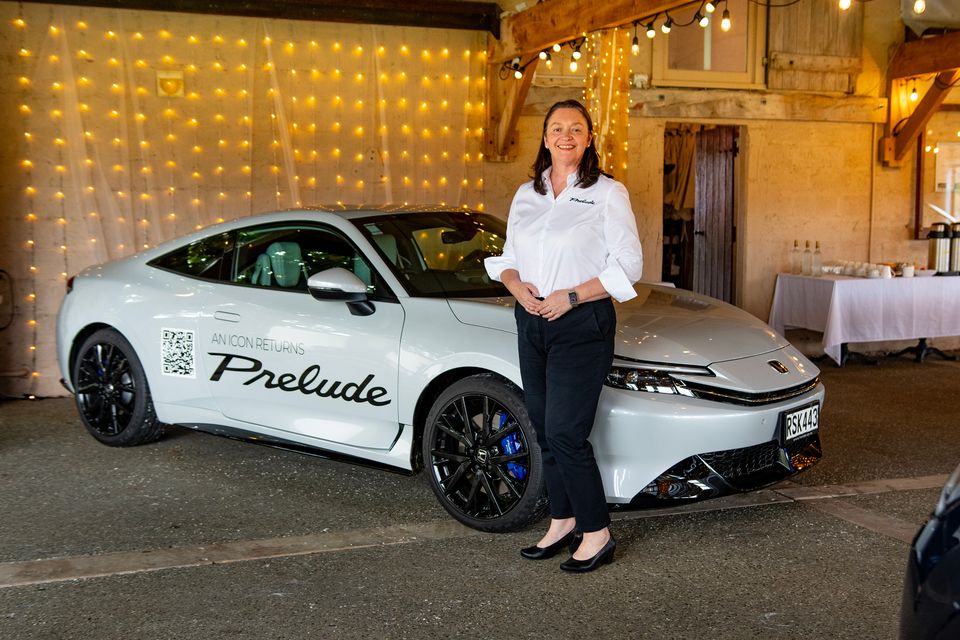
Speaking to CarExpert NZ at the launch of the all-new sixth-generation Prelude, Honda New Zealand CEO Carolyn McMahon said that she is happy with Honda’s continued performance in the market in the face of new competition.
“In the last one or two years we’ve held our position, and I’m happy with that — holding in a super competitive market. And then this year, with all the uplifts we’re having in new model introduction, we’re hoping to grow that a bit,” she said.
Honda ended 2025 as the country’s ninth most popular passenger carmaker with 3623 registrations. This put it two spots behind MG, one spot up on GWM, and four spots clear of BYD in 14th.
To the end of March, Honda appears to be holding steady. It was 10th in the rankings with 920 registrations, still ahead of GWM but well behind the fourth and fifth–placed MG and BYD.
Whilst being stable is a clear positive for the Honda brand, it's notable that none of its nameplates cracked the national top 15 in 2025. Despite models like the Jazz and CR-V having decades of local history and strong reputations for reliability.
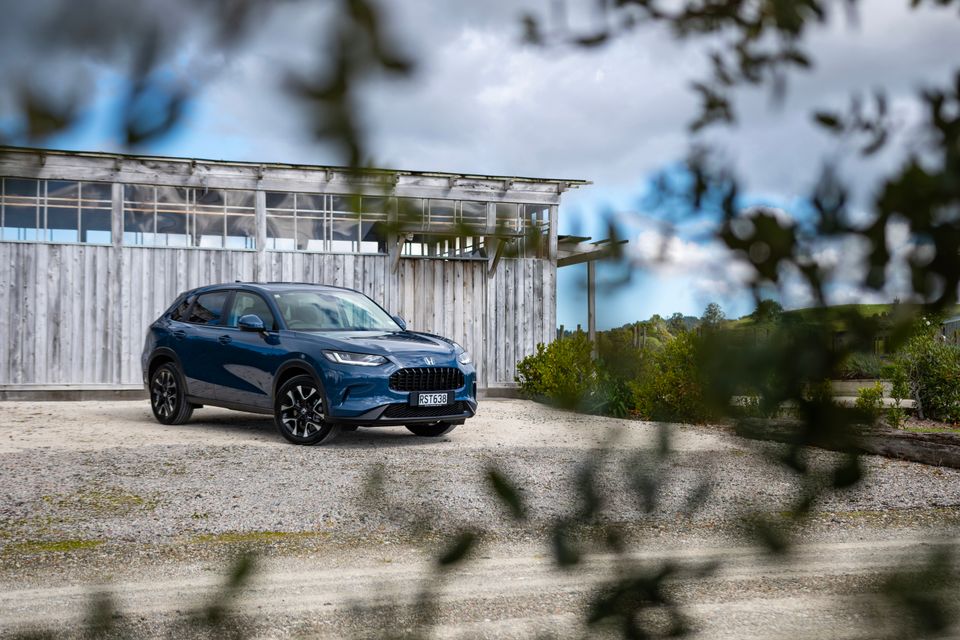
So, how does Honda plan to fight the onslaught of new brands?
“Obviously we’d love to be higher up the ladder, but more important for us is talking about the customer experience, the retention, the after sales support. We’re really doubling down on that,” said McMahon.
“The market is always going to move, always be changing, so I think you’ve got to stay true to your values and we’ve been doing it a long time in this country.”
From a product perspective, McMahon notes that the brand has moved to make two of its core nameplates — the ZR-V and CR-V — more accessible “particularly in the hybrid space” with more affordable entry-level variants.
“Often, Honda is seen as a bit of an aspirational brand, so to help get people into the brand you need good entry points for them.”
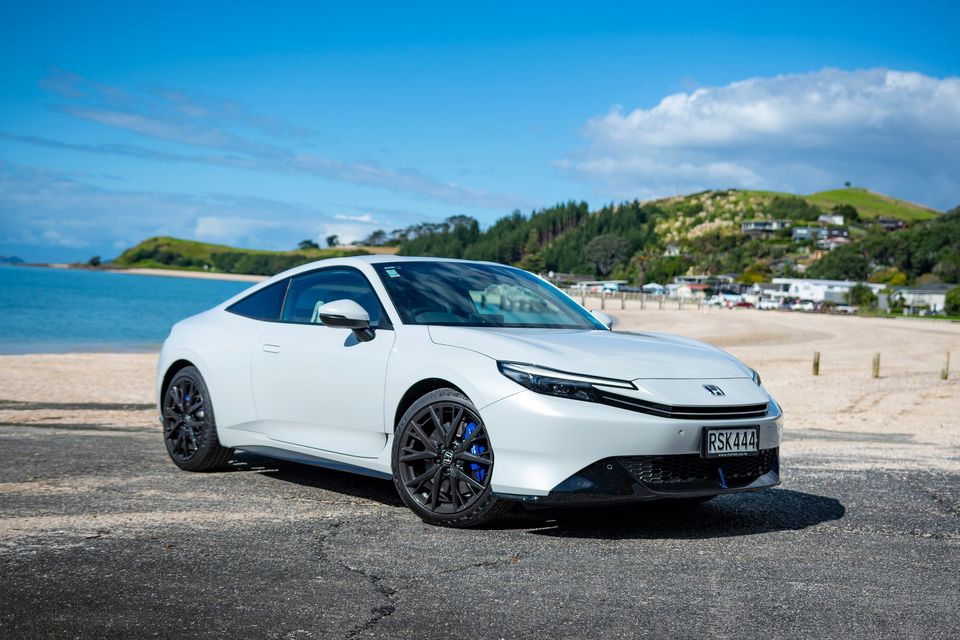
Like with Toyota, Honda’s product focus is centred largely around hybrid technologies. The brand currently does not offer an electric vehicle following the phasing out of the e:N1. The diminutive Super-One EV will join its line-up in the second half of the year.
“Our strategy was always hybrid,” said McMahon.
“Hybrid is the bridge, it’s part of electrification, part of the bridge to EVs, and I think the customer overall is accepting of that.
“The customer wants something that they’re used to and feels not so foreign for them, and the fuel efficiency we’re getting [...] is quite extraordinary. [...] You’ll see a lot more development in that space.”
She also underscored the importance of customer experience. Honda is noteworthy for its customer retention in New Zealand, which the brand refers to as its Honda to Honda, or ‘H to H’ model.
“We’ve made a couple of changes in the dealer network side of things, and we’re always trying to elevate the customer experience and how we come to market,” said McMahon. She added that the brand has also honed its “internal operational foundation settings” to ensure that it is “going to market well” and is “more visible.”
She added that the brand could do a better job of “telling our story” on aftersales support. “I think we’re very humble. I think we can do a better job of helping people understand that.”
Matthew Hansen co-founded motorsport outlet Velocity News, worked as a freelance photographer for various race teams, and was a specialist journalist for NZ Autocar Magazine and Driven at the NZ Herald. Most recently, he was Editor of Motoring at Stuff.co.nz.
Dave Kavermann
15 Hours Ago
Dave Kavermann
17 Hours Ago
Dave Kavermann
18 Hours Ago
Dave Kavermann
20 Hours Ago

Derek Fung
21 Hours Ago
Dave Kavermann
22 Hours Ago
Add CarExpert as a Preferred Source on Google so your search results prioritise writing by actual experts, not AI.