

 Showroom
 Car Chooser
 Compare
 Car Specifications

Damion Smy
Toyota GR GT V8 spied in two new versions
Toyota's most ambitious road car yet appears set to spawn multiple variants, with two distinct versions spotted testing in Europe.
1 Hour Ago

Journalist
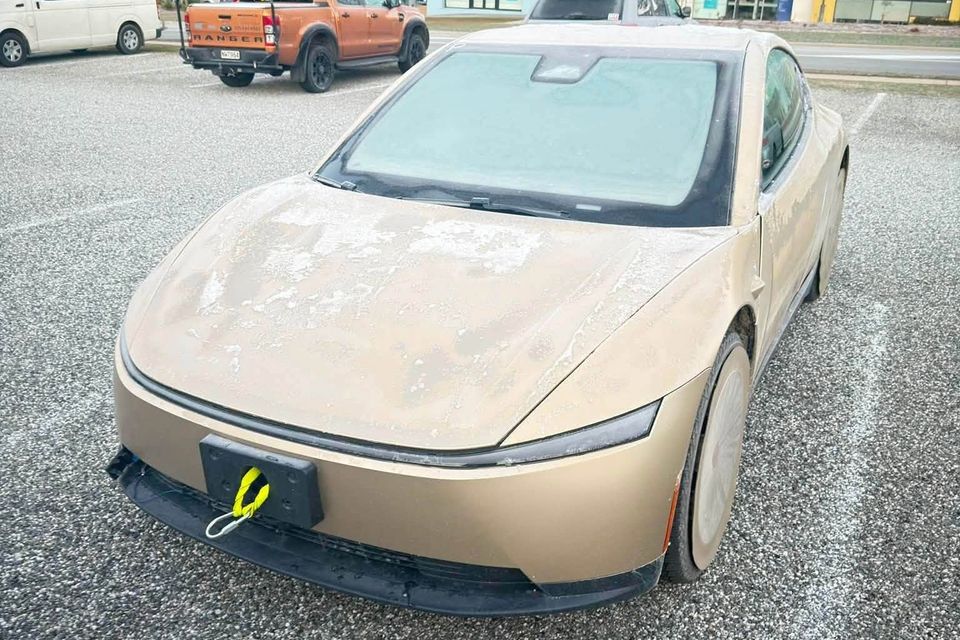
The Tesla Cybercab has been spotted driving on a New Zealand public road for the first time, with fresh images confirming the autonomous robotaxi has begun testing at Southern Hemisphere Proving Grounds and surrounding public roads near Queenstown.
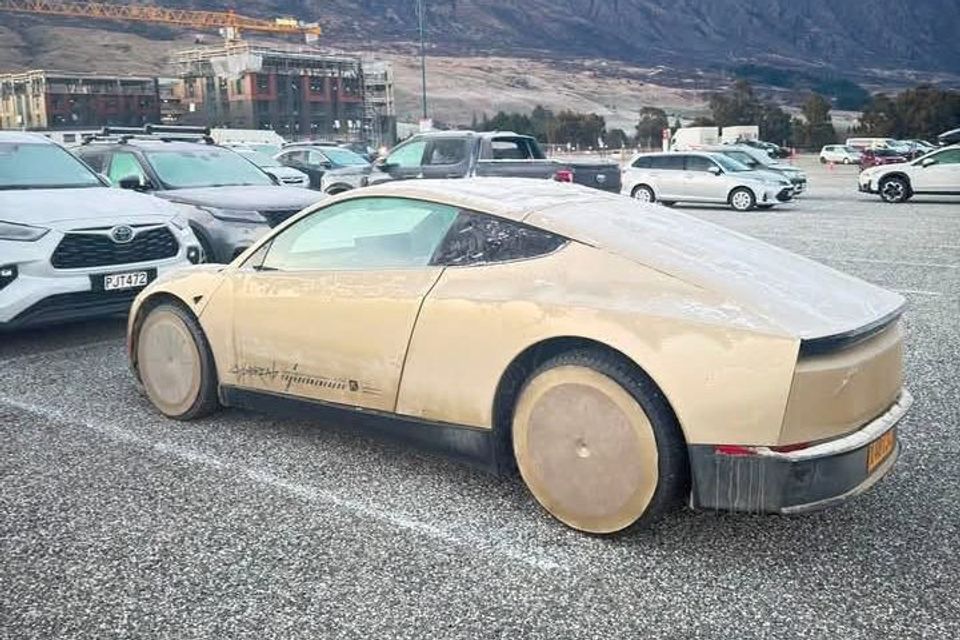
Photos shared to the Rare and Unique Car Spotting New Zealand Facebook group show one of Tesla's gold Cybercabs travelling along Cardrona Valley Road and testing at the proving grounds where the company has been conducting winter development work.
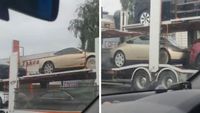
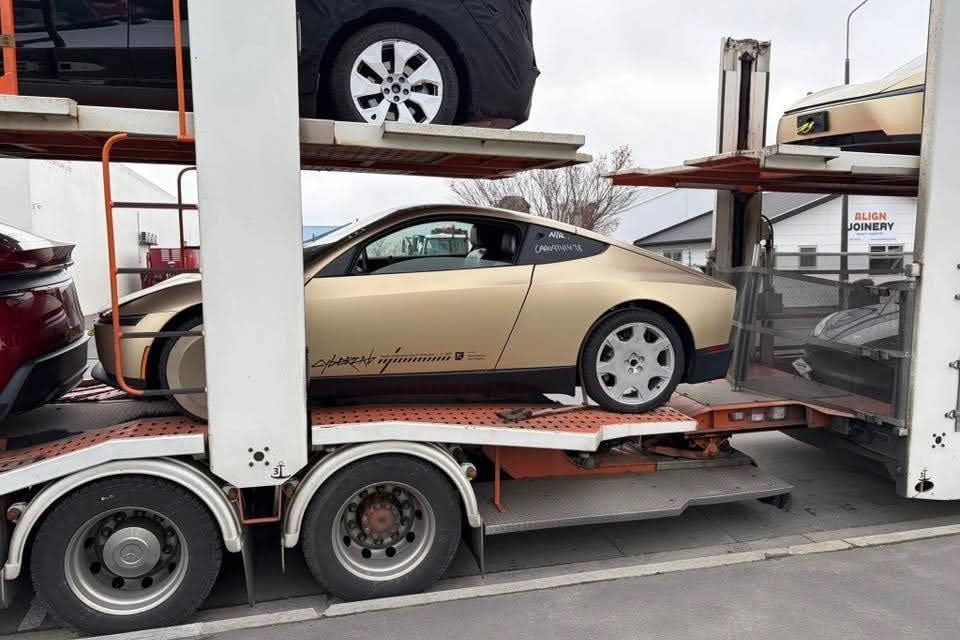
Another image shows the vehicle parked in the snow at the Cardrona facility. The vehicles have made waves on social media since a pair of Cybercabs were first seen arriving in New Zealand last month on the back of a transporter.
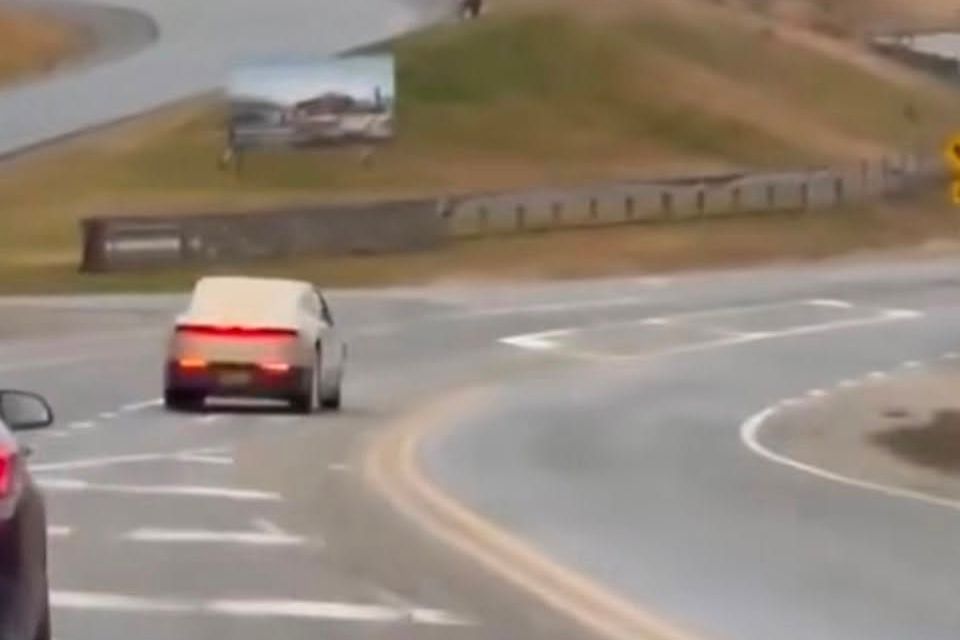
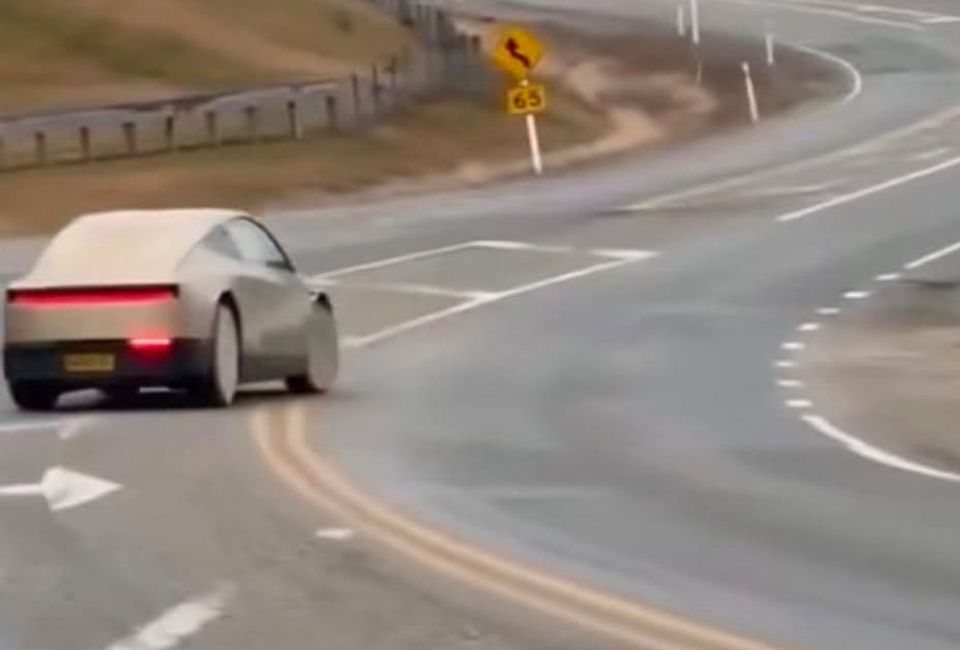
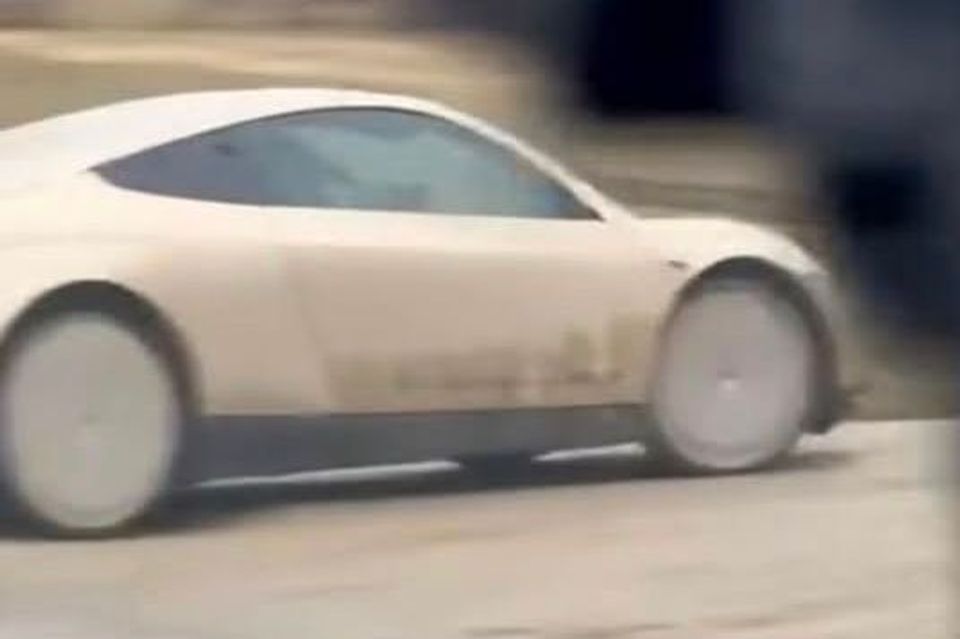
Tesla previously confirmed to CarExpert the two vehicles are company-owned prototypes undergoing cold-weather testing at the proving grounds, which attract manufacturers from around the world during the Southern Hemisphere winter.
The proving grounds, located northeast of Queenstown near Wanaka, have long been used by global automakers to validate vehicles in snow and ice conditions during June, July, and August, when Northern Hemisphere winter testing isn't possible.
The latest sighting marks the first time the Cybercab has been photographed operating under its own power on a public road in New Zealand.
While the Cybercab was spotted moving with passengers onboard, it's unclear whether the vehicle was driving autonomously or being controlled.
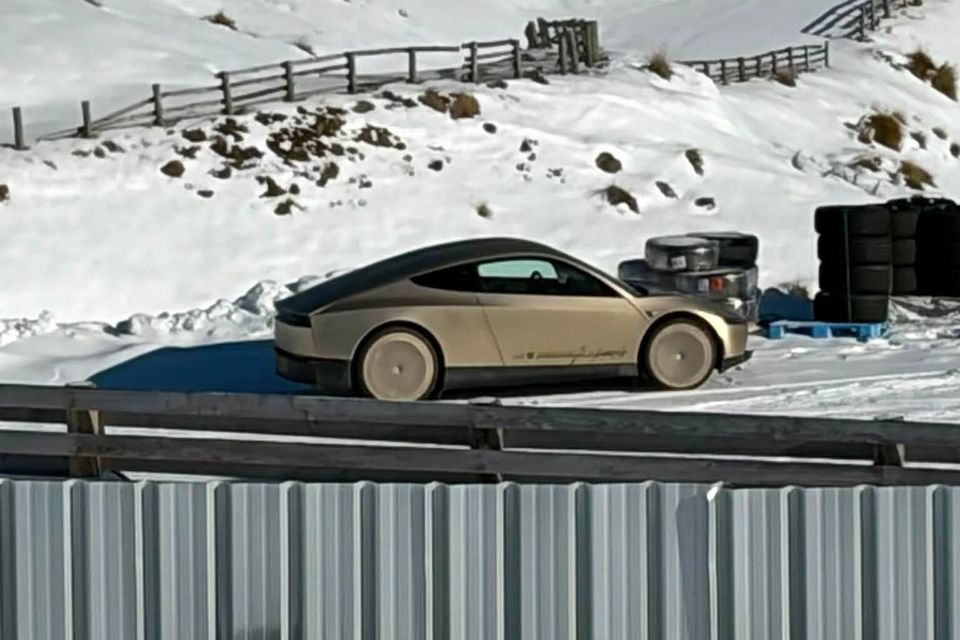
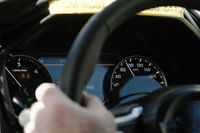
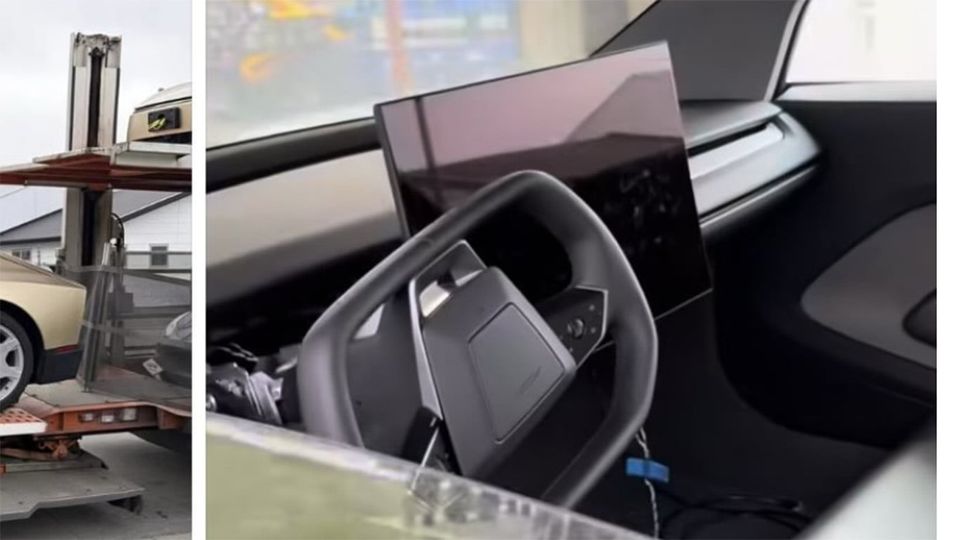
The Prototypes differs from production versions. While the Cybercab unveiled by Tesla in October 2024 featured no steering wheel or pedals, the New Zealand test vehicles are fitted with steering wheels inside their left-hand-drive cabins, suggesting they're engineering prototypes rather than production-spec robotaxis.
Externally, the vehicles appear identical to those expected to enter production, finished in the same gold paint as pre-production examples built at Gigafactory Texas. They also feature flush aerodynamic wheel covers and a full-width rear LED light bar.
Documents filed with the United States Environmental Protection Agency (EPA) earlier this year revealed the Cybercab uses a single front-mounted electric motor producing around 163kW, powered by a battery pack of approximately 48kWh.
The filing lists a kerb weight of around 1412kg, making the Cybercab significantly lighter than a rear-wheel drive Tesla Model 3.
EPA documents indicate a driving range of around 451km, although separate laboratory testing has suggested the lightweight robotaxi could achieve as much as 672km under different test procedures.
Tesla is expected to price the Cybercab from around US$30,000 (~NZ$52,000) in North America when sales begin, making it the brand's most affordable model.
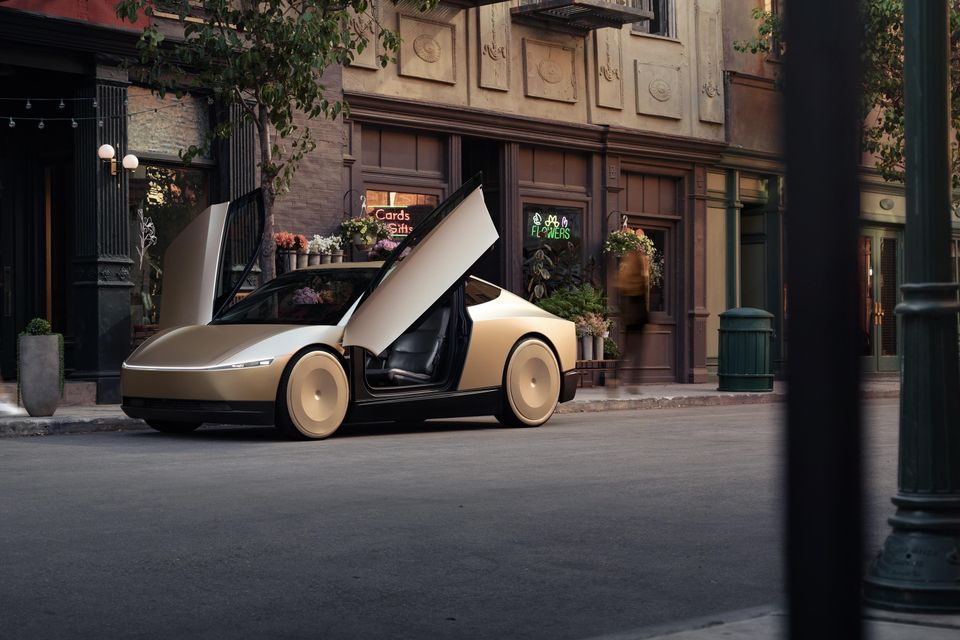
Tesla CEO Elon Musk told media at the 2024 launch the Cybercab would be made “in very high volume”, declaring autonomous vehicles would play a revolutionary role in the future of transport.
“Autonomous cars could be used five or ten times more [than privately owned non-autonomous cars],” Mr Musk said. “[Therefore] the same car would have five or ten times more value.”
“The cost of autonomous transport will be so low, you can think of it like individualised mass transit.
“The average price [of bus travel] is around US$1 per mile [NZ$1.74 per kilometre]. Operating costs for the Cybercab are going to be around US$0.20 per mile [NZ$0.35 per kilometre].”
Although Tesla has brought the Cybercab to New Zealand for development work, the company has previously told CarExpert there are no current plans to launch its Cybercab robotaxi service in either New Zealand or Australia.
Tesla launched its first commercial robotaxi service in Austin, Texas, during 2025 using modified Model Y SUVs before expanding operations throughout the Austin metropolitan area in 2026.
The company has since rolled out additional services in Dallas, Houston, and the San Francisco Bay Area, while the dedicated two-seat Cybercab is expected to eventually replace the adapted Model Ys as Tesla's purpose-built autonomous transport solution.
Where expert car reviews meet expert car buying – CarExpert gives you trusted advice, personalised service and real savings on your next new car.
Dave is a Kiwi motoring journalist with experience in motorcycle racing, new car sales, radio and communications.
Damion Smy
1 Hour Ago
Dave Kavermann
5 Hours Ago

Derek Fung
7 Hours Ago
Derek Fung
8 Hours Ago


Sean Lander
8 Hours Ago
Dave Kavermann
3 Days Ago
Add CarExpert as a Preferred Source on Google so your search results prioritise writing by actual experts, not AI.