

 Showroom
 Car Chooser
 Compare
 Car Specifications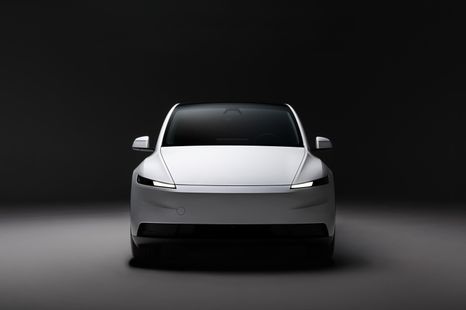

Damion Smy
Tesla's updated Full Self-Driving system arrives in New Zealand
Updated FSD v14.3.3 software for Australia’s most popular new car last month, the Tesla Model Y, is now being rolled out across the country.
5 Days Ago

News Editor
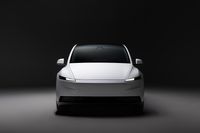
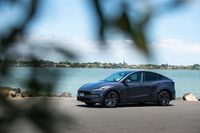
The Tesla Model Y L is coming to New Zealand in 2026, giving the American brand a three-row SUV option Down Under for the first time in several years.
Tesla's local arm confirmed the vehicle’s launch earlier today – though it has stopped short of confirming when during 2026 it will arrive. Tesla also hasn’t released pricing and specifications as yet.
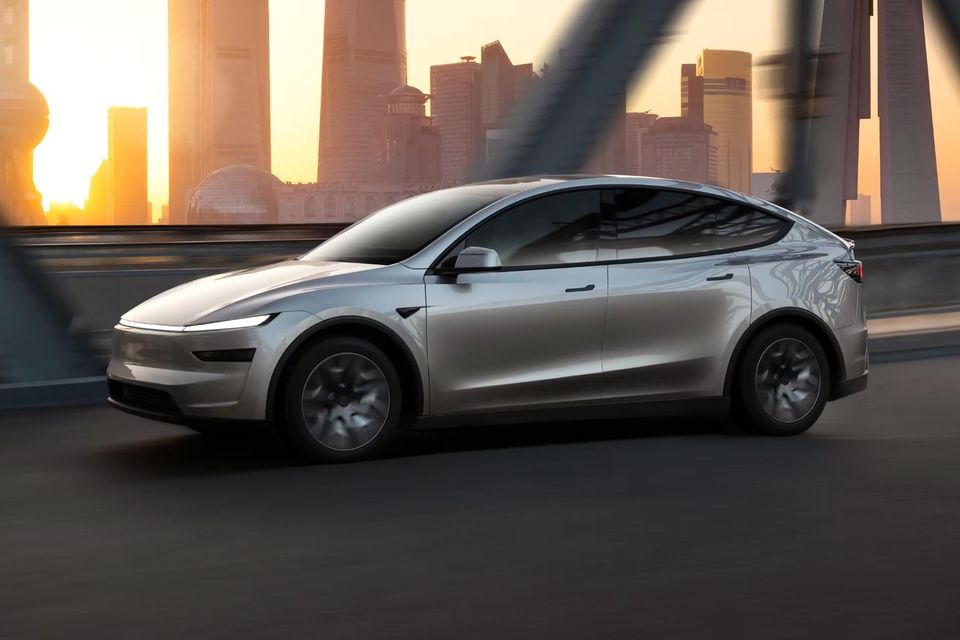
The Model Y L will be sourced from Shanghai, China, like all of Tesla’s current local lineup apart from the Model Y Performance which is sourced from Germany.
There are few electric SUVs priced under $100,000 with a third row of seating, with the Model Y L’s only competition for now coming from the smaller Mercedes-Benz EQB and the larger Kia EV9, which the Tesla is expected to significantly undercut on price.
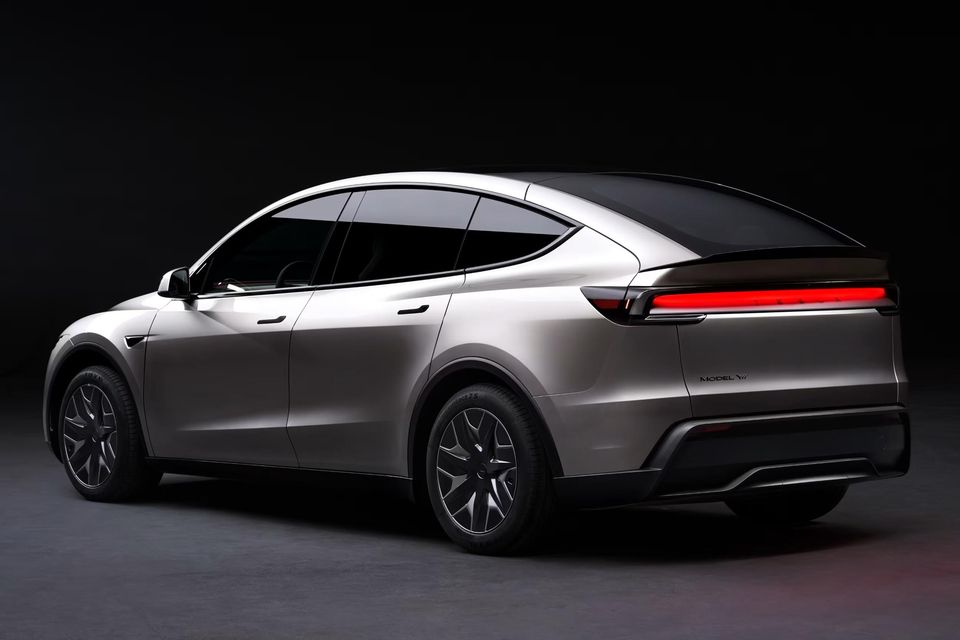
First revealed midway through 2025, the Model Y L takes the regular Model Y and stretches its wheelbase by 150mm to 3040mm.
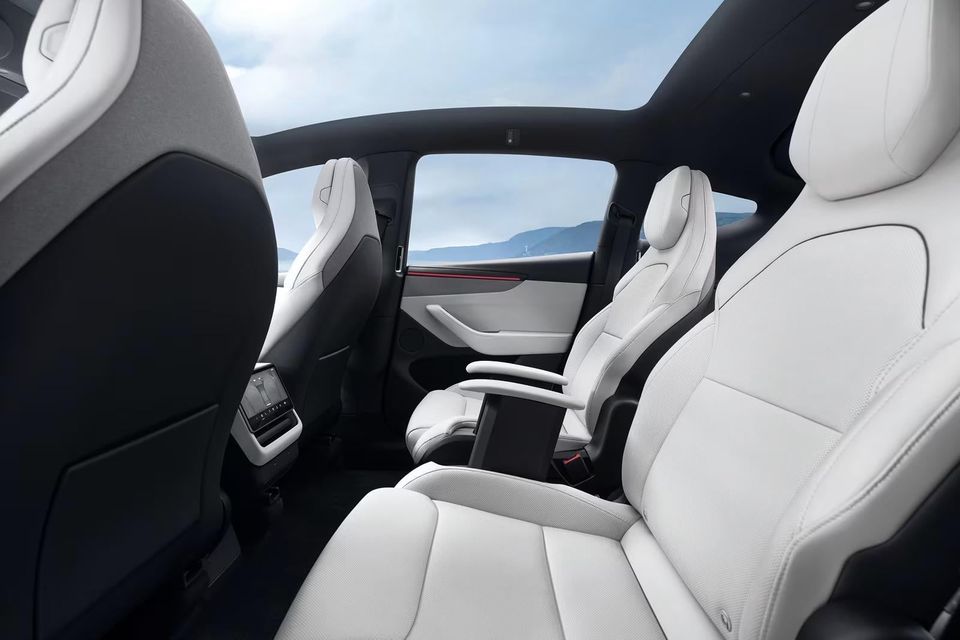
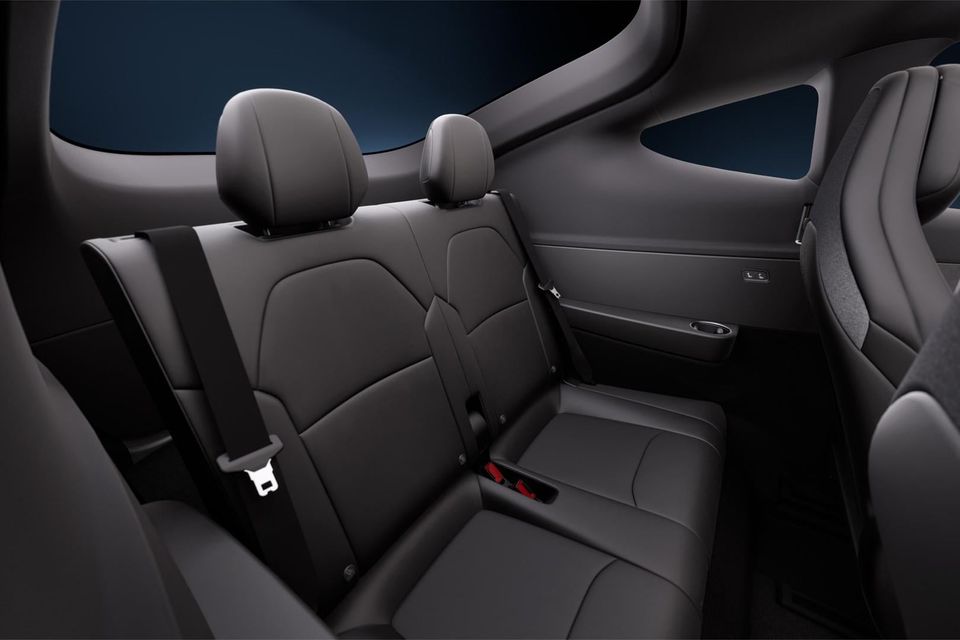
This frees up room for a third row of seating, with the second row ditching the Model Y’s bench for a pair of captain’s chairs. However, the still quite steeply sloping rear roofline may eat into third-row headroom.
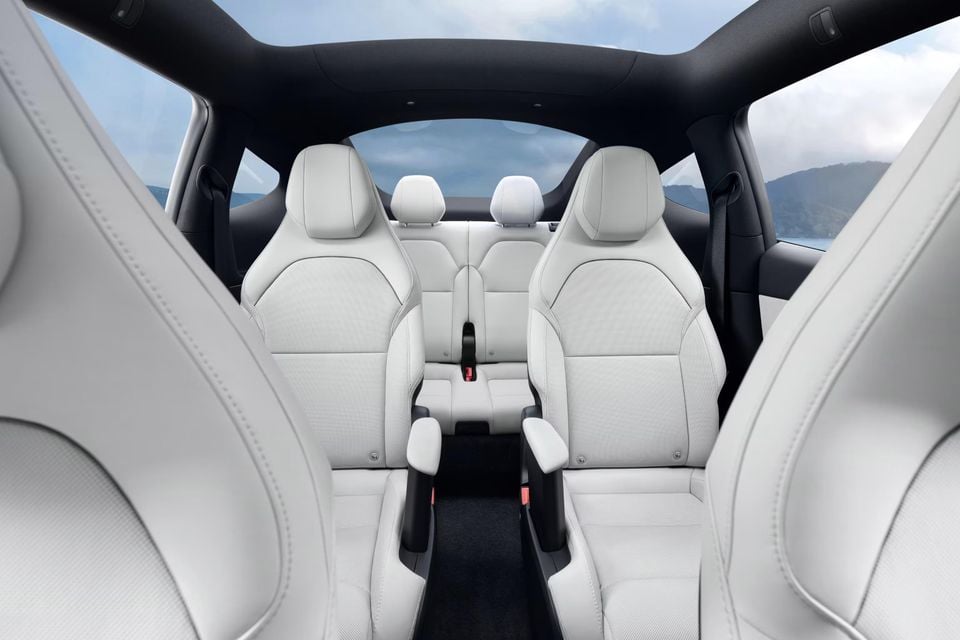
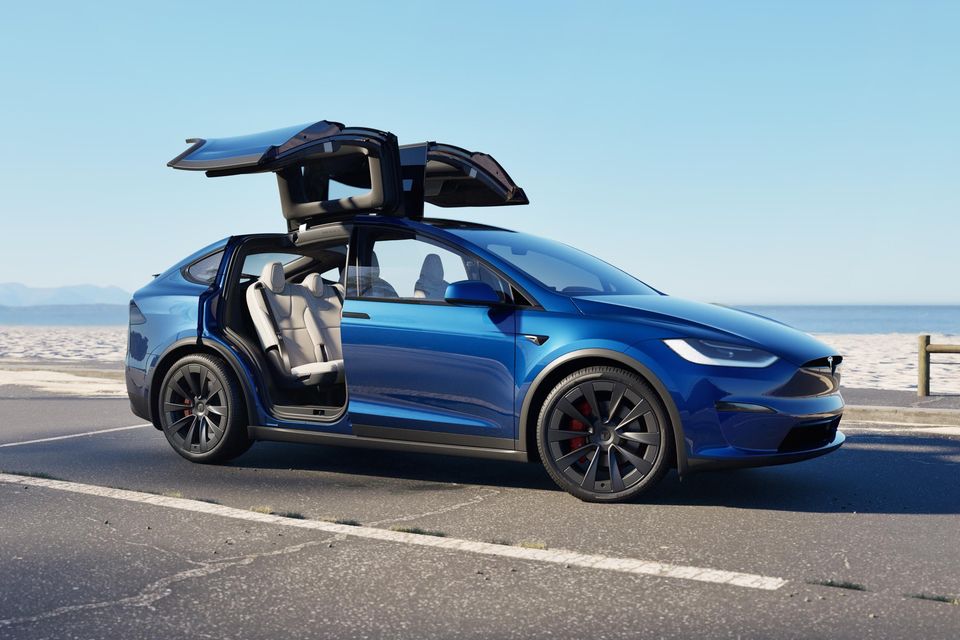
The Model Y L’s overall length of 4969mm long puts it squarely in the large SUV segment – it’s 3mm longer than a Toyota Highlander, for example, though it’s 67mm shorter and 140mm narrower than the Tesla Model X which was the American brand’s last three-row SUV.
Compared to the five-seat Model Y, the L also sits 34mm higher, adds 2mm of ground clearance (169mm) and is the same width despite having a 20mm wider front track yet a 12mm narrower rear track.
There’s also more luggage space, with a claimed 2539 litres against 2138L for five-seat versions, and the extra dimensions push kerb weight up by 96kg to 2088kg.
The Model Y L is distinguished from the regular Model Y not only by its longer body, but also unique alloy wheels and badging.
Recent government certification documents indicate it uses the same dual-motor all-wheel drive electric powertrain and battery as the Premium Long Range AWD, with a listed power output of 378kW.
Tesla doesn’t publish power and torque figures, but a Chinese Ministry of Industry and Information Technology (MIIT) filing confirmed 142kW and 198kW outputs for the Model Y L’s front and rear electric motors, respectively.
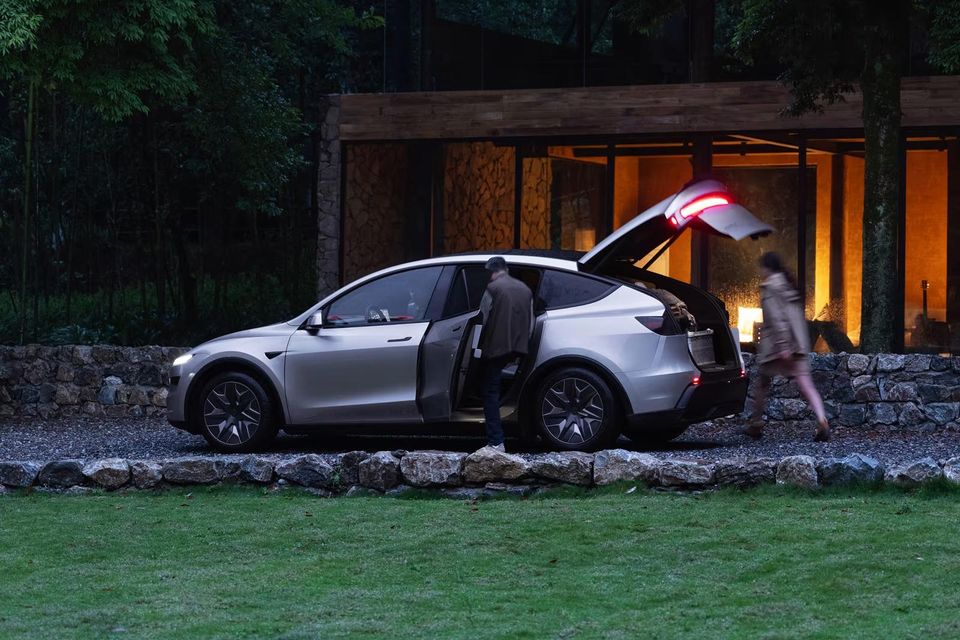
On Tesla’s Chinese website, the brand claims a 0-100km/h time of 4.5 seconds.
The Model Y L was reportedly approved for the European market in December 2025, with an 88kWh battery offering 681km of range on the WLTP cycle.
For context, the Model Y Premium Long Range AWD has 600km of WLTP range and a claimed 0-100km/h time of 4.8 seconds.
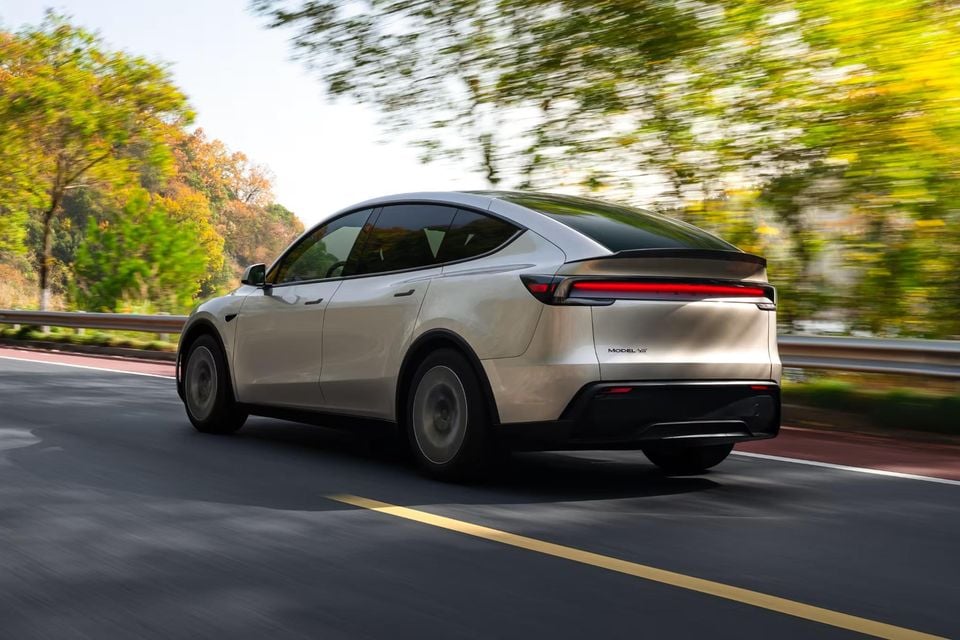
In China, the Model Y L is priced from ¥339,000 ($83,100), meaning it’s ¥25,500 ($6250) more expensive than the equivalent Model Y there.
In New Zealand, the Model Y Premium Long Range AWD is priced at $77,900 before on-road costs.
Standard equipment in China includes an 18-speaker sound system, 16-inch front touchscreen, 8.0-inch rear touchscreen for climate control adjustment, a power tailgate and adaptive LED headlights.
Those second-row captain’s chairs feature heating, ventilation and power adjustment, and include power-adjustable armrests. The third-row two-seat bench is heated and power-folding.
Tesla says it has upgraded the suspension, which employs continuously variable damping.
The Model Y L will give Tesla its first three-row SUV offering in Australia since the Model X – complete with its wild ‘falcon’ doors – was withdrawn in 2020. Tesla discontinued the Model X globally earlier this year.
Where expert car reviews meet expert car buying – CarExpert gives you trusted advice, personalised service and real savings on your next new car.
William Stopford is an automotive journalist with a passion for mainstream cars, automotive history and overseas auto markets.
Damion Smy
5 Days Ago

Derek Fung
1 Month Ago

Matthew Hansen
1 Month Ago

Dave Kavermann
1 Month Ago
Dave Kavermann
1 Month Ago
Dave Kavermann
2 Months Ago
Add CarExpert as a Preferred Source on Google so your search results prioritise writing by actual experts, not AI.