


 Showroom
 Car Chooser
 Compare
 Car Specifications


Matthew Hansen
Watch out Corolla Cross? Jaecoo announces hybrid J5 SUV
Hybrid crossover joins quickly growing Jaecoo line-up.
4 Days Ago
Kia's hugely popular compact crossover proves big things come in small packages.
Where expert car reviews meet expert car buying – CarExpert gives you trusted advice, personalised service and real savings on your next new car.
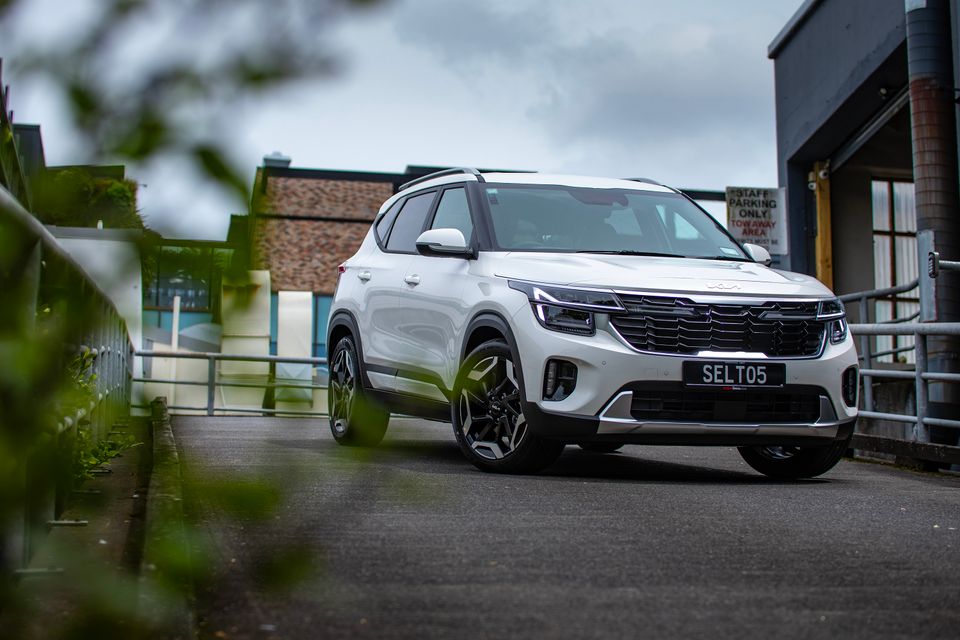
The Kia Seltos might be the best car you’ve never heard of.
When it comes to cars, New Zealanders love the recognisable and the familiar. As such, the country’s list of best-selling motors is usually peppered with a raft of household names. It usually takes something big for a new nameplate with minimal runs on the board to make an appearance — let alone become a mainstay.
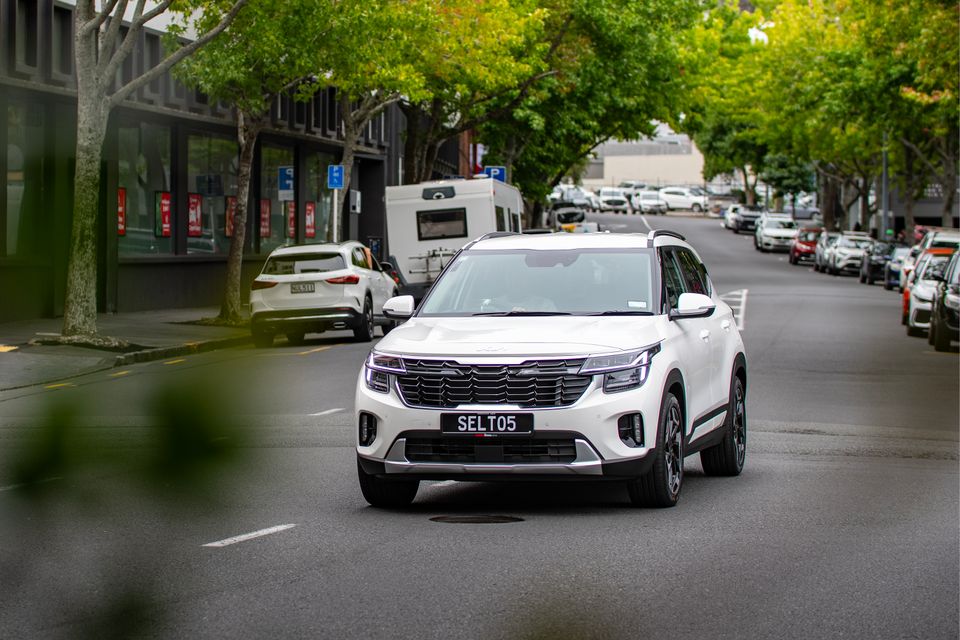
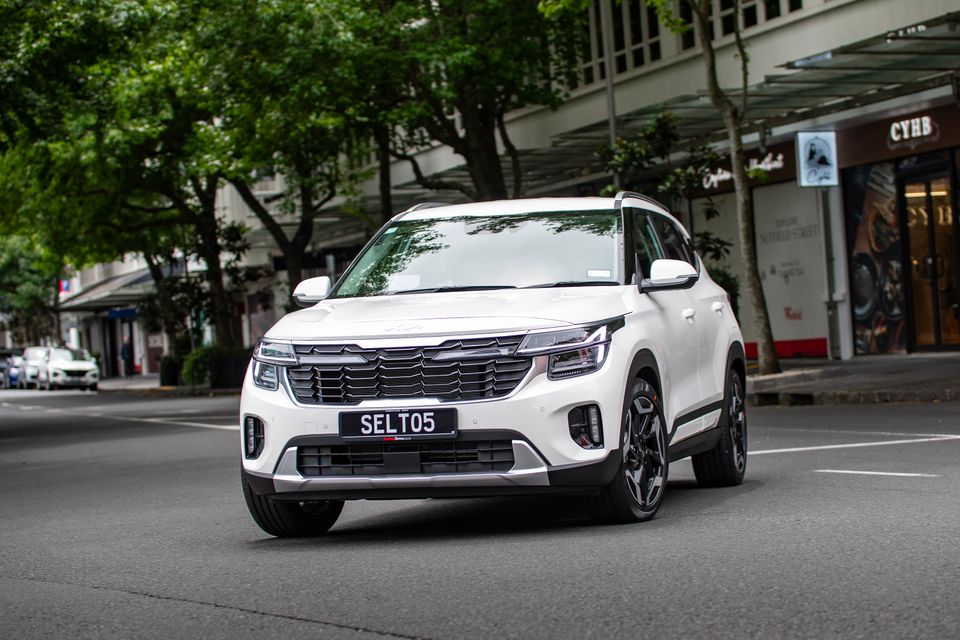
Yet, that’s exactly what’s happened to Kia’s surprisingly popular compact crossover. Having only been launched here a handful of years ago as a brand new nameplate, the Seltos has quickly become not only the best-selling Korean car in New Zealand, but one of the best-selling SUVs to boot, ranking fifth behind the Ford Everest, Mitsubishi’s Outlander and ASX, and the Toyota RAV4.
So, what is it exactly that makes this crossover so good? And, is it equipped to hold off a wave of forthcoming new rivals determined to try and take its thunder?
How much does the Kia Seltos cost?
The Kia Seltos first made a splash in New Zealand thanks to incredibly compelling launch pricing — a move Kia regularly makes when bringing in new models. The model’s pricing has since mellowed (I’m sure inflation hasn’t helped, either), with the range kicking off at $33,990 for the LX plus on-roads.
Model | Price |
|---|---|
Kia Seltos LX 2.0-litre | $33,990 |
Kia Seltos LX Plus 2.0-litre | $36,990 |
Kia Seltos EX 2.0-litre | $40,850 |
Kia Seltos LTD 2.0-litre | $44,850 |
If you stretch for the flagship Seltos LTD, which is what we recently got our hot little hands on, pricing extends out to $44,850. Borderline Sportage money. That’s an almost $11,000 premium over the base car, and a steep figure considering the two have identical mechanicals under the skin.
Now, the Seltos is not a hybrid. Therefore its key rivals are the segment-leading Gold-Card-qualifying Mitsubishi ASX, the MG ZS Turbo, and a couple of new kids on the block; the Chery Tiggo 4 and Mahindra 3XO. The Chery is the obvious value leader of the pack, with its $24,990 base pricing in petrol form (the top spec petrol is still cheaper than a Seltos LX, at $29,990), whilst the $27,990 ZS Turbo is the performance pick.
There’s also a few hybrids worth tossing into the equation. The Tiggo 4 Hybrid starts at $29,990 and Suzuki’s mild-hybrid Fronx is a $31,990 option. And of course, you can’t mention hybrids without mentioning Toyota. Its Yaris Cross is priced from $39,690 including on-road costs.
What is the Kia Seltos like on the inside?
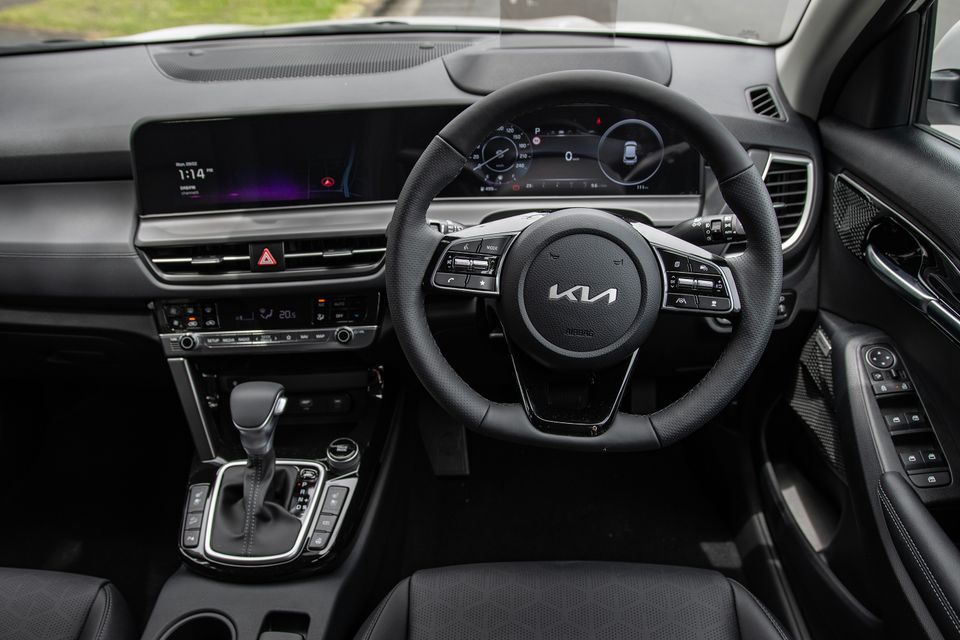
Those who regularly follow motoring will know that Kia have been putting out some of the most intriguing and high-tech interiors of any legacy manufacturer in recent years. Although the Seltos doesn’t quite hit the same design highs as some of Kia’s other models, that may be for the best.
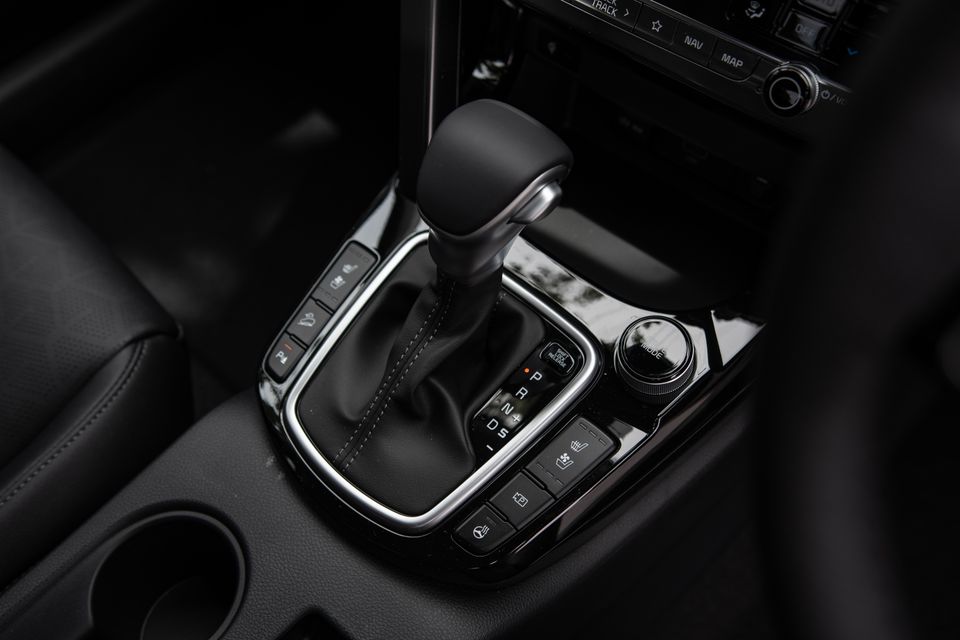
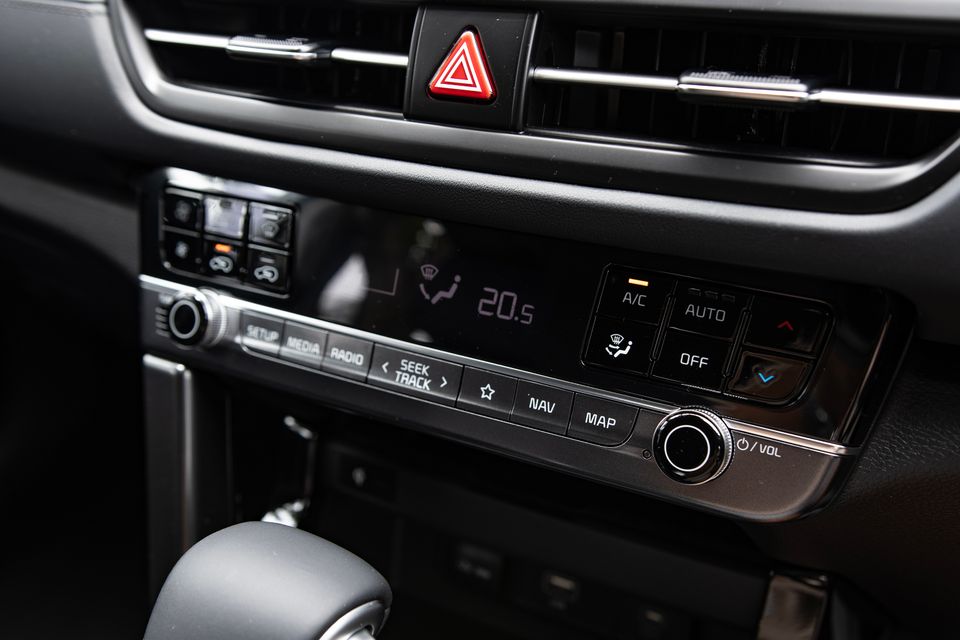
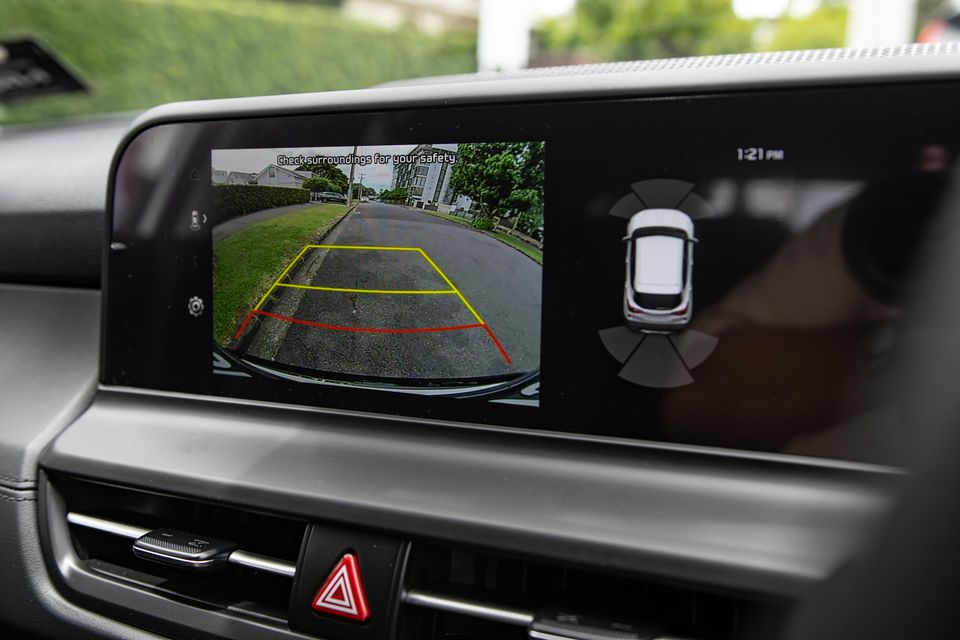
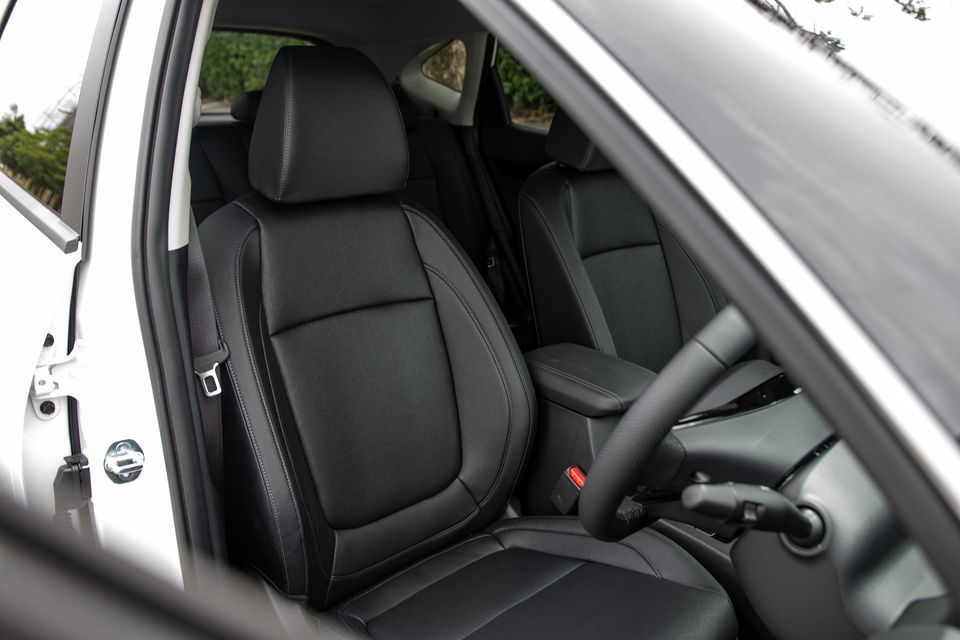
Having updated the styling of the Seltos a few years ago, Kia also gave its interior a once over. The model gained a reworked, curved dual-screen set-up on top of the dashboard and a few other changed details. But all in all, it was a fairly mild update. This means that whilst the Seltos is one of the freshest names in the Kia range, it also has one of the oldest cabins.
Not that I’m complaining. The Seltos’ interior layout is very straightforward and conventional. It skips over the divisive switchable digital panel Kia has fitted to the likes of the Sportage in favour of a more plain set-up loaded with physical switches and knobs. There’s no ‘smart gear knob’ chicanery, but rather a conventional shift lever. Base models get an 8.0-inch touchscreen and 4.2-inch digital cluster whilst the EX and this LTD get dual 10.25-inch units.
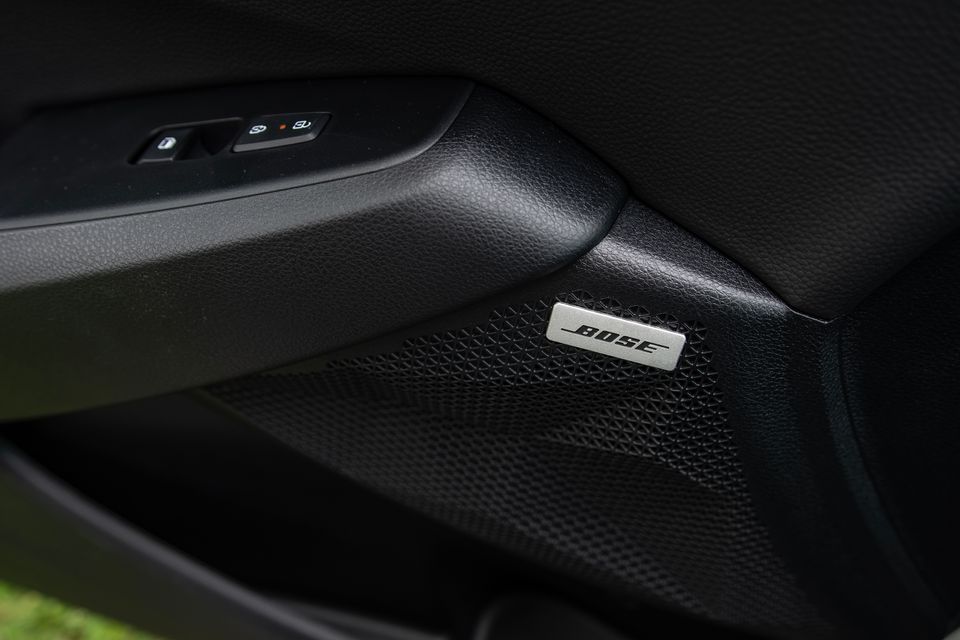
Key kit you’ll only find in this LTD grade includes a Bose sound system, heated and ventilated front seats, a flip-up head-up display, wireless device charger, and a power tailgate. That said, it’s not necessarily the spec I’d recommend. For reasons we’ll get into later, I think the LX Plus and EX represent the Seltos sweet spot.
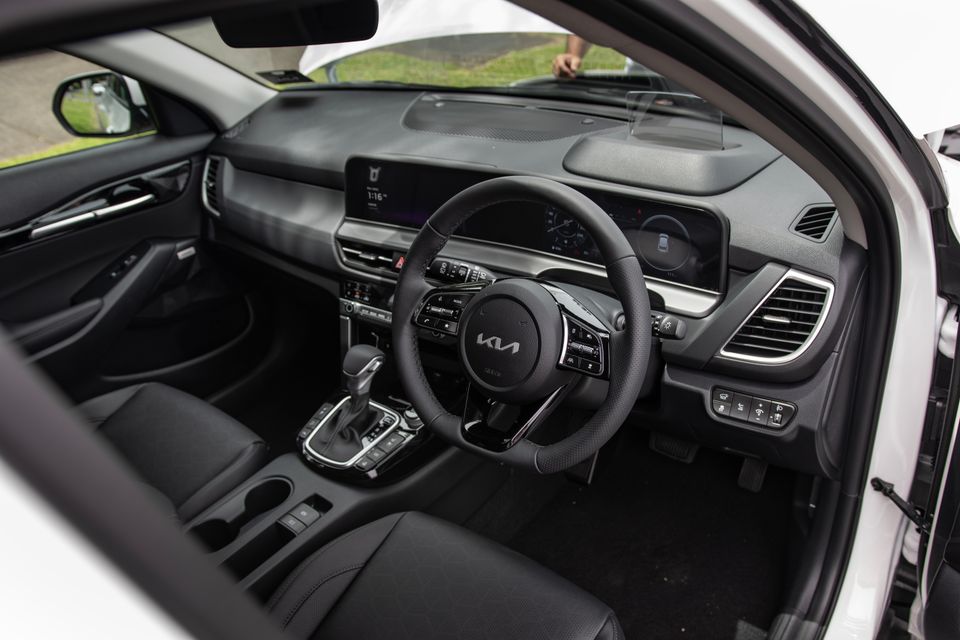
Build quality inside the Seltos is honest. There are a lot of hard plastic surfaces, but most of them are masked well with clever use of textures — particularly in this LTD. It all feels quite well put together, but I suspect a lot of customers who peek inside both one of these and an equivalent Tiggo 4 will say that the latter is more plush. That could be a worry for Kia down the road.
It might not be the most high-tech in its class, but the Seltos is still the market leader in a different area — an area arguably a lot more important in these small SUVs. And that’s boot space.
This LTD grade features an excellent 433-litre boot space with all five seats in place, and this expands to 1393-litres if you fold the seats down. There’s even more room in the base models, which boast 468-litres and 1428-litres with seats up and down. The reason for the discrepancy? The EX and LTD come with a full-size spare wheel … itself a bit of a rarity these days.
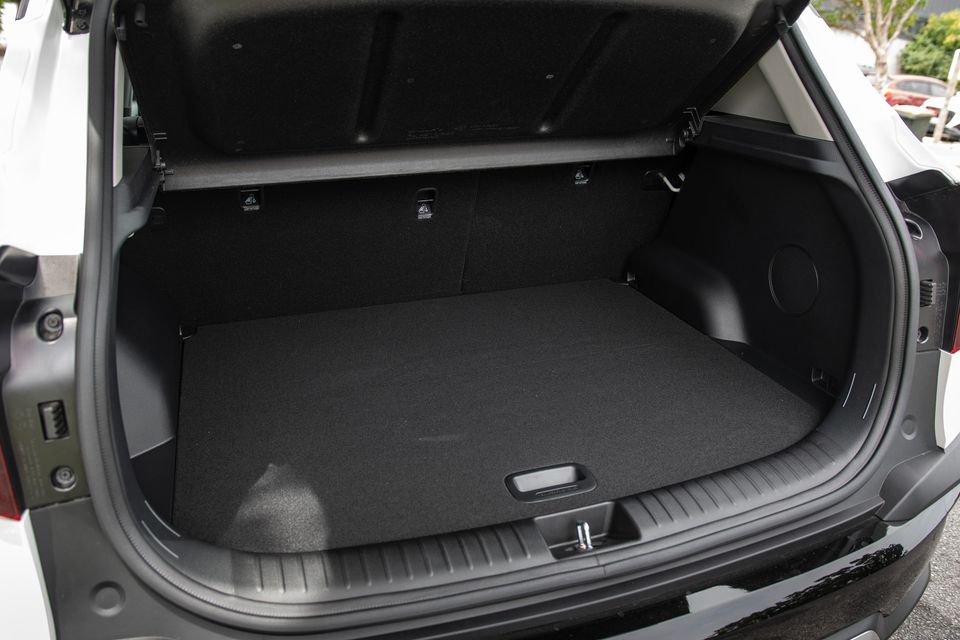
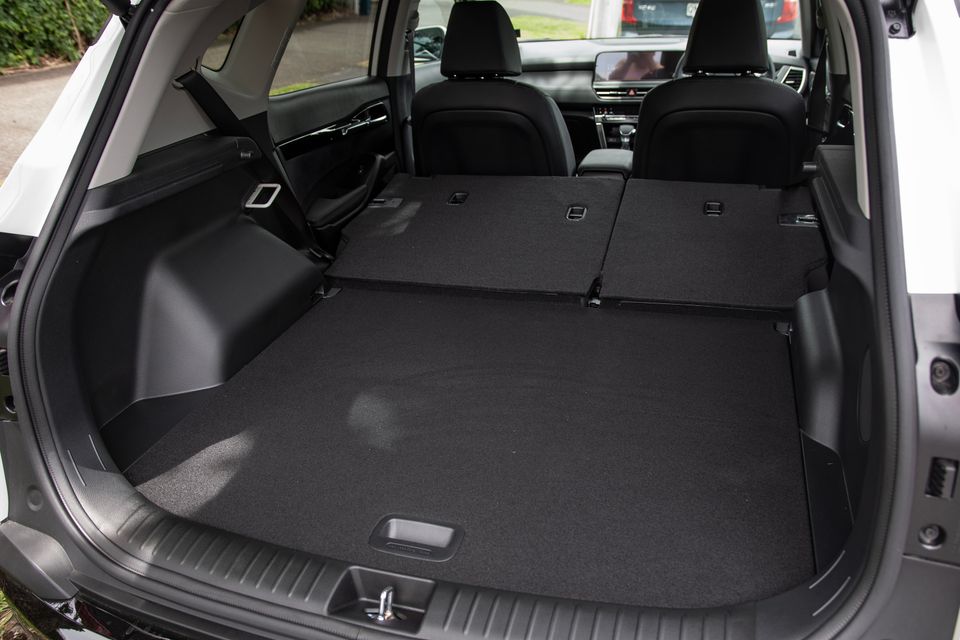
Sometimes a car’s on-paper boot space figures aren’t necessarily reflected in their real-world practicality, but that’s not the case here. The Seltos boot is positively enormous, especially if you make use of the (almost perfectly flat) full load area. In either mode, you get a boot that has in most cases around 100-litres more cargo space than its competitors, capable of upstaging even a few mid-size SUVs.
What’s under the bonnet?
Once offered with two different powertrains, the Seltos now features a much simplified range with just the single motor; a naturally aspirated 2.0-litre 4-cylinder petrol paired to a continuously variable transmission (CVT), sending 110kW of power and 180Nm of torque to the front wheels.
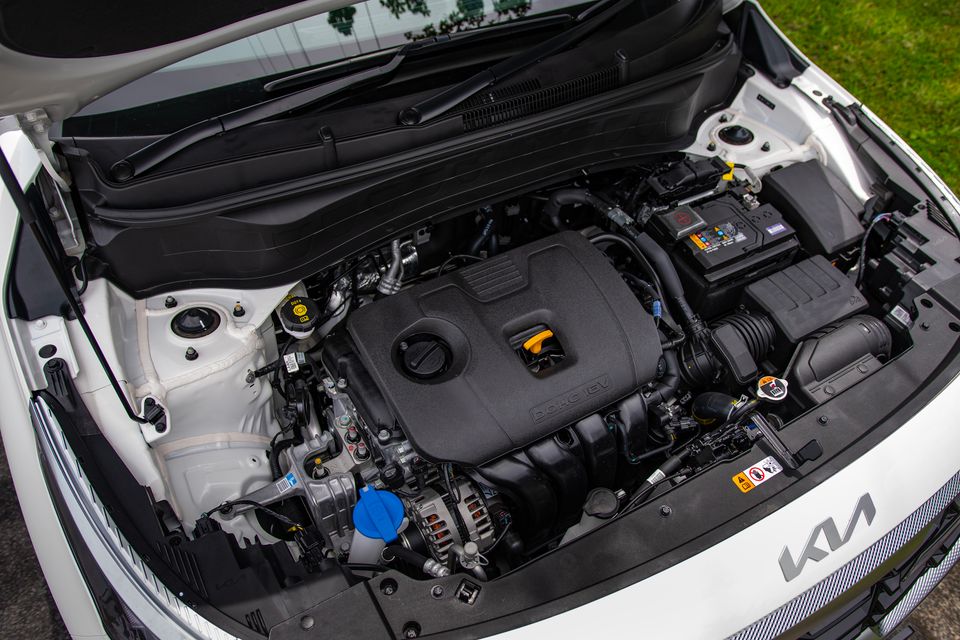
There isn’t a lot of trick or complexity to the 2.0-litre, but that’s not necessarily a bad thing. Of course, you don’t get any electrification. But, Kia boasts a credible 7.7L/100km claimed combined fuel economy rating. The brand’s CVT — which it refers to as an ‘Intelligent Variable Transmission’ IVT — is also widely considered to be one of the smoothest CVTs around.
How does the Kia Seltos drive?
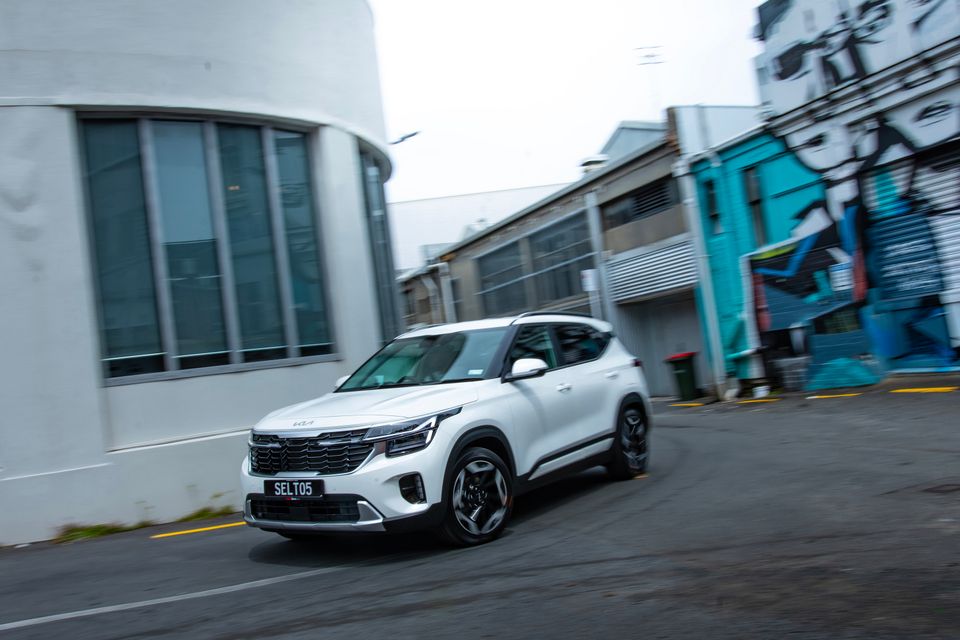
I said earlier that the Seltos is a market leader in one area, its boot space. Well, it might also have a rightful claim to another area, its handling and drive.
Most of the Seltos main competition have obvious shortcomings. The Mitsubishi ASX and Chery Tiggo 4 can get a little hairy in the bends if you dare to challenge them, and the Suzuki Fronx is glacially slow. This really only leaves the MG ZS, Mahindra 3XO, and ageing Mazda CX-3. The Mazda and this Kia are arguably the class of the field.
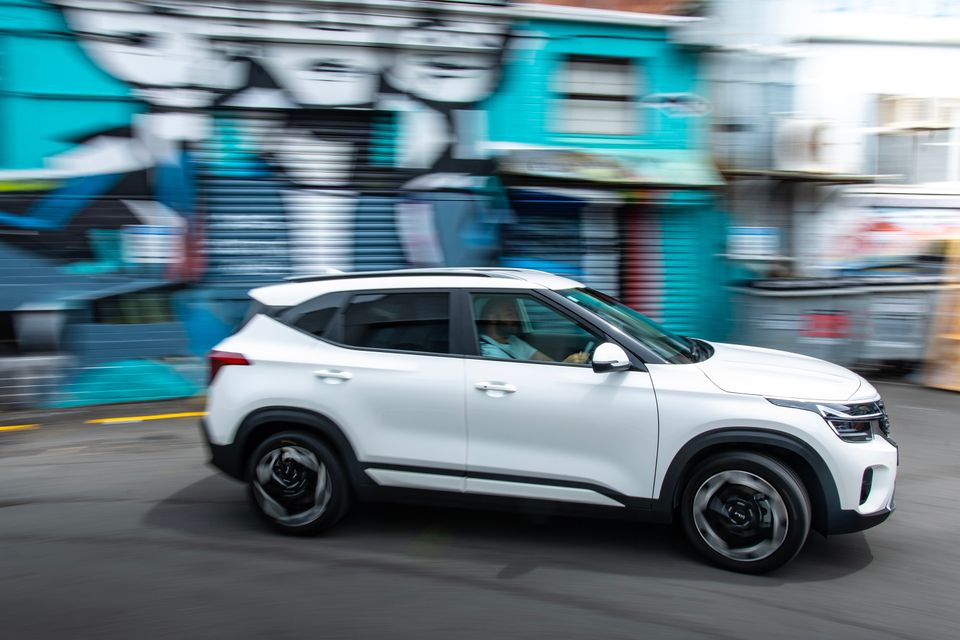
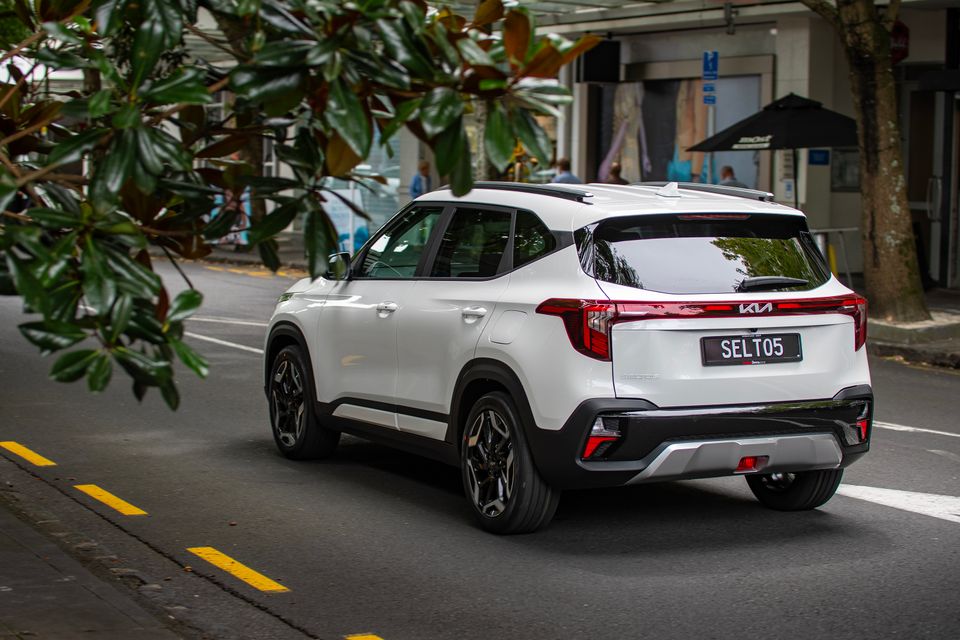
The Seltos’ main strength is its platform. I wouldn’t call it ‘sporty’, but it generates solid grip, has predictable and precise steering, and generates very little bodyroll. It does admittedly ride a little on the firm side, feeling especially busy when traversing broken pavement and speed bumps. On the open road it is more composed, often feeling a little bigger than its dimensions would suggest.
A bit like its platform, the Atkinson Cycle 2.0-litre isn’t all that rapid. But, it gets the job done. Paired to the competent CVT, it’s as zippy and quick-responding as it has to be in urban environments, with synthetic ‘steps’ that can be pretty useful if you’re commuting at motorway speeds. Need to pass a truck? Chop down a couple of faux gears, and you’re golden.
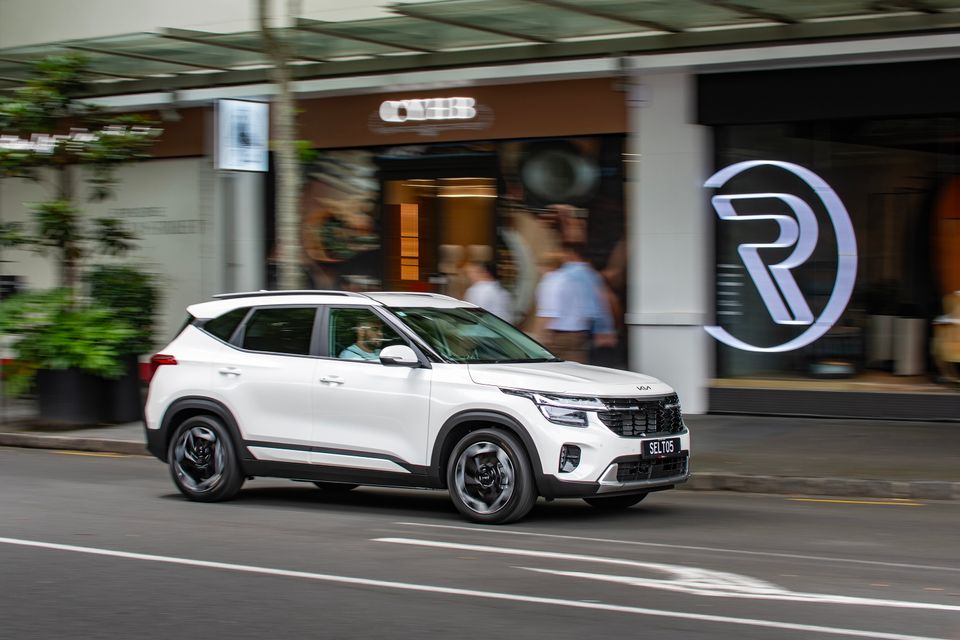
Better than its handling abilities is the Seltos’ fuel economy. Kia’s claimed 7.7L/100km is solid enough, but it doesn’t tell the full story. On multiple occasions now, I’ve been able to comfortably exceed the Korean marque’s claimed number. Mid-sixes are much more realistic, especially if your drive loop has a generous amount of motorway action.
Remember, because this is a pure petrol crossover as opposed to a hybrid or an EV, it will make its best returns during motorway runs with economy performance experiencing drop off in town. On the flip side, a hybrid or EV will do its best work in town, and start to chew up more resources on the motorway. Something to consider if you’re a fleet manager considering a Seltos, or indeed one of its rivals.
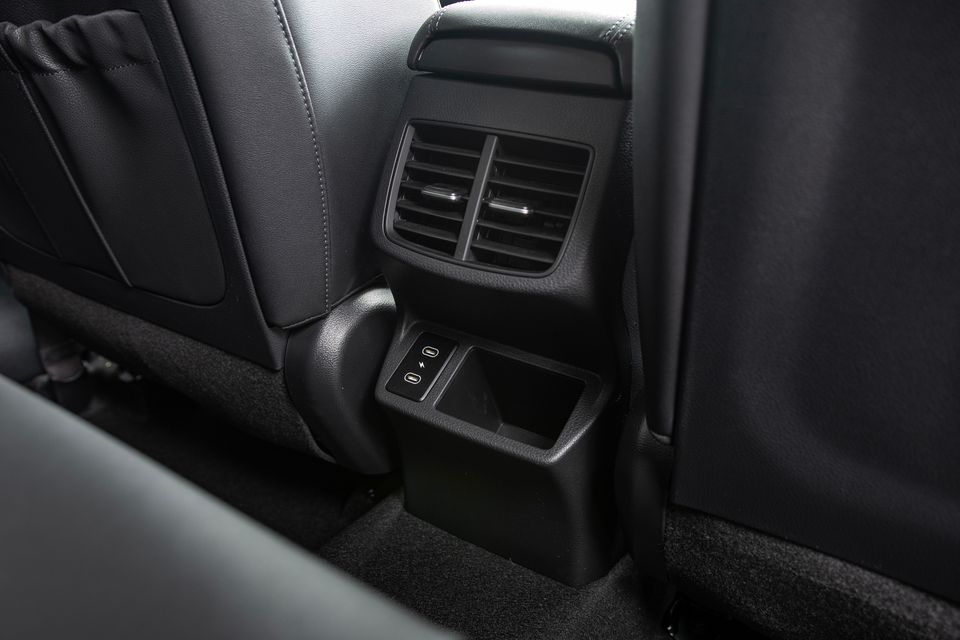
What do you get?
The Kia Seltos’ biggest weakness is arguably the way Kia has divvied up its features across the four-model line-up. Being a slightly older car, there are features exclusive to the Seltos’ higher trims that over time have become expected in base trims. These include things like adaptive cruise control, push-button start, LED headlights, and larger screens.
There’s also a few perplexing spec quirks, too. The huge boot is great, but you can only cover it up with a parcel shelf if you opt for the LTD. No wireless phone mirroring is a bit of a disappointment, too. It makes it a little difficult to recommend a particular variant to customers. The LTD we drove gets all the fruit, but is quite pricey. The LX Plus and EX are the easiest to point to, although both have equipment blind spots.
Kia Seltos LX equipment highlights:
Seltos LX Plus adds:
Seltos EX adds:
Seltos Limited adds:
CarExpert’s take on the Kia Seltos
It’s not perfect, but the Kia Seltos is — for now — the most recommendable all-rounder in the compact crossover segment.
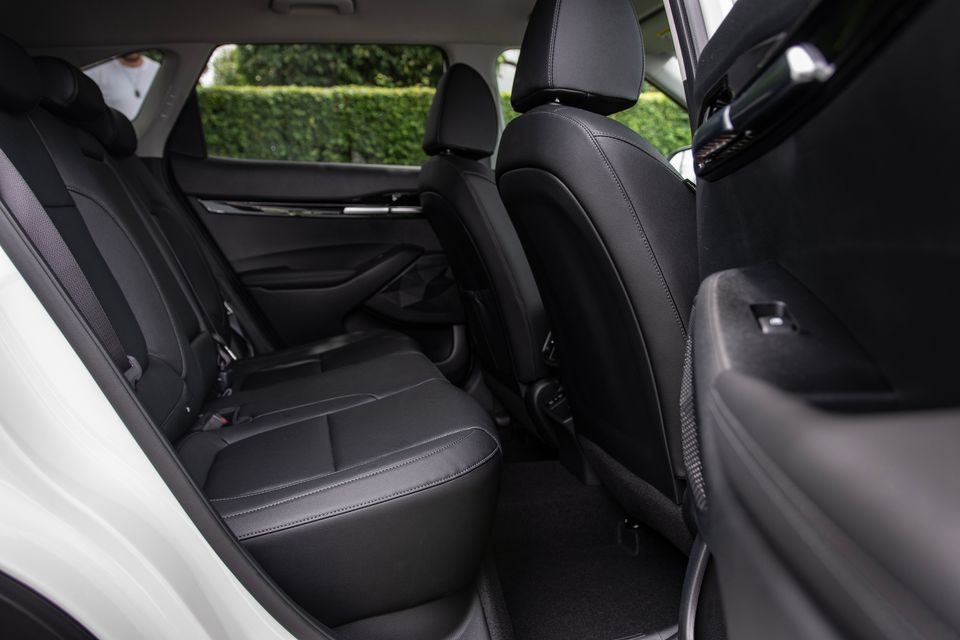
Its technology won’t wow you, but the Seltos nails the rest of the fundamentals that customers expect from a car of this price and size. Surprisingly generous boot space and rear-seat practicality, solid drive, and frugal fuel usage all mark this as an essential entry on anyone’s sub-$40k new-car shortlist.
A facelifted Seltos is imminent, and will hopefully cure some of the niggles of the current generation. But whilst we wait, the current Seltos is still well worth checking out.
Where expert car reviews meet expert car buying – CarExpert gives you trusted advice, personalised service and real savings on your next new car.
2025
$33,990
2025
$36,990
2025
$40,850
2025
$44,850
Matthew Hansen co-founded motorsport outlet Velocity News, worked as a freelance photographer for various race teams, and was a specialist journalist for NZ Autocar Magazine and Driven at the NZ Herald. Most recently, he was Editor of Motoring at Stuff.co.nz.
Add CarExpert as a Preferred Source on Google so your search results prioritise writing by actual experts, not AI.
Matthew Hansen
4 Days Ago


Dave Kavermann
6 Days Ago
Dave Kavermann
11 Days Ago

Matthew Hansen
11 Days Ago
Dave Kavermann
11 Days Ago
Dave Kavermann
13 Days Ago
Add CarExpert as a Preferred Source on Google so your search results prioritise writing by actual experts, not AI.
† Displayed prices exclude on-road costs such as delivery charges, registration fees, number plates, insurance and applicable road taxes. These prices are subject to change without notice and may not reflect current market pricing or dealer offers.
 Automotive Vehicle Spec Data & 4K images Powered by JATO Dynamics Ltd