

 Showroom
 Car Chooser
 Compare
 Car Specifications

Dave Kavermann
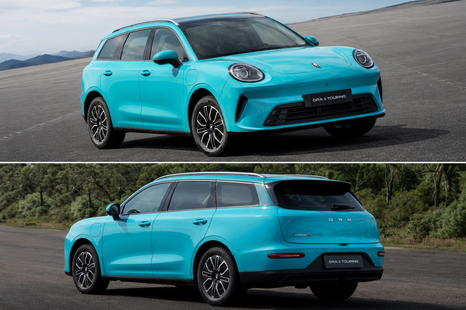
GWM to triple EV lineup with Ora 5 Touring and Jolion Max SUV
GWM's EV lineup in New Zealand is set to grow from one to three models, including a new station wagon and SUV.
2 Days Ago
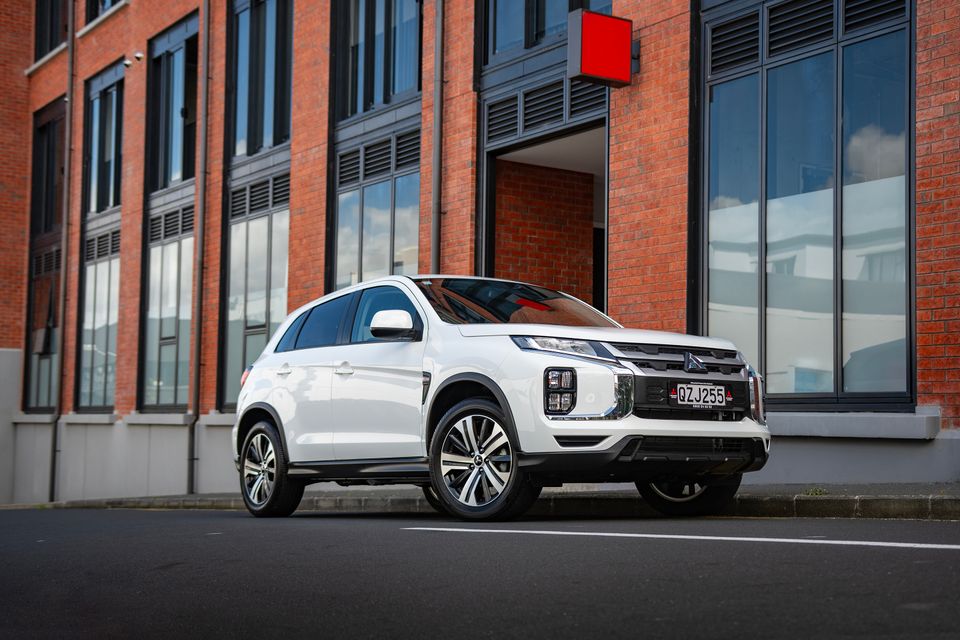
Mitsubishi's ancient ASX is still enormously popular. Is it a diamond in the rough, or worth steering clear of?
Where expert car reviews meet expert car buying – CarExpert gives you trusted advice, personalised service and real savings on your next new car.
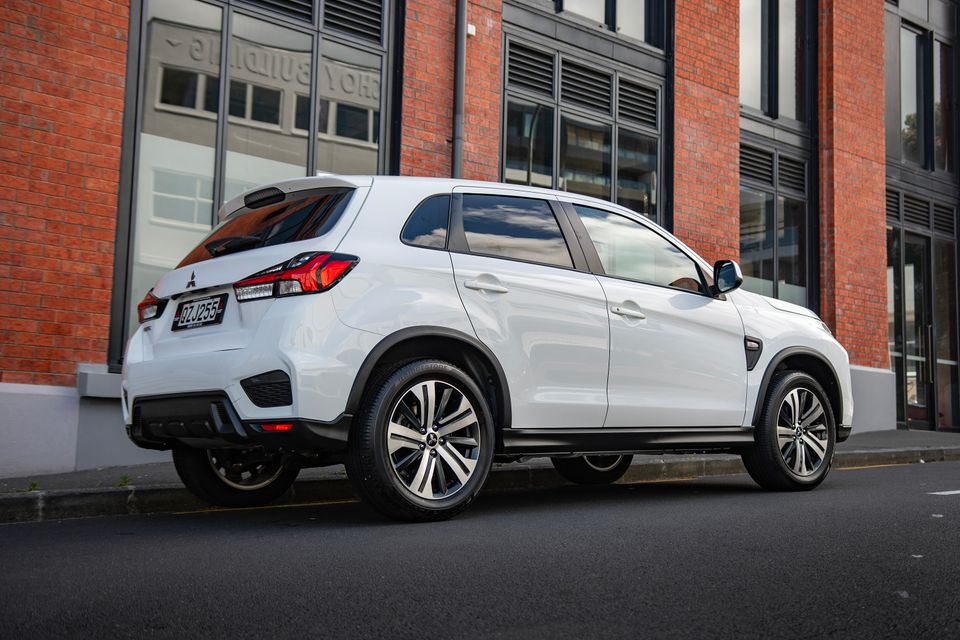
If it’s no frills motoring that you want, there isn’t a single car on the market that could out-seed Mitsubishi’s aged, eternal, and still stupendously popular ASX. Whilst Australia nixed this generation of ASX last year (replacing it with a rebadged Renault Captur), the original ASX is still on sale in New Zealand. Celebrating its 16th birthday in 2026, the ASX is as simple and basic as motoring gets.
Zimmer frame in hand, the ASX fended off its Kia Seltos, Toyota Yaris Cross, Suzuki Fronx, and MG ZS rivals to be New Zealand’s best-selling compact crossover last year. More notably, it was second only to the Toyota RAV4 in the passenger car charts, and ranked an impressive fourth overall.
All of which begs the question; why is it still so popular?
The ASX line-up has gone through plenty of changes over the years. These days however it’s fairly simple, with just three variants still standing.
Model | Price not including on-road costs |
|---|---|
Mitsubishi ASX LS 2.0-litre | $28,990 |
Mitsubishi ASX Black Edition 2.0-litre | $32,990 |
Mitsubishi ASX VRX Black Edition 2.0-litre | $36,990 |
We recently hopped aboard a base model ASX LS, which is priced from $28,990 plus on-road costs. All models are mechanically identical, meaning they share the same naturally aspirated 2.0-litre 4-cylinder petrol engine paired to front-wheel drive and a 6-step CVT. And as you might expect, there’s no fancy hybrid technology here to speak of … let alone any form of forced induction or all-wheel drive.
At retail price, the ASX holds its ground as a value proposition ... sort of. It undercuts the likes of the $33,990 Kia Seltos and $39,690 Toyota Yaris Cross, but it’s undercut by the more modern and tech-heavy $27,990 MG ZS Turbo. As more alternatives from China hit our shores, expect the ASX’s pricing to lose some of its competitive positioning.
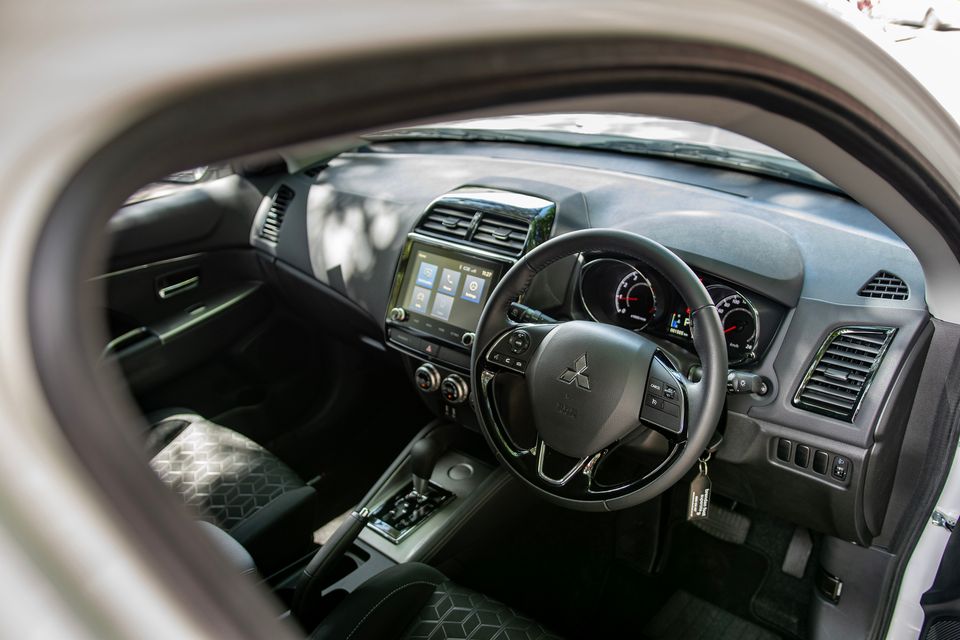
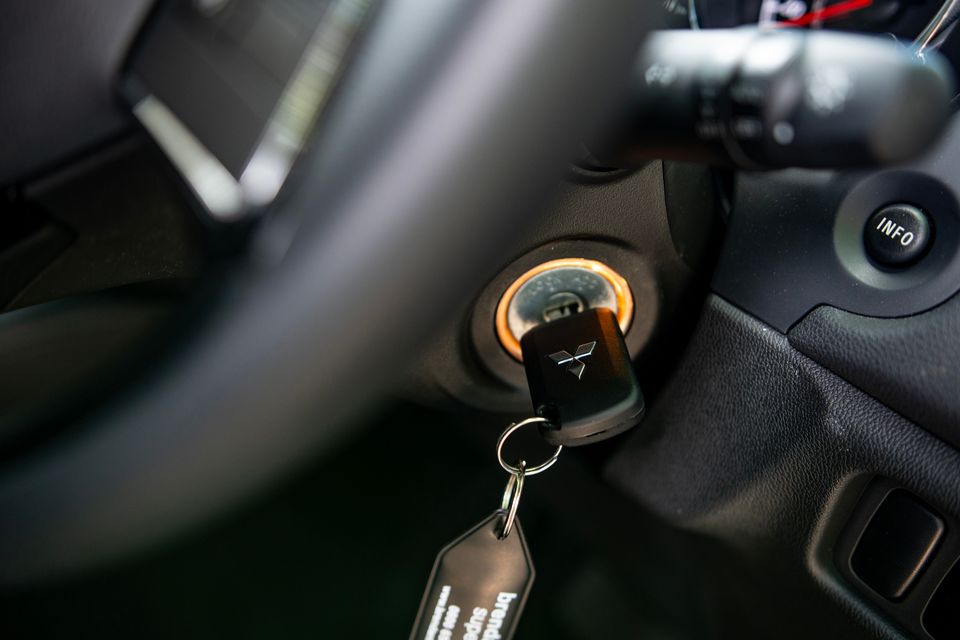
I’ll set the scene by saying this; when was the last time you hopped in a brand new car with a traditional key and ignition barrel?
Whilst the ASX has been updated numerous times, its most recent ‘major’ update came way back in 2018 and mostly amounted to a range of cosmetic changes and a larger touchscreen. And since then, it’s been crickets. As such you will not find any flash dual-screen set-up or minimalist dashboard.
Instead, the ASX appears mostly frozen in time inside. The core elements of the swoopy dashboard layout are essentially exactly what they were back in 2015, from the air vents and analogue cluster to the steering wheel and door cards. This will of course be music to the ears of anyone who’s intimidated by the big touchscreens and cumbersome menu structures of so many modern cars. But for everyone else, the ASX is likely to disappoint.
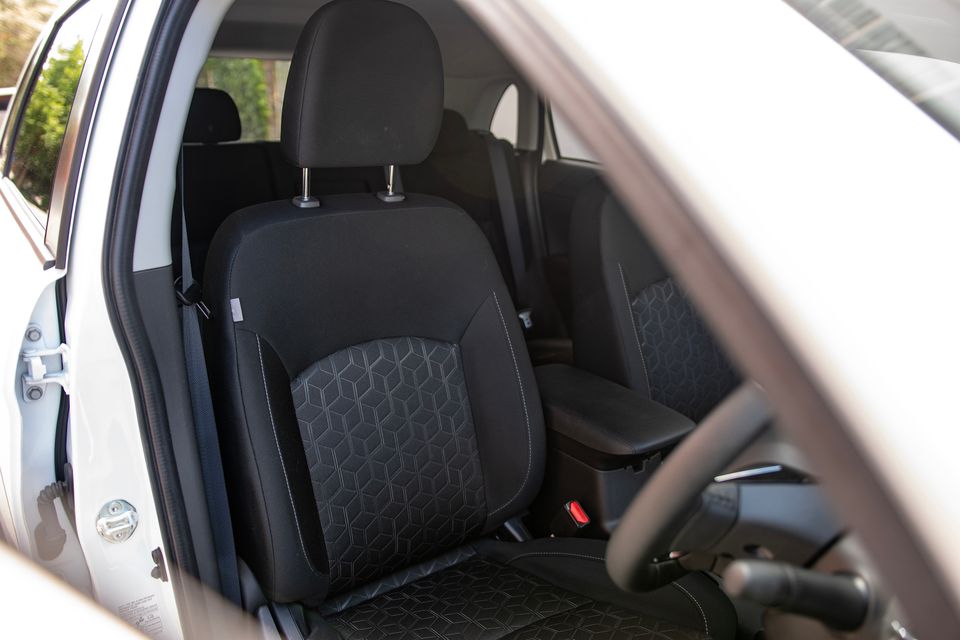
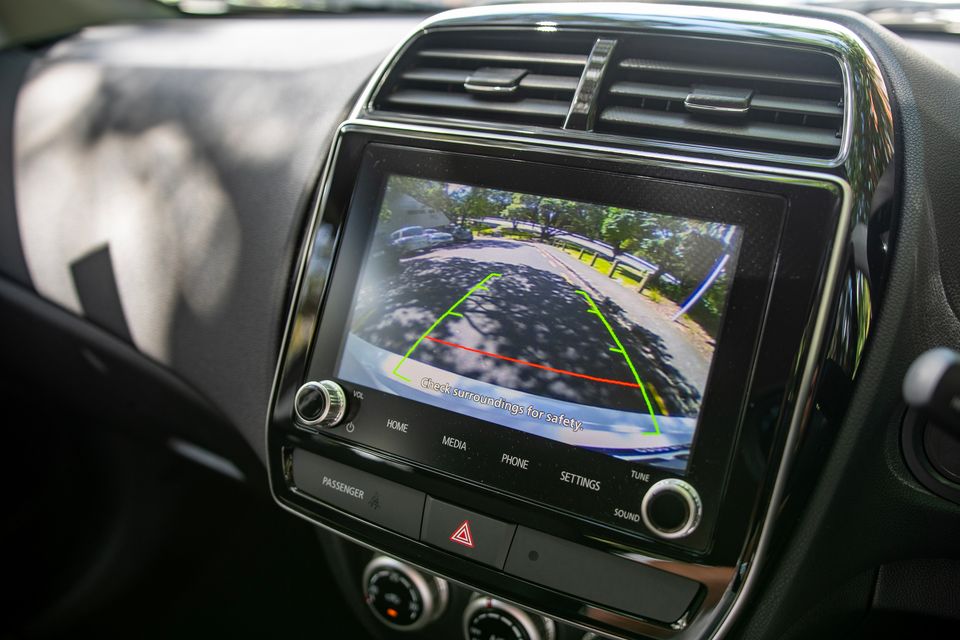
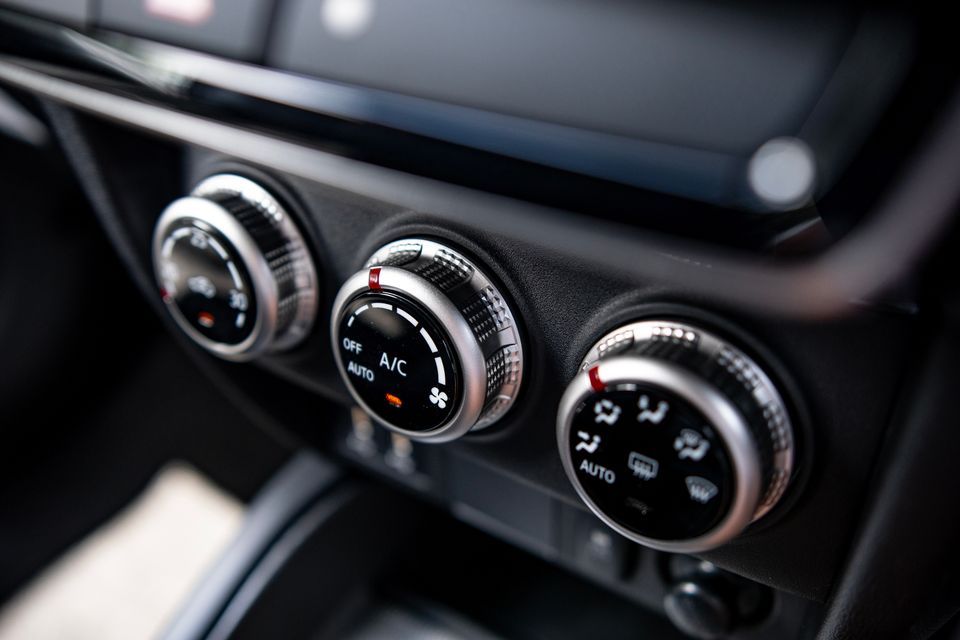
That’s not to say that there aren’t some creature comforts present inside. The 8.0-inch touchscreen performs reasonably well, and comes with a reverse camera (albeit one that isn’t particularly clear). There’s a small colour screen in the middle of the digital cluster, and you also get climate control.
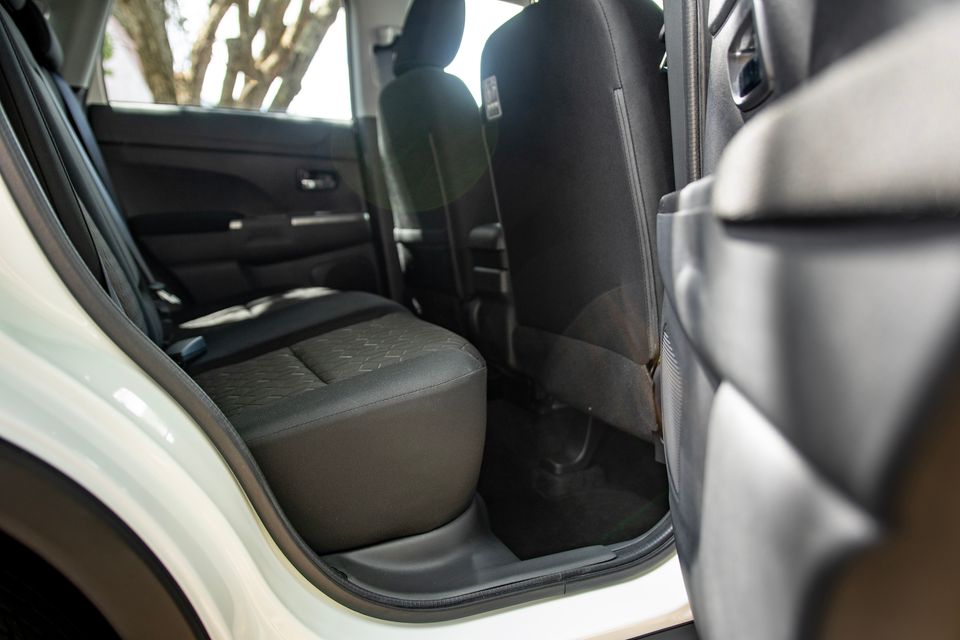
It’s worth acknowledging that the ASX is quite a big, spacious car inside. It will swallow up four adults at a canter, which isn’t always true for cars in this segment. Headroom and legroom in the rear is better than what you get from a Suzuki Fronx or Toyota Yaris Cross, but falls short of a Kia Seltos. There’s ISOFIX points and top tethers for child seats in the back, and the 393-litre boot area is perfectly functional. It also feels fairly well put together, and its gaping glasshouse means it’s very easy to see out of.
Still, it’s hard to ignore just how many features you don’t get in an ASX. The Apple CarPlay and Android Auto is only usable with a wired connection. The LS shown here comes with a traditional key, with push-button start only available in the Black Edition. There are only USB-A ports in the LS and Black Edition.
This lack in features is also evident in the ASX’s safety spec, with the likes of adaptive cruise control and driver monitoring not available in any spec. This LS variant skips a host of features standard on the other ASX flavours, including blind spot warning, autonomous emergency braking, lane departure warning, and rear cross-traffic alert. For what it’s worth, this generation of ASX was last crash tested by ANCAP back in 2014.
With how often it's emphasised that fleets want cars with current 5-star crash ratings, it’s fascinating seeing the ASX continue to be such a hit in that market.
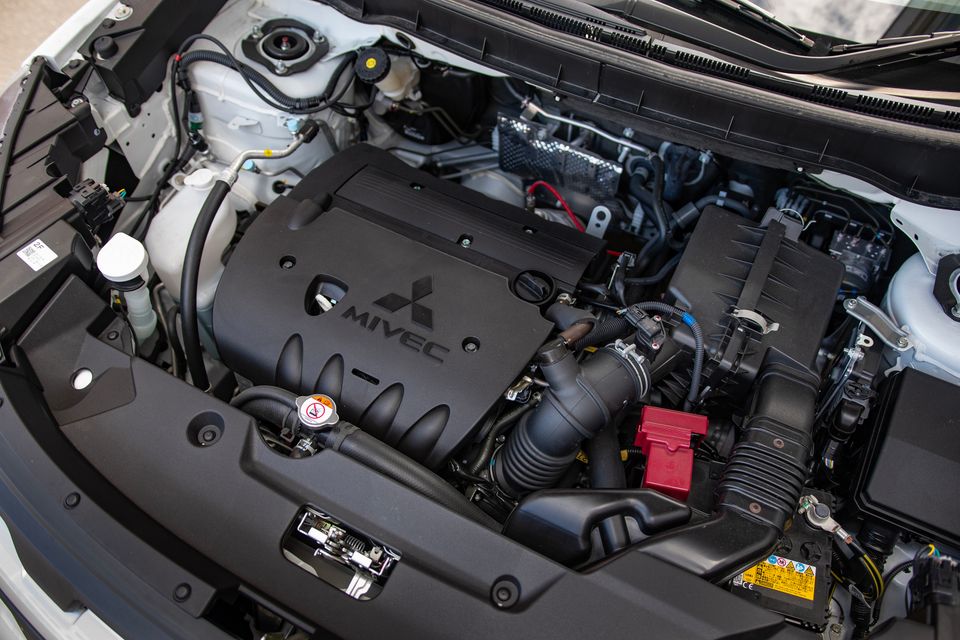
Once offered with multiple powertrains, the ASX now comes with just the one choice — a naturally aspirated 2.0-litre 4-cylinder petrol engine developing 112kW of power and 200Nm of torque. It comes paired to a CVT, which gains a 6-step paddle shift system if you opt for the flagship VRX grade (the VRX previously got a 2.4-litre, too).
As you’d expect, this ASX’s 2.0-litre isn’t particularly sophisticated. In some respects, this is a clear plus. It runs happily on 91-octane fuel unlike some of its crossover peers, and you get an old-school handbrake lever.
The trade-off of not having any kind of electrification is fuel economy. The ASX’s official 8.5L/100km number would have been fair for a car of this size a decade ago, but is ropey by today’s standards. The pure petrol MG ZS claims 6.9L/100km, whilst the hybrid lowers that marker to just 4.7L/100km.
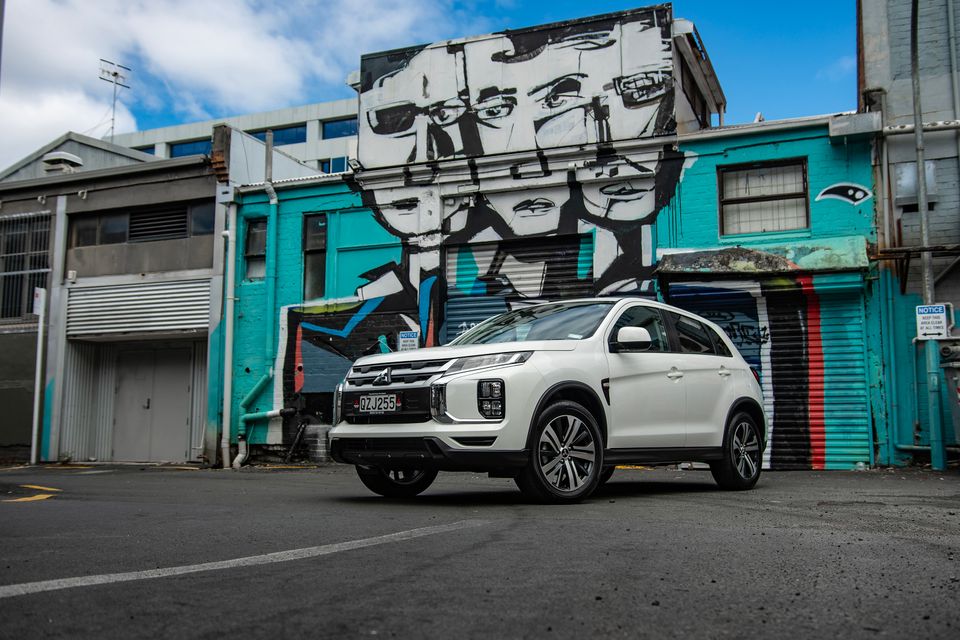
Let’s kick things off with the good. The ASX’s no-frills approach to driving means it is dead easy to haul around town. No ADAS systems beeping at you if you dare avert your eyes from the windscreen, very little unwanted intervention from the lane-keep assistance, and the airy cabin makes parallel parking a breeze.
The 2.0-litre powertrain is also as potent as you could need from a crossover like this. Granted, its early era CVT often lends itself to feeling a little strained under power. It nevertheless provides solid performance chops whether you’re zipping through town or hurtling to 100kph on a motorway onramp. Putting it in plain English, though, the ASX’s powertrain isn’t quick. The Seltos and ZS offer quite a bit more pop, particularly if you go with the ZS Turbo.
But, the 2.0 does what is expected of it and fits the brief of the car nicely. In addition to that, the ASX is fairly comfortable, too. Its damping (Macpherson struts up front, multi-link in the rear) deals reasonably well with potholes and surface changes.
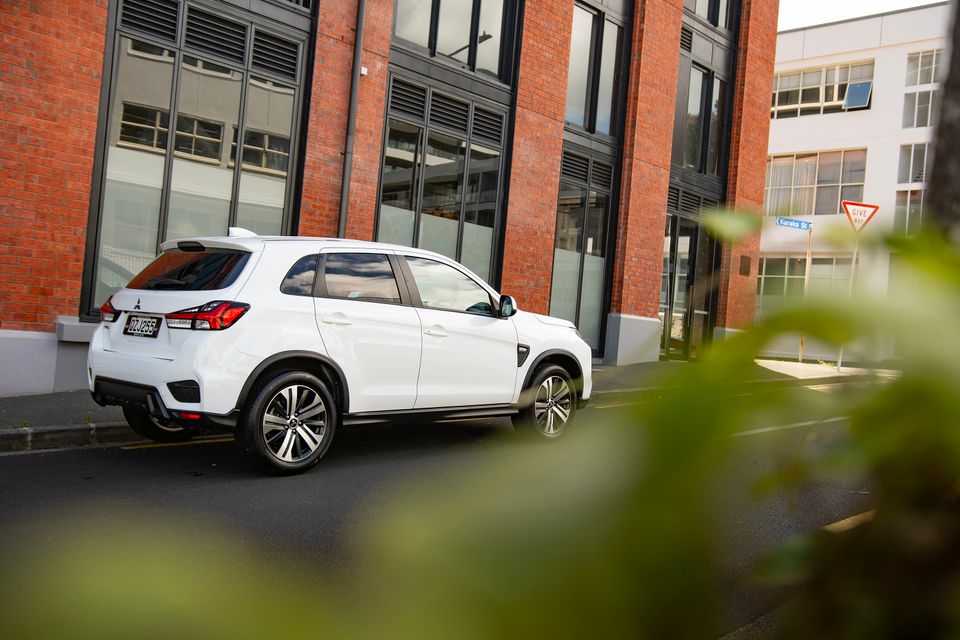
So the ASX propels itself along quickly enough and rides bumps well, but there are other elements that square the ledger. Although it offers strong enough punch, the 2.0-litre is thirsty. As we mentioned earlier, Mitsubishi claims 8.5L/100km. In our time with it, the 2.0 hovered just above 9.0L/100km.
Then there’s the ASX’s handling overall. It might ride bumps fairly well, but in the corners it perhaps unsurprisingly struggles. There’s something disjointed and awkward about how the ASX feels when you send it into a corner quickly. Its steering in particular feels quite antiquated and difficult to be precise with. What magnifies this issue is that the vast bulk of its rivals are much sharper steers.
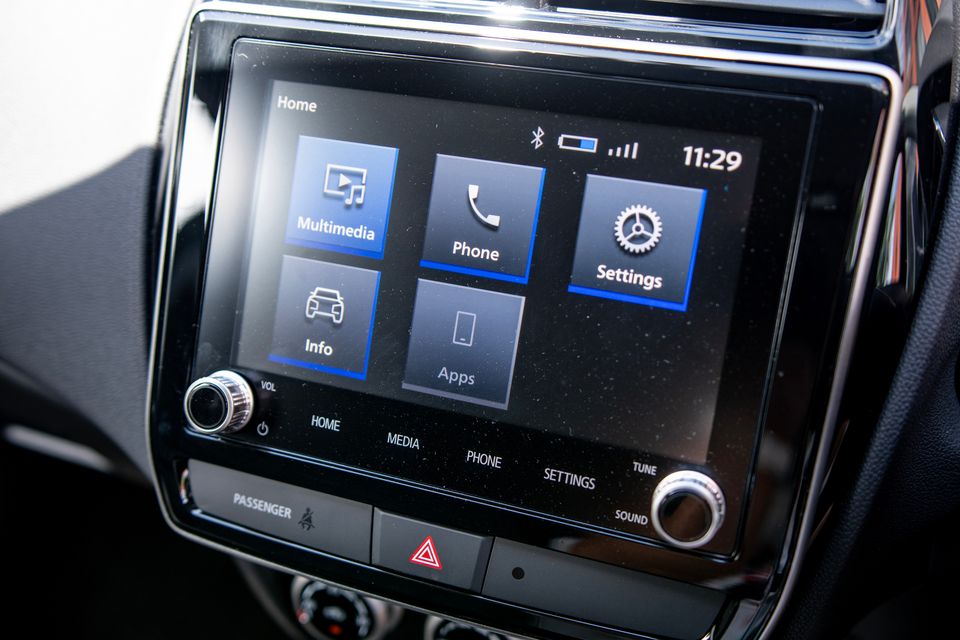
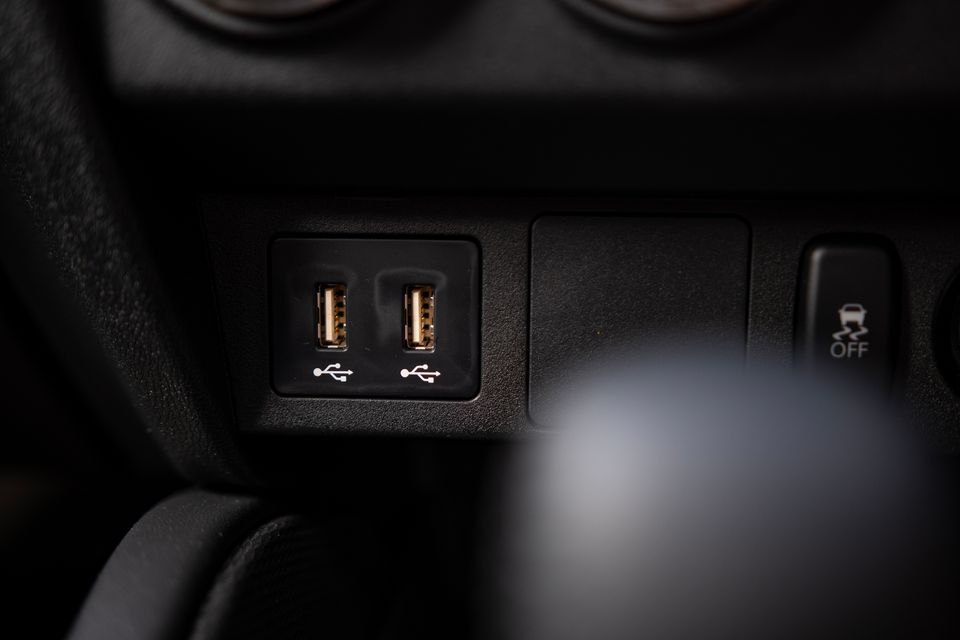
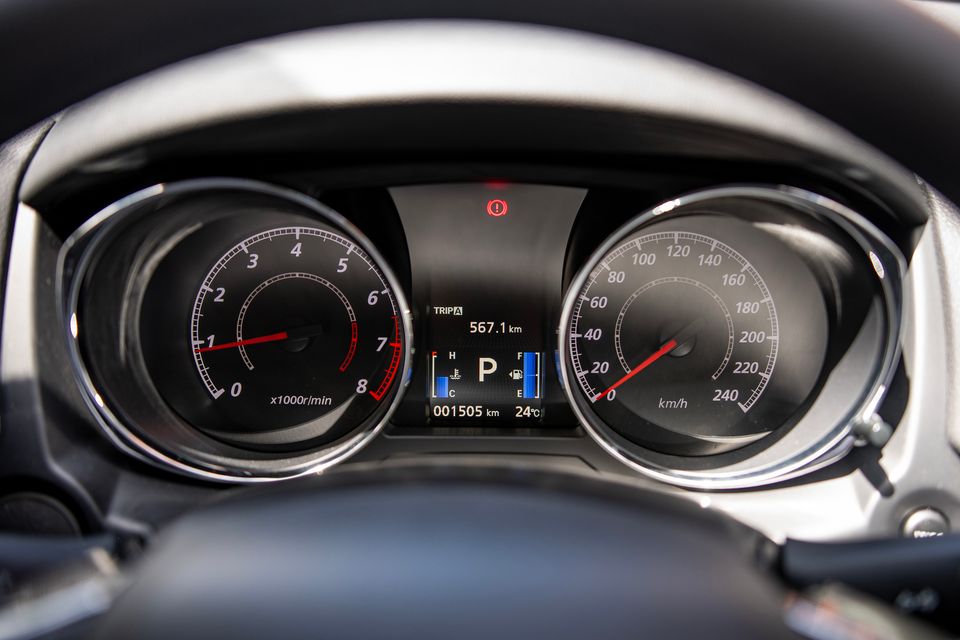
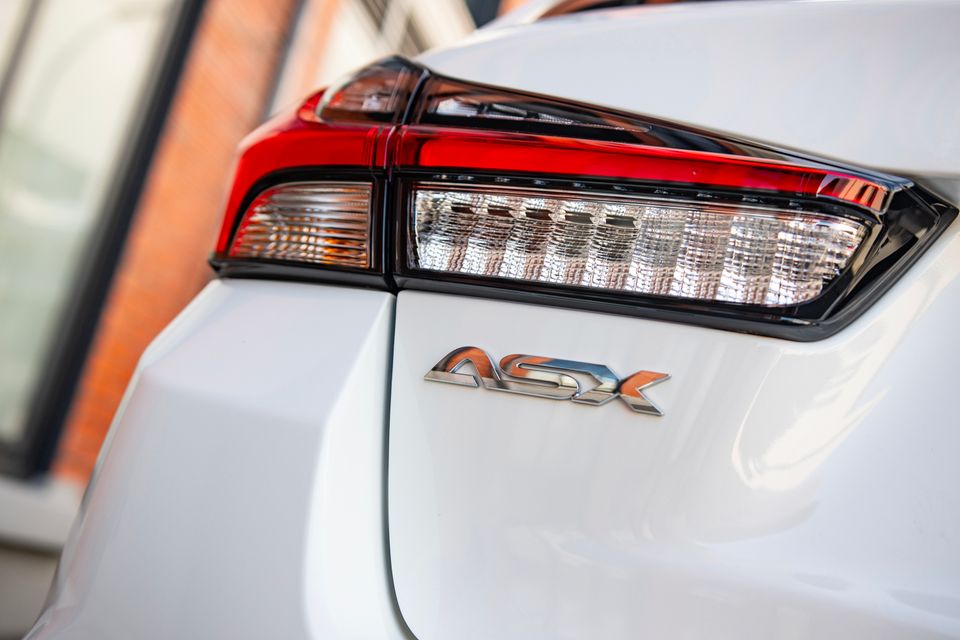
Having not been updated in quite some time, the ASX’s equipment list is inevitably lacking relative to its peers. What perhaps stands out more than that, though, is the amount of kit stripped out of the entry-level LS grade.
2026 Mitsubishi ASX LS equipment highlights:
ASX Black Edition adds:
ASX VRX Black Edition adds:
The Mitsubishi ASX is a stalwart and a trooper within the New Zealand motoring landscape, and it makes some sense. Mitsubishi’s cheapest crossover is like McDonald’s. It may not be the most gourmet or delicious burger out there, but it’s incredibly consistent and dependable.
That said, I find it hard to recommend the ASX — to fleet buyers and private customers alike. It is an ageing product in a segment that is gaining more competition by the day. The Chery Tiggo 4 is a little smaller, but could be seen as a direct competitor, has a current 5-star ANCAP rating, packs much more equipment, and is available as a hybrid. The Suzuki Fronx arrived here last year. And Kia’s new Stonic, which has just landed.
The local future for the ASX remains unclear. We expect that New Zealand will not be taking the Renault-based replacement offered in Australia, instead grabbing something from Mitsubishi’s pool of Asia-exclusive models, like the handsome looking Xforce. For now, though Mitsubishi finds itself in a good position, offering a model that some way, somehow, remains enormously popular.
Where expert car reviews meet expert car buying – CarExpert gives you trusted advice, personalised service and real savings on your next new car.
2024
$38,190
2024
$39,990
2024
$42,090
Matthew Hansen co-founded motorsport outlet Velocity News, worked as a freelance photographer for various race teams, and was a specialist journalist for NZ Autocar Magazine and Driven at the NZ Herald. Most recently, he was Editor of Motoring at Stuff.co.nz.
Add CarExpert as a Preferred Source on Google so your search results prioritise writing by actual experts, not AI.
Dave Kavermann
2 Days Ago

Matthew Hansen
2 Days Ago
Matthew Hansen
2 Days Ago

CarExpert
2 Days Ago
Matthew Hansen
2 Days Ago
Matthew Hansen
3 Days Ago
Add CarExpert as a Preferred Source on Google so your search results prioritise writing by actual experts, not AI.
† Displayed prices exclude on-road costs such as delivery charges, registration fees, number plates, insurance and applicable road taxes. These prices are subject to change without notice and may not reflect current market pricing or dealer offers.
 Automotive Vehicle Spec Data & 4K images Powered by JATO Dynamics Ltd