

 Showroom
 Car Chooser
 Compare
 Car Specifications

CarExpert
CarExpert Choice Awards: Best Luxury Small Car
This Choice Awards category recognises premium small cars that offer the perfect blend of city-friendly size and luxury refinement and appointments.
3 Days Ago
Suzuki's first electric car finally touches down in New Zealand, and we've driven it.
Where expert car reviews meet expert car buying – CarExpert gives you trusted advice, personalised service and real savings on your next new car.
The arrival of New Zealand’s first grey-market fully electric Nissan Leafs, BMW’s efforts in bringing over the ahead-of-its-time i3, those goofy little egg-shaped Mitsubishi i-MiEVs. Electric cars have existed on Kiwi roads for quite some time. These days there are few hold-outs when it comes to brands that don’t yet sell some kind of electric car.
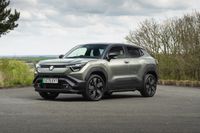
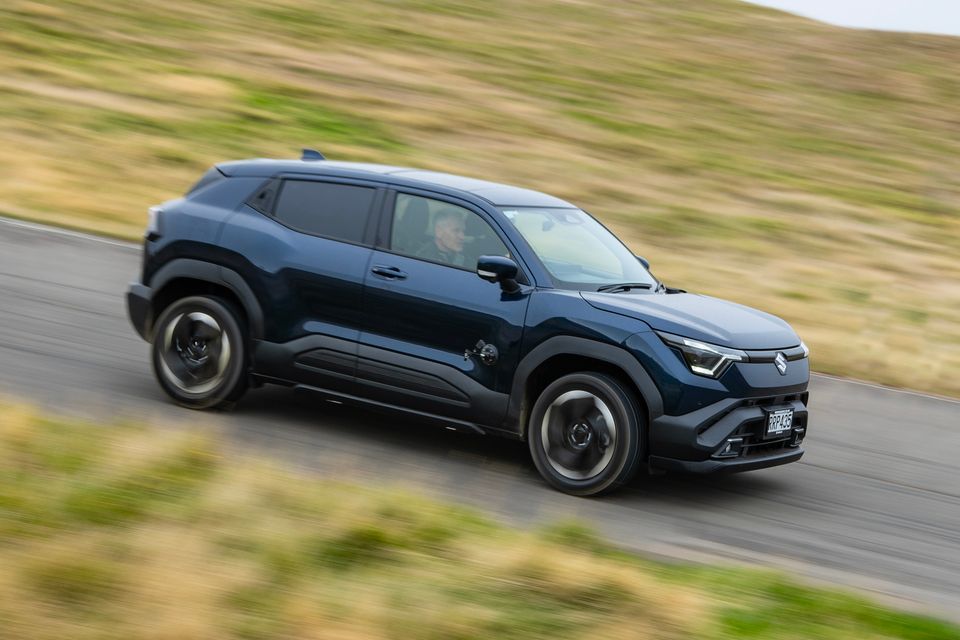
One such hold-out finally pops its EV cherry next month. After years of waiting, Suzuki’s new fully electric e Vitara has finally arrived in the country, and it goes on sale next month.
The e Vitara is a car with a colourful background. Toyota played a significant role in its development, and sells a version of the compact crossover in other markets under the Urban Cruiser nameplate. The battery is a 61kWh Blade unit sourced from BYD. And like the Suzuki Fronx, the e Vitara is built in India.
This week, CarExpert was invited to Wellington to have a first fling around in the new e Vitara. How does it stack up against a swathe of similarly sized rivals from China?
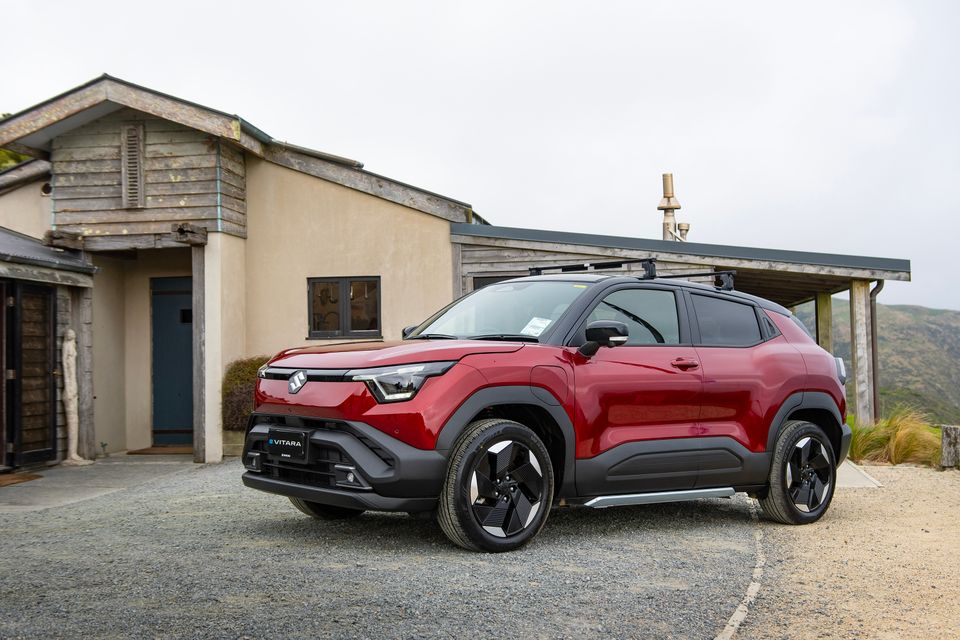
The e Vitara enters amid quite a bit of upheaval within the Suzuki line-up. It essentially replaces the outgoing petrol-fuelled Vitara, which is currently in runout. Suzuki is also currently winding down its sales of the diminutive Ignis and the third-generation Swift.
There’s also plenty going on in the EV segment the e Vitara aims to conquer. In no particular order the BYD Atto 2, Kia EV3, MGS5, Skoda Elroq, Geely EX5, Dongfeng Vigo, Jaecoo J5, Leapmotor B10, GAC Aion, and Zeekr X have all been launched in the last 18 months or so, meaning the e Vitara is up against it if it wants to stand out.
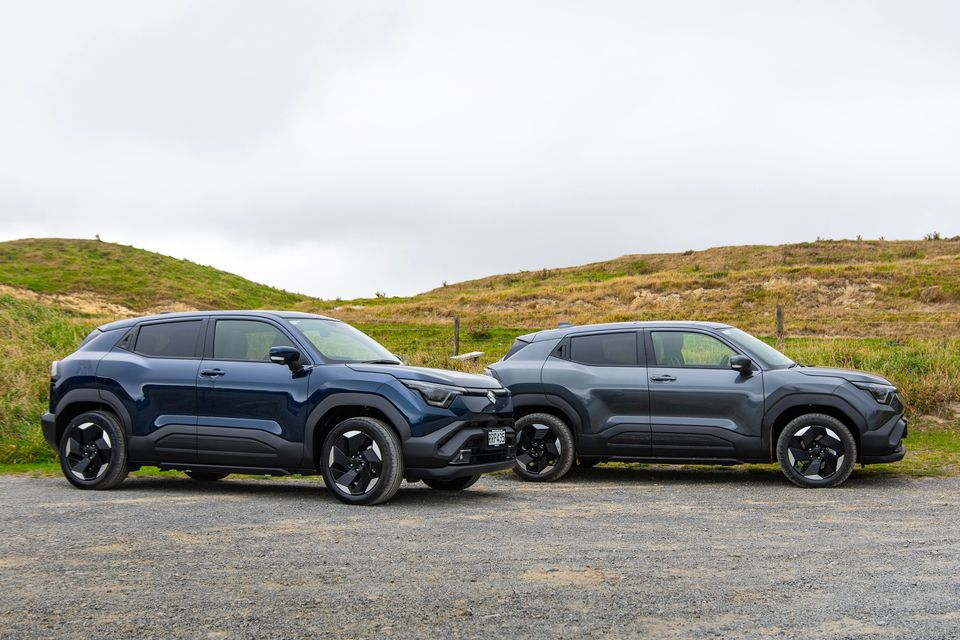
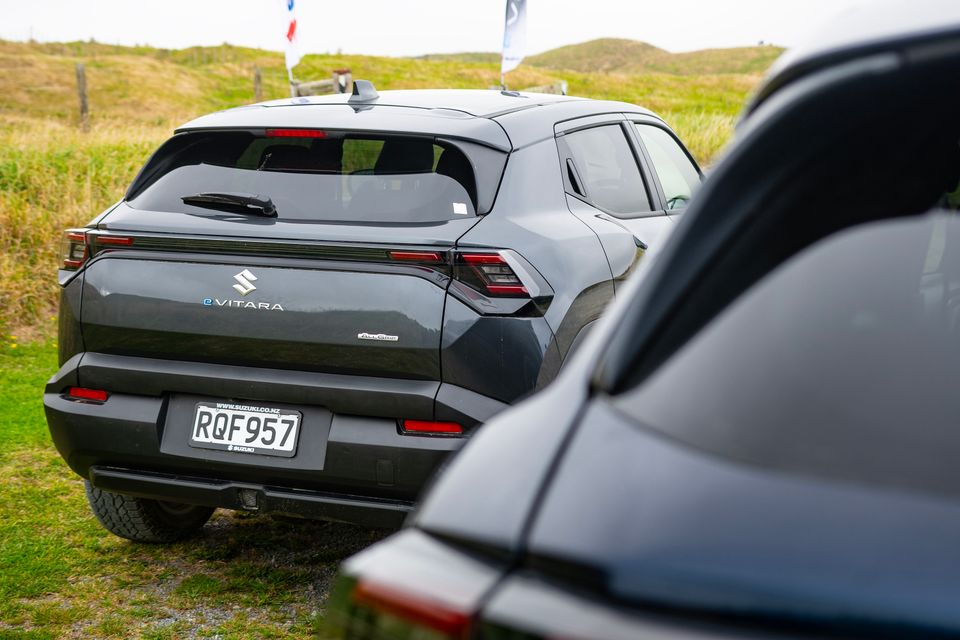
In its favour, it wears a couple of pretty notable badges. Suzuki remains one of New Zealand’s most trusted car brands, with huge amounts of customer retention. And Vitara is one of its longest serving nameplates. The model’s Toyota and BYD associations probably don’t hurt it, either.
Suzuki is launching the model here in a single untitled specification, sold in either front-wheel drive or all-wheel drive. Pricing technically begins at $56,990 for the former, and $64,990 for the latter, but Suzuki is temporarily knocking $2000 of both prices as part of an introductory offer. There isn’t much in the way of optional extras, barring $1000 for metallic paint.
Model | Price before ORC | Introductory price before ORC |
|---|---|---|
Suzuki e Vitara 2WD 61kWh | $56,990 | $54,990 |
Suzuki e Vitara AllGrip-e AWD 61kWh | $64,990 | $62,990 |
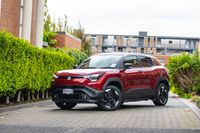
That pricing stacks up well with the car I would consider its closest rival, the $56,990 Kia EV3. The Kia has considerably longer range capabilities if you opt for the larger battery variants, but doesn’t get the e Vitara’s all-wheel drive option. In fact, AWD is fairly rare period within the entry-level EV segment.
On the flipside, there are plenty of rivals in this size bracket that are quite a bit cheaper. The $39,990 BYD Atto 2, $44,990 MGS5, and $49,990 Geely EX5 in particular spring to mind.
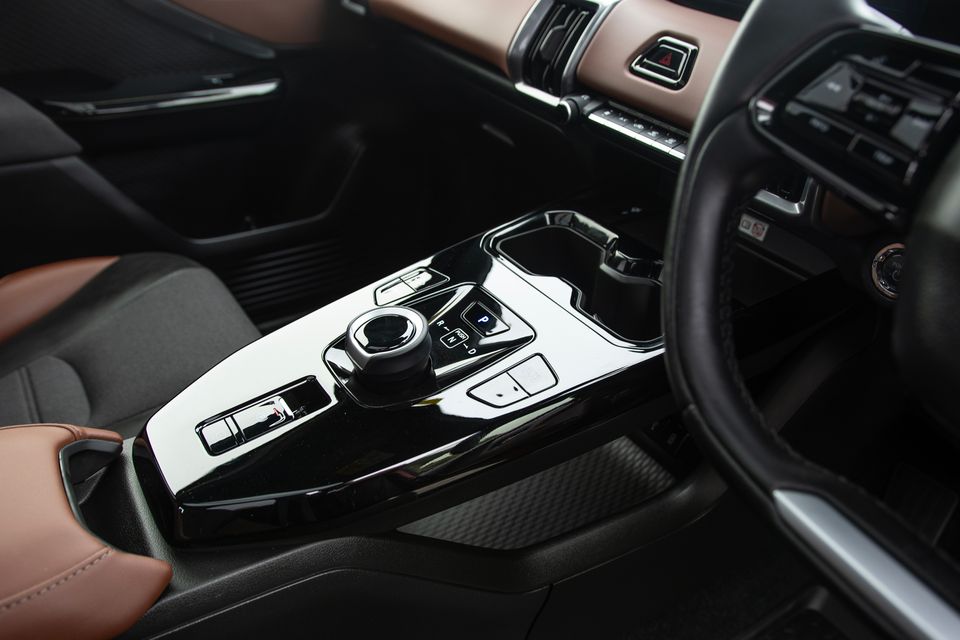
The e Vitara’s interior spec carries the same interesting brown-over-black colour combination as the Fronx, but is executed to a slightly higher standard. In traditional Suzuki fashion there are plenty of hardy plastics everywhere barring the soft-touch brown panel that spans the dashboard.
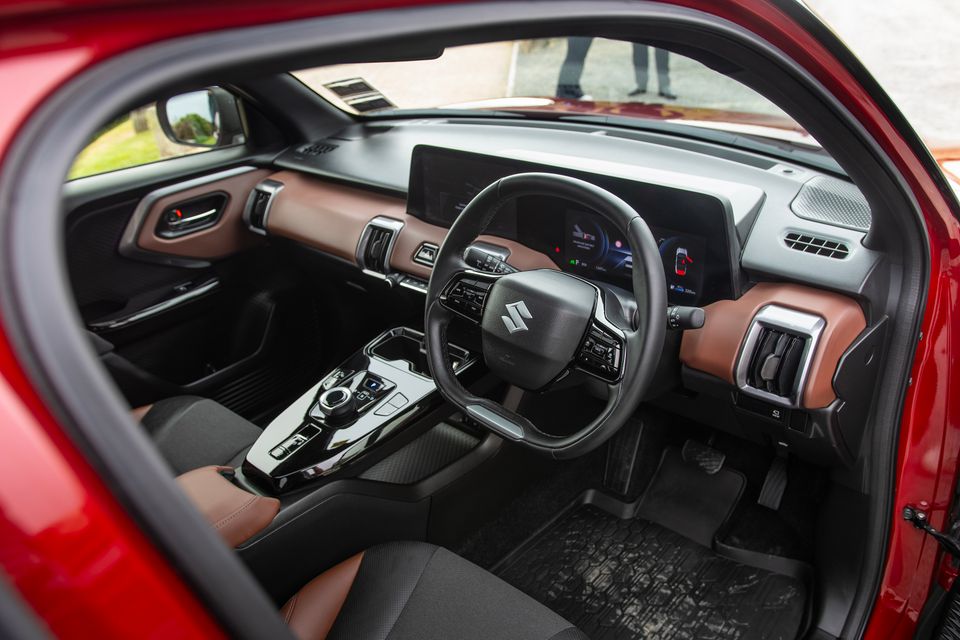
The Japanese brand is of course well known for interiors that are built to cope with plenty of abuse. And those hopping out of a Swift or an S-Cross will be impressed by what is likely Suzuki’s nicest cabin to date. But, at the e Vitara’s 60 grand price point I suspect some will be disappointed in the lack of more plush materials, particularly on the tops of the door cards.
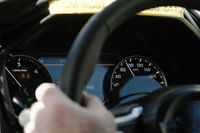
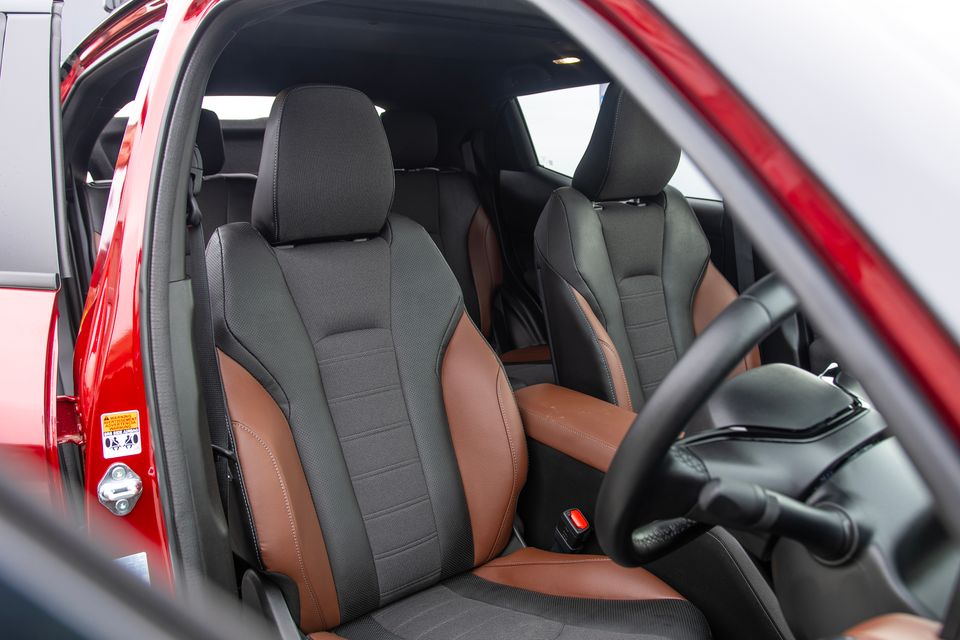
Dual screens sit on top of the dashboard; a 10.25-inch digital cluster and 10.1-inch touchscreen. Wireless Android Auto/Apple CarPlay, ambient lighting, adaptive matrix LED headlights, and an Infinity sound system are all included. The seats are fabric with faux-leather appointments, and are heated up front (the driver’s seat also gets power adjustment).
Those who’ve been tracking Suzuki’s recent safety woes with the Swift and the Fronx will be relieved to know that the e Vitara boasts a fair 4 star Euro NCAP safety rating, which the brand expects to be transferred over by ANCAP. Adaptive cruise control, a 360-degree camera, blind-spot monitoring, and AEB all feature in the Suzuki’s safety suite.
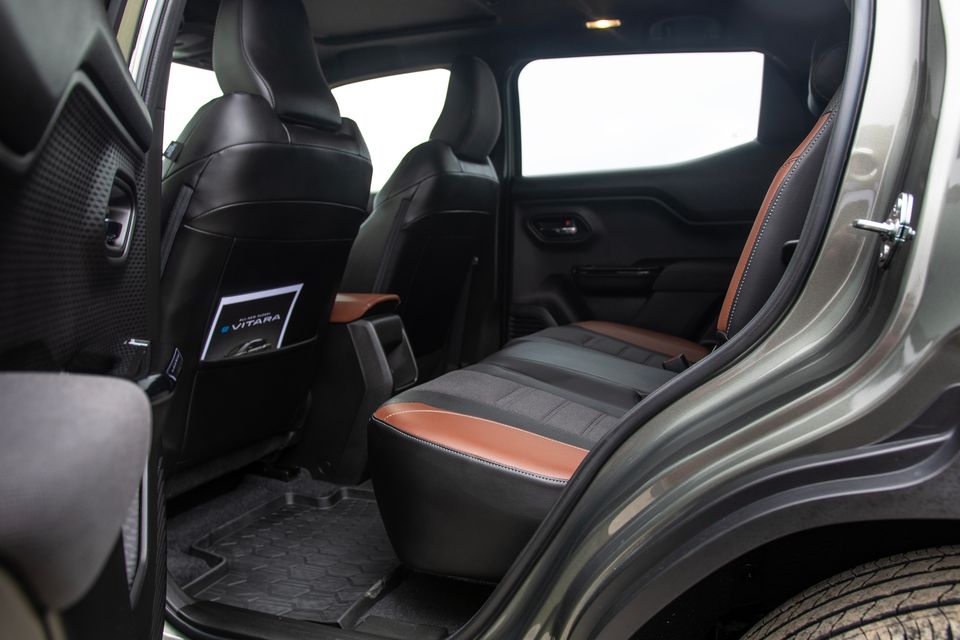
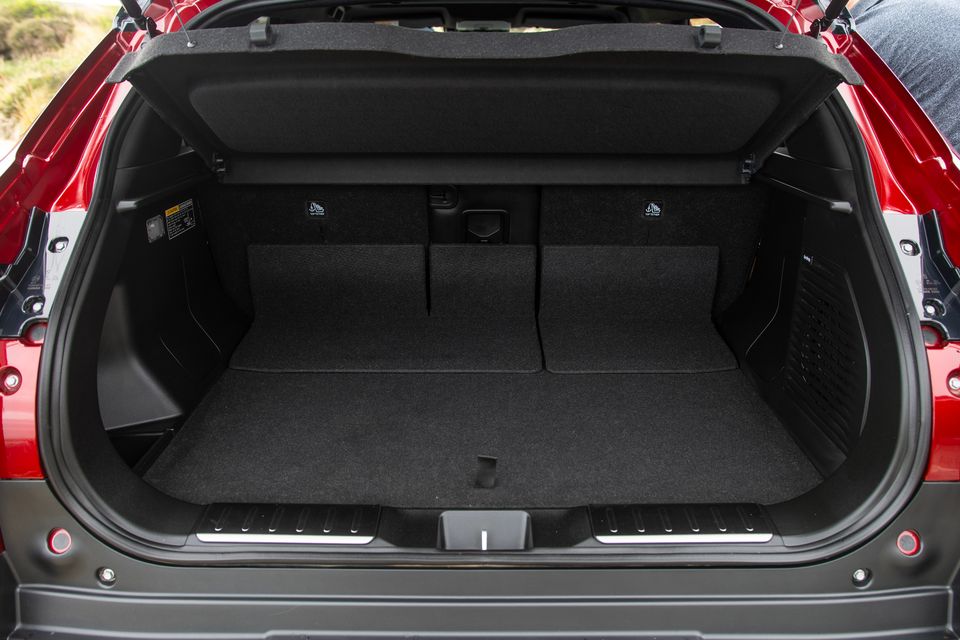
Space inside feels ample, with the back seat being especially noteworthy for its considerable head and legroom. Some of this space comes from the e Vitara’s considerable 2700mm wheelbase. The trade-off is boot space, where the e Vitara offers a ‘fine’ 310-litres (562-litres with the seats folded flat) — well short of a Kia EV3’s 460-litres.
Well, you don’t get a frunk. Instead there’s a network of wires and components relating to the e-Vitara’s front-mounted motor.
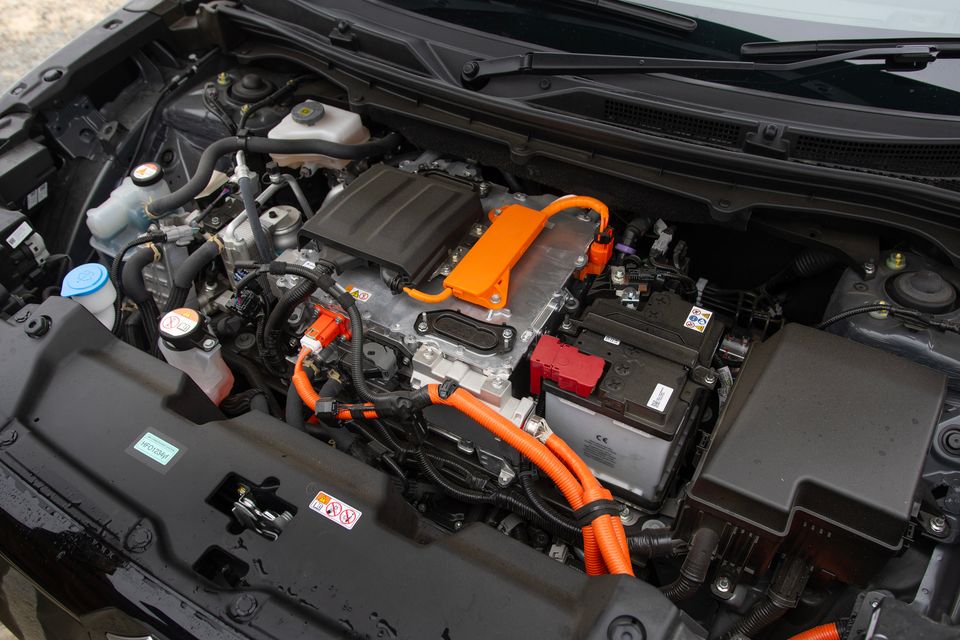
Whilst the FWD and AWD e Vitaras both come with a 61kWh battery, there are actually quite a few mechanical differences between the two. Suzuki says the AWD’s battery has more cells and a higher voltage rating. The FWD predictably has the better range figure, rated at 426km on the WLTP cycle. The AWD makes do with 395km.
The AllGrip-e variant also gets hill descent, Automatic and Trail AWD drive modes, and a higher power output by virtue of boasting double the amount of electric motors. Base FWDs produce 128kW/189Nm, while AWDs make 135kW/300Nm — making the latter the torquiest Suzuki produced to date. It can accelerate to 100kph in 7.4 seconds, with the FWD 1.3-seconds behind.
The e Vitara greatest sin is its underwhelming 65kW peak charging speed. This is good enough to enable an 10–80% charge in a reasonable 45 minutes, but is almost exactly half the charging speed of the Kia EV3.
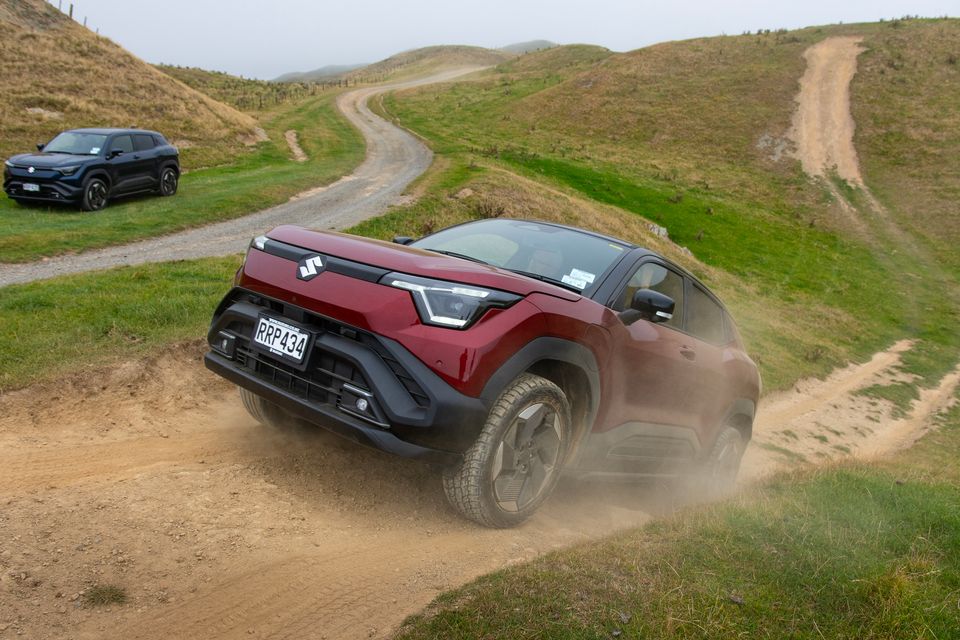
A launch for a small electric crossover might, you’d think, be hosted on urban roads. But Suzuki, clearly ignoring the memo, launched the e Vitara at a small race track and off-road park in Wellington (with a road blast around the capital at the end of the day).
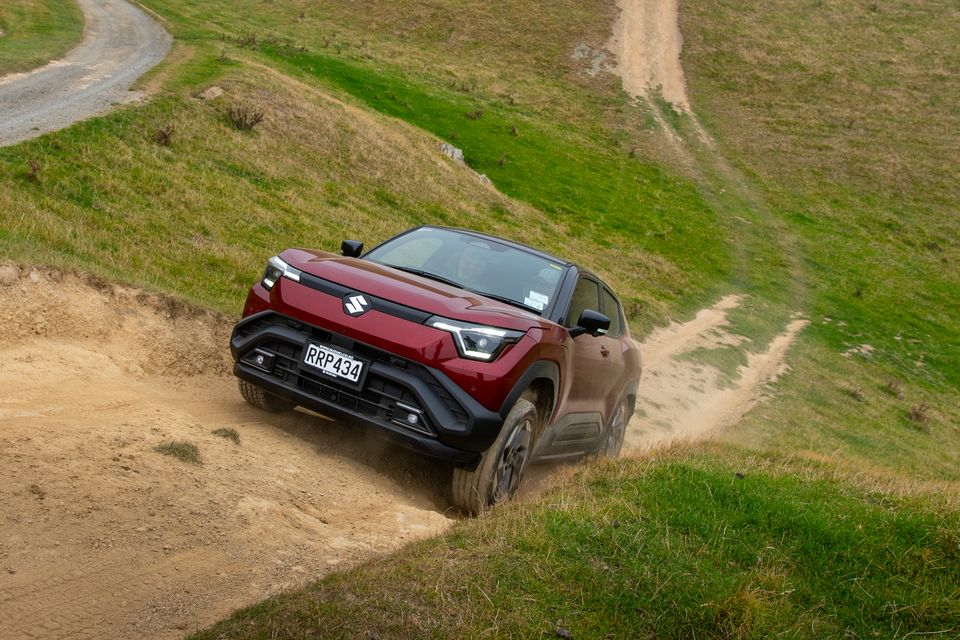
Whilst the race track element is a little tough to explain (this isn’t a complaint … carmakers, please keep bringing us to race tracks for your product launches), the off-roading element is right in Suzuki’s wheelhouse. The brand is keen to underscore that this fully electric e Vitara is still a capable off-roader, and will continue to further the reputation of the Vitara nameplate.
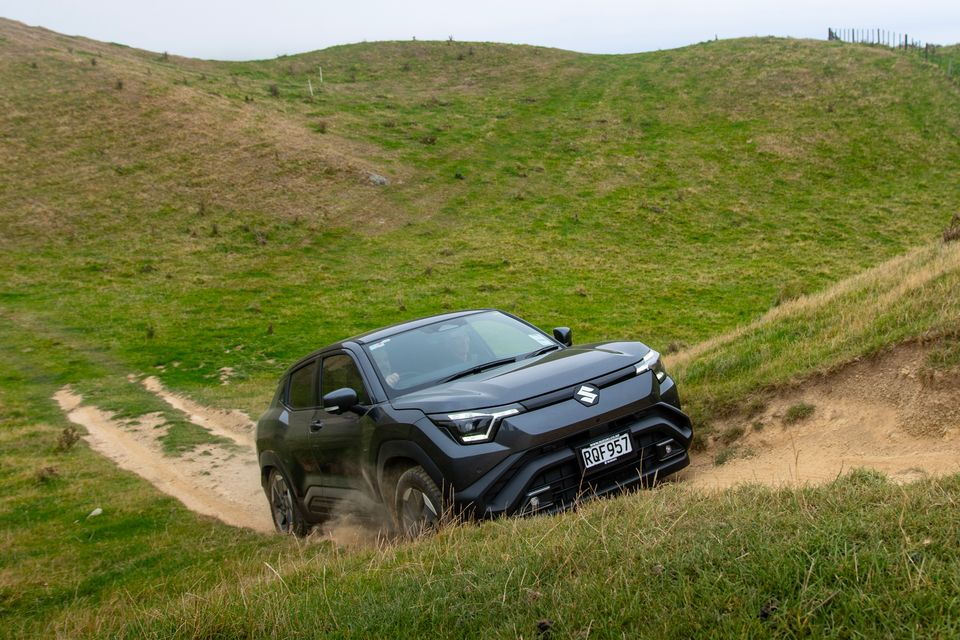
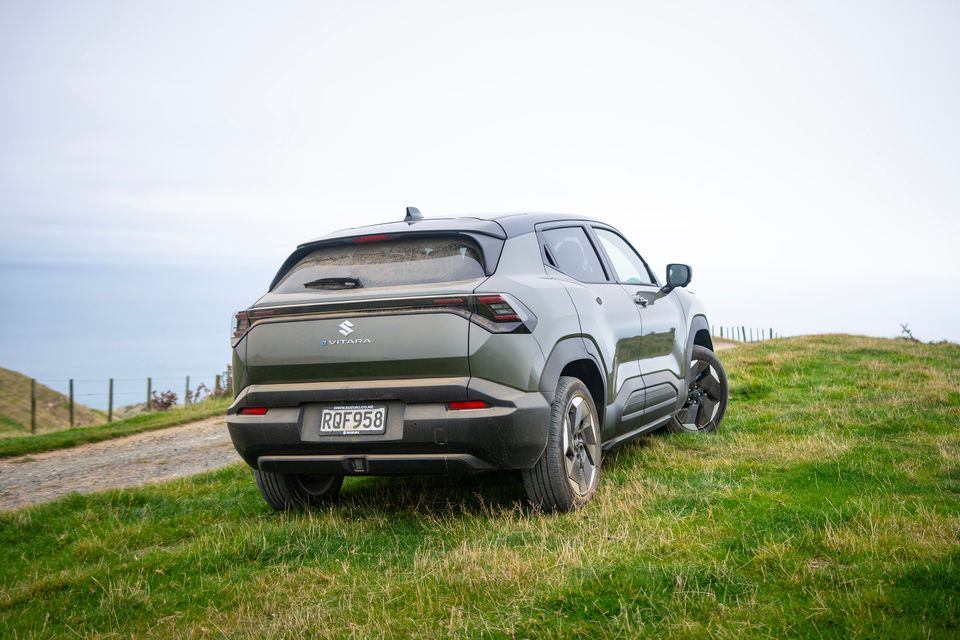
On the rough stuff, the e Vitara is undoubtedly pretty impressive. Trekking around the steep hills surrounding Boomrock Lodge, the little EV was able to scamper up and down some fairly steep hill terrain. The hill-descent has a small amount of hesitation when it initially kicks in, but is very effective once engaged. Short overhangs at both ends mean reasonable approach and departure angles, although the 180mm ground clearance can be a little limiting.
The caveat to the e Vitara’s off-road chops is that the two AWD variants we tested on gravel were shot with aftermarket all-terrain rubber, as opposed to the standard factory issue MRF tyres. Suzuki said this was a precautionary measure in case rain arrived and turned the course into mud. But, I’m a little cynical.
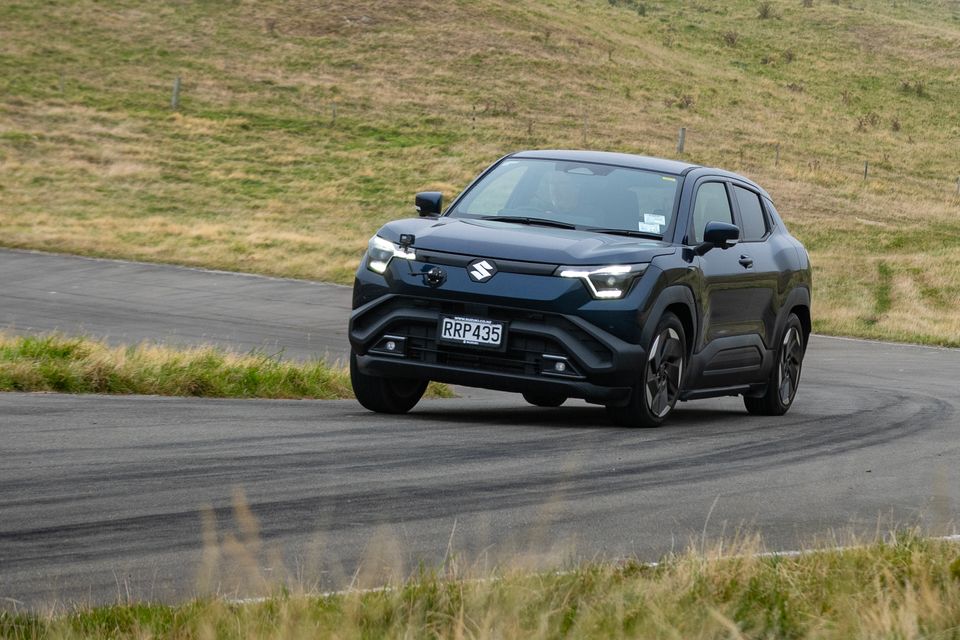
The track drive was less controversial. It turns out one of the country’s best race circuits happens to sit on a mountain top in Wellington. The 30-something-second lap starts with a deeply cambered right hander then pops over a couple of blind crests — the second feeding into a tight right-hand hairpin. Then a series of esses bring you back to the start.
Suzuki’s small cars have a reputation for being great steers, and the e Vitara continues the trend. Admittedly there isn’t a heck of a lot of feel out of its electric steering rack, nor are its MRF tyres much chop. But otherwise, this is a rather fun car to toss around on both city roads and quirky little race tracks.
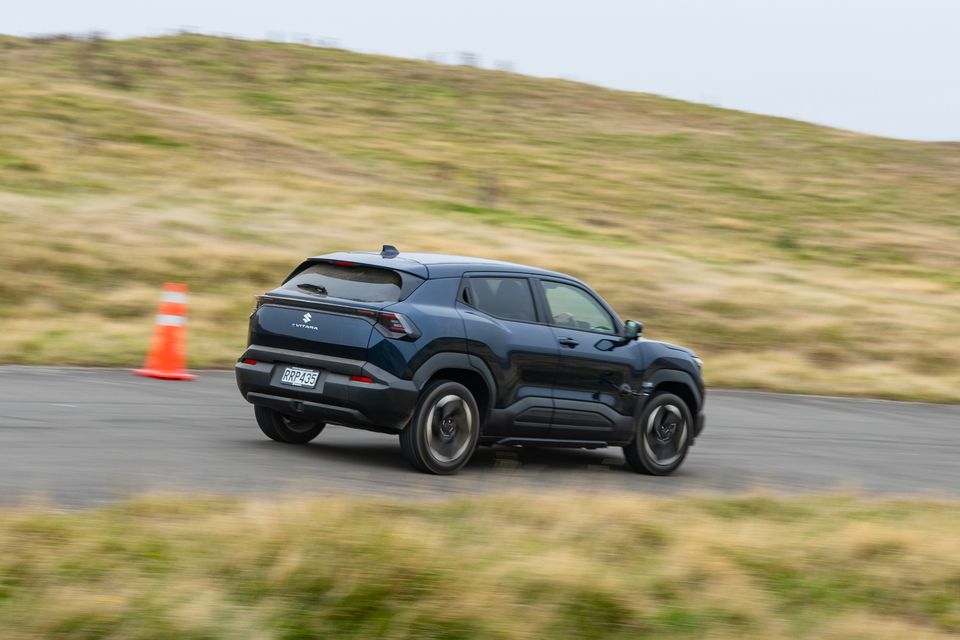
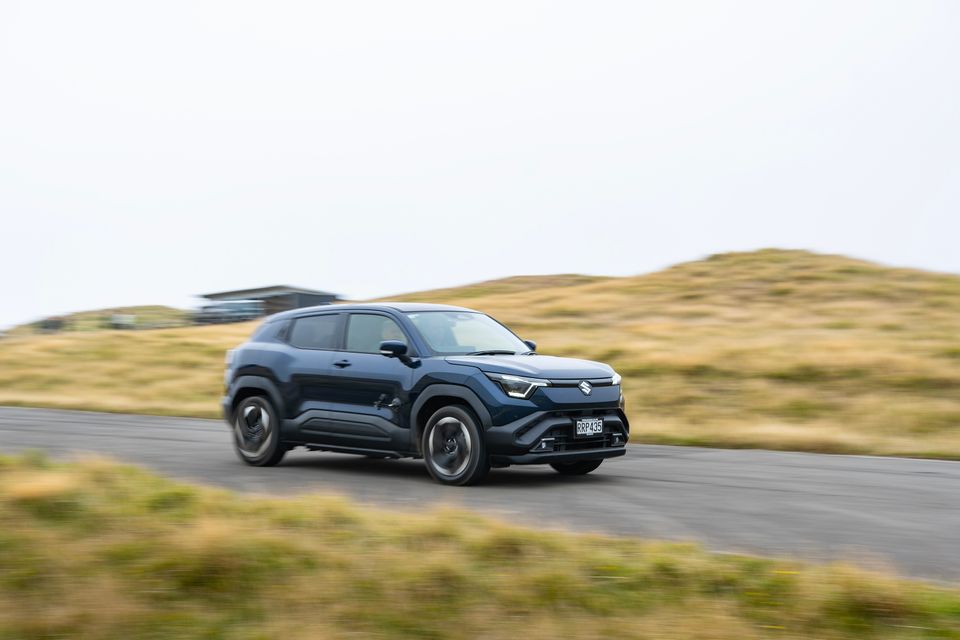
Our track drive took place in the less powerful FWD. Whilst its performance isn’t exactly ludicrous, it’s plenty quick enough to have a bit of fun and chirp a few tyres. Suzuki’s ‘Active Cornering Control’ — the brand’s own torque vectoring system — also helps with sharp direction changes.
On the road, the e Vitara’s most telling trait was the lack of annoying active safety beeps and bongs. The model still comes with these technologies, but they’re far less keen to grab the steering wheel and frustrate than the systems fitted to some of the Suzuki’s peers. We’re keen to test them out further when we get a longer test of the e Vitara in the future. But, early signs are good.
The e Vitara’s single trim level is generously equipped, and lacking little in terms of what you’d expect from a car this size.
Suzuki e Vitara FWD equipment highlights:
E Vitara AWD adds:
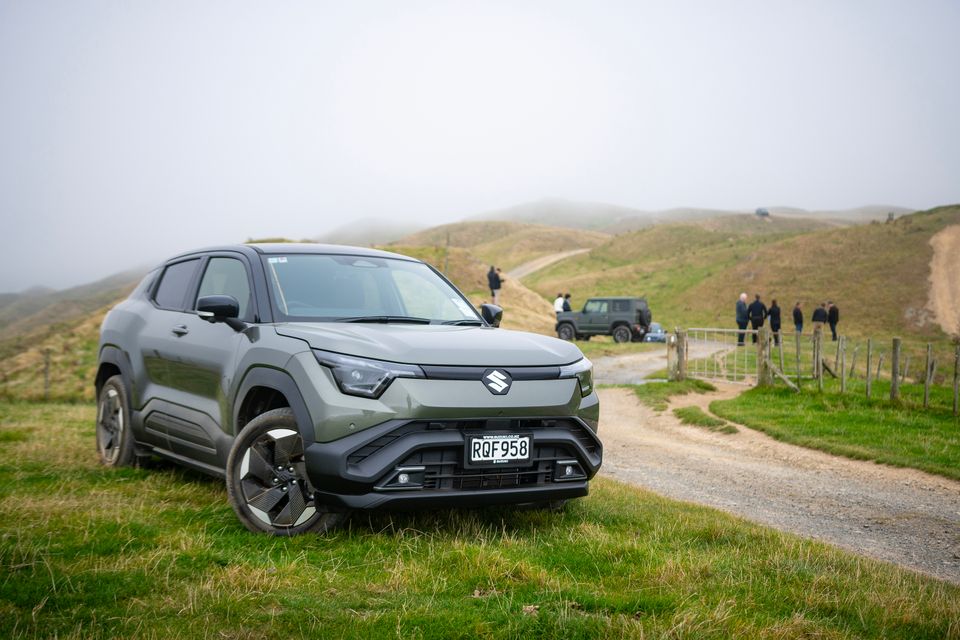
Suzuki’s first stab at an electric vehicle isn’t without its faults. But, with its attractive chunky exterior, surprisingly likeable drive, the availability of all-wheel drive, and fairly high level of equipment, it shapes up as a worthwhile entry to the affordable electric vehicle market.
The key question will be whether the combined reputation of both Suzuki and its Vitara ‘brand’ will be enough to lure in punters not already swayed by the more affordable pricing of the model’s core rivals.
Where expert car reviews meet expert car buying – CarExpert gives you trusted advice, personalised service and real savings on your next new car.
Quickly see how this car stacks up against its competition. Select any benchmark to see more details.
2026
$54,990
Matthew Hansen co-founded motorsport outlet Velocity News, worked as a freelance photographer for various race teams, and was a specialist journalist for NZ Autocar Magazine and Driven at the NZ Herald. Most recently, he was Editor of Motoring at Stuff.co.nz.
Add CarExpert as a Preferred Source on Google so your search results prioritise writing by actual experts, not AI.
CarExpert
3 Days Ago

Dave Kavermann
3 Days Ago

Alborz Fallah
3 Days Ago
Dave Kavermann
3 Days Ago
Dave Kavermann
3 Days Ago

Matthew Hansen
4 Days Ago
Add CarExpert as a Preferred Source on Google so your search results prioritise writing by actual experts, not AI.
† Displayed prices exclude on-road costs such as delivery charges, registration fees, number plates, insurance and applicable road taxes. These prices are subject to change without notice and may not reflect current market pricing or dealer offers.
 Automotive Vehicle Spec Data & 4K images Powered by JATO Dynamics Ltd