The Hilux is an icon that was being left behind in the interior and handling departments, the new model aims to takes those weaknesses and turn them into strengths.
The Toyota Hilux is currently celebrating 50 years on sale in New Zealand, and in that time it has become more than just a ute to the Kiwis who drive them.
It is one of the few vehicles still on sale that holds a place deep within the country's automotive DNA. Farmers buy them because they survive years of punishment, tradies use them because they keep showing up for work, and increasingly, families choose them because modern dual-cabs have become replacements for large SUVs.
That popularity also creates pressure. Buyers no longer expect a ute to merely tow 3500kg and survive abuse for 250,000km plus. They want technology, comfort and refinement too. The days of accepting a rough-riding ute workhorse with a basic interior are largely over.
For 2026, Toyota has responded with the biggest rethink of the Hilux formula in years. It is important to be clear though: this is not an entirely new-generation model underneath. The ladder-frame chassis architecture remains familiar, the core body structure largely carries over, and the 2.8-litre turbo-diesel engine stays under the bonnet.
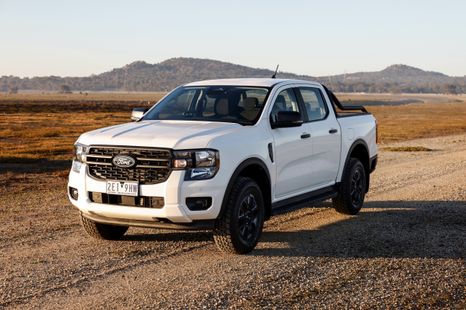
Toyota instead focused on something arguably smarter. Rather than throwing out a proven formula, it has targeted the areas where the previous Hilux had started to fall behind. The old cabin had become dated, steering felt heavy by modern standards, and rivals such as the Ford Ranger had pushed ahead for overall road manners and technology.
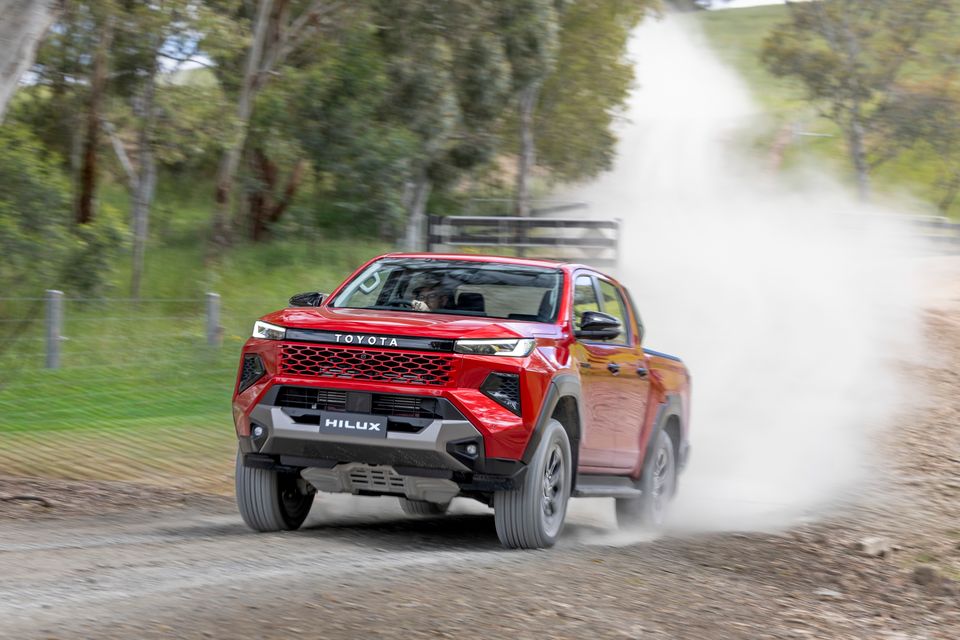
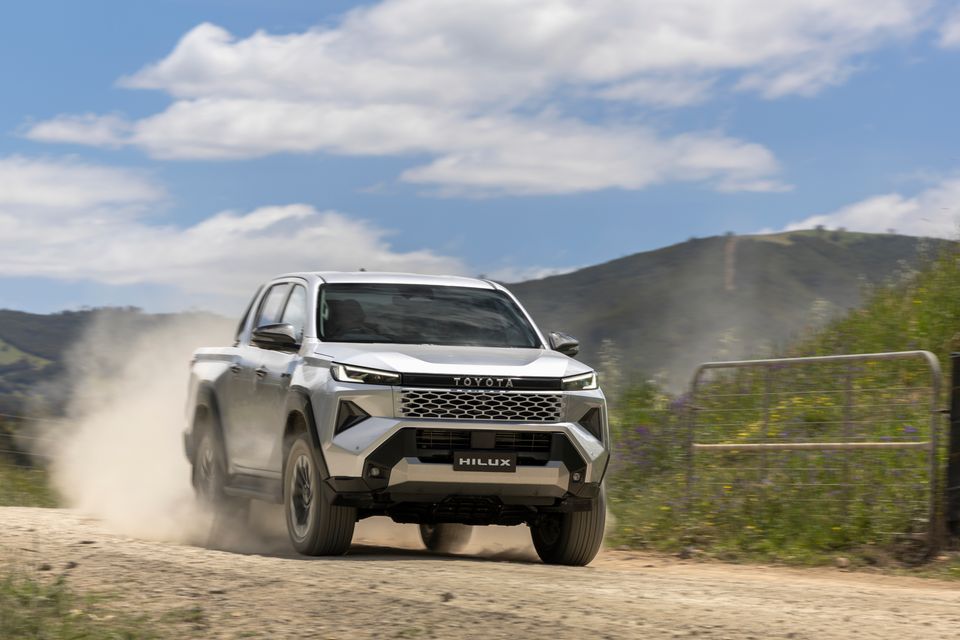
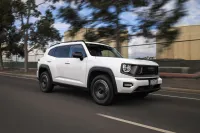
The result is a heavily reworked Hilux that feels considerably more modern without sacrificing what existing owners already liked. There’s a new bolder ‘Cyber Sumo’ exterior design, a much more contemporary cabin, revised suspension tuning and new electric power steering.
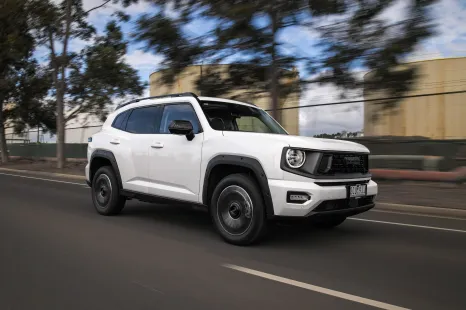
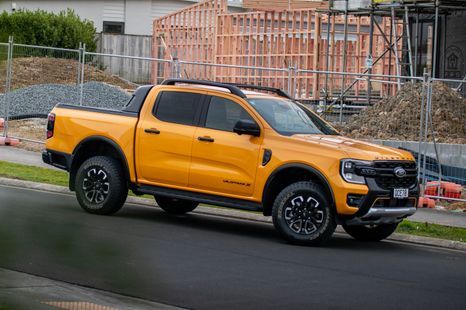
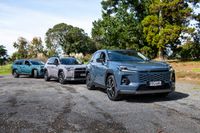
That matters because the ute segment has become brutally competitive. The Ford Ranger remains a benchmark on-road, the Isuzu D-Max continues attracting loyal buyers, and new Chinese entrance like BYD Shark and GWM Cannon Alpha are arriving with increasingly impressive value propositions.
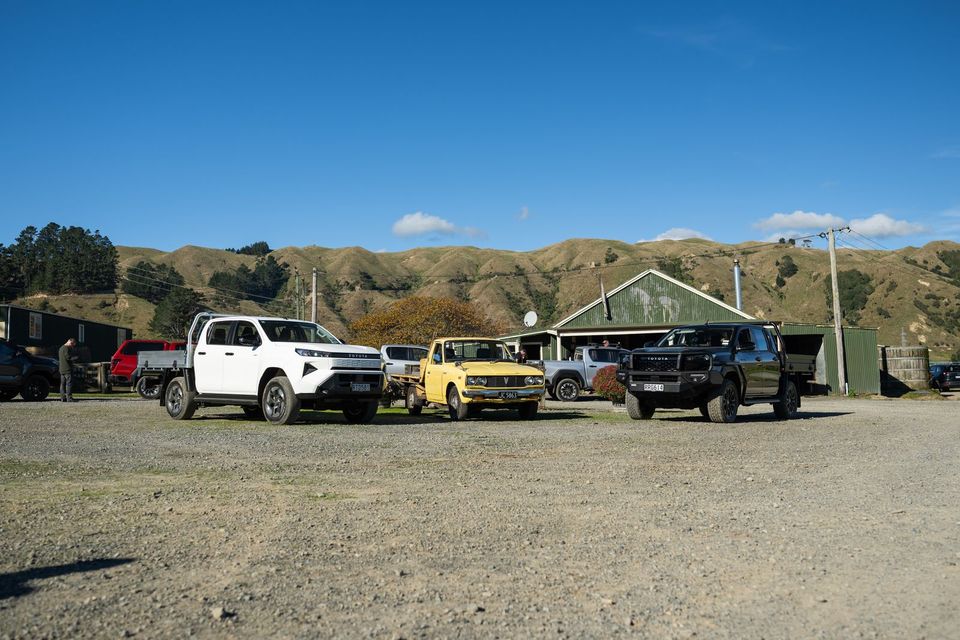
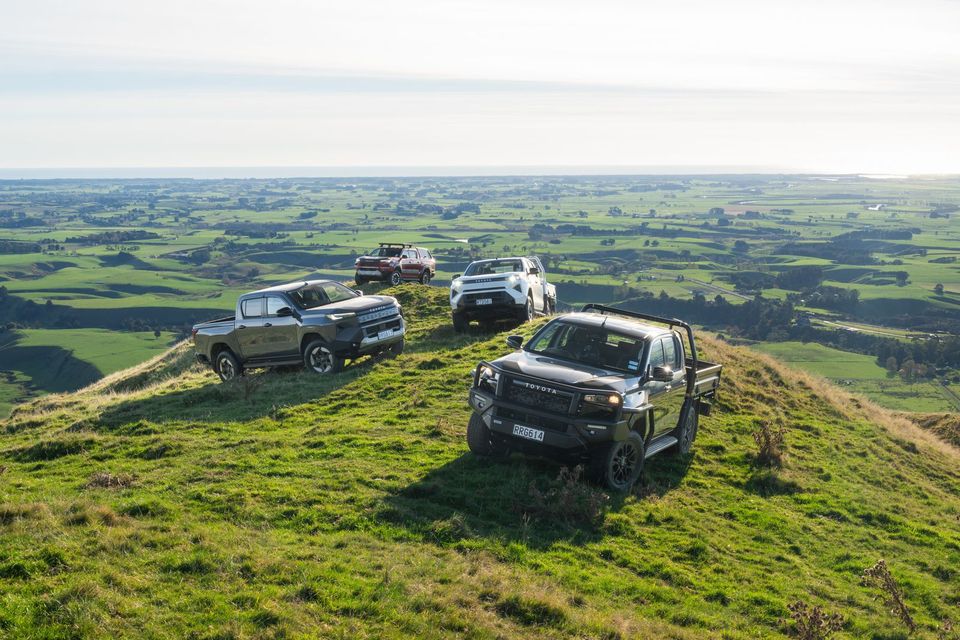
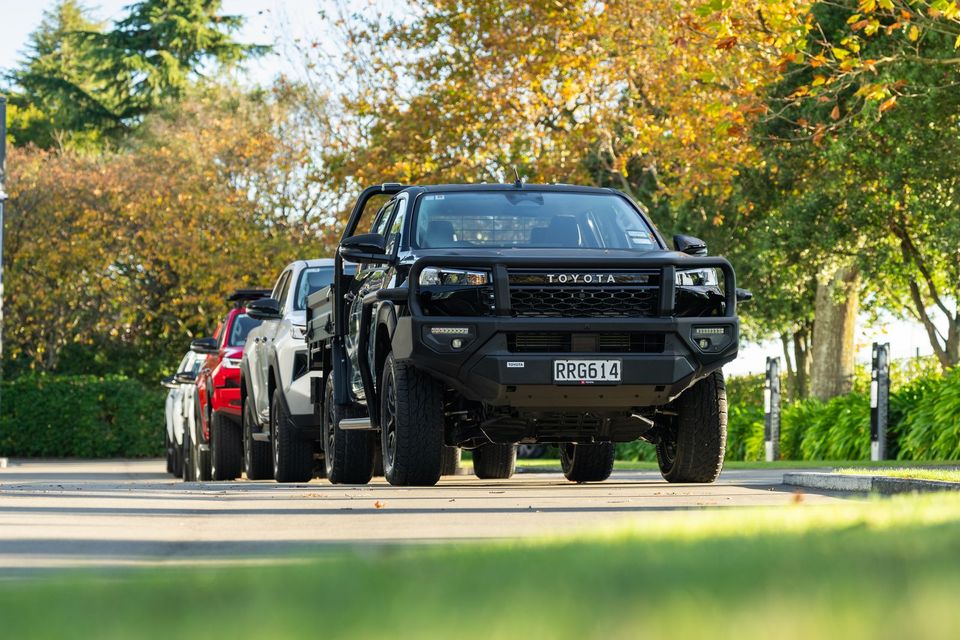
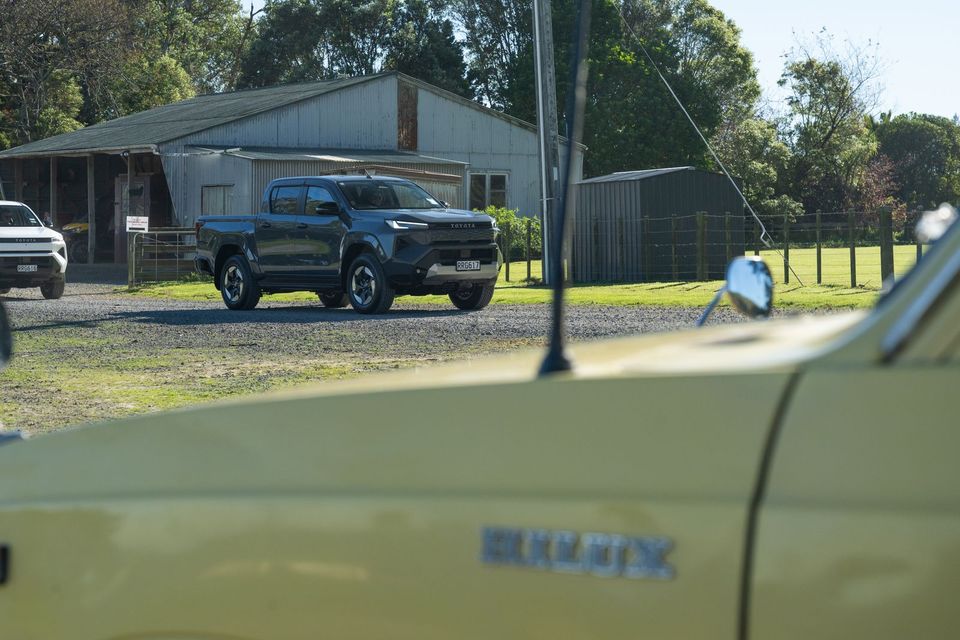
Toyota's upcoming Hilux BEV, a 1977 single-cab Hilux and the new 2026 Hilux SR.
Toyota knows the Hilux does not need to reinvent itself. It simply needs to remain relevant while keeping the reputation that made it successful in the first place.
After spending time behind the wheel, it feels like Toyota may have judged that balance rather well.
How much does the Toyota Hilux cost?
Toyota New Zealand has kept the 2026 Hilux range relatively straightforward, with 12 variants spread across four grades: SR, SR5, SR5 Limited and Adventure.
Model
Drive away price
SR 2WD Double-cab wellside auto
$49,990
SR 4WD Cab-chassis auto (requires tray)
$50,990
SR 4WD Double-cab-chassis manual (requires tray)
$52,490
SR 4WD Extra-cab-chassis auto (requires tray)
$53,990
SR Hybrid 4WD Double-cab-chassis auto
$54,990
SR Hybrid 4WD Double-cab wellside auto
$56,990
SR5 4WD Double-cab wellside manual
$58,490
SR5 Hybrid 4WD Double-cab-chassis auto (requires tray)
$58,990
SR5 Hybrid 4WD Double-cab wellside auto
$60,990
SR5 Limited 4WD Double-cab wellside manual
$59,990
SR5 Limited Hybrid 4WD Double-cab wellside auto
$62,990
Adventure Hybrid 4WD Double-cab wellside auto
$63,990
Pricing starts from $49,990 drive away for the rear-wheel drive SR double-cab wellside automatic and stretches to $63,990 for the flagship Adventure Hybrid. That puts the Hilux squarely in the middle of New Zealand's increasingly expensive ute market. Not that long ago, spending more than $60,000 on a ute felt excessive. Today it is simply where the segment sits.
Toyota's pricing strategy feels fairly measured because it avoids chasing ultra-premium territory. While some competitors now push well into premium seven-seat SUV money, the Hilux largely stays within realistic reach for both commercial and private buyers.
The SR models continue to target fleets and work users, while SR5 and above lean toward private buyers who want something capable of towing a boat during the weekend while still serving as family transport during the week.
The other consideration is ownership costs. Toyota backs the range with a five-year/100,000km warranty and, historically, Hilux resale values have remained among the strongest in the segment. That has always been part of the appeal. Sometimes the cheapest ute on day one isn't necessarily the cheapest ute five years later.
What is the Toyota Hilux like on the inside?
This is where the 2026 Hilux makes its biggest improvement.
The previous cabin had become difficult to defend. It remained functional and durable, but alongside newer rivals it felt dated to the 2010s. A small infotainment screen, basic graphics and an overall lack of sophistication increasingly stood out in a market where buyers expected their ute to be packed with the latest screens and features.
Toyota has addressed that criticism with a comprehensive redesign.
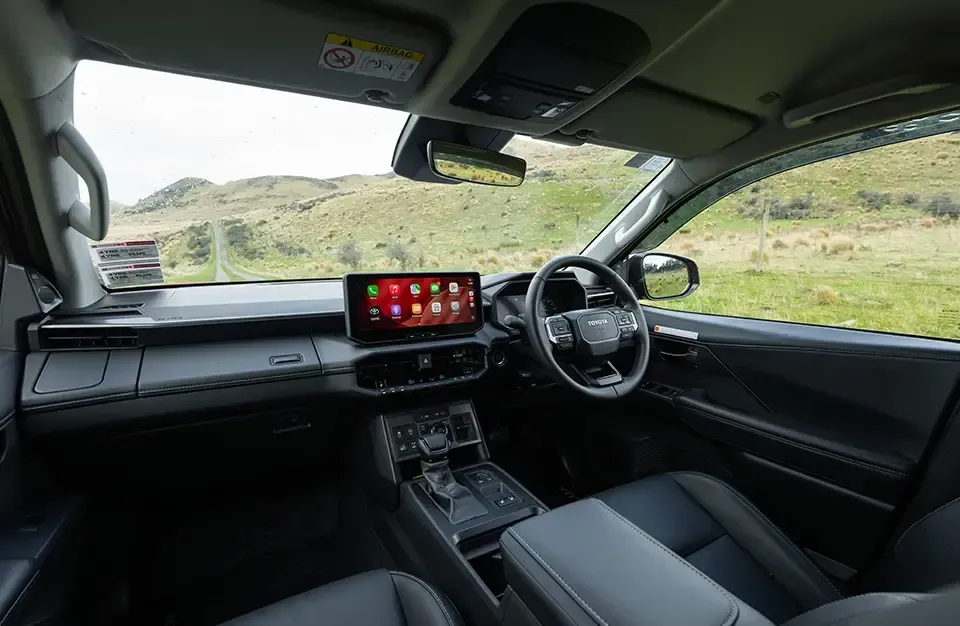
The first thing you notice is the dashboard itself. It adopts a much cleaner, more layered appearance than before and finally feels like it belongs in a vehicle launched in 2026. Dominating the centre stack is a standard 12.3-inch touchscreen infotainment system with wireless Apple CarPlay and Android Auto, plus built-in satellite navigation.
The interface itself is fairly typical Toyota. It prioritises functionality over visual flair, although the touchscreen is highly responsive and is a world apart from the outgoing model. More importantly, Toyota has avoided following the trend of burying every control inside the new display.
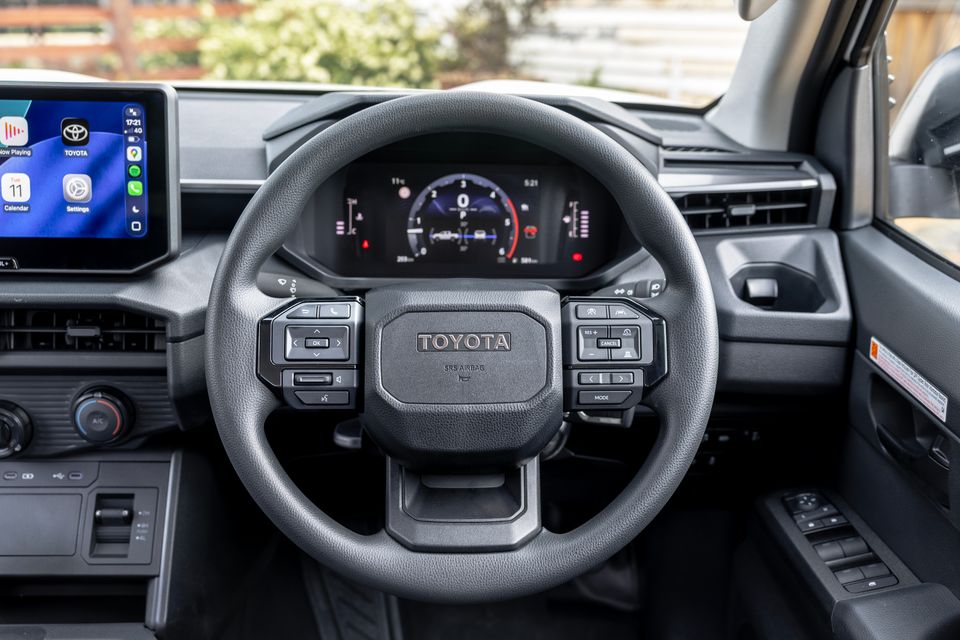
Climate controls remain separate physical buttons and knobs beneath the display, and that feels like a genuinely smart decision. Whether you are driving on gravel roads, bouncing through paddocks or wearing work gloves, physical controls remain easier and safer to operate.
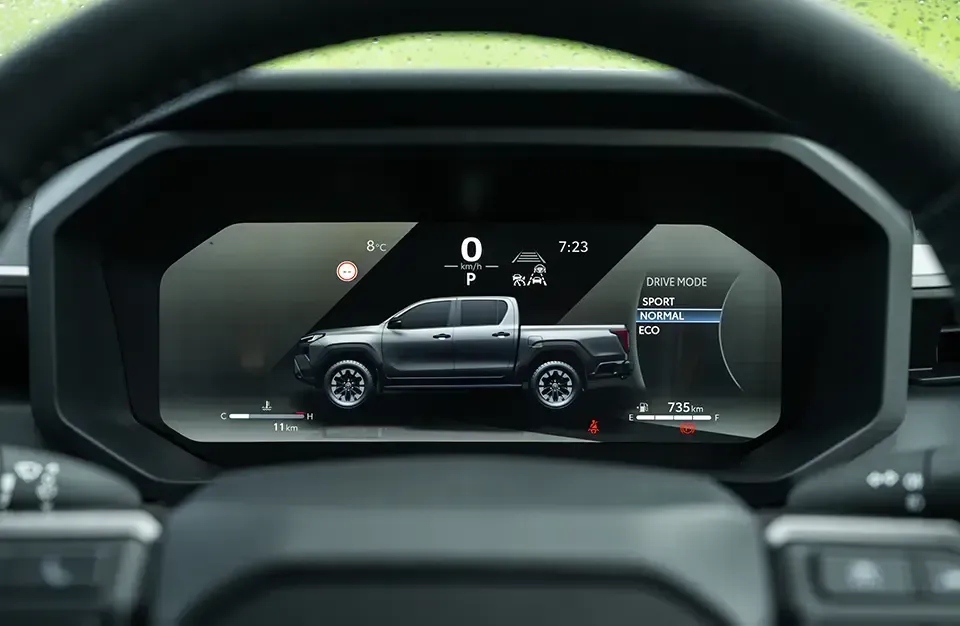
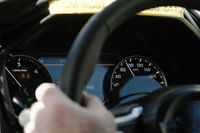
Ahead of the driver, higher-grade variants receive a 12.3-inch digital instrument cluster, while SR grades use a smaller display. The graphics are clean and legible without trying too hard.
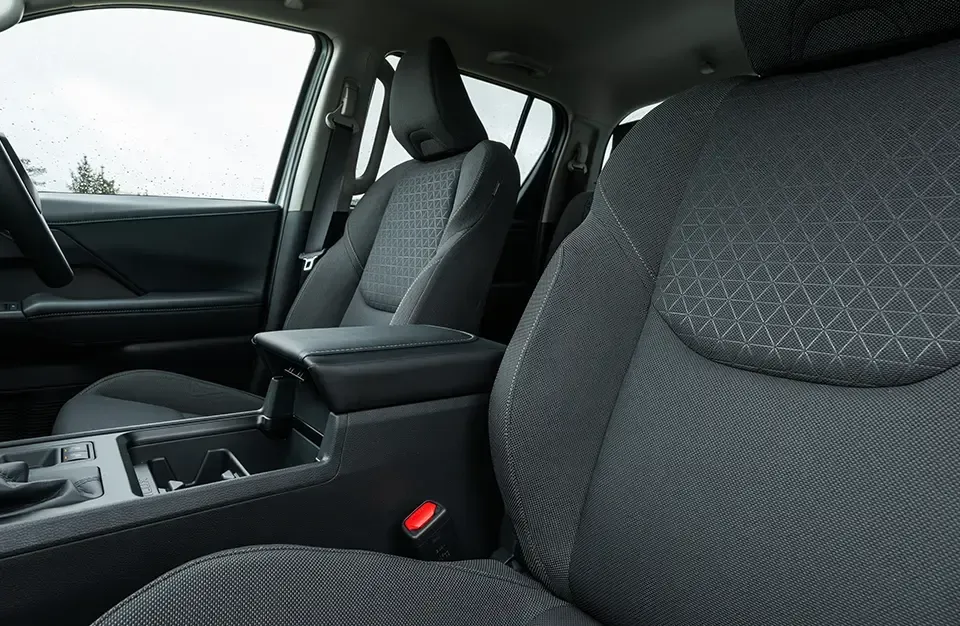
Storage also remains a Hilux strength. Door bins are large, cupholders are plentiful, and there are multiple cubbies scattered throughout the cabin for phones, wallets and work gear. The centre console feels genuinely useful rather than simply decorative.
The front seating position remains characteristically upright, providing excellent visibility over the squared-off bonnet. Seat comfort itself is good, particularly in higher grades where extra adjustment and premium trim help improve long-distance comfort.
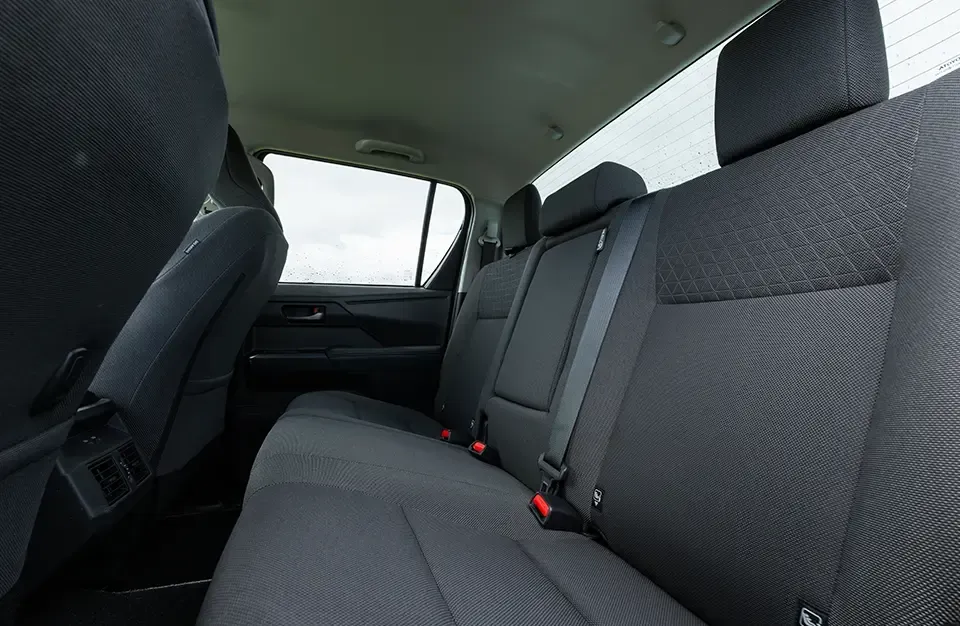
Rear accommodation remains less convincing. Because Toyota retained much of the existing cabin structure, space gains are limited. Taller adults seated behind a similarly sized driver will quickly notice restricted knee room and limited toe room under the front seats. Rivals such as the Ranger continue offering slightly more space in the second row, however the class leader in the ute category is still the GWM Cannon Alpha.
The rear row isn't unusable by any means. Children will be perfectly comfortable and occasional adult passengers will cope fine. But for buyers regularly carrying four adults, there are better options.
Still, compared with the outgoing Hilux, this feels like a dramatic leap forward. The old cabin did the job, this one feels up-to-date and it's a place where you would happily spend time.
Perhaps the most important upgrade can be felt on the move. The Hilux cab sits on new body mounts and additional sound-dampening materials have been fitted to the bulkhead and transmission tunnel.
These changes have made a meaningful difference to NVH and the latest Hilux is now one of the quietest diesel utes in the segment, with much less unwanted road, wind, and engine noise entering the cabin.
What’s under the bonnet?
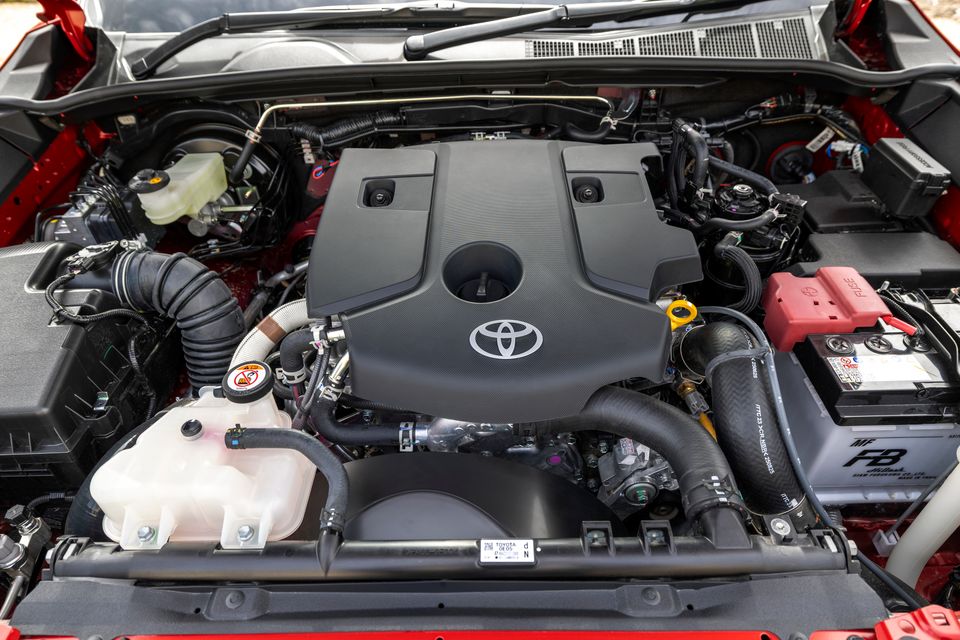
All New Zealand-market Hilux variants use a familiar engine that remains a known quantity: the 2.8-litre four-cylinder turbo-diesel that has carried over from the last generation.
Manual variants produce 150kW of power and 420Nm of torque, while automatic versions retain the same power output but increase torque to 500Nm.
Toyota has also introduced its new 48-volt mild-hybrid system across selected automatic variants. Unlike a traditional hybrid, this setup does not drive the wheels independently. Instead, a compact motor-generator assists the diesel engine under certain conditions, helping smooth stop-start operation and improve efficiency. The emphasis here is refinement and fuel savings rather than outright performance.
Toyota claims fuel consumption between 7.2L/100km and 8.1L/100km depending on specification. Real-world figures will inevitably rise when carrying loads or towing, but from our first drive experience those figures can be hit unladen and they remain competitive for a dual-cab ute of this size.
It does not produce segment-leading power outputs and Toyota has resisted the temptation to chase headline figures with larger engines or more aggressive tuning. Instead, it delivers strong low-down torque exactly where ute buyers want it.
Maximum braked towing remains 3500kg and payload sits around 1000kg depending on specification.
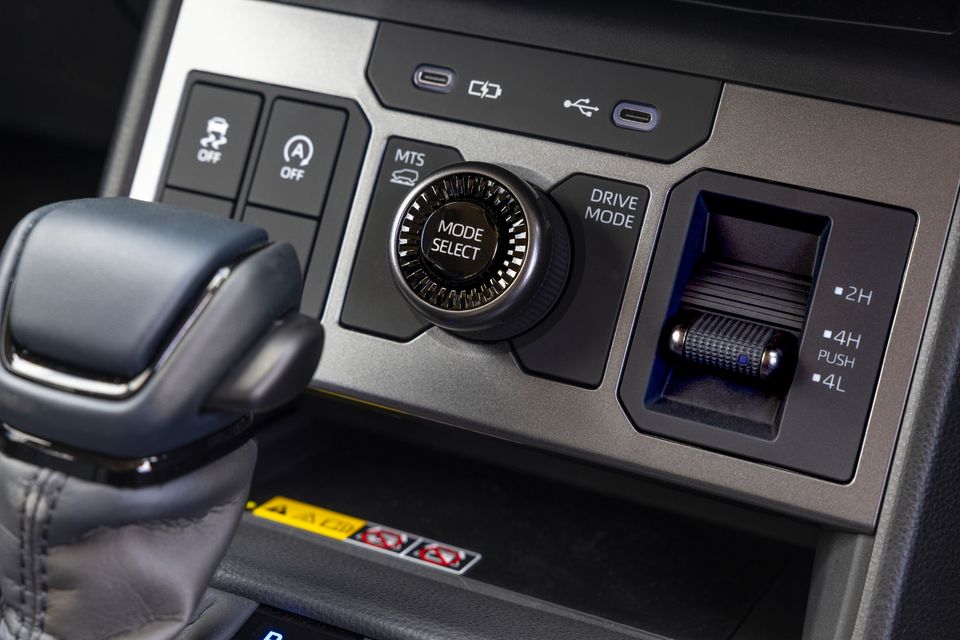
Part-time four-wheel drive continues across 4WD variants and higher-spec models include equipment such as a locking rear differential and Multi Terrain Select modes.
There is also another practical advantage worth mentioning: unlike some rivals, the Hilux does not require AdBlue. That may not sound exciting, but for owners regularly travelling long distances or operating in remote parts of New Zealand, fewer consumables and less complexity remains a very real benefit.
How does the Toyota Hilux drive?
The biggest transformation sits in the steering.
Previous Hilux models always felt slightly old-school from behind the wheel. Steering was heavy around town and often lacked the precision buyers increasingly expected from a vehicle doubling as family transport. The new electric power steering changes that immediately.
At lower speeds the wheel feels noticeably lighter, making parking manoeuvres and tight urban driving much easier than before. Threading through supermarket carparks or reversing trailers into awkward spaces suddenly feels less like a gym workout.
Crucially, Toyota has not gone too far in the other direction. At highway speeds the steering weights up naturally and avoids feeling disconnected.
Suspension changes also make a meaningful difference. SR variants continue prioritising load-carrying ability, while SR5 and above receive a revised rear leaf-spring setup aimed more at balancing work capability and everyday comfort. On sealed roads the improvement is clear. The Hilux now settles itself more effectively over bumps and feels calmer through corners.
It still behaves like a ladder-frame ute because physics has not changed. Without weight in the tray, sharper bumps occasionally send movement through the rear suspension, and there remains some rear-end float over rougher surfaces. However, compared with the previous model, the harshness has been reduced significantly.
The diesel engine itself feels familiar. There is strong torque available low in the rev range and overtaking requires little effort. The six-speed automatic generally works well with the engine, although it occasionally hesitates when suddenly asked for acceleration at motorway speeds.
The mild-hybrid system does its job quietly in the background. The biggest benefit comes through smoother idle stop/start operation rather than noticeable extra performance. Stop/start can be enraging when they don’t engage in time, however Toyota have done a great job calibrating this system and the engine is always ready once you release the brake pedal.
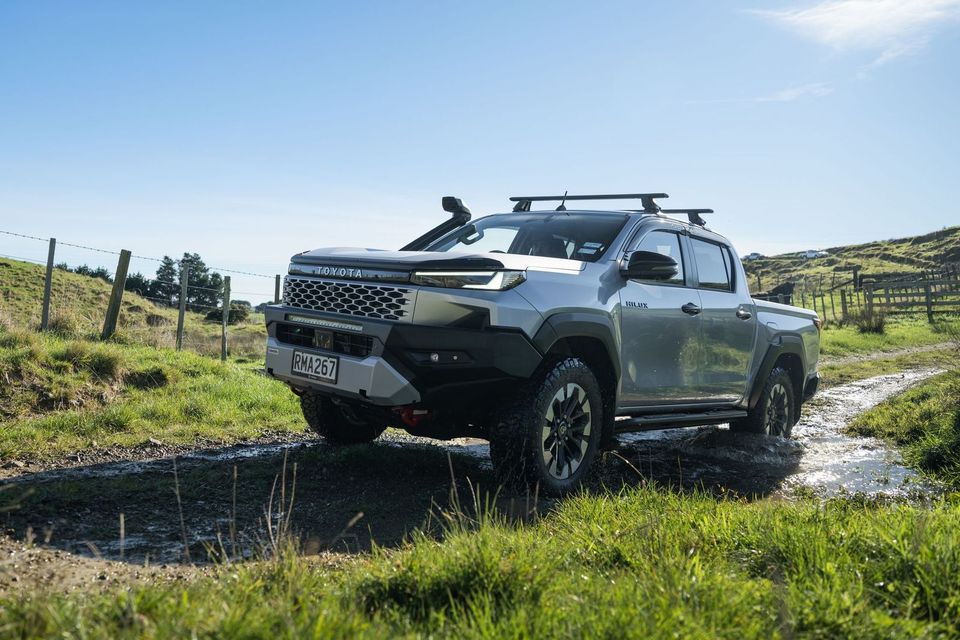
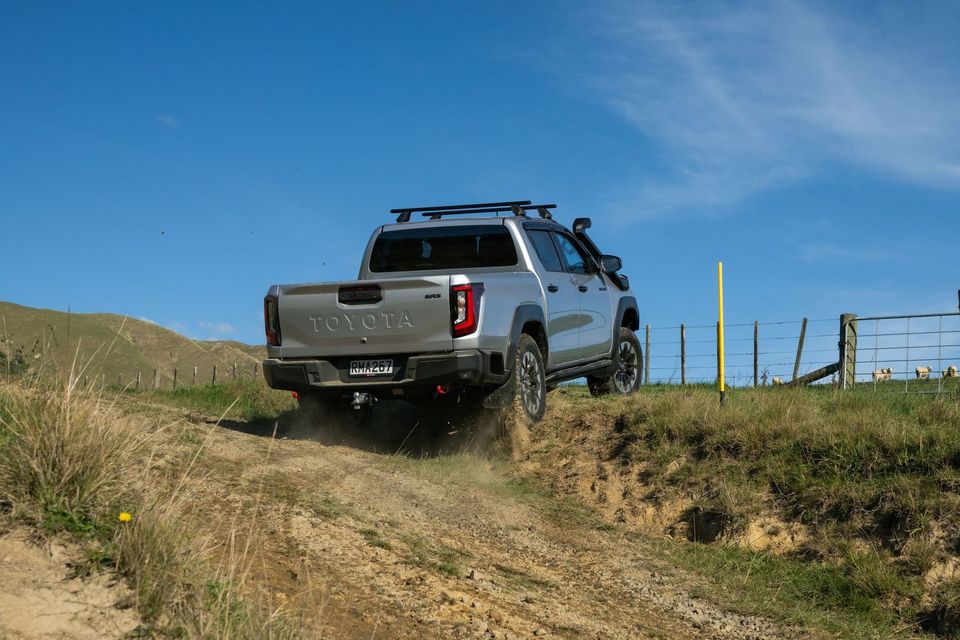
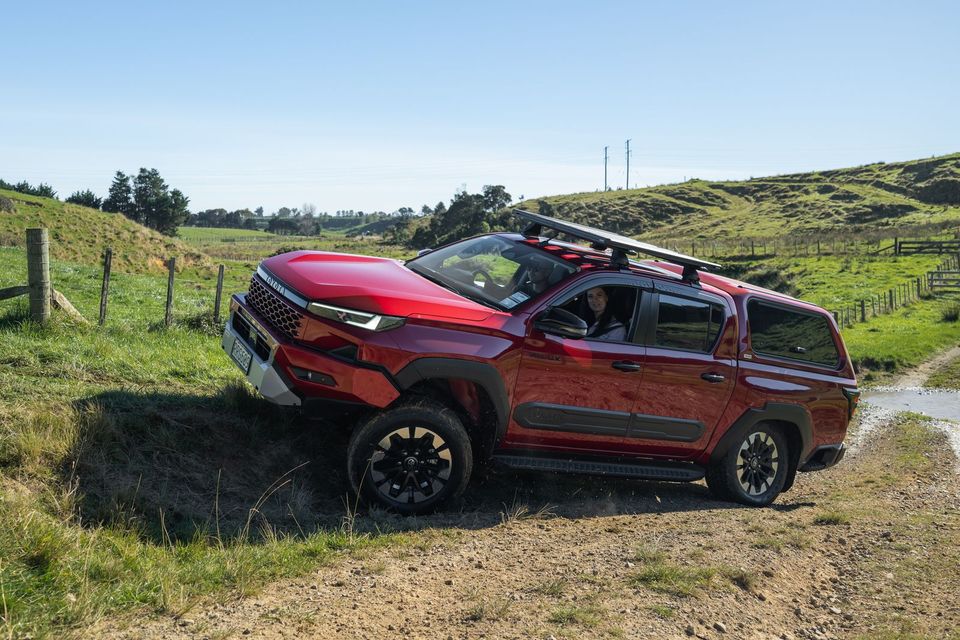
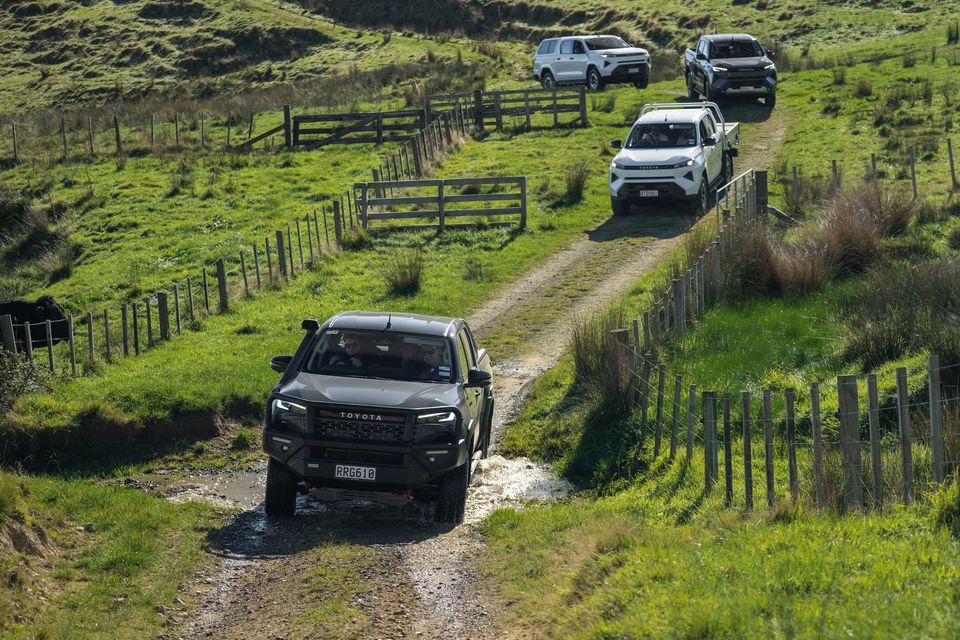
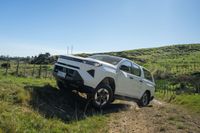
Off road, the Hilux still feels entirely at home.
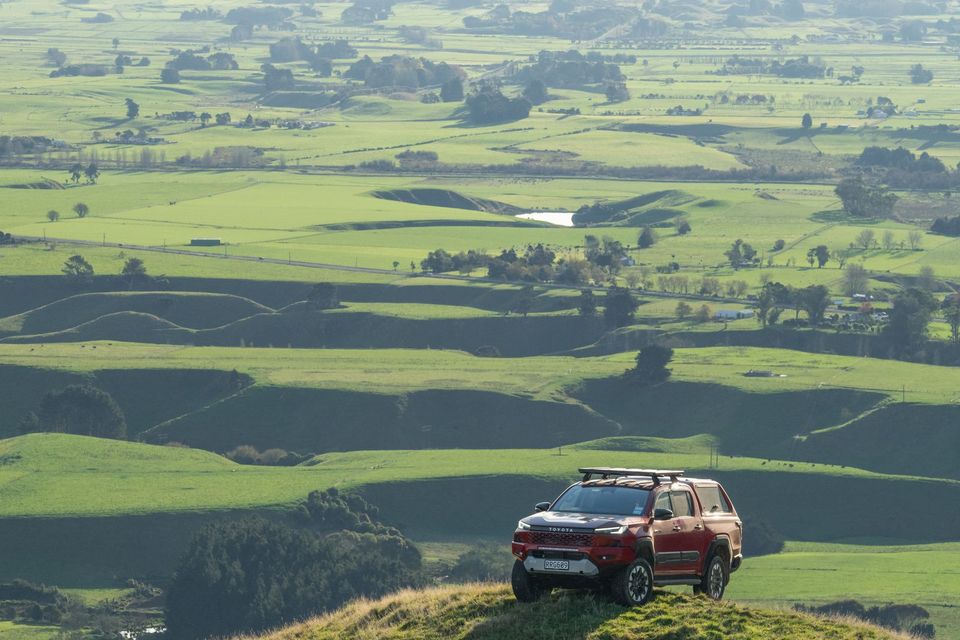
Loose gravel, muddy tracks and rough terrain remain areas where Toyota's experience shows through. Multi Terrain Select systems work effectively, while the locking rear differential continues providing reassurance in difficult conditions. Conditions were dry during our first experience with the Hilux so for the most part I left the systems in auto, the drivetrain in 4H, and it still went up and down rolling paddocks without any fuss.
Cabin refinement has also improved. Wind noise around the mirrors remains noticeable at open-road speeds and the diesel engine can still make its presence known under heavier loads.
But the important thing is this: the Hilux no longer feels like a ute buyers tolerate because of its capability. Now it feels like a ute buyers can actually enjoy driving every day.
What do you get?
Standard equipment varies between grades, though the local range is generously specified.
Trusted Reviews, Smarter Choices, Better Prices
Where expert car reviews meet expert car buying – CarExpert gives you trusted advice, personalised service and real savings on your next new car.
The 2026 Toyota Hilux feels like Toyota listened carefully to criticism and responded with meaningful improvements rather than dramatic reinvention.
The interior has gone from one of the weakest cabins in the class to something genuinely competitive. Steering improvements make daily driving easier, suspension changes improve comfort, and the technology finally feels modern enough to justify the asking price.
It still is not perfect.
Rear seat space remains behind the class leaders, refinement could be better, and rivals such as the Ranger continue offering a slightly more polished overall driving experience.
But Toyota did not need to completely rewrite the Hilux formula. Instead it fixed the areas buyers complained about while preserving the traits owners already trusted: durability, simplicity, strong resale values, and genuine capability. For many Kiwi buyers, that will be enough.
If there is a sweet spot in the range, the SR5 Hybrid double-cab wellside at $60,990 feels like the pick. It delivers the improved comfort and technology features without stretching into lifestyle-focused flagship territory.
The Hilux has always succeeded because people trust it. For 2026, it finally feels like buyers are getting that trust with a much stronger everyday driving experience attached to it.
Trusted Reviews, Smarter Choices, Better Prices
Where expert car reviews meet expert car buying – CarExpert gives you trusted advice, personalised service and real savings on your next new car.
† Displayed prices exclude on-road costs such as delivery charges, registration fees, number plates, insurance and applicable road taxes. These prices are subject to change without notice and may not reflect current market pricing or dealer offers.
Automotive Vehicle Spec Data & 4K images Powered by JATO Dynamics Ltd



 Showroom
 Car Chooser
 Compare
 Car Specifications






 Automotive Vehicle Spec Data & 4K images Powered by JATO Dynamics Ltd