

 Showroom
 Car Chooser
 Compare
 Car Specifications

Dave Kavermann
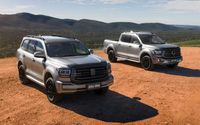
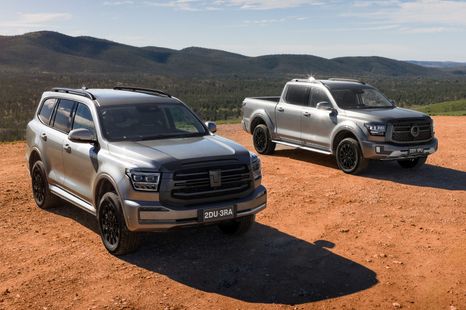
GWM opens order books for new 620Nm turbo-diesel Tank 500 and Cannon Alpha
GWM’s new 3.0-litre turbo-diesel will deliver more torque than Ford’s V6-powered Ranger and Everest.
10 Hours Ago
Poor sales and the removal of clean car incentives see German carmaker bid farewell to NZ.

Editor
Editor
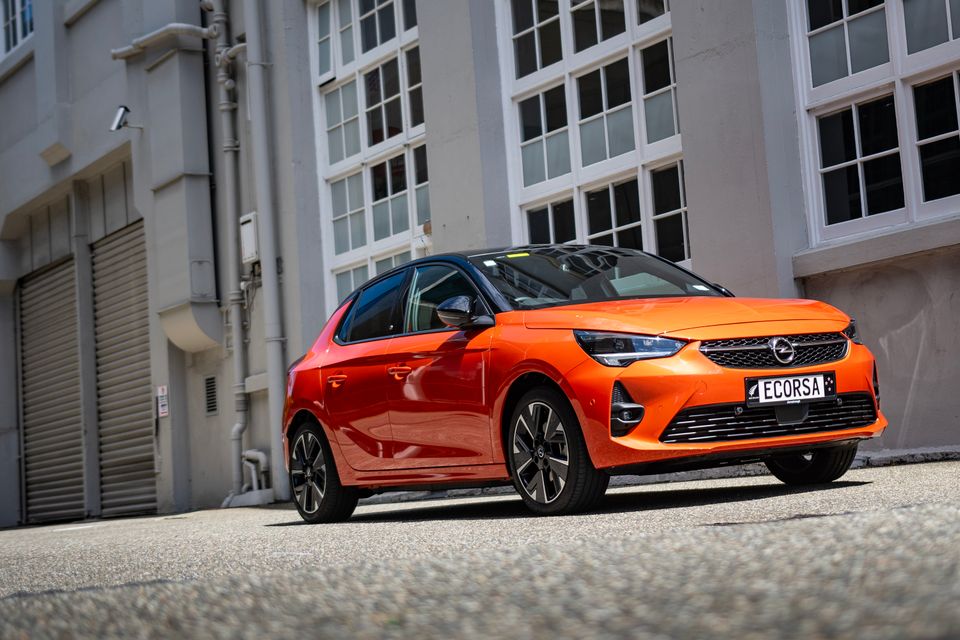
The local distributor of German carmaker Opel is set to drop the marque from its portfolio just four years after the brand was relaunched in New Zealand.
Auto Distributors New Zealand chief executive Simon Rutherford confirmed the news at the launch of the company’s latest addition to its collection of brands, BAIC. The Chinese marque launched today with a two-pronged SUV line-up, with more models on the way.
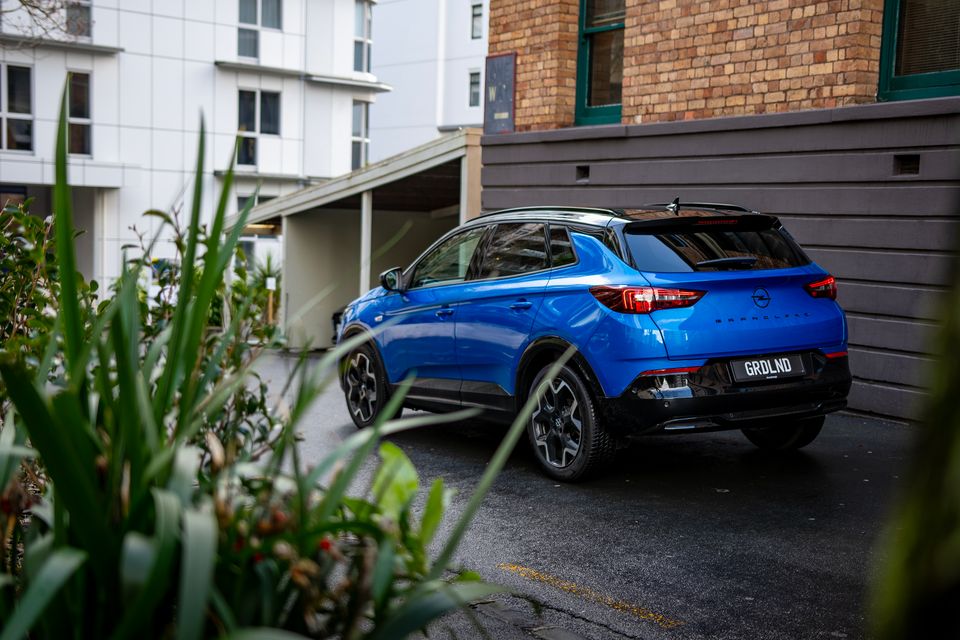
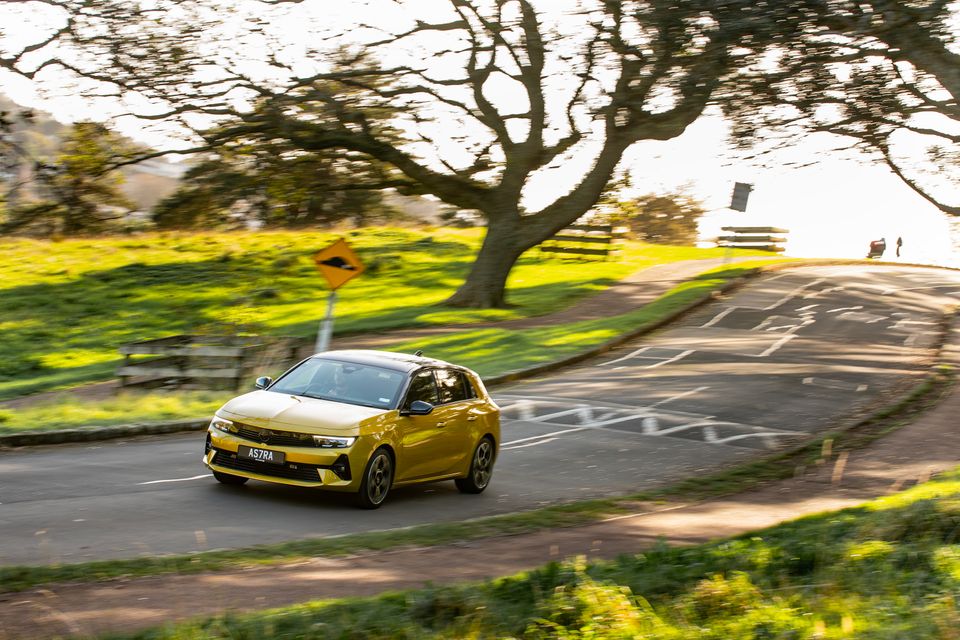
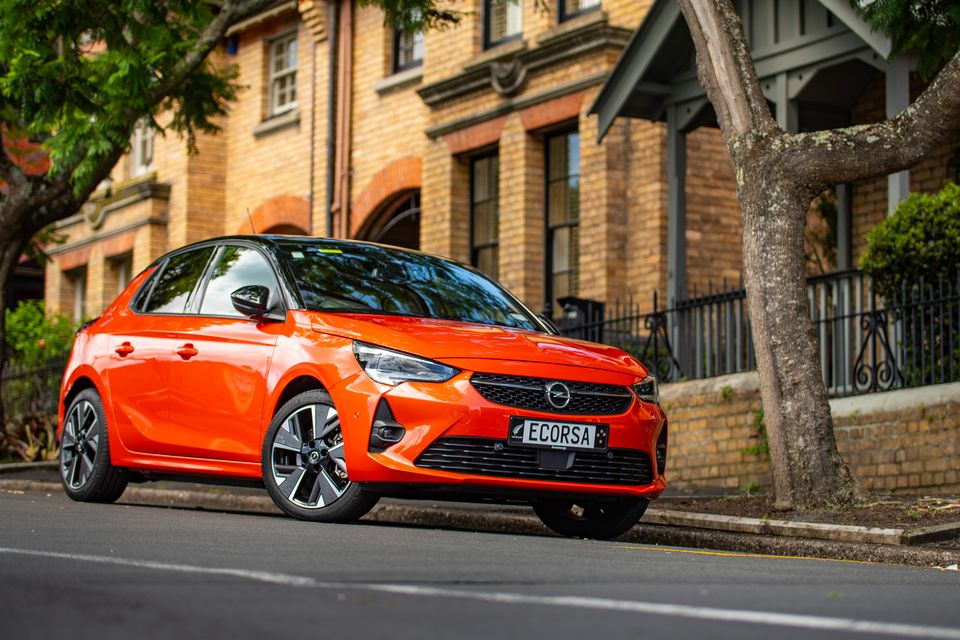
Opel arrived in New Zealand in early 2022 with a sharp focus on low-emissions vehicles. Its line-up consisted of the Grandland, Mokka, Astra, and Corsa. The brand initially planned to launch a series of vans locally, too, but those never arrived.
Since 2022, communications from Opel’s local operations have been almost silent as the marque struggled to penetrate the market. An update for the Corsa hatchback arrived last year to little fanfare, with no information on the model detailed to the motoring media.
ADNZ is the long-time distributor of Peugeot and Citroen. In recent times it has added a series of Chinese-based carmakers to its fleet, including Leapmotor, Dongfeng, and Mercedes-Benz and Geely joint venture Smart.
Speaking to CarExpert NZ, Rutherford said that Opel’s fortunes have been heavily impacted by industry shifts and legislation changes — including the removal of the Clean Car Discount.
“When Opel was launched it was a very different business environment. There were clean car rebates, we didn’t have many Chinese OEMs in the space, and the sharing of powertrains that we’ve got across Peugeot, Citroen and Opel means we were trying to service all of those brands. So it was strategic for us,” he said.
ADNZ is still in the process of negotiating a parts deal with Stellantis in order to continue supplying maintenance for existing customers. But, according to Rutherford, “we won’t be bringing any new Opels in”. Dealers have been notified of the change, and just a handful of unsold units remain around the country.
“We’re not fully baked on the decision because we have to do the due diligence, but Stellantis knows where we are and they are aligned with our plan,” he added.
Along with changes in industry, Rutherford said that the decision to drop Opel from its line-up was influenced by a need to diversify its brand offerings. Most Opel products share plenty of hardware with Peugeot and Citroen siblings. And in our market, the three European brands have plenty of market position overlap.
“There’s nothing wrong with Opel, but we have too many offers in the same space, not differentiated enough. We’ve been talking to Stellantis, and we’re the only market in the whole of South East Asia and Australasia that ever took Opel,” said Rutherford.
“We know that within the Stellantis framework of all their multiple brands, Peugeot will always get fed. It’s big, it’s probably one of the stronger brands. Citroen sits nicely alongside it, there’s something slightly different [about it], it has a slightly different fanbase.
“Since [Opel] was launched, exchange has deteriorated, the competition framework has changed, the cost of getting vehicles out of Europe is significant on logistics. So, we didn’t believe we could fully compete with it, whereas we believe we can fully compete with the other brands and do that sustainably.
“I think we are better to focus on Peugeot with its SUV and van line-up, and Citroen is almost like an added bonus with that loyal customer base. Then to try and do that on Opel as well, we start to get a little bit constrained on showroom space, constrained on marketing. You don’t get the payback.”
Rutherford, who was previously managing director of Ford New Zealand, said that keeping Opel on ADNZ’s docket ran the risk of “cannibalising” the company’s other European brands.
“Legacy brands have a role in the market. People shouldn’t talk about them as ‘legacy’ because they’re not going to disappear any time soon. But, they do lend credibility at the distribution level as well,” he said.
“My ideal world if I had freedom of choice, but if I was designing it, I would like some premium, semi-premium brands, I would like to cover these core segments. And in an ideal world, I would like enough separation between those brands that I didn’t feel like I was indulging in cannibalism to some degree.
“And that’s probably where, within the Stellantis portfolio, we were maybe just cannibalising it a bit. You can’t feed all the babies, so you have to choose which ones.”
Matthew Hansen co-founded motorsport outlet Velocity News, worked as a freelance photographer for various race teams, and was a specialist journalist for NZ Autocar Magazine and Driven at the NZ Herald. Most recently, he was Editor of Motoring at Stuff.co.nz.
Dave Kavermann
10 Hours Ago
Matthew Hansen
11 Hours Ago
Dave Kavermann
14 Hours Ago
Dave Kavermann
14 Hours Ago
Dave Kavermann
17 Hours Ago
Matthew Hansen
19 Hours Ago
Add CarExpert as a Preferred Source on Google so your search results prioritise writing by actual experts, not AI.