


 Showroom
 Car Chooser
 Compare
 Car Specifications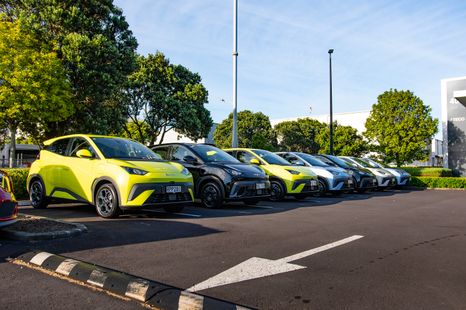

Dave Kavermann
BYD ramps up NZ supply as EV, PHEV demand continues to outstrip stock
BYD moves to secure more stock as strong demand continues for NZ's market leader in the PHEV and EV categories.
4 Hours Ago
The average price of 91 has finally fallen bellow the $3 per litre mark for New Zealanders, and economists expect fuel prices to fall further.
Journalist
Journalist
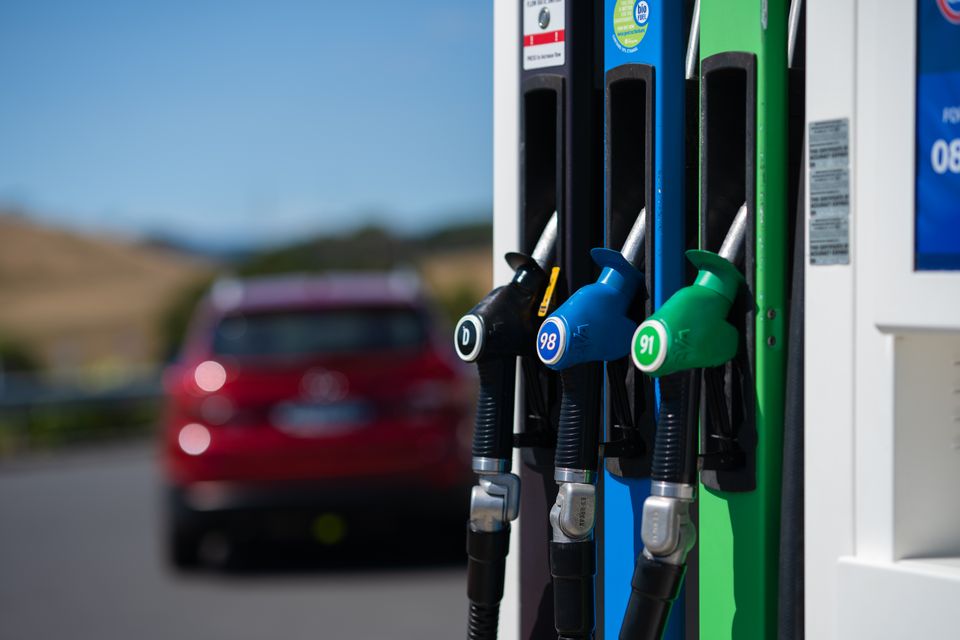
The average price of 91-octane petrol in New Zealand has fallen below $3.00 per litre for the first time in more than three months, with fuel prices continuing to retreat following recent volatility in global oil markets.
According to fuel price tracking app Gaspy, the national average price of 91-octane petrol now sits at $2.984 per litre, down 24.99 cents, or 7.73 per cent, over the past 28 days.
The latest figures mark the first time the national average for regular unleaded has dipped below the $3.00/L threshold since mid-March.
Diesel prices have fallen even further, dropping 54.76 cents (17.86 per cent) over the same period to an average of $2.519 per litre.
Premium fuels have also become cheaper, with 95-octane petrol averaging $3.179 per litre (down 21.3 cents), while 98-octane has fallen to $3.316 per litre, down 24.74 cents over the past month.
Fuel prices surged earlier this year as conflict in the Middle East disrupted oil markets and shipping through the Strait of Hormuz, pushing the average price of 91-octane petrol above $3.40 per litre at its peak.
While prices have steadily declined since a after a tentative peace deal between the United States was signed, the retreat has been far more gradual than the rapid increases seen during the height of the conflict.
The falling fuel prices also bring the Government's temporary fuel support package closer to its expiry conditions.
Introduced after petrol prices exceeded $3.00/L, the scheme provides an additional $50 per week through the in-work tax credit for around 143,000 low-to-middle-income working families with dependent children.
The payment is scheduled to continue for one year, or until the average price of 91-octane petrol remains below $3.00 per litre for four consecutive weeks.

Economists expect fuel prices could fall further if current trends continue.
Westpac chief economist Kelly Eckhold said wholesale fuel prices in Singapore indicate further reductions are likely to flow through to New Zealand service stations.
"We think the price for 91 would be heading towards the $2.80 to $2.90 range, maybe a bit closer to $2.90," Mr Eckhold told NZ Herald.
However, he warned a weaker New Zealand dollar could limit further reductions at the pump. The NZD has fallen about 6.0 per cent against the US dollar since late February, increasing the cost of importing refined fuel despite easing oil prices.
Mr Eckhold also noted shipping through the Strait of Hormuz remains well below pre-conflict levels, suggesting supply conditions haven't fully normalised.
Meanwhile, the Commerce Commission has warned fuel retailers it expects falling wholesale costs to be passed on to motorists as quickly as recent increases were.
Commerce Commission commissioner Bryan Chapple said the watchdog is closely monitoring fuel pricing behaviour and expects any reductions in wholesale fuel costs to be passed through to consumers.
"We expect to see decreases in global costs passed through to prices at the pump in the same way the increases have been," Mr Chapple said.
The watchdog said it will continue monitoring fuel prices weekly and has made it clear it expects lower import costs to be reflected at the pump now regional conditions have stabilised.
Prime Minister Christopher Luxon echoed the Commerce Commission's message and issued a clear message to fuel companies.
"We understand when prices go up, they need to raise them – but also when prices come down, they need to lower them too."
Finance Minister Nicola Willis echoed that sentiment, saying the Government expects any reduction in crude oil prices to eventually flow through to consumers.
"What we want to see is prices fall at the pump," Ms Willis said.
Brent crude oil, the international benchmark, is currently trading at around US$72 per barrel – still trading above pre-conflict levels, but well below the highs of US$126.41 reached during the height of tensions in the Middle East.
MORE: Government revises Fuel Response Plan, restrictions reserved for worst-case scenario
Dave is a Kiwi motoring journalist with experience in motorcycle racing, new car sales, radio and communications.
Dave Kavermann
4 Hours Ago

Dave Kavermann
6 Hours Ago


Max Davies
7 Hours Ago


Derek Fung
7 Hours Ago

Max Davies
7 Hours Ago


Matthew Hansen
5 Days Ago
Add CarExpert as a Preferred Source on Google so your search results prioritise writing by actual experts, not AI.