

 Showroom
 Car Chooser
 Compare
 Car Specifications

Derek Fung
Toyota reveals seven-cylinder and rear-wheel drive Camry concepts
The GR Yaris and GR Corolla prove Toyota can do crazy things, but two new Camry concepts push things to a new level.
13 Hours Ago

Editor
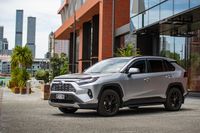
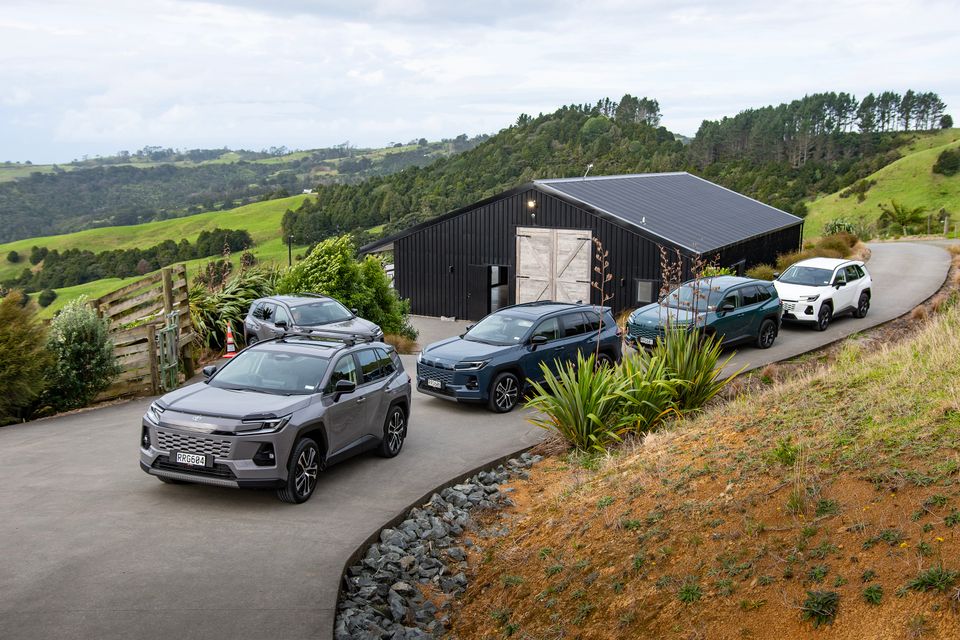
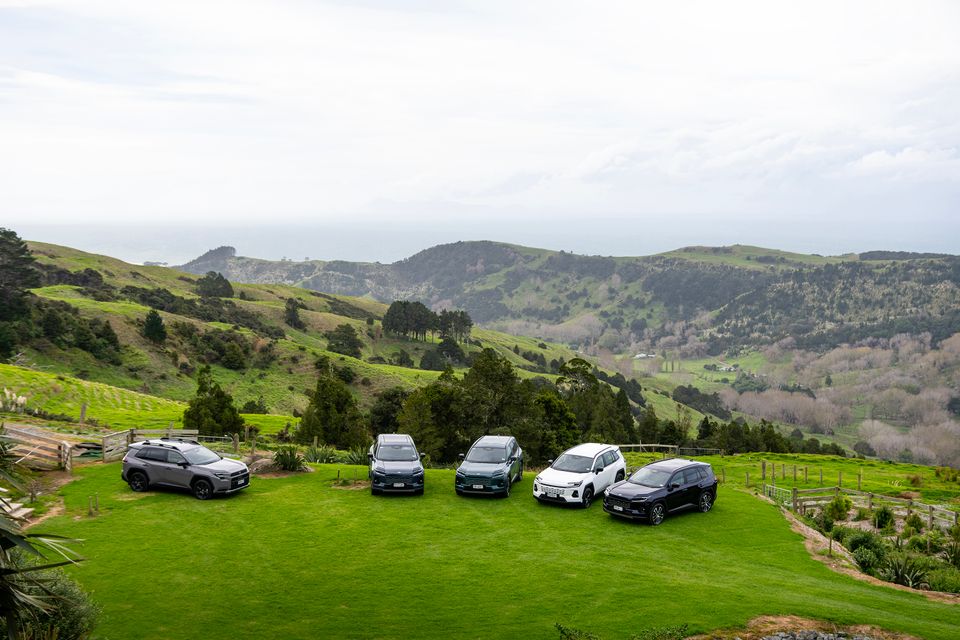
Following 10 uninterrupted years of Ford Ranger dominance in New Zealand, the popular pick-up was finally toppled in 2025 by the Toyota RAV4. And, even with a new sixth-generation RAV4 recently landing in the country, the brand is being realistic about its chances of repeating the feat.
Speaking to CarExpert NZ, Toyota New Zealand manager of product planning Sven Tulicic expects the nameplate to once again clock a strong year of registrations. But, he noted that the timing behind the new generation’s arrival has put its chances of a successful defence on the back foot.
“[The RAV4 being] number one last year was a very nice endorsement of the car, especially at the end of its lifecycle. It’s not a normal thing maybe that you would expect,” said Tulicic.
“Realistically it might be a tough task for RAV4 to achieve a win, but maybe not for the reasons you’d think. We’re starting sales from April or May, it’s not a full year. It’s hard to achieve market leadership when you’re starting in the second quarter.”
Tulicic said that 2026 is “going to be a challenging job for the automotive industry”, citing the ongoing conflict in Iran that has led to petrol prices rising to unprecedented heights worldwide, and the subsequent turbulence this has had on the sector.
Nevertheless, he said the updated RAV4 is off to a solid start, with “really good response from customers” and a “really good order bank being built up”.
To the end of March, the Toyota RAV4 had 1302 registrations, seeing it sit at the top of the pile in the passenger vehicle market (232 units ahead of the Mitsubishi ASX), and third overall behind the Ford Ranger and Toyota Hilux.
The Ranger holds a strong lead of more than 1000 units over the RAV4. Ford New Zealand managing director Annaliese Atina told CarExpert NZ in March that she does not expect rising diesel prices to have an adverse affect on Ranger sales this year.
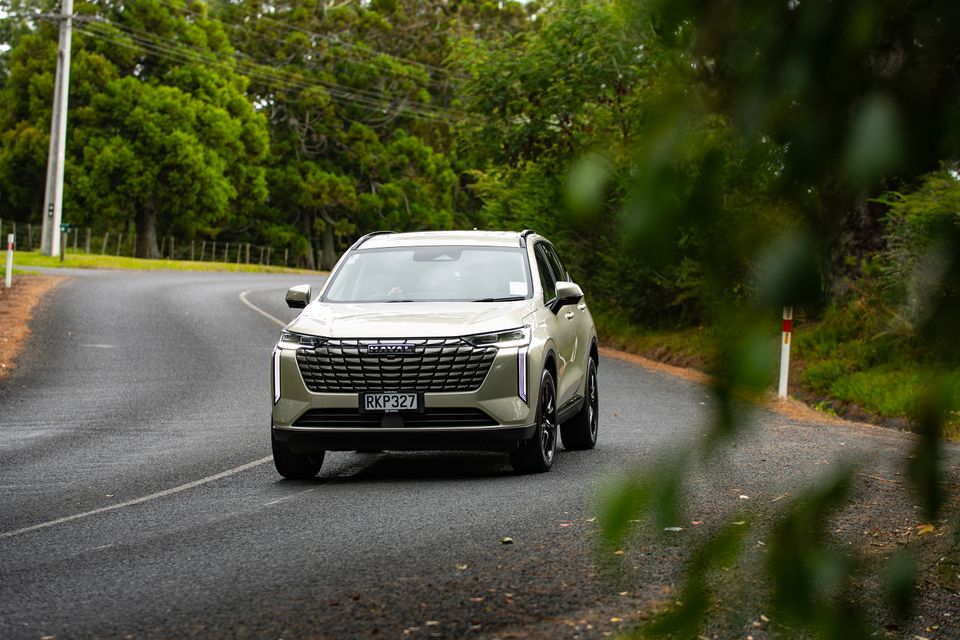
Another potential threat to the RAV4 dynasty is the rising number of affordable mid-size SUV rivals from China — including a slew of capable plug-in hybrids that compete directly with the brand’s new RAV4 PHEV.
The BYD Sealion 5 DM-i, Chery Tiggo 7 PHEV, Geely Starray EM-i, GWM Haval H6 PHEV, Leapmotor C10 REEV, and MG HS PHEV could all be considered rivals to the RAV4 PHEV. And each model undercuts the $57,990 entry price of the most affordable GXL grade.
The RAV4 PHEV boasts a 22.7kWh battery with a claimed real world electric range of 90–100km, according to the brand’s local arm. By comparison, the H6 PHEV (a nameplate that tops out at $53,990 plus on-roads) offers a claimed 106km of range from its 19.1kWh battery.
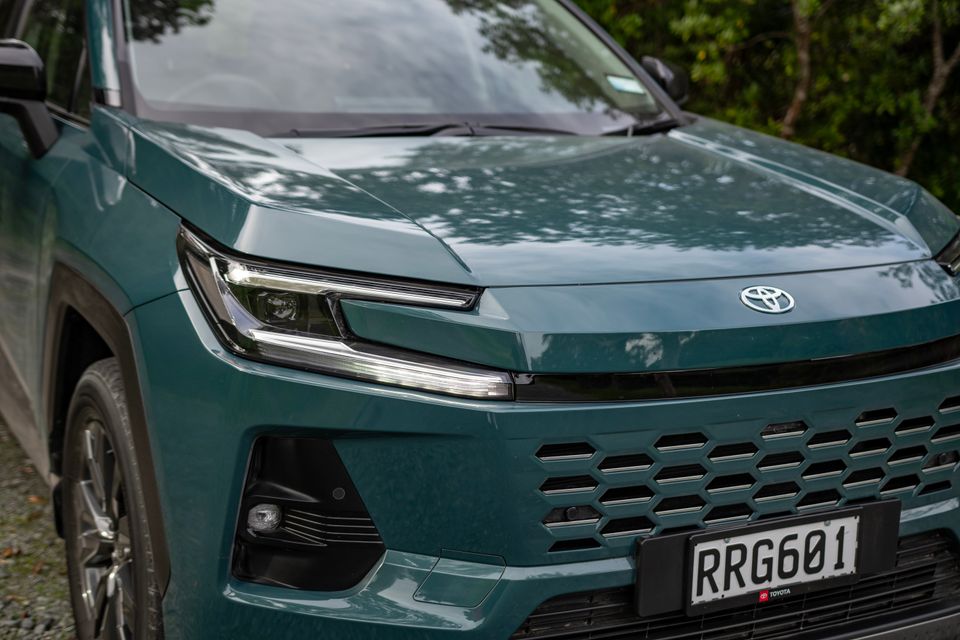
In its bid to fend off these competitors, Tulicic said that Toyota has an extensive global evaluation programme of rival products, adding that he has driven several local nameplates with comparable PHEV powertrains.
“I think any competitor in any industry would be foolish to not judge or evaluate the competitors they’re playing with,” he said.
“I think complacency is the biggest mistake in this business. Just as I think copying or using other people’s technology is the greatest form of flattery at the end of the day. If somebody’s got something that works better than you, you should be too stubborn not to learn from that.”
Where expert car reviews meet expert car buying – CarExpert gives you trusted advice, personalised service and real savings on your next new car.
Matthew Hansen co-founded motorsport outlet Velocity News, worked as a freelance photographer for various race teams, and was a specialist journalist for NZ Autocar Magazine and Driven at the NZ Herald. Most recently, he was Editor of Motoring at Stuff.co.nz.
Derek Fung
13 Hours Ago

Dave Kavermann
8 Days Ago
Matthew Hansen
17 Days Ago
Dave Kavermann
21 Days Ago
Dave Kavermann
27 Days Ago
Dave Kavermann
1 Month Ago
Add CarExpert as a Preferred Source on Google so your search results prioritise writing by actual experts, not AI.