What is an 'intimidating convoy'? Here's what New Zealand's new law actually means
The Government insists its new 'intimidating convoy' offence isn't aimed at car clubs or organised cruises, but at groups using dangerous driving to frighten communities.
One of the most talked-about parts of the Government's new antisocial road use laws isn't the crackdown on burnouts or illegal street racing – it's the new offence targeting so-called 'intimidating convoys'.
Despite concerns from some car enthusiasts, the legislation doesn't make it illegal to go for a cruise with friends. Nor does it threaten organised car cruises or major car events, such as Beach Hop.
The Government says the new offence is narrowly targeted at groups of vehicles used to intimidate members of the public through dangerous or reckless driving.
The legislation, passed this week as part of the Antisocial Road Use Legislation Amendment Bill, introduces a new offence known as 'dangerous or reckless activity conducted in a frightening or intimidating convoy'.
The law defines a convoy as "a group of two or more motor vehicles intentionally travelling together".
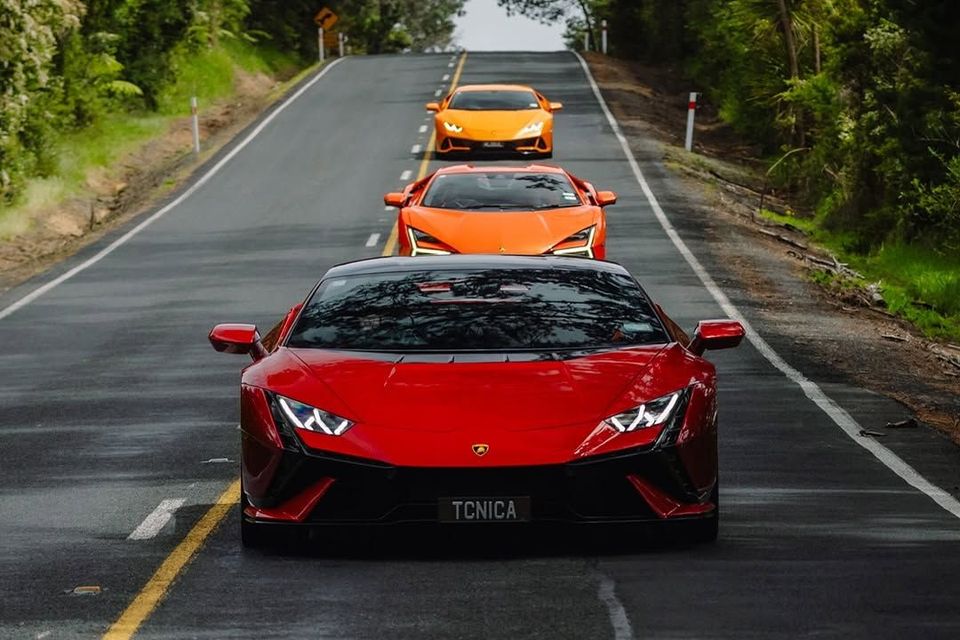
Organised road trips are not under threat with the new law, according to Transport Minister Chris Bishop.Photo/McLaren Auckland
However, that's only the first hurdle.
To commit the offence, a driver must engage in dangerous or reckless driving while travelling as part of the convoy.
On top of that, Police must establish the driver intended, knew, or was reckless as to whether their behaviour was likely to frighten or intimidate another person.
In other words, simply driving in a convoy or attending an organised cruise isn't enough to trigger the new offence.
The offence was created to target organised vehicle convoys that deliberately intimidate other motorists or communities, rather than ordinary groups travelling together.
Transport Minister Chris Bishop has repeatedly stressed the legislation isn't aimed at legitimate car clubs or enthusiasts.
"Importantly, the legislation includes safeguards to ensure penalties remain fair and proportionate, and does not target lawful car enthusiasts or legal motorsport events," Mr Bishop said following the Bill's passage.
Mr Bishop said the legislation was "tightly focused on illegal behaviour".
Instead, he said the legislation targets people who deliberately use their vehicles to intimidate others.
"Our message is simple: if you want to drive dangerously and intimidate communities, face the consequences."
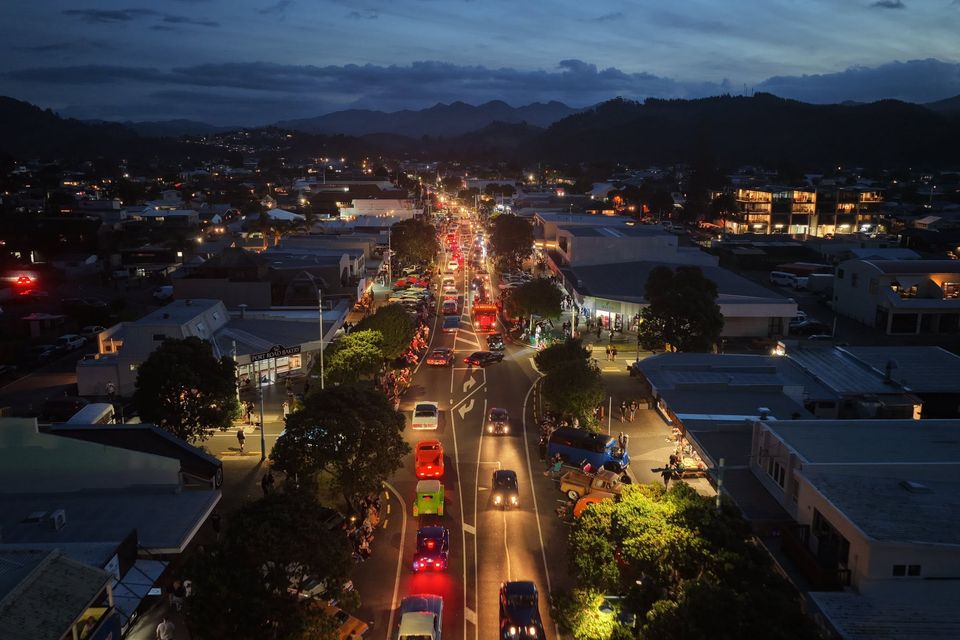
Organised car evens like Beach Hop are not threatened under the new lawn, according to Transport Minister Chris Bishop.
The Government has grouped intimidating convoys alongside other forms of antisocial road use, including illegal street racing, burnouts, fleeing Police, disorderly dirt bike gatherings, and siren battles.
The Ministry of Transport says these activities can restrict the movement of other road users, create significant safety risks, and cause damage to public infrastructure and private property.
The Government says Police have reported these events becoming more organised and occurring more frequently around the country.
Police will also receive expanded powers to deal with antisocial road events, including the ability to temporarily close roads, public spaces, and carparks, direct people to leave an area, and issue infringement notices to those who refuse.
Law Society sought clearer wording
During the Bill's select committee process, the New Zealand Law Society argued the offence should more clearly require a driver to be intentionally participating in a convoy, warning the original drafting could potentially capture motorists who weren't knowingly travelling as part of one.
It warned the wording could potentially capture motorists who found themselves travelling with another vehicle without intentionally participating in a convoy.
The Law Society recommended changes to ensure the offence clearly applied only where drivers were intentionally travelling together.
The Law Society said the original wording of the Bill “appears to effectively enable the travel of one vehicle to form a 'convoy'” in their submission on the Bill.
"This may lead to the offence being applied in situations where a person was not intentionally or knowingly operating their vehicle as part of a convoy."
The final legislation retains the requirement that a convoy consists of two or more vehicles intentionally travelling together, alongside the separate requirement for dangerous or reckless behaviour intended to frighten or intimidate others.
What it means for motorists
For most New Zealand motorists – including those who attend organised car meets or cruises – very little changes.
The legislation doesn't prohibit groups of vehicles travelling together, nor does it ban organised cruises.
Instead, the offence targets groups of drivers who deliberately use dangerous or reckless driving to intimidate other road users or communities.
As Mr Bishop put it, the legislation is "tightly focused on illegal behaviour", rather than lawful enthusiasts enjoying their vehicles responsibly.
Dave Kavermann
Journalist
Dave Kavermann
Journalist
Dave is a Kiwi motoring journalist with experience in motorcycle racing, new car sales, radio and communications.



 Showroom
 Car Chooser
 Compare
 Car Specifications