

 Showroom
 Car Chooser
 Compare
 Car Specifications

Dave Kavermann
Bruce McLaren's M6GT restored: The first McLaren road car is back
The first road car to wear a McLaren badge – and Bruce McLaren's own daily driver – has been restored by the company he founded
2 Days Ago
A reports finds that if NZ's vehicle fleet fed power back into the grid, they could rival every power station in the country.
Journalist
Journalist
New Zealand's growing electric vehicle (EV) fleet could do more than just replace petrol and diesel cars, EVs could potentially become one of the country's largest energy storage systems.
That's according to the 2026 State of the Nation report from Drive Electric New Zealand, which argues EVs could eventually play a much bigger role in how electricity is stored and distributed across the country.
The idea centres on Vehicle-to-Grid (V2G) technology, which takes the concept of Vehicle-to-Load (V2L) a step further.
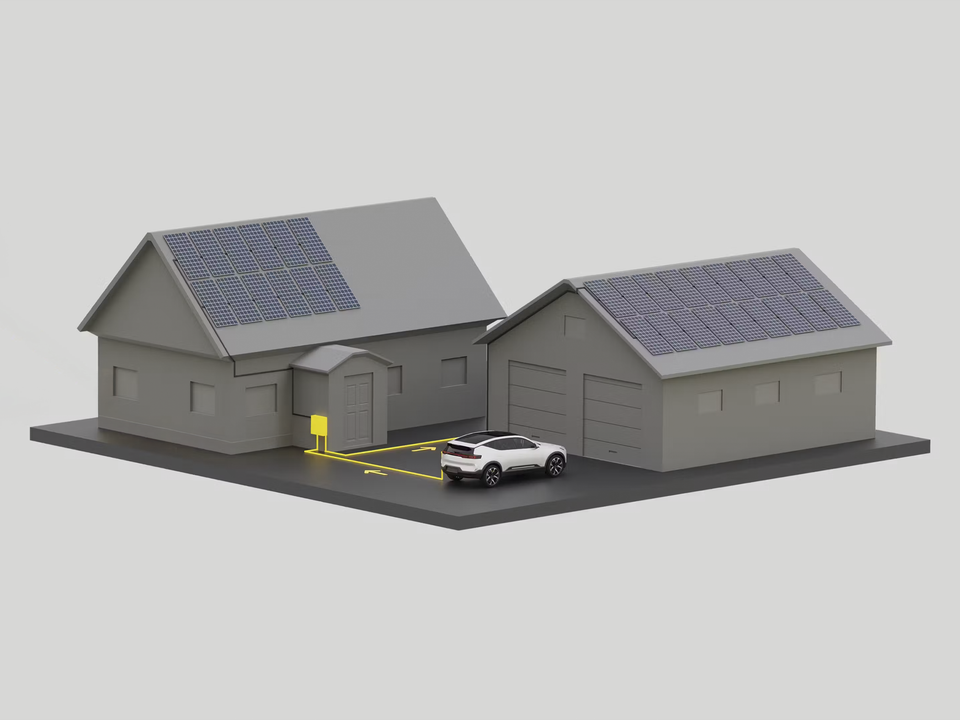
While V2L allows an EV to power appliances, tools, or other devices, V2G enables electricity to flow both ways. Compatible vehicles can draw power from the grid and also send energy back to homes, businesses, or the wider electricity network when demand rises.
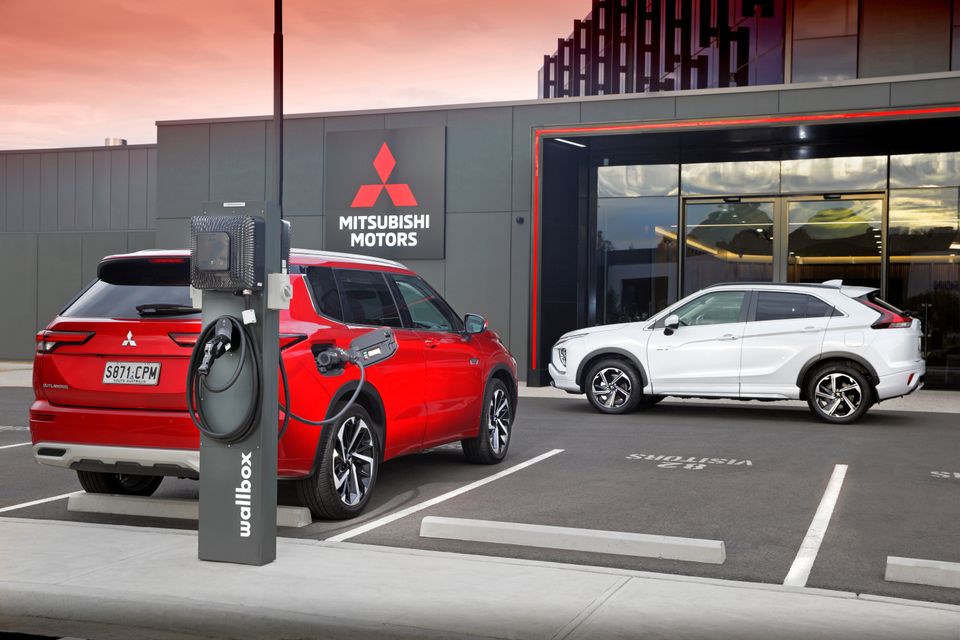
According to the AA, there are currently 117 EV models on sale in New Zealand offering V2L capability. V2G support, however, remains far more limited. Current examples include imported post-2019 Nissan Leafs, selected BYD models using third-party bi-directional chargers, and the Mitsubishi Outlander PHEV and Eclipse Cross PHEV. Polestar also offers this capability with overseas models.
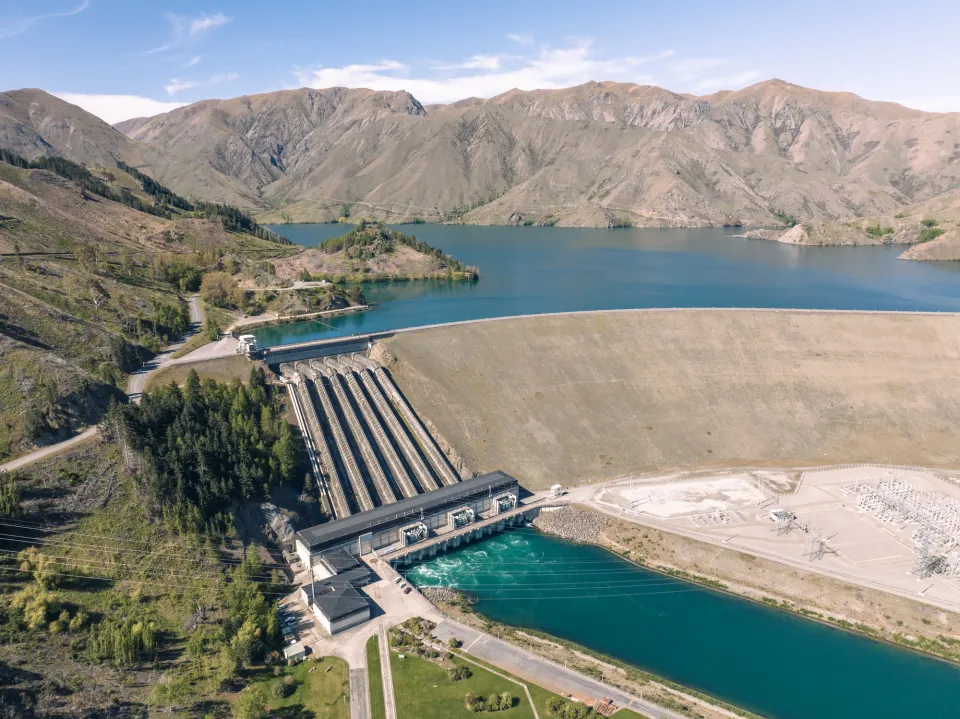
Drive Electric says the long-term potential could be substantial. According to the report, if just 30 per cent of New Zealand's vehicle fleet became V2G-enabled, the combined storage and output potential could rival the generating capacity of every power station in the country operating at full output.
That might sound ambitious given EVs still represent a relatively small share of New Zealand's overall vehicle fleet. Battery-electric vehicles and plug-in hybrids currently account for just over 3.0 per cent of New Zealand's light vehicle fleet, despite more than 140,000 plug-in vehicles now being on local roads.
But the report argues much of the required technology already exists. A number of EVs sold in New Zealand already support the necessary bi-directional charging hardware, though in many cases the functionality hasn't been enabled locally. The bigger challenge appears to be aligning regulations, infrastructure, and commercial systems.
The timing could also matter. As New Zealand adds more renewable generation from wind, solar, and geothermal projects, balancing supply and demand becomes increasingly difficult. Renewable energy isn't always generated when it's needed, meaning excess electricity produced during windy or sunny periods needs to be stored somewhere.
Until now, that has typically meant large-scale battery projects or costly network upgrades. V2G could provide another option by using batteries already sitting in garages and carparks.
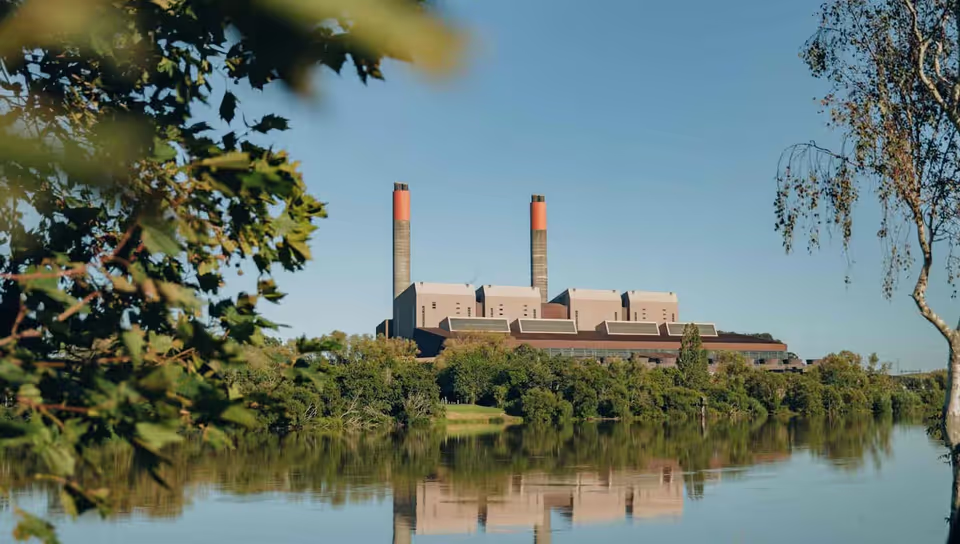
A typical 60kWh EV battery stores enough energy to power an average New Zealand household for roughly two to three days. Scale that across thousands of vehicles and the numbers quickly become difficult to ignore.
The report estimates households could generate up to $2000 in annual value per vehicle through lower electricity costs, better use of home solar systems, and selling electricity back into the grid during peak demand periods.
Commercial operators could see even larger returns, with light vehicle fleets potentially generating up to $10,000 annually per vehicle, while specialist fleets could deliver as much as $25,000.
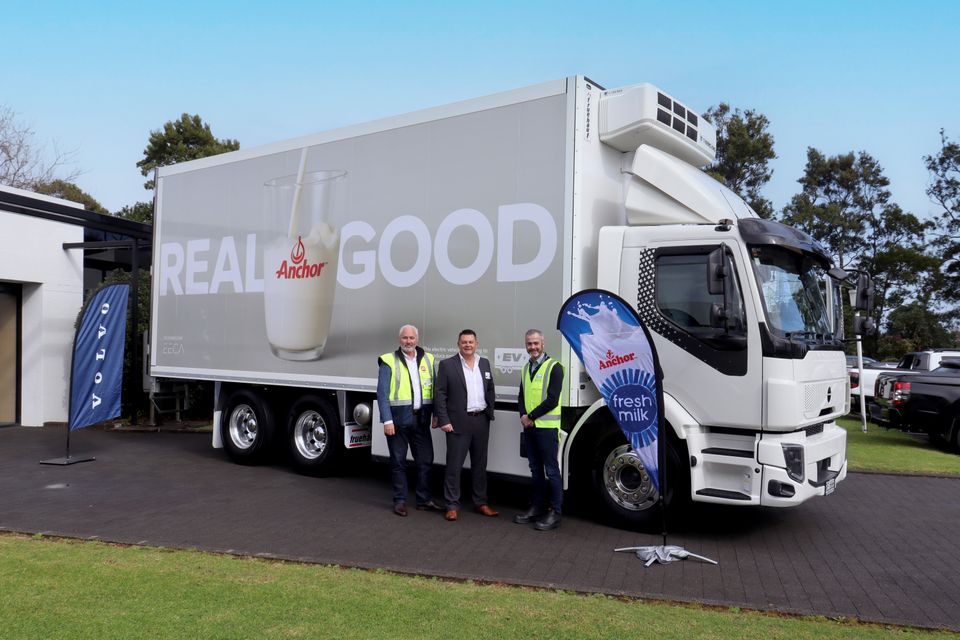
One example highlighted in the report involves Fonterra. Electrifying 600 milk tankers fitted with 300kWh battery packs could create around 180MWh of storage capacity and potentially generate roughly $15 million in annual value.
For years, EVs have largely been viewed as replacements for combustion-powered vehicles. The next step could be much bigger: parked cars becoming part of New Zealand's electricity network.
Dave is a Kiwi motoring journalist with experience in motorcycle racing, new car sales, radio and communications.
Dave Kavermann
2 Days Ago

CarExpert
2 Days Ago

Dave Kavermann
2 Days Ago
Dave Kavermann
2 Days Ago

Dave Kavermann
3 Days Ago

Damion Smy
3 Days Ago
Add CarExpert as a Preferred Source on Google so your search results prioritise writing by actual experts, not AI.