

 Showroom
 Car Chooser
 Compare
 Car Specifications

Dave Kavermann
Nissan Z Nismo manual joins NZ range as sports car lineup gains 2026 updates
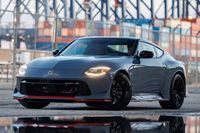
Nissan have finally delivered what enthusiasts have asked for, with a manual transmission Nismo Z joining the NZ lineup.
9 Hours Ago
Foton's return to the NZ market led by a big, surprisingly compelling ute.
Where expert car reviews meet expert car buying – CarExpert gives you trusted advice, personalised service and real savings on your next new car.
If you’re a bit of a ute nerd — or you work a job that requires a high-visibility vest — you might recall a brand called Foton. It’s last stab at New Zealand’s light commercial vehicle market was hampered by its bouncing between distributors, a market less receptive to Chinese vehicles, and eventually the decision to drop right-hand drive production.
In 2026, the brand is back with a dual-cab ute product with surprising appeal.
That’s not to say the Foton name hasn’t been present in New Zealand. They’re one of the country’s leading challenger brands in the world of light trucks, and they also have representation in our bus fleet. They may not have many recent runs on the board when it comes to utes, but their work in the large vehicle space is still pretty relevant.
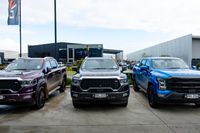
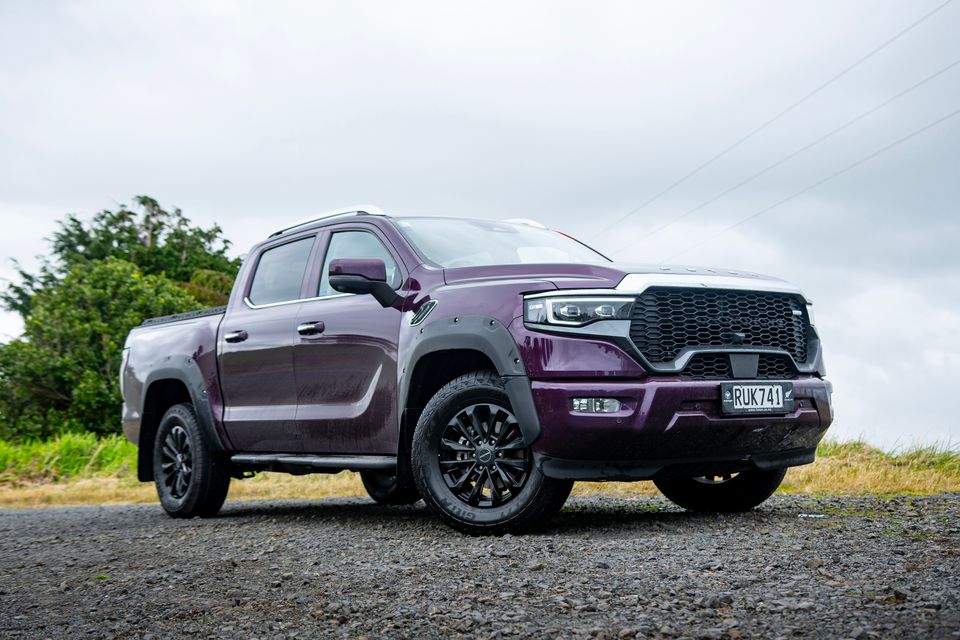
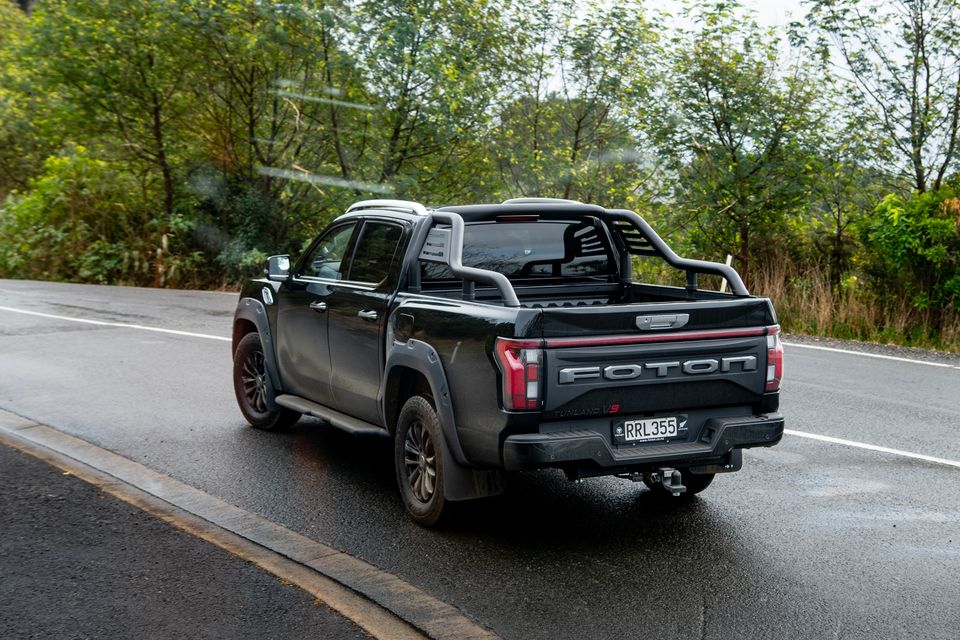
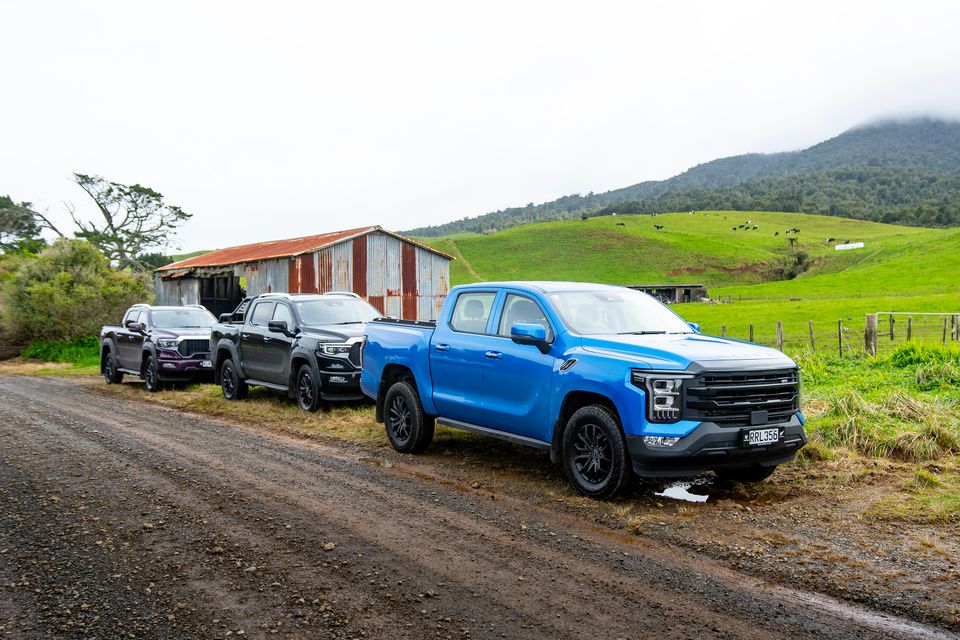
The brand returns with an all-new Tunland and immediately, there’s an obvious elephant in the room. There’s two versions, the V7 and the V9, and the pair’s designs both ‘take inspiration’ from two American pick-ups — the Ford F-150 in the case of the V7 and the RAM 1500 for the flagship V9.
But, as we found out at the national launch in Hamilton last week, these are more than just a pair of mere copycats.
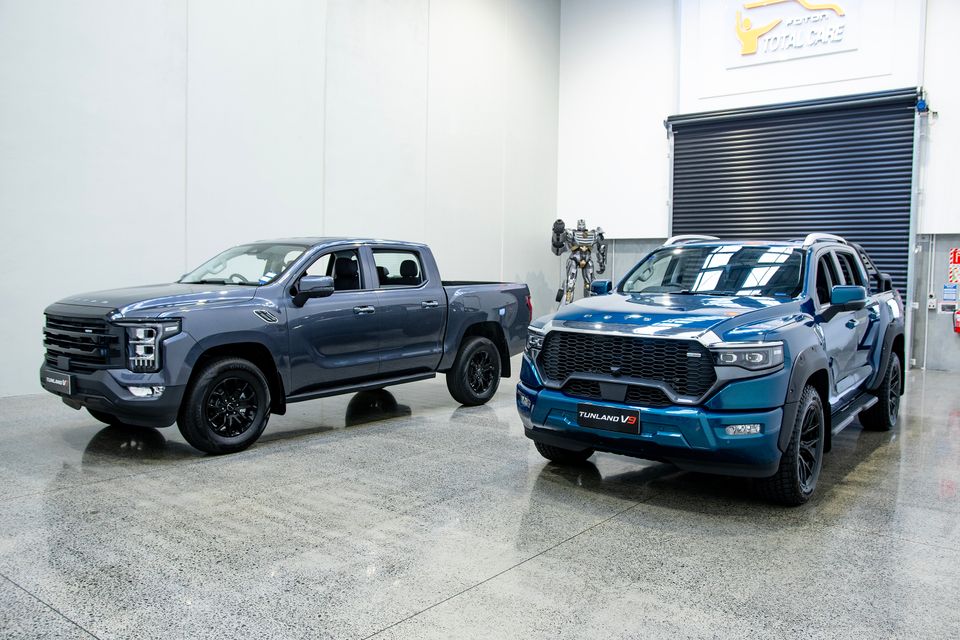
The Tunland is a big pick-up, with the brand’s local team saying it believes the model sits in a slightly different segment to dominant dual-cab utes like the Ford Ranger and Toyota Hilux. At 5617mm long, it’s almost 400mm longer than a Ranger whilst also being just under 300mm behind a Chevrolet Silverado.
Indeed, the Tunland is the longest pick-up on sale in New Zealand that isn’t a full-size American tank. It doesn’t quite have this nook of the market all to itself, though. The GWM Cannon Alpha and platform sharing MG U9 and LDV Terron 9 can all be considered direct rivals. Although none of the trio offers a mild-hybrid diesel powertrain like the Tunland’s. And, none are quite this cheap.
Model | Price before on-road costs |
|---|---|
Foton Tunland V7-C 4x2 | $48,990 |
Foton Tunland V7-C 4x4 | $51,990 |
Foton Tunland V9-S 4x4 | $57,990 |
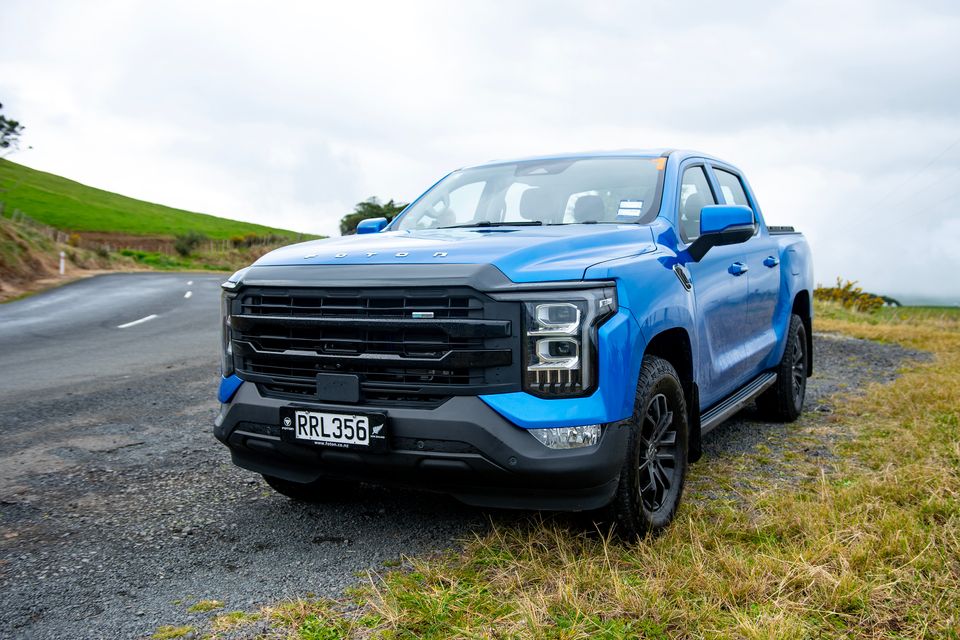
The F-15 … I mean, Tunland V7-C, starts at $48,990 plus on-road costs for the rear-wheel drive grade. An extra pair of driven wheels (accompanied by rear diff lock and all-terrain rubber) is an additional $3000, which sees it undercut the cheapest all-paw grades of the U9 ($60,990), Terron 9 ($54,990), and Cannon Alpha ($59,990).
The V9-S, meanwhile, is sold exclusively with four-wheel drive from $57,990, and is loaded with features usually only available on utes priced beyond the 70-grand marker. The V9-S is actually a little larger than the V7-C on a count of its widened track. Each Tunland grade is supported by a 7-year unlimited kilometer warranty and 7-year roadside assistance.
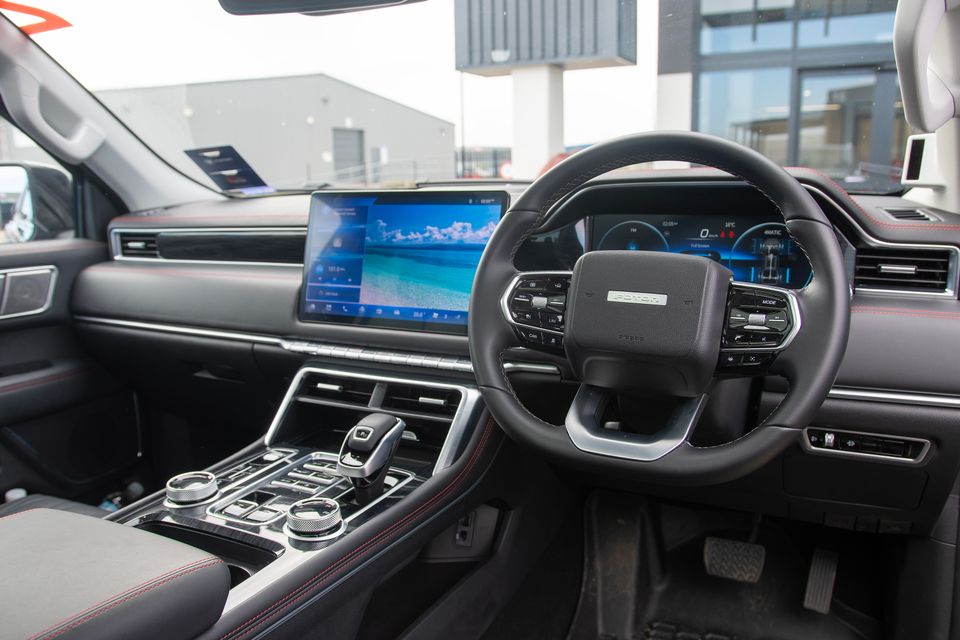
Newsflash; ute that’s big on the outside is also plenty big on the inside.
The Tunland’s 3355mm wheelbase is the largest in segment, and inevitably results in there being a huge amount of room inside, particularly for second-row occupants. Just like in its MG, LDV, and GWM rivals, legroom and headroom are both substantial inside the Foton.
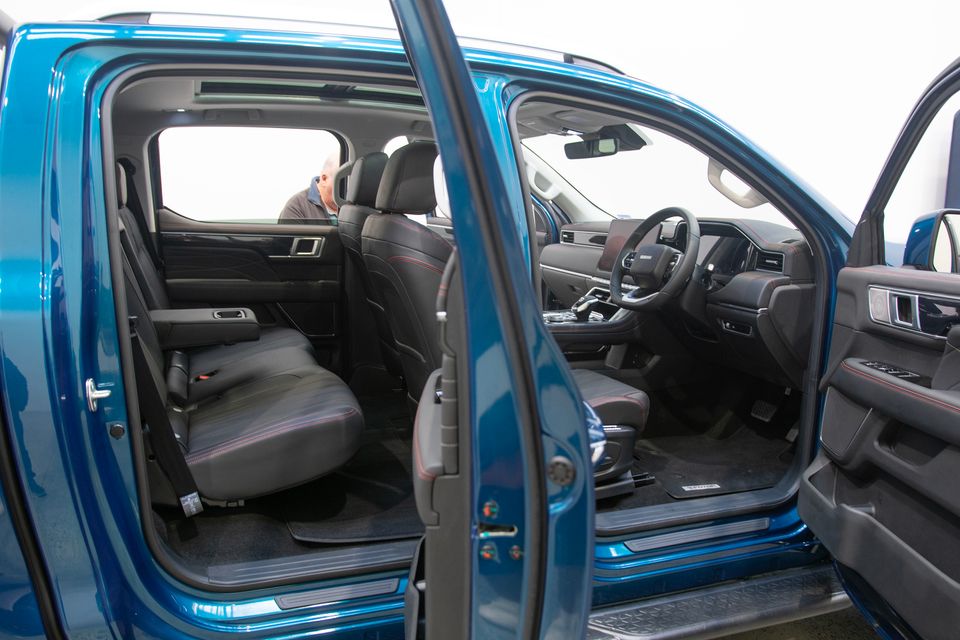
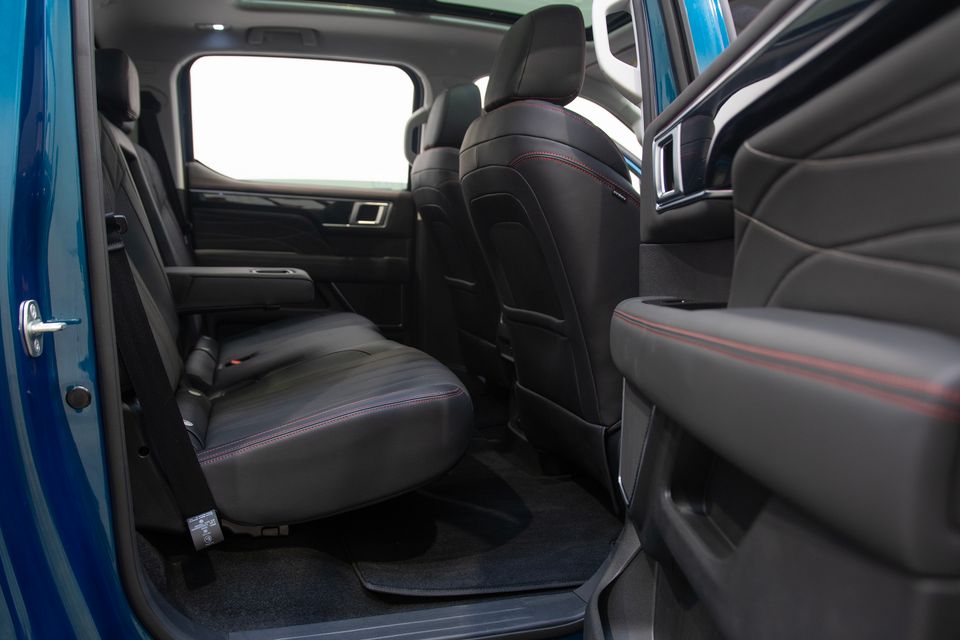
One neat point of difference is that the floor is completely flat, with no discernable transmission tunnel hump. The rear bench seat can also fold upwards to reveal a handy storage nook underneath.
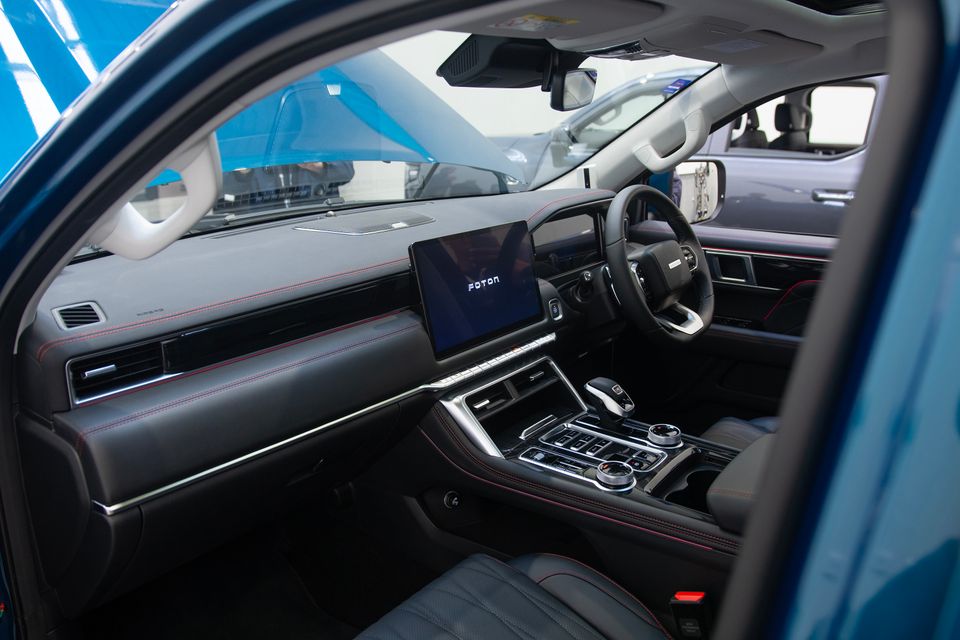
Although the V7-C and V9-S look quite different on the outside, they share largely the same cabin, with equipment levels on the generous side no matter which trim you go for.
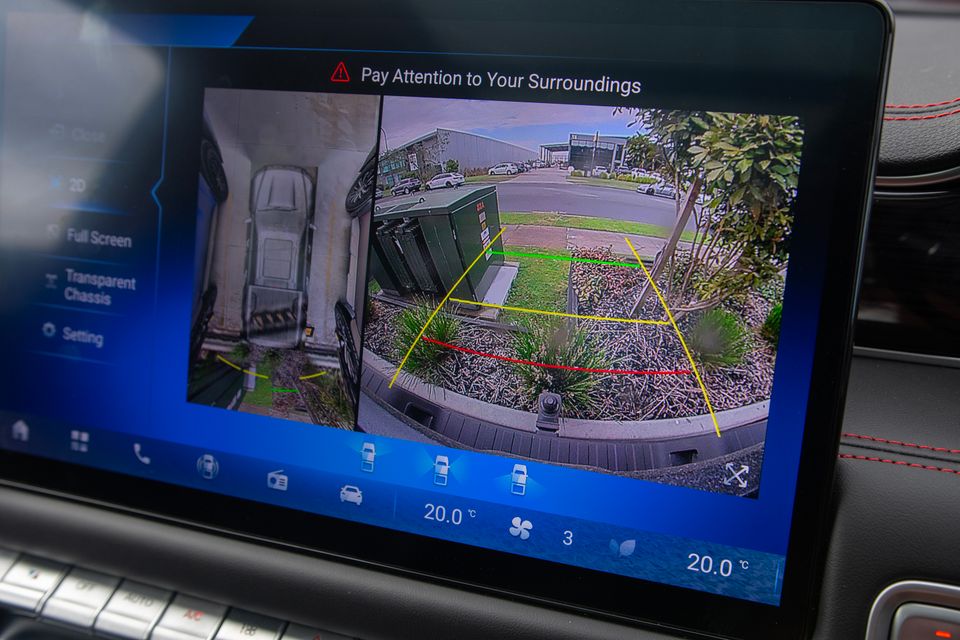
The V7-C gets a 12.3-inch digital cluster, 14.6-inch touchscreen, wireless Apple CarPlay, a 360-degree camera, ambient lighting, two power sockets, four USB-A ports, a wireless charger, heated front seats, synthetic leather with red stitching, and plenty more as standard.
We spent most of our time in the V9-S, which adds a considerable list of additional stuff like a panoramic sunroof, memory seats, tinted rear windows, dual-zone climate control, cooled front seats, heated outboard back seats, and the optional extra of chocolate brown upholstery.
There were only two notable features missing from the Tunland range. There’s no head-up display, which admittedly isn’t a super common feature in the segment anyway. More notable is the lack of Android Auto, which the brand’s local arm says isn’t going to be rectified any time soon.
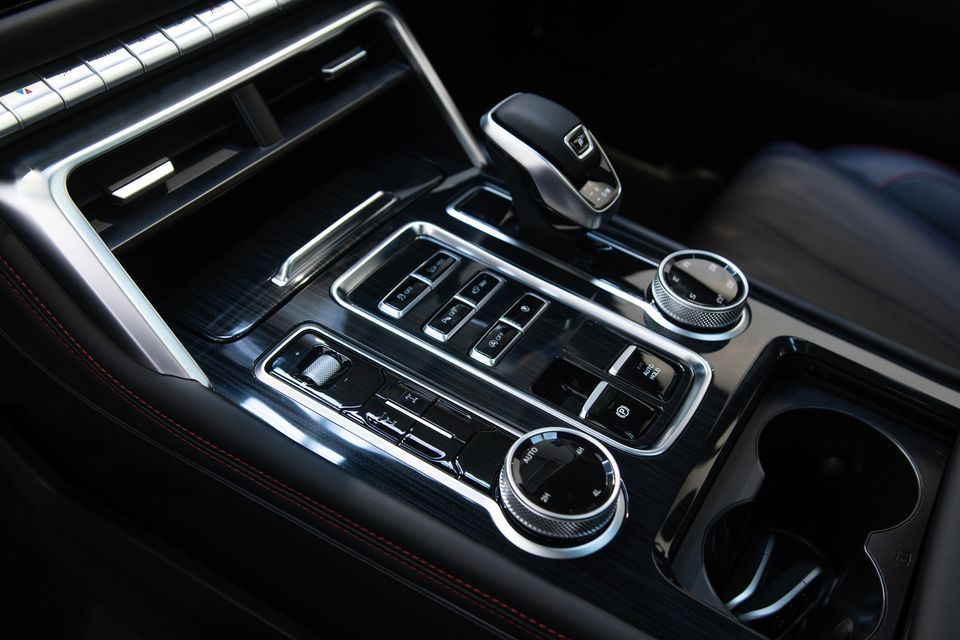
For a brand that hasn’t offered a light commercial or passenger car in New Zealand in quite some time, the Tunland’s interior quality is pretty impressive. Every major touchpoint up front is plush to the touch, including the tops of the door cards and the wide dashboard. I appreciated that the gloss plastic trim in the centre console has a slight woodgrain finish to it, which should partially mask fingerprints and other grubbiness.
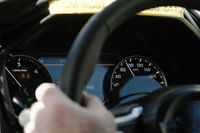
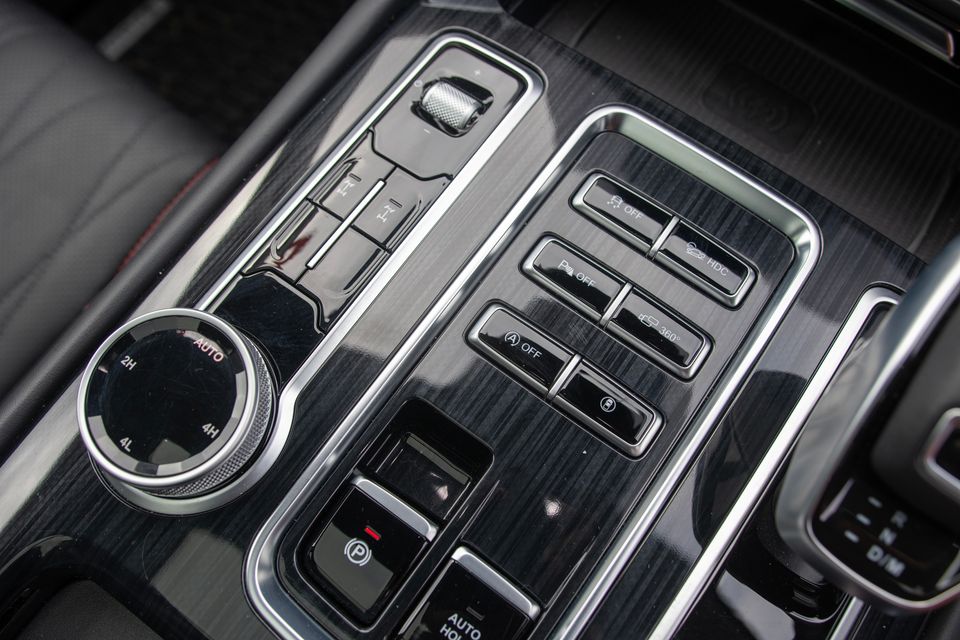
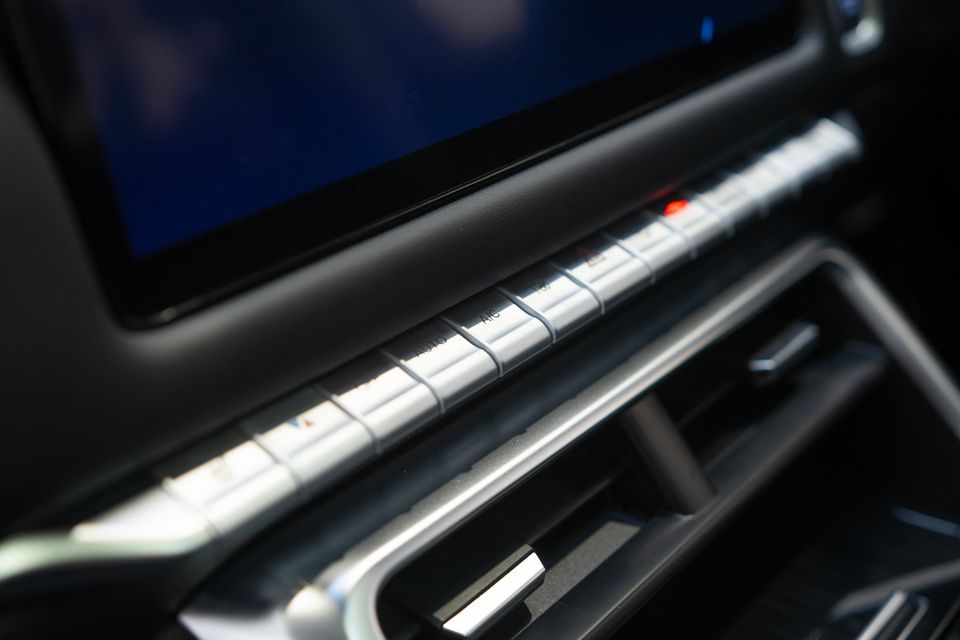
The software powering the screens (at least in our brief launch drive) works well, although some of its elements are clearly copied from a certain three-pointed German manufacturer. The cameras are pin sharp. And there are plenty of physical controls, ensuring none of the Tunland’s core features are buried in the menu structure of its touchscreen. Volume control, off-roading settings, climate adjustment and more are all linked to buttons.
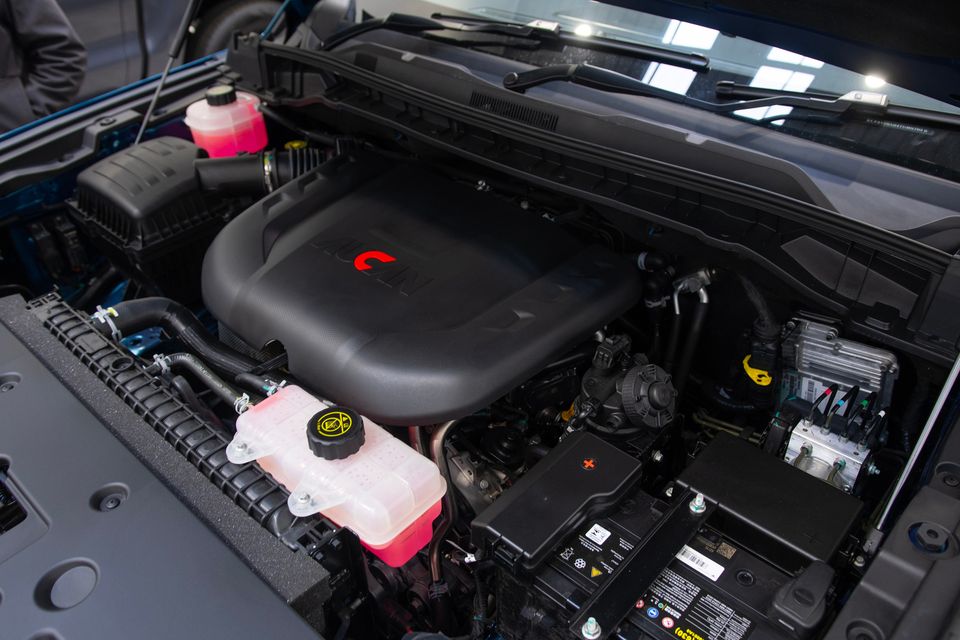
The Tunland is just the second mild-hybrid diesel pick-up on the market, beaten only by the 2.8-litre mild-hybrid in the Toyota Hilux. Its 2.0-litre 4-cylinder turbodiesel with attached 48-volt hybrid hardware develops 120kW of power and 450Nm of torque — 30kW/50Nm less than the Hilux. It’s supported by an 8-speed automatic sourced from ZF, a company that Foton actually has a joint venture with.
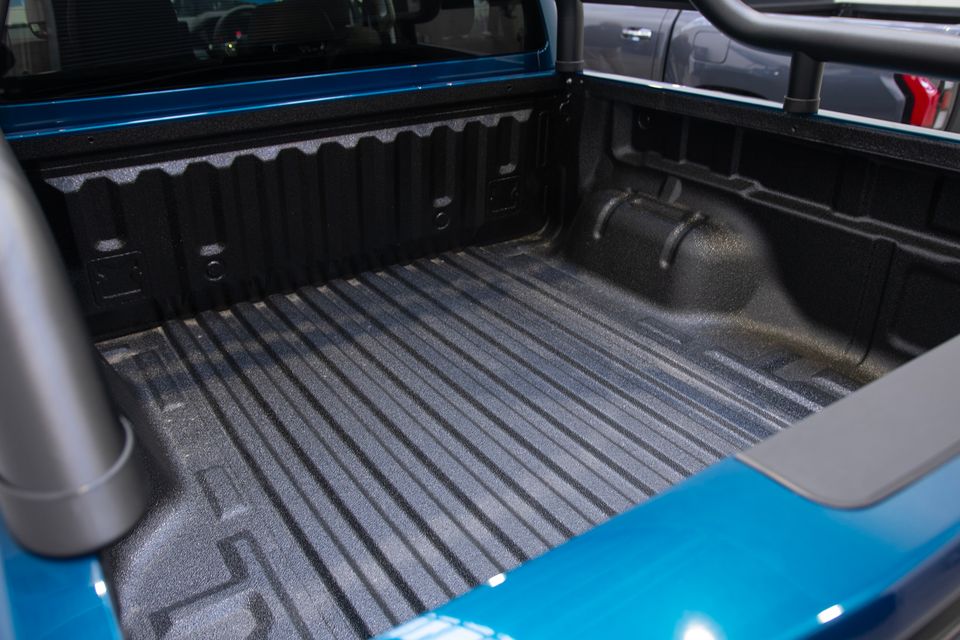
It might not produce a huge amount of power and torque, but Foton still boasts a 3500kg braked towing capacity, along with a 1000kg payload rating for the bed. Foton has a lot of confidence in the 2.0, given it’s derived from a unit used in its light trucks. Theoretically then, ute duty should be a relative walk in the park.
As far as fuel economy goes, 8.1L/100km combined is claimed by the Chinese marque, a shade under what Toyota claims from its electrified 2.8.
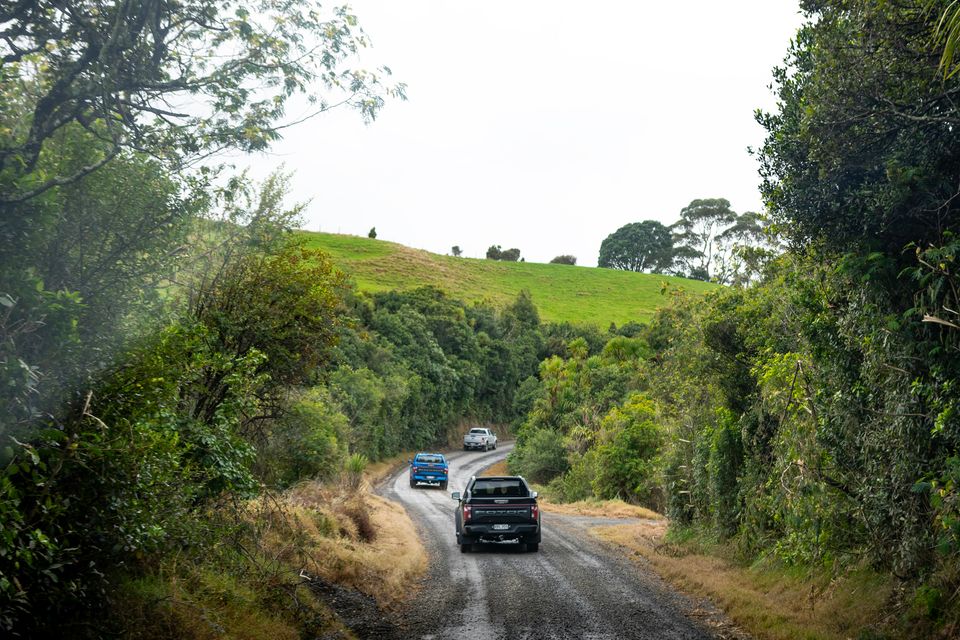
Our drive of the Tunland started at the brand’s head office in Hamilton, and eventually took us out to the coast of Raglan via a sequence of paved and gravel-based backroads.
The Tunland might be larger than the U9 and Terron 9, but it doesn’t feel like it on the road. Thanks to its more rounded body, less imposing bonnet shape, and lighter steering, the Tunland is actually quite a straightforward ute to drive around town —- generally feeling no bigger than a Ranger or Hilux.
Perhaps the biggest surprise was the smoothness and refinement of its 2.0-litre mild hybrid, and its accompanying 8-speed.
You might think ‘brand that’s been out of the market a long time, coming from a region still working on improving the driving dynamics of its cars, this is going to be a challenge’. Those were certainly my expectations heading into the day. But, at least on the road, the Tunland proved to be a pleasant surprise.
The transition between hybrid and diesel power is largely indiscernible from the driver’s seat. The automatic also does most of its work in the background without any unpleasant lurching or surprise moments of indecision. You can often feel it neatly navigating downchanges when you’re coasting to a stop.
All of that said, the 2.0-litre isn’t what you’d call a performance firecracker. It gets out of its own way and the hybrid system does help things along, but you get more lively response from the GWM Cannon Alpha, Ford Ranger, and BYD Shark 6. As part of the launch, we did a brief tow test with a trailer weighing around two tonnes, and the Tunland felt at home loaded up.
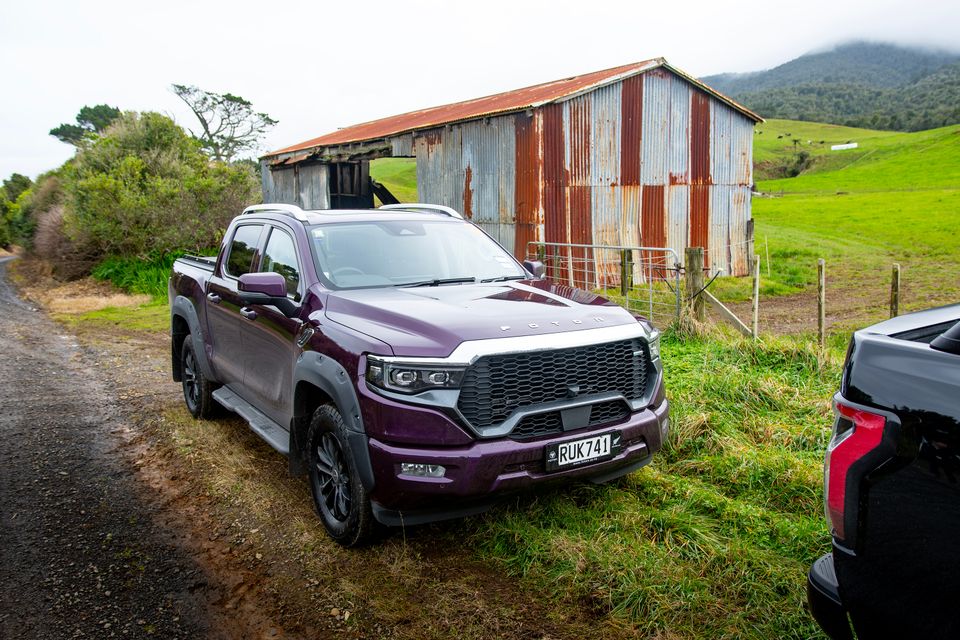
Other than aesthetics, there is one key mechanical difference between the V7 and V9, and that relates to suspension. The V7 gets a more traditional leaf spring rear suspension set-up, whilst the V9 opts for coils. The idea is that the V7 is the designated workhorse of the range, whilst the V9 is expected to attract customers more keen on comfort.
Driving both models back to back, the differences between the two set-ups on well sorted roads is fairly minimal. The pair ride our mixed condition roads quite well, with comfort comparable to the likes of the Cannon Alpha. Unladen, it’s difficult to pick a difference between the two options. We’re keen to circle back to this once we’ve spent more time with the Tunland range.
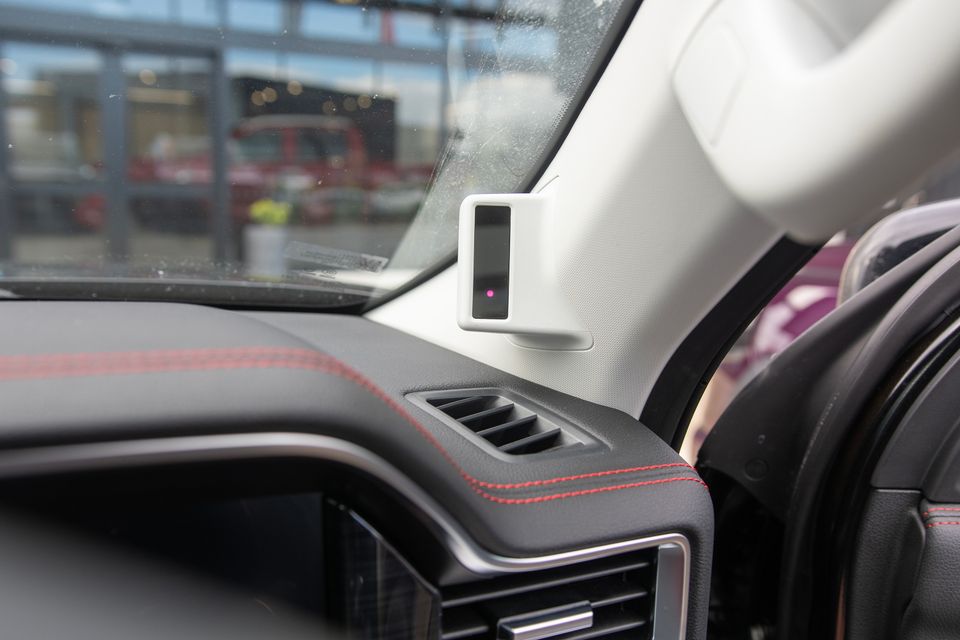
Foton has skipped over bringing in a traditional ‘worksite special’ Tunland spec to market, meaning that you’re going to be getting plenty of kit regardless of what trim you opt for. The brand is still working away on pricing for its optional extra packages, which range from things like the brown interior in the V9, to the products Foton has arranged from local supplier MAC Utes.
Foton Tunland V7-C 4x2 equipment highlights:
Tunland V7-C 4x4 adds:
Tunland V9-S 4x4 adds:
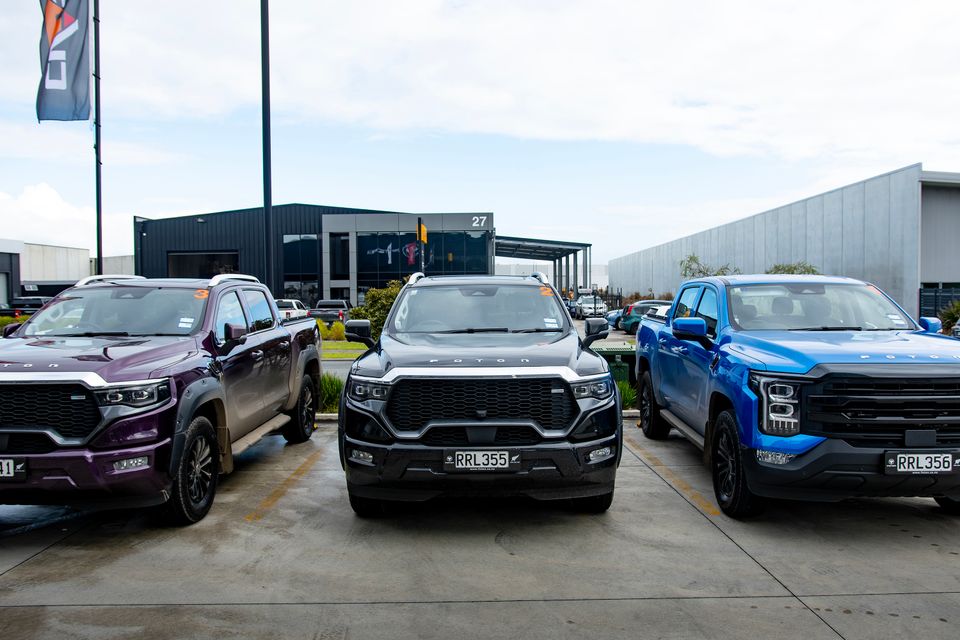
The Foton Tunland has a few challenges ahead, like building brand equity in an increasingly competitive market and increasing its dealer network. But, the Tunland is a surprisingly compelling starting point for the Chinese marque to build from.
With a price that’s more than compelling, sharp styling that’s sure to start plenty of conversations at the proverbial tradie watering hole, and a slick powertrain with truck DNA, the Tunland shapes up as a valid contender that stands out from the crowd.
Where expert car reviews meet expert car buying – CarExpert gives you trusted advice, personalised service and real savings on your next new car.
Matthew Hansen co-founded motorsport outlet Velocity News, worked as a freelance photographer for various race teams, and was a specialist journalist for NZ Autocar Magazine and Driven at the NZ Herald. Most recently, he was Editor of Motoring at Stuff.co.nz.
Add CarExpert as a Preferred Source on Google so your search results prioritise writing by actual experts, not AI.
Dave Kavermann
9 Hours Ago
Dave Kavermann
10 Hours Ago
Dave Kavermann
10 Hours Ago

Damion Smy
12 Hours Ago

Matthew Hansen
14 Hours Ago
Damion Smy
14 Hours Ago
Add CarExpert as a Preferred Source on Google so your search results prioritise writing by actual experts, not AI.
† Displayed prices exclude on-road costs such as delivery charges, registration fees, number plates, insurance and applicable road taxes. These prices are subject to change without notice and may not reflect current market pricing or dealer offers.
 Automotive Vehicle Spec Data & 4K images Powered by JATO Dynamics Ltd