

 Showroom
 Car Chooser
 Compare
 Car Specifications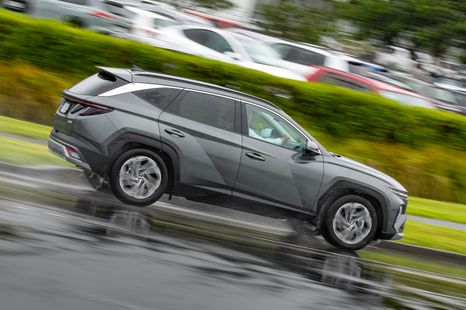

Matthew Hansen
Hyundai Tucson recalled over braking issue
Hyundai's popular mid-size SUV recalled over potential driver assistance issue that can lead to unexpected brake applications.
8 Days Ago
The previous Tucson was the fifth best-selling SUV in 2025, could these changes help elevate Tucson II to new heights?
Where expert car reviews meet expert car buying – CarExpert gives you trusted advice, personalised service and real savings on your next new car.
The current fourth-generation Hyundai Tucson has been on sale for over four years now, so it’s time for a facelift.
The popular mid-size SUV wasn’t in need of a total overhaul, that said, the Tucson II arrives with meaningful changes to powertrains, interior space and safety tech.
The Tucson II engine lineup has been simplified. Turbo diesel and petrols have been dropped in favour of two entry-level pure-petrol models, while the hybrid carries over unchanged and powers all other models, like our Elite front-wheel drive (FWD) tester seen here.
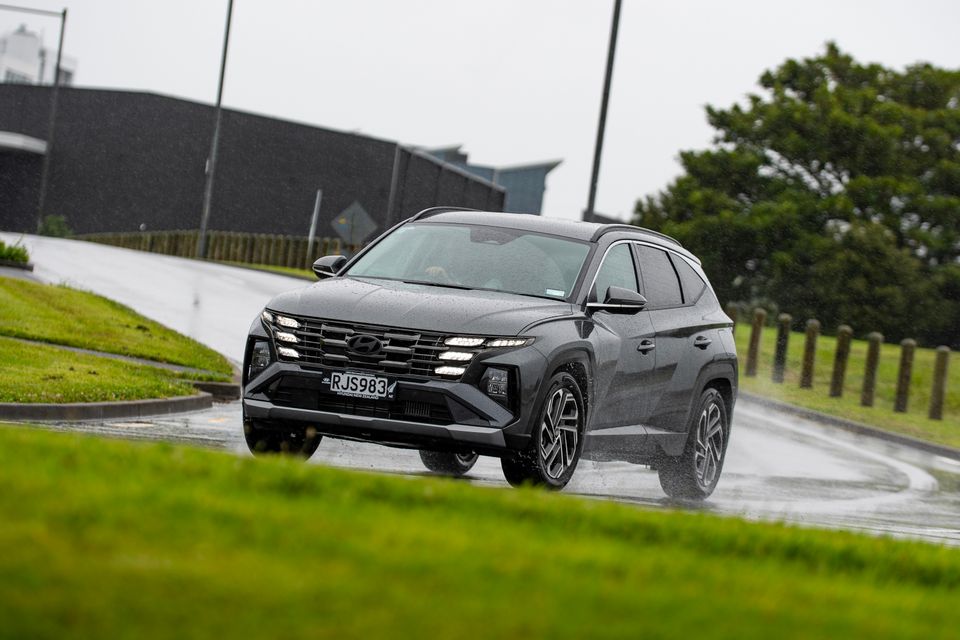
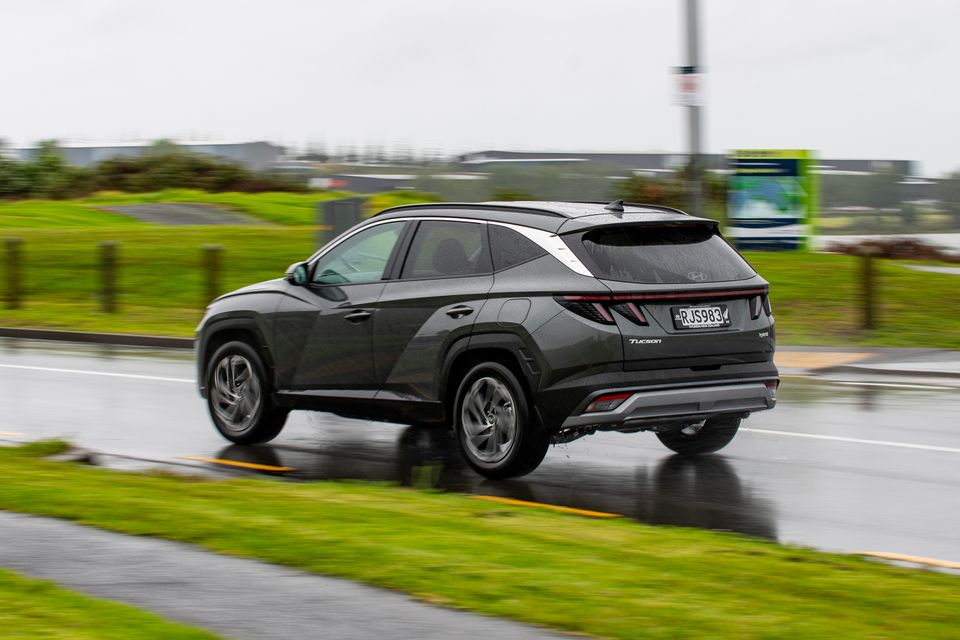
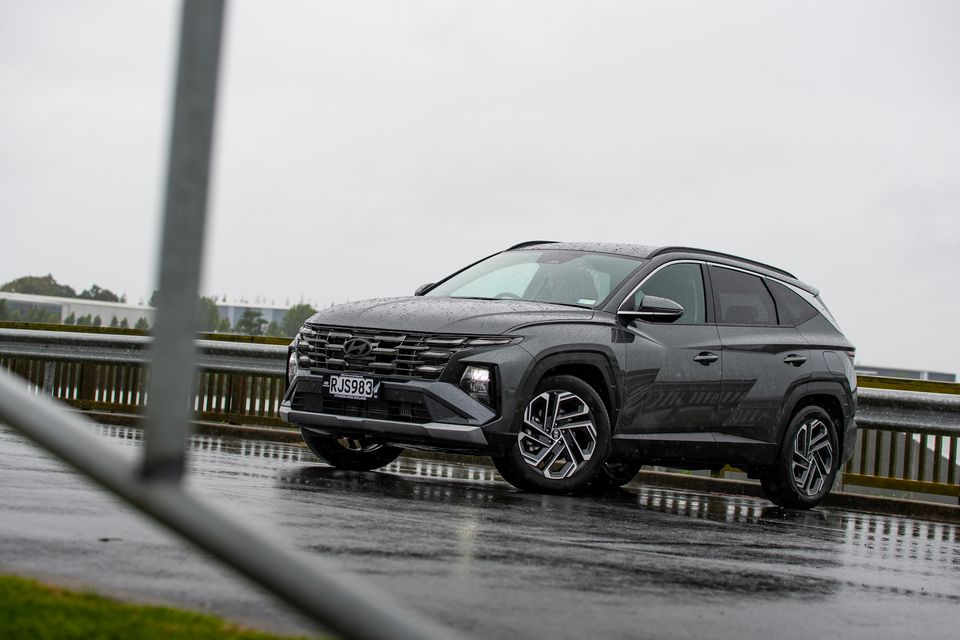
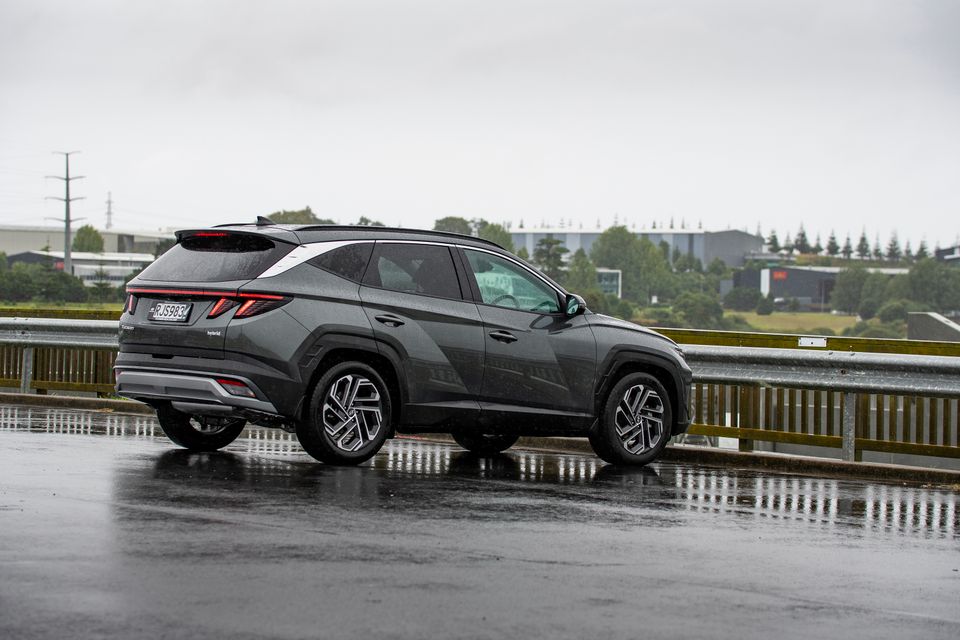
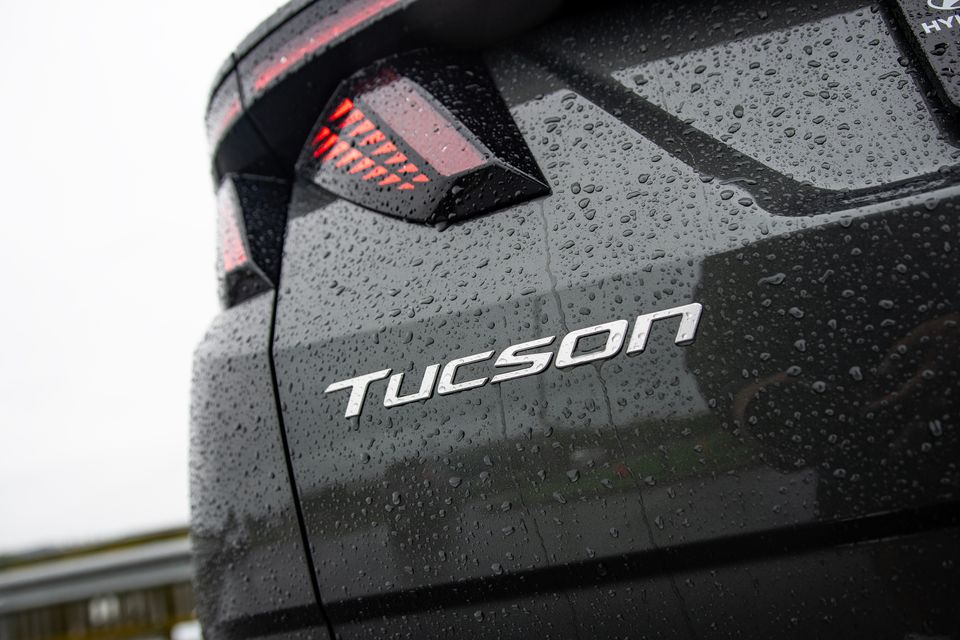
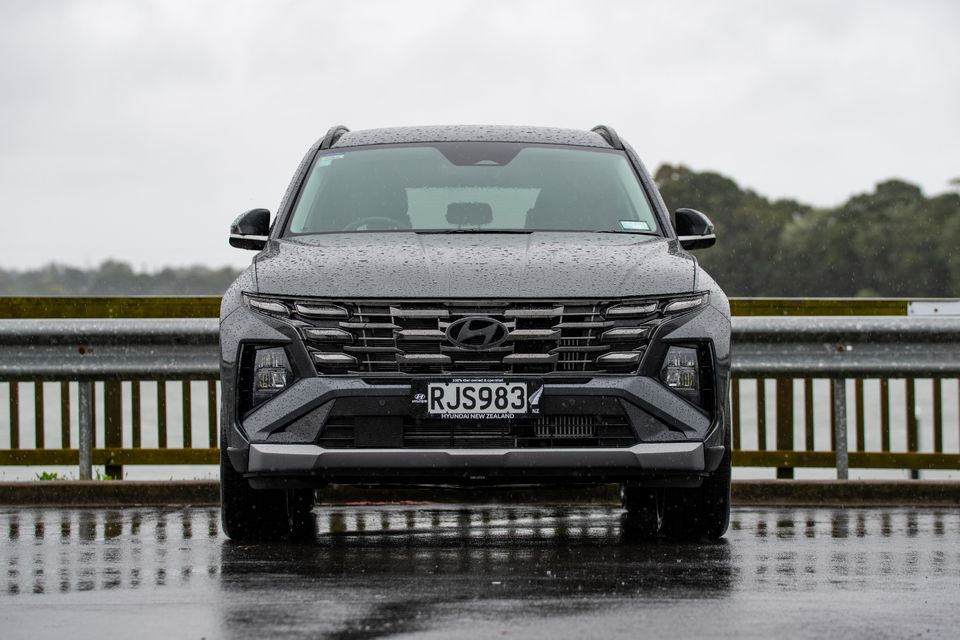
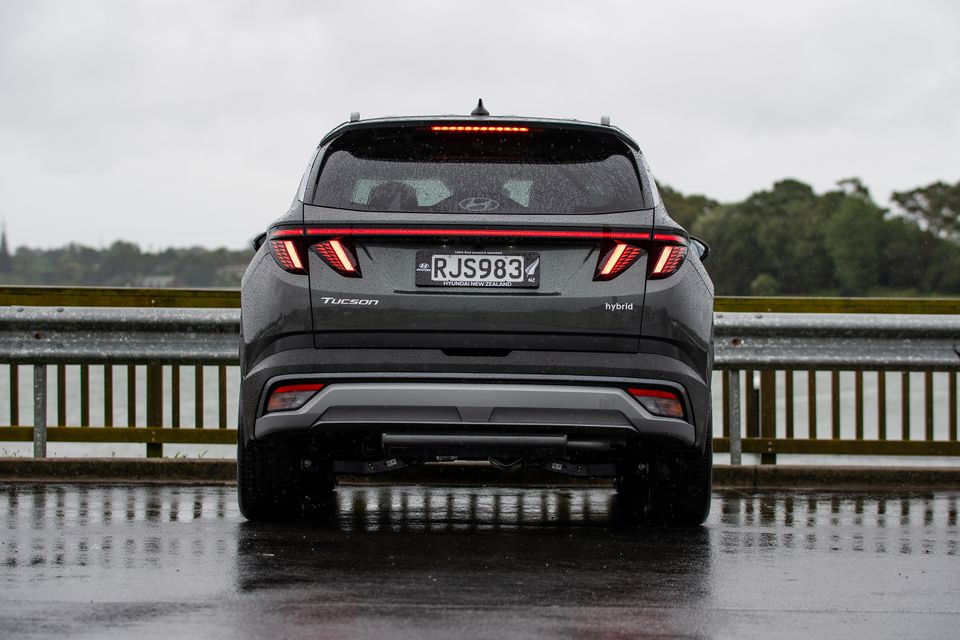
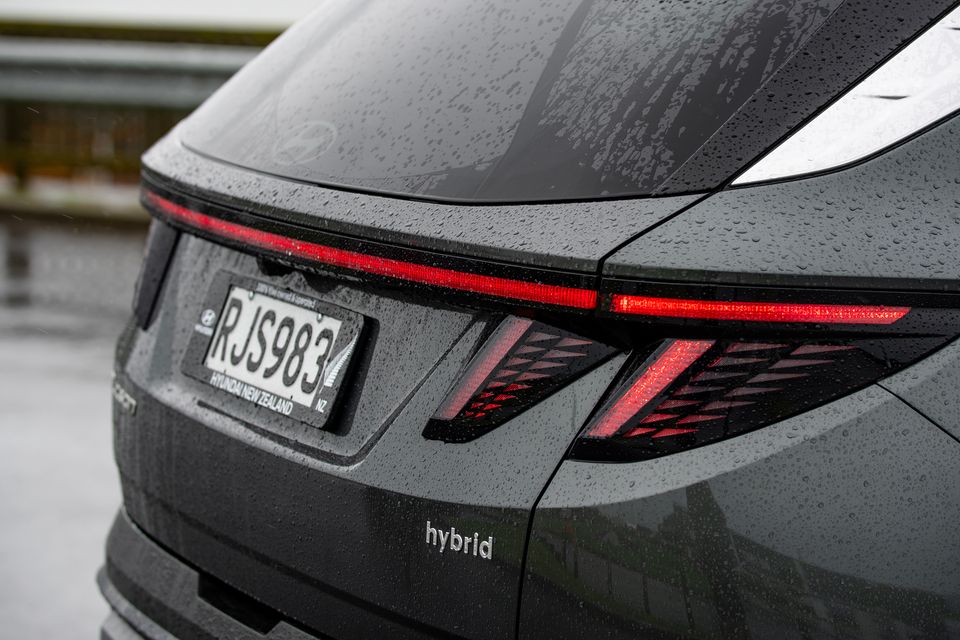
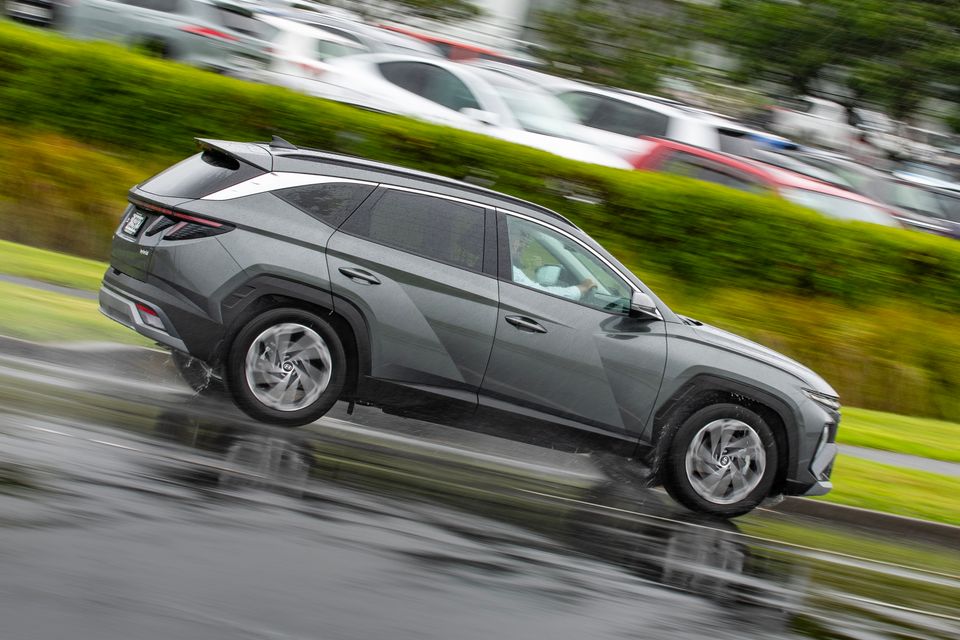
Can you spot the new exterior bits? Body updates might be the hardest to spot but the front grille, LED headlights and feature lines down the side of the SUV have all been refreshed.
The previous Tucson was the fifth best-selling SUV in 2025, could these changes help elevate Tucson II to new heights?
How much does the Hyundai Tucson cost?
The Tucson II range starts at $45,990 before on-road costs (ORCs) with the FWD 2.0-litre petrol Active. Hyundai currently offers a ‘Free Petrol Elite Upgrade’ to a higher trim at the same price, so don’t expect pure-petrol grades to stick around much longer.
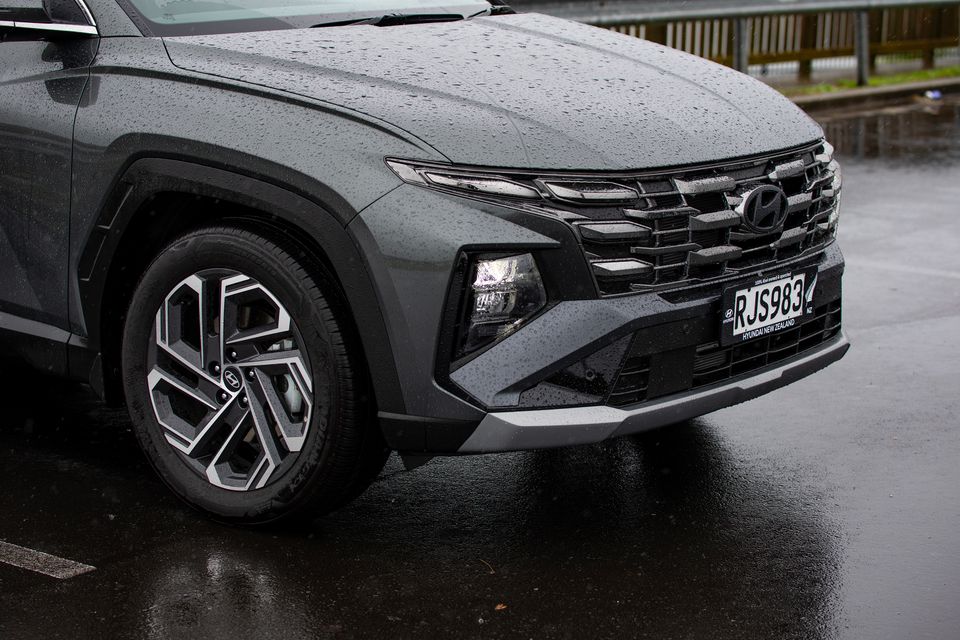
The 1.6-litre turbo-charged hybrid has been carried over from the last model, with models priced from $55,990 to $72,990 before ORCs. Our tester was a Hybrid Elite FWD slap bang in the middle of the line-up and the best selling Tucson model in New Zealand.
Model | Price before on-road costs |
|---|---|
Tucson 2.0 Active FWD | $45,990 |
Tucson 2.0 Elite FWD | $45,990 |
Tucson 1.6T Hybrid Active FWD | $55,990 |
Tucson 1.6T Hybrid Active AWD | $58,990 |
Tucson 1.6T Hybrid Elite FWD | $61,990 |
Tucson 1.6T Hybrid Elite AWD | $64,990 |
Tucson 1.6T Hybrid Limited AWD | $72,990 |
Tucson 1.6T Hybrid N Line Limited AWD | $72,990 |
What’s the Hyundai Tucson like inside?
The updated Tucson delivers more of what you want most in a family runner - extra space.
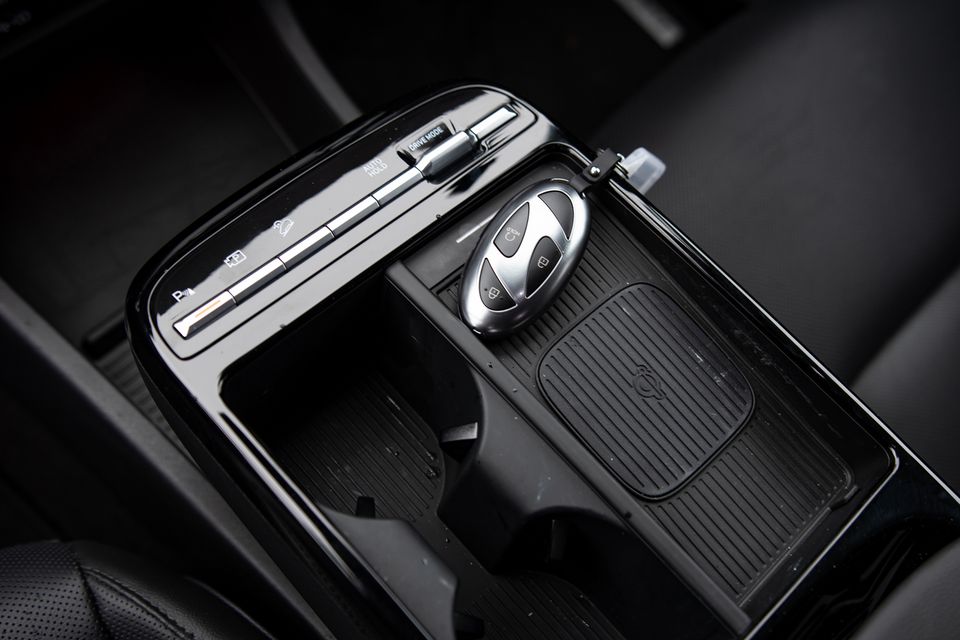
Fun fact: the last Tucson was actually sold here with two different body shapes. Why? Well, because petrol and hybrid models didn’t share the same wheelbase, 2755mm versus 2680mm respectively, to be exact.
Hyundai never really revealed this and you wouldn’t be able to tell, even with the two models sat side-by-side, as the bodywork was perfectly scaled down to match.
This all occurred because previously, Hyundai NZ were only able to source hybrid models from the Czech Republic. Maybe the ‘regular’ Tucson was a bit too big for Europe as they only produced the shorter-wheelbase, while the slightly longer petrol models arrived from South Korea.
For the Series II Tucson, hybrids and petrol models sold here are both sourced from South Korea. The end result is more legroom in the second row and increased cargo space in the boot.
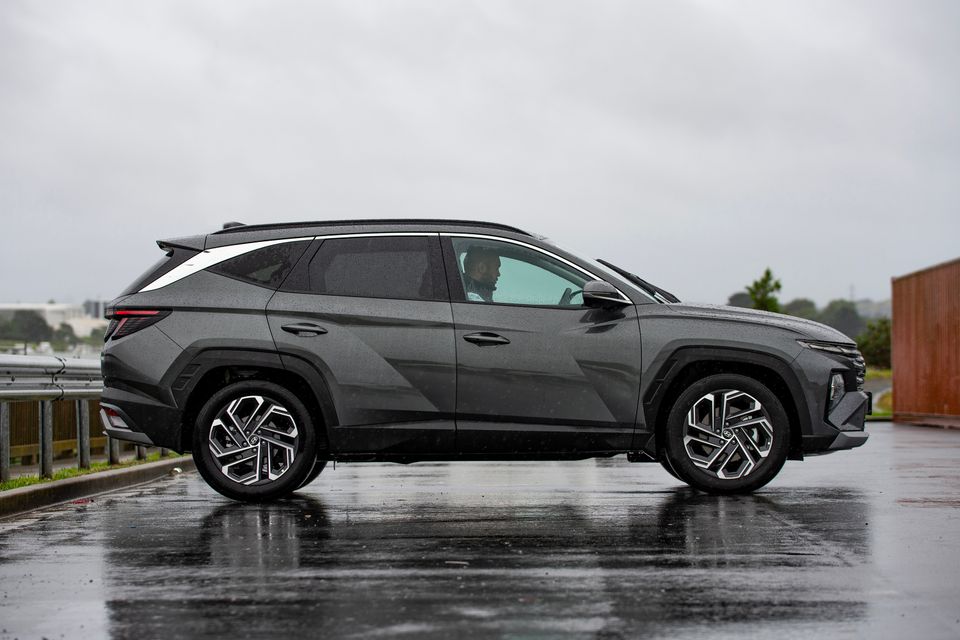
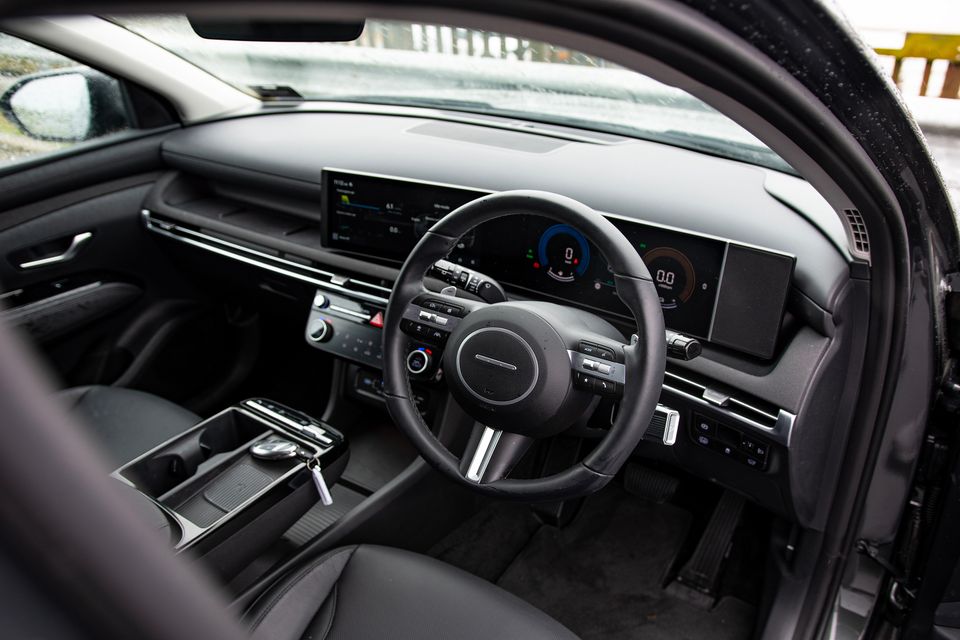
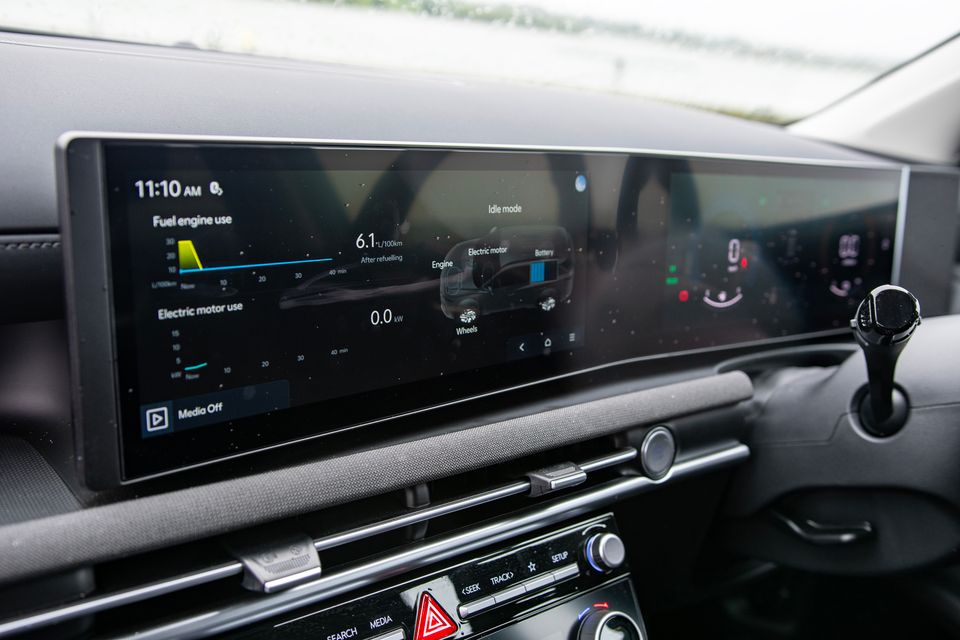
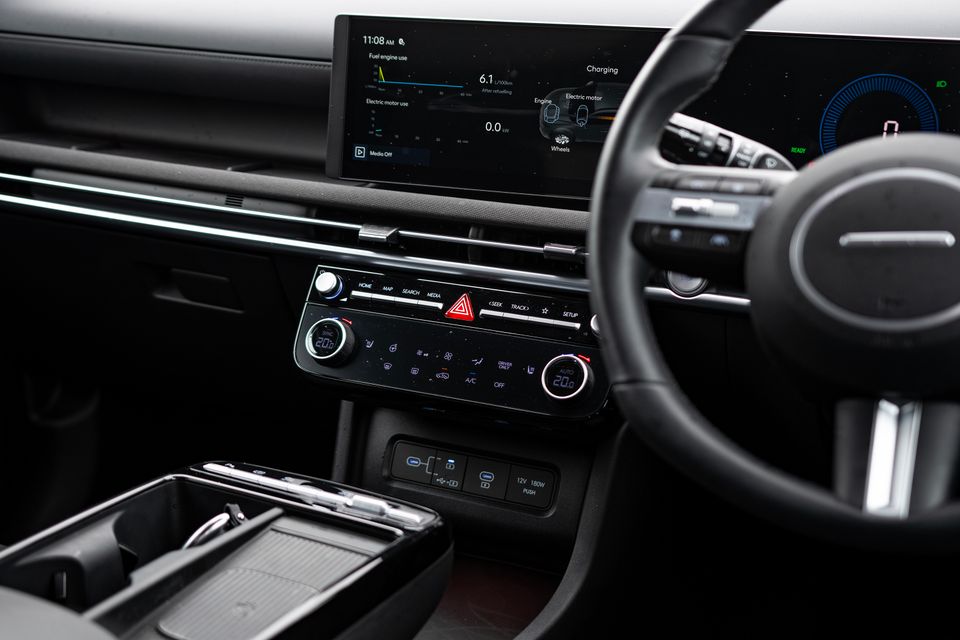
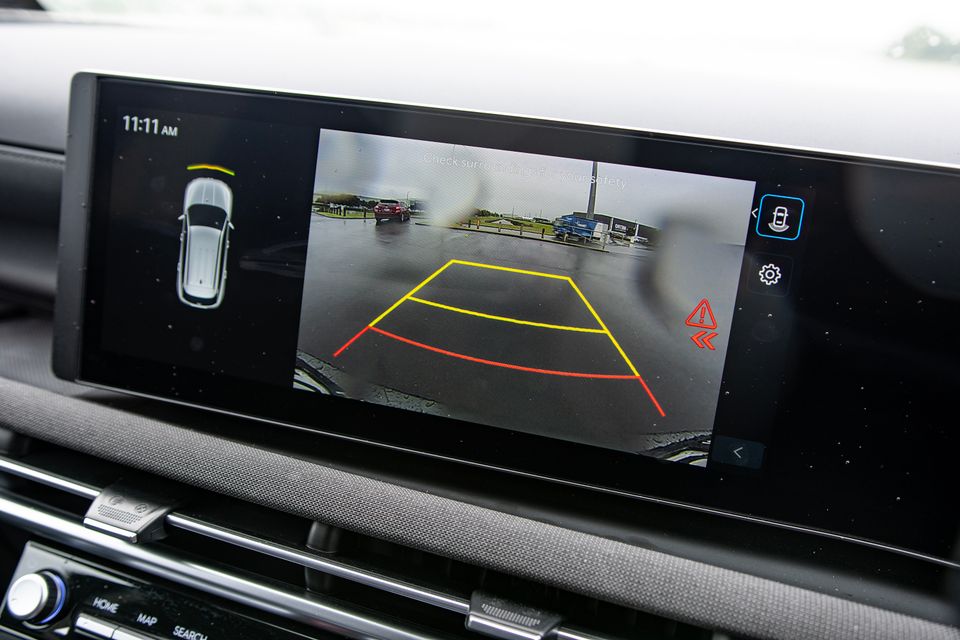
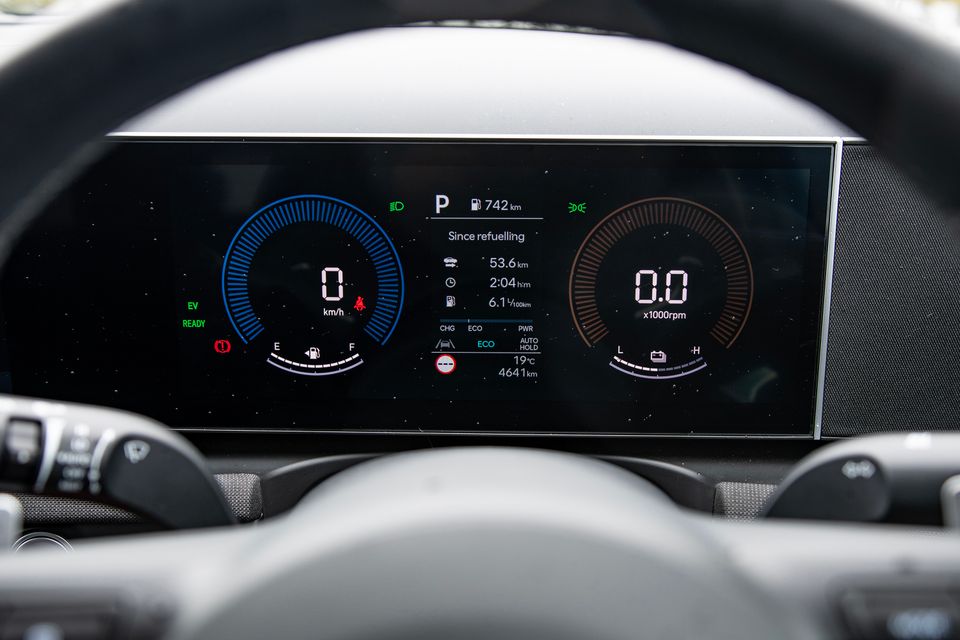
Fun fact over, let’s get in the driver's seat. It has to be said, this generation of Tucson is aging well. Refreshed with a new 12.3-inch touchscreen infotainment display and 4.2-inch driver’s display, initial impressions are that the Tucson II is right up-to-date with tech.
The infotainment screen has a crisp, responsive display and the appearance is configurable if you’d like to apply your own touch. Regardless if you’d like to use Wireless Apple CarPlay, Android Auto (both standard across the range), or the built-in system, you will get used to it all very quickly.
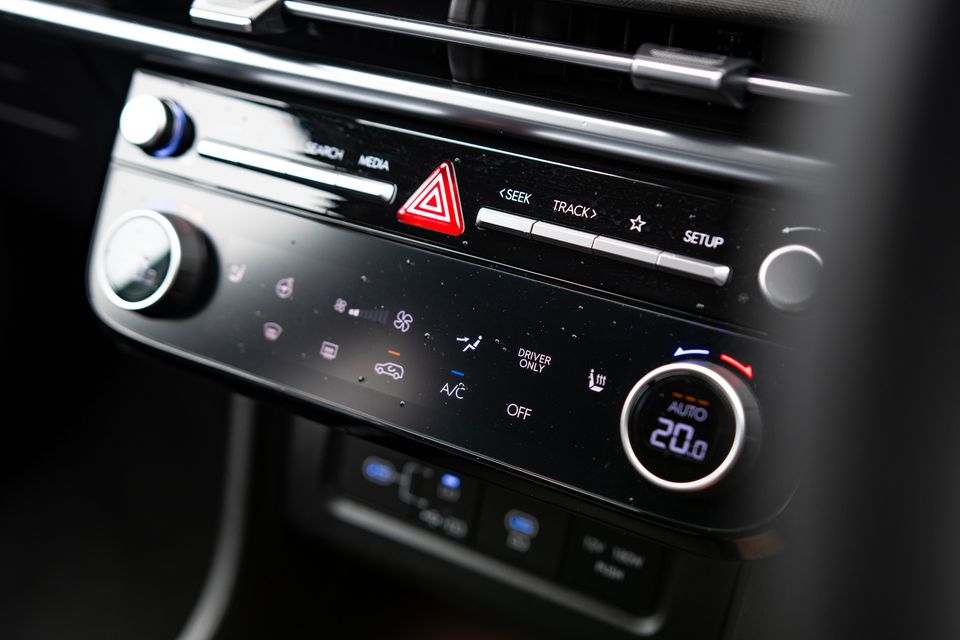
Thankfully Hyundai hasn't crammed everything into the new screens. Below the infotainment system are a row of physical buttons to navigate the menus quickly and a pair of dials for volume and tuning. Below that lie touch-sensitive controls for the heating, ventilation and air conditioning, with two dials to quickly adjust temperature.
The driver's seat is electronically adjustable and it’s easy to find a comfortable position. Weirdly for an ‘Elite’ grade, the front passenger will have to adjust their seat manually and memory seat functions for the driver are only available in top-spec N Line Limited models.
However in Elite trim, the full leather seats are supremely comfortable and adjustable. Soft-touch leathers garnish the top of the door cards, armrests on the door and centre console, and the leather steering wheel all make the Tucson a great place to be.
The steering wheel still features physical buttons to navigate drive information, audio and phone controls, and there are paddle shifters that shift gears in Sport or adjust the regen breaking in Eco mode.
In the back, the extended wheelbase becomes more apparent. With the driver’s seat set to my position, my 6-foot frame is able to stretch out comfortably and still have inches of knee and head room. I’d say if you’re under 6’6”, you’ll be able to get comfortable in the back. The back row doesn’t slide but can recline if needed.
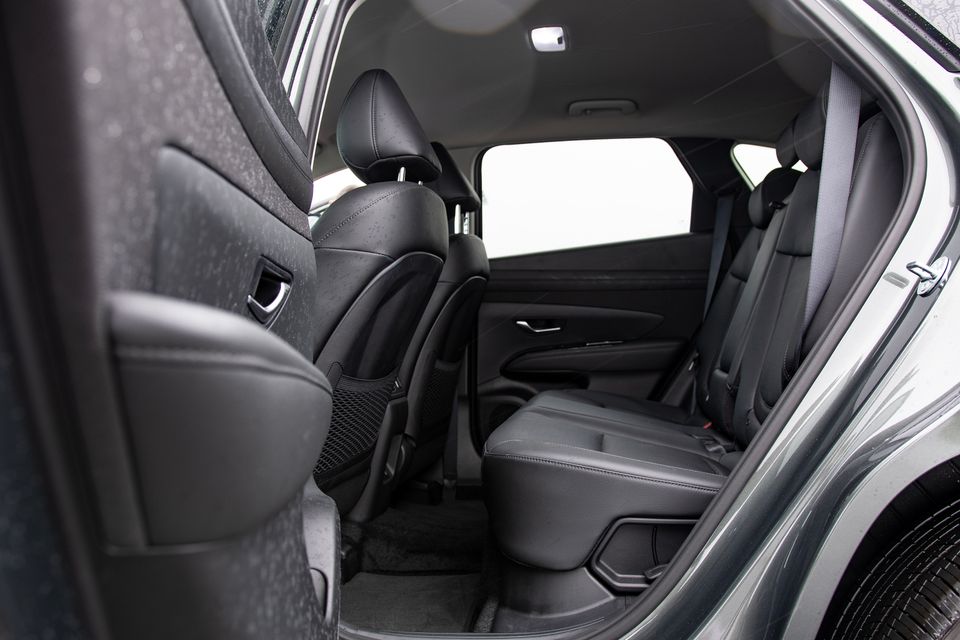
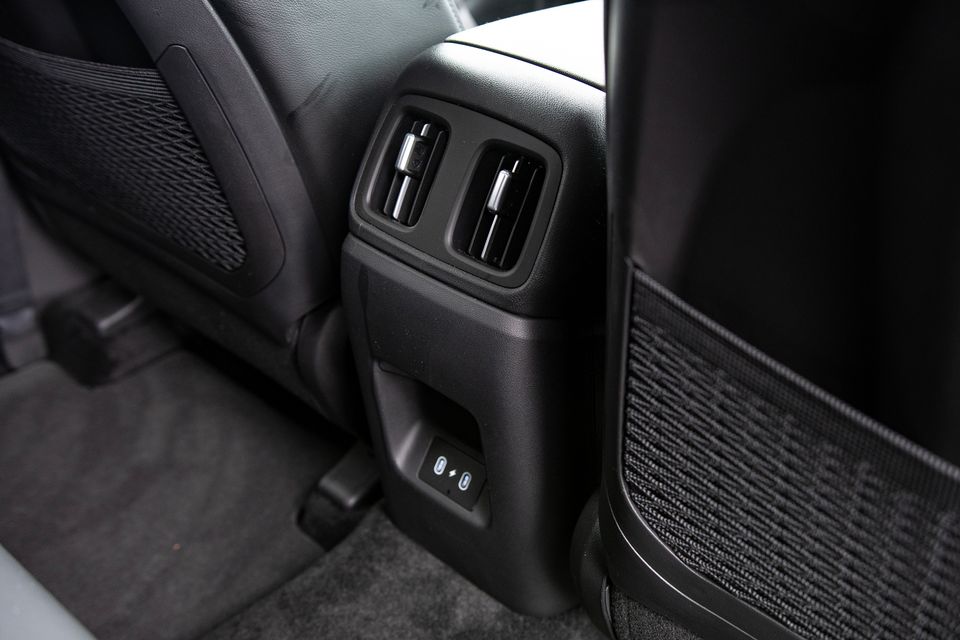
In terms of amenities, you’ll find the usual flip-down armrest with cupholders, directional air vents, USB charge points and the same comfortable leather elbow pads on the doors.
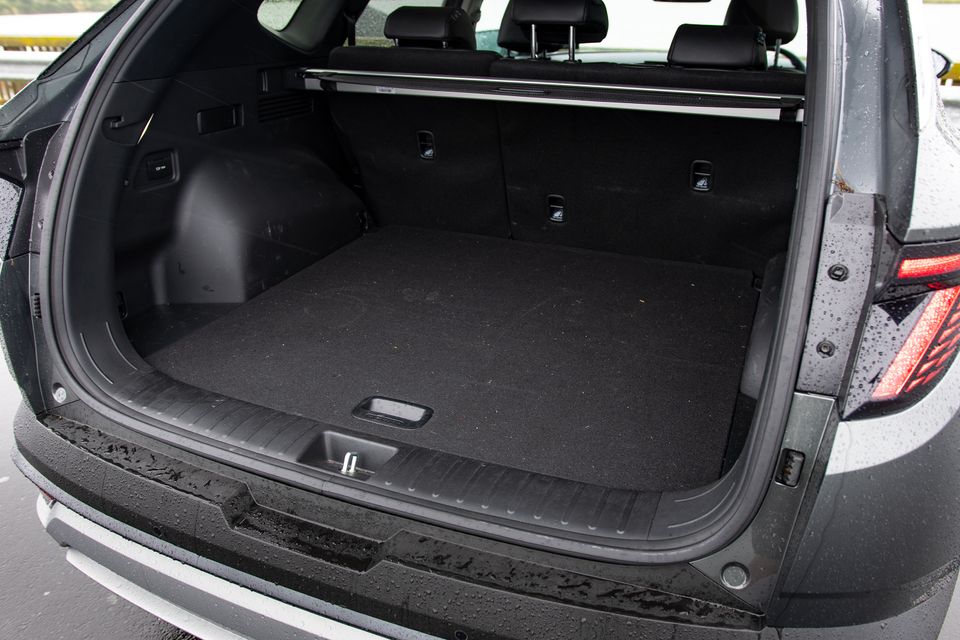
In the boot, there’s loads of room and a parcel shelf to keep things covered if you need to. Hybrid models have a 582-litre capacity, which is more than petrol models because that version has a full-sized spare wheel. Hybrids have a space-saver.
Drop the rear row and space grows to 1903-litres. Elite and N Line models get a power tailgate, making loading even easier.
What’s under the bonnet?
As mentioned, turbo petrol and diesel models have been dropped so you get the pick of two engines for 2026. For us, there’s a clear favourite.
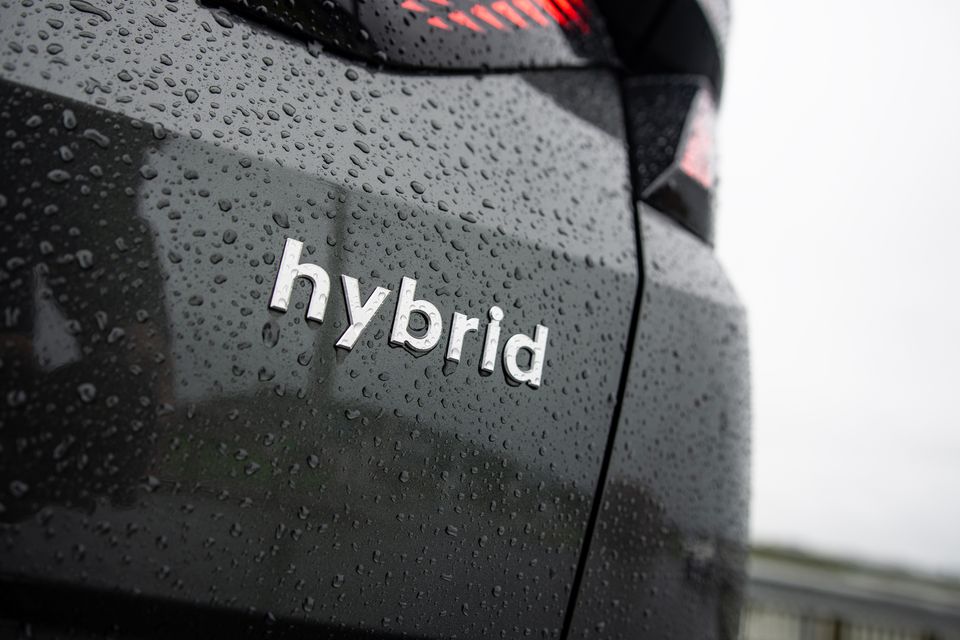
The new petrol engine is a 2.0-litre naturally aspirated unit. It isn’t bad, but compared to the hybrid we tested, it’s a bit last decade.
The hybrid combines a turbocharged 1.6-litre four-cylinder petrol engine, electric motor and 1.49kWh battery to produce 173kW of power and 350Nm of torque. Comfortably outpacing the 2.0 petrol’s 115kW and 192Nm, while using a claimed 3.1 litres less fuel every 100km.
Hybrid Tucsons have a claimed 5.9 litres per 100km fuel rating and I found it hard to hit on test. My week was made up of the usual stuff you’d expect a mid-size SUV to handle. Daily commutes, weekend runs to the shops and a few motorway journeys were all handled without fuss, but getting the fuel economy to drop into the fives was impossible.
I finished the week at 6.4L/100km. That isn’t horrible, however rival hybrids in its class like the RAV4 did fare better under the same circumstances.
What’s the Hyundai Tucson like to drive?
While I didn't manage to get RAV4 fuel economy, the Tucson blows the Toyota away when it comes to refinement.
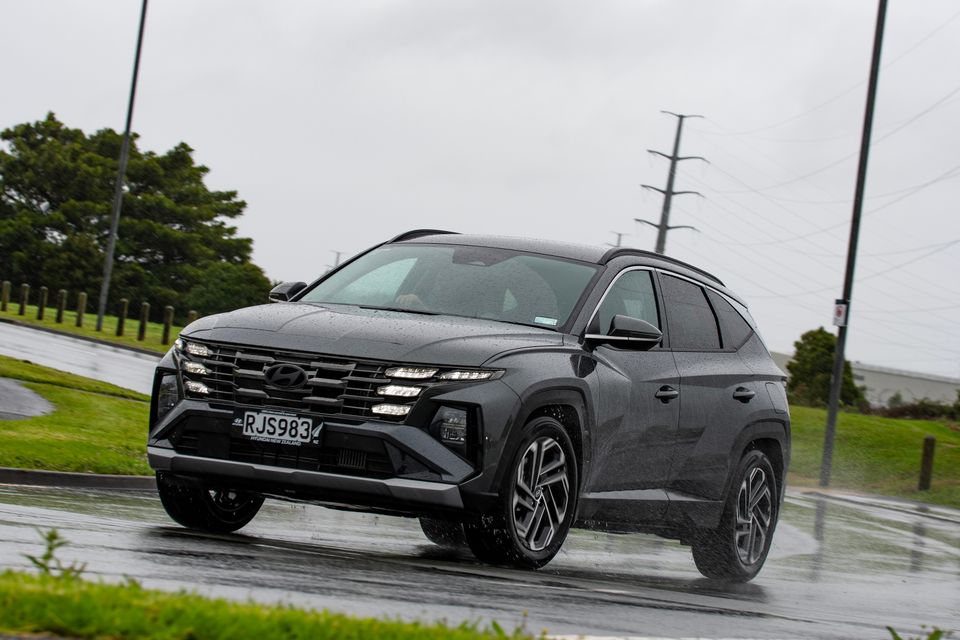
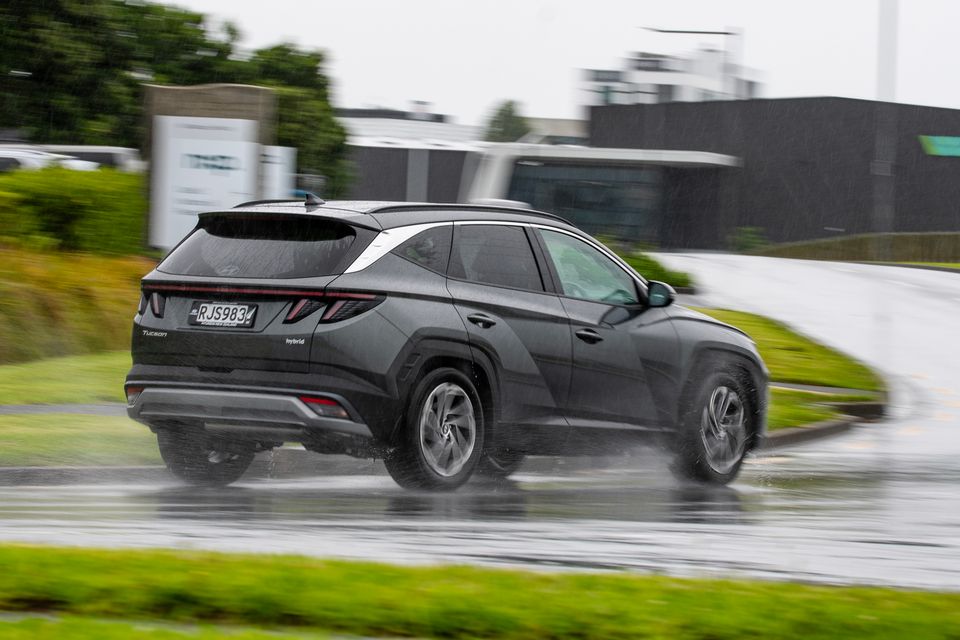
With hybrid models, the electric motor is housed in between the petrol engine and six-speed automatic transmission and, while not as efficient as I hoped, they are well matched in the real world.
In Eco mode, you can adjust regen braking with the paddles behind the wheel and in its most aggressive setting it is almost as effective as single pedal driving. Somehow I found Eco to be fun in congestion too, trying to recover as much energy as possible in sub 20km/h stop-start traffic.
That power is stored in a small 1.49kWh battery and, despite its small size, will support full EV driving more often than you think. When starting the car, EV mode will usually get you underway before the engine joins in. While driving, the hybrid system will utilize EV mode at any speed, and the transition from EV to petrol engine is smooth and seamless.
When the engine does fire up, noise and vibration never becomes a problem. Switch into Sport and the paddles become gear leavers, and the Tucson reminds you that it can really hustle. In Sport, you benefit from electric and petrol power to fire you down the road, and for a family SUV, it doesn’t muck about. If you require a sporty-feeling SUV without plugs, but still want a hybrid with some eclectic-only drive, the Tucson will tick that box.
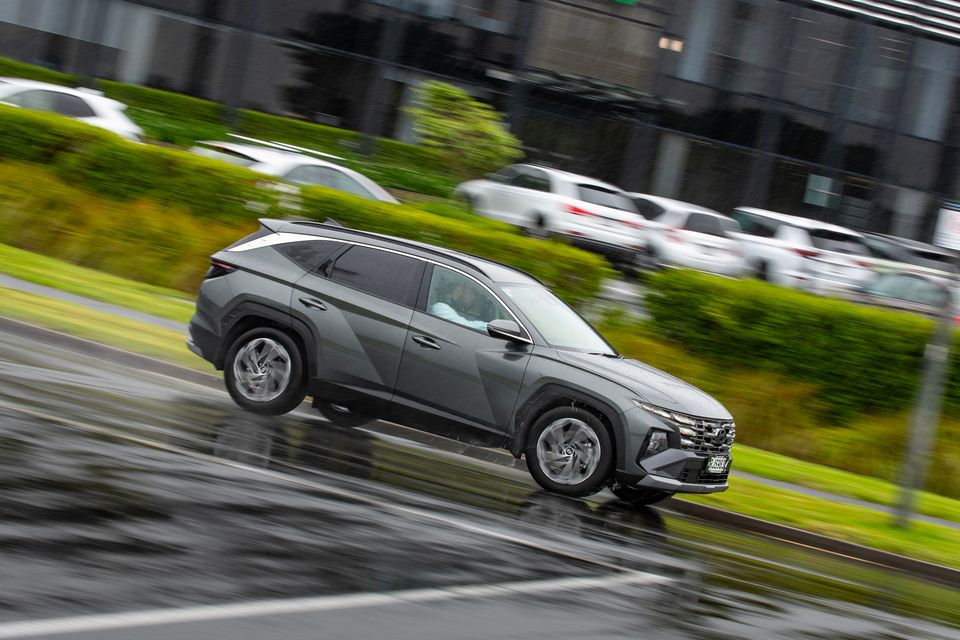
In the corners the Tucson remains surprisingly flat. Push too hard and you’ll be left with bags of understeer, not surprising for the class, but turn in once like you mean it, allow the SUV to load up at the apex, and the Tucson will take care of you.
One thing that may take some getting used to is the brakes. Like other systems, the sensation of the brake pedal and the amount of travel needed in similar situations can be inconsistent. This is most noticeable in Eco mode with regen set to its highest setting, the more you lower it, the more natural it feels.
You can adjust this with different drive modes and if it sounds offputting, just leave it in Sport, there you’ll have a normal brake pedal feel.
On the highway the Tucson has effortless road-hold. It settles into the lane nicely at speed and feels like it could comfortably do it for hours. There was more cabin noise than I expected however, especially on coarse rural surfaces over 80km/h. It’s also worth noting that above 90km/h, wind noise did become a minor factor, seemingly coming from the wing mirrors. It didn’t wreck the experience, but once you noticed it, it was hard to ignore.
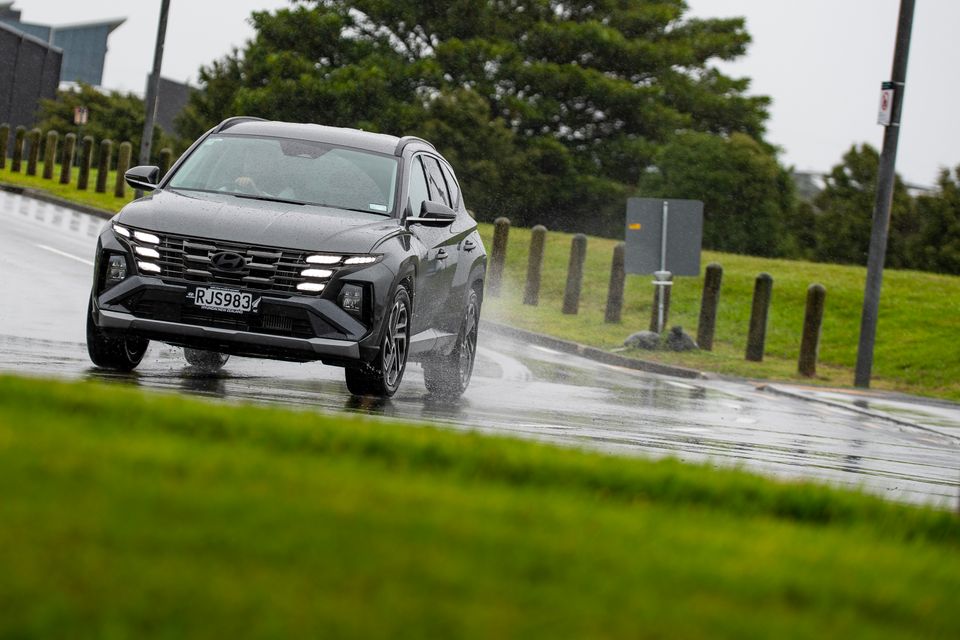
I also had some minor issues with the safety systems. To Hyundai’s credit, the entire Tucson II range now comes with the brand's latest SmartSense tech suite including Forward Collision-Avoidance, Lane Keep Assist and Blind-Spot Collision-Avoidance - all good things have.
The main issue was with the smart sign recognition and lane keep. Smart sign would get things wrong way too often, sometimes keeping a 50km/h all the way onto the motorway and chiming away at me for what felt like kilometers.
Lane keep on the other hand I felt was too aggressive at times. Granted, our roads markings aren’t the best, so sometimes phantom lines (or markings on the road perceived as lines) can cause the system to steer you away from the apex of a corner. Not the best, but also not entirely Hyundai’s fault.
This isn’t unique to any particular make or model, just something drivers should be mindful of when approaching layers of road markings. In the Tucson, there’s a fix for this. Press and hold the lane-keep button on the steering wheel will deactivate the feature.
What do you get?
2026 Hyundai Tucson Active equipment highlights:
Elite adds:
N Line and Limited add:
CarExperts take on the Hyundai Tucson
It’s easy to see why the Hyundai Tucson is so popular and the updated model just adds to its appeal.
The extra cabin space in the rear row and a bigger boot are meaningful advantages over the outgoing hybrid, and now with a full suite of Hyundai’s latest safety systems standard across the range, the Tucson II is a better family wagon then the model it replaces. Even if a few of the systems are annoyed at times.
Tidy handling, road manners and genuinely surprising straightline performance all make for a more enjoyable driving experience when the road allows, also.
Elite - the grade tested here - is for me, the sweet spot in the lineup. Our tester comes in at $61,990 before ORCs and that perhaps is where things get tricky for the Tucson.
For that price you can get a new generation plug-in RAV4, and there’s an ever-growing list of new entrant brands that will undercut that pricing by tens of thousands.
Where expert car reviews meet expert car buying – CarExpert gives you trusted advice, personalised service and real savings on your next new car.
But when you spend some time behind the wheel, run your hand across the interior materials and feel the powertrain working, you’ll understand there’s a reason for the price.
The Hyundai Tucson remains a considered, well-engineered and well-built, quality SUV.
Where expert car reviews meet expert car buying – CarExpert gives you trusted advice, personalised service and real savings on your next new car.
2025
$54,990
2025
$59,990
2025
$79,990
2025
$79,990
Dave is a Kiwi motoring journalist with experience in motorcycle racing, new car sales, radio and communications.
Add CarExpert as a Preferred Source on Google so your search results prioritise writing by actual experts, not AI.
Matthew Hansen
8 Days Ago

Dave Kavermann
13 Days Ago
Dave Kavermann
19 Days Ago
Dave Kavermann
27 Days Ago

Damion Smy
1 Month Ago
Matthew Hansen
1 Month Ago
Add CarExpert as a Preferred Source on Google so your search results prioritise writing by actual experts, not AI.
† Displayed prices exclude on-road costs such as delivery charges, registration fees, number plates, insurance and applicable road taxes. These prices are subject to change without notice and may not reflect current market pricing or dealer offers.
 Automotive Vehicle Spec Data & 4K images Powered by JATO Dynamics Ltd